How to Develop an Integrated Marketing Strategy
Today’s customers rarely interact with a brand through only one channel.
They may first discover a company through search, see an advertisement later that week, follow the brand on social media, open an email, visit the website, download a resource, and eventually speak with a sales representative.
Each interaction may happen in a different place, but customers experience them as one relationship with your brand.
That’s why an effective integrated marketing strategy is so important.
Instead of allowing social media, search, advertising, email, content, and other marketing efforts to operate independently, integrated marketing brings those channels together around shared goals, audiences, messaging, and measurement.
The objective is not simply to be present on more channels. It is to create a connected marketing experience in which every interaction supports the next.
What Is an Integrated Marketing Strategy?
An integrated marketing strategy is a coordinated approach that aligns marketing channels, messaging, content, campaigns, and customer touchpoints around common business objectives.
Rather than developing separate strategies for every channel, an integrated approach considers how those channels can work together.
For example, a company might use:
- Search to capture existing demand
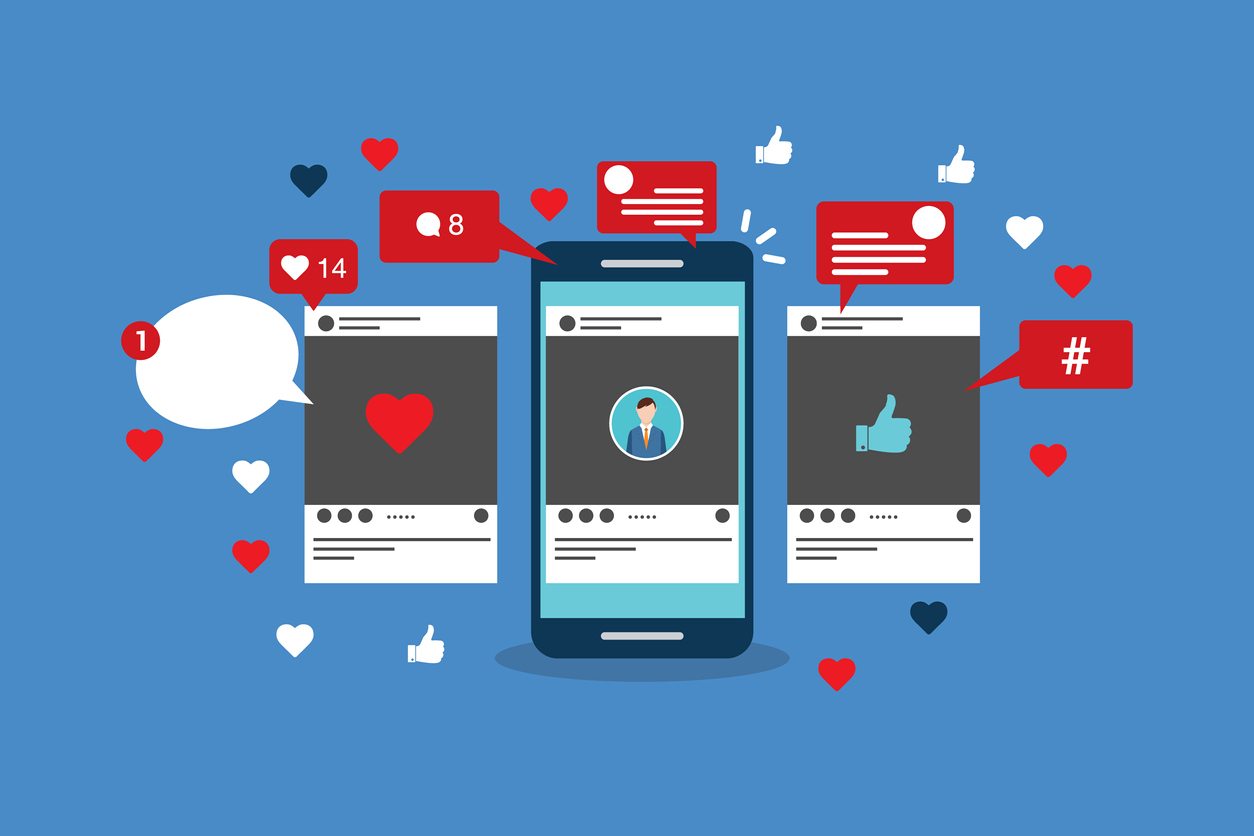
- Social media to build awareness and engagement
- Paid advertising to reach targeted audiences
- Content to educate prospective customers
- Email to nurture leads
- Website experiences to support consideration and conversion
- Customer communications to strengthen long-term relationships
Each tactic serves a different purpose, but they should all support the same broader marketing strategy.
This is the foundation of integrated marketing: connecting individual marketing activities so they reinforce one another rather than competing for attention, budget, or resources.
Integrated Marketing vs. Integrated Marketing Communications
The terms integrated marketing and integrated marketing communications are often used together, but there is a useful distinction.
Integrated marketing considers the overall coordination of marketing strategy, channels, customer experiences, campaigns, and measurement.
Integrated marketing communications, or IMC, focuses more specifically on maintaining consistent messaging and communication across those channels.
For example, a company launching a new service might promote it through:
- Website content
- Search campaigns
- Social media
- Digital advertising
- Public relations
- Sales communications
Integrated marketing communications helps ensure that the positioning, value proposition, tone, and central message remain recognizable across all of those touchpoints.
That does not mean every message needs to be identical.
The way you communicate on LinkedIn may differ from a paid search ad or email campaign. The execution should adapt to the channel while remaining connected to a consistent brand and strategic message.
Why Integrated Marketing Matters
Marketing channels are often managed separately because they require different skills, platforms, budgets, and measurement tools.
But customers do not think about brands in terms of departmental structures.
They simply experience the company.
If your paid advertising communicates one message, your website communicates another, and your sales team presents a third, the experience can quickly become disconnected.
A strong integrated approach helps organizations create greater consistency while also making individual tactics more effective.
Create a Consistent Customer Experience
Consistency helps audiences understand what a brand represents.
Your positioning, messaging, visual identity, value proposition, and calls to action should feel connected whether a customer encounters your company through search, social media, advertising, email, or your website.
This consistency creates a stronger foundation for the overall customer experience.
Make Marketing Channels Work Together
Marketing channels should not function as isolated tactics.
A strong blog article can support organic search, social media, email, sales conversations, and paid campaigns.
A successful paid campaign can reveal audience insights that improve content.
Social media engagement can identify questions customers are asking, which can inform SEO and website content.
An integrated strategy creates opportunities for one marketing activity to strengthen another.
Use Resources More Efficiently
When teams work independently, they may duplicate content, pursue conflicting objectives, or target different audiences with unrelated messages.
Integration allows organizations to reuse insights, content, creative assets, and campaign themes across multiple channels where appropriate.
This can improve efficiency without simply repeating the same message everywhere.
Improve Marketing Measurement
An integrated approach also creates a broader view of performance.
A prospective customer may interact with several channels before converting.
Evaluating each channel entirely on its own can make it difficult to understand how those interactions contributed to the final result.
Looking at the overall customer journey can provide a more realistic picture of marketing performance.
How to Develop an Integrated Marketing Strategy
A successful integrated marketing strategy does not begin by selecting channels.
It begins with business objectives, audience needs, positioning, and a clear understanding of how marketing should contribute to growth.
The following framework can help connect those elements.
1. Define Your Marketing Goals
Start by identifying what your integrated marketing strategy needs to accomplish.
Potential goals might include:
- Increasing brand awareness
- Entering a new market
- Generating qualified leads
- Increasing website traffic
- Supporting a product or service launch
- Growing sales
- Improving customer retention
- Increasing event registrations
- Strengthening customer relationships
- Improving marketing efficiency
Avoid setting disconnected objectives for every individual channel before defining the larger goal.
Your social media team, paid media team, content team, and sales team should understand what the organization is collectively trying to accomplish.
Your broader Marketing Strategy capabilities should provide the foundation for these decisions, including positioning, target audiences, messaging, channel planning, and measurement. Stevens & Tate similarly describes marketing strategy as connecting positioning, inbound marketing, communications, media channels, and customer experience into one coordinated plan.
2. Understand Your Audience and Customer Journey
Next, determine who you are trying to reach and how those people make decisions.
Consider:
- What problems are they trying to solve?
- Where do they look for information?
- Which channels influence them?
- What questions do they ask during the buying process?
- What prevents them from taking action?
- Who influences the final decision?
- What happens after they become customers?
Different audience segments may follow different paths.
A B2B buyer might discover your company through organic search, read several articles, encounter your brand on LinkedIn, download a resource, receive nurturing emails, and later request a consultation.
A consumer journey might be shorter and involve social content, paid advertising, product reviews, email offers, and ecommerce.
Understanding these journeys helps you build a cross-channel marketing strategy around actual customer behavior rather than assumptions.
3. Establish a Unified Position and Message
Once you understand the audience, define the central message that should connect your marketing efforts.
Ask:
- What do we want customers to understand about our brand?
- What problem do we solve?
- What makes our offering different?
- What value should customers associate with us?
- What action do we ultimately want them to take?
This becomes the foundation of your integrated marketing communications.
Individual channels can adapt the message for their audience and format, but they should reinforce the same underlying positioning.
Consistency is especially important when several departments or external partners contribute to marketing.
Without shared messaging guidelines, campaigns can quickly begin to feel disconnected.
4. Select Channels Based on Their Role
An integrated marketing strategy does not require using every available marketing channel.
Instead, choose the channels that make sense for your audience and give each one a defined role.
Search
Search can help your business reach people who are already looking for information, products, services, or solutions.
SEO and paid search may play different roles, but both can help capture existing demand and direct users toward relevant website experiences.
Stevens & Tate’s Search & Social capabilities can support this part of the integrated ecosystem.
Social Media
Social platforms can support awareness, community building, audience engagement, content distribution, and advertising.
Integrated social media marketing works best when social activity connects with the rest of the strategy instead of operating as a separate publishing calendar.
For example, social posts might promote new content, reinforce an advertising campaign, support an event, highlight customer stories, or direct users toward website resources.
Advertising
Advertising can extend reach and help businesses target specific audiences across search engines, social platforms, display networks, traditional media, and other placements.
Paid media becomes more powerful when it supports the same objectives and messages as your other marketing efforts.
The Advertising capability can therefore be connected naturally to an integrated campaign rather than treated as an isolated tactic.
Inbound Marketing and Content
Inbound marketing helps attract audiences by providing useful information that addresses their needs and questions.
Blog articles, guides, videos, case studies, landing pages, email content, and downloadable resources can support different stages of the customer journey.
Stevens & Tate’s Inbound Marketing capabilities emphasize content designed around customer needs and using that content to attract, engage, nurture, and convert audiences.
Digital Marketing
Your integrated digital marketing strategy should connect the digital channels that make sense for your audience rather than creating unrelated programs for SEO, advertising, social media, email, and website content.
Stevens & Tate’s digital capabilities include digital strategy, search engine optimization, paid and social advertising, email, content formats, web experiences, and analytics.
Explore the Digital Marketing capabilities for ways these digital tactics can work together.
5. Build an Integrated Content Plan
Content is often what connects individual channels.
Instead of producing separate ideas for every platform, consider building campaigns around central themes.
For example, one research report could become:
- A long-form website resource
- Several blog articles
- Social media posts
- An infographic
- Email content
- Paid advertising creative
- Sales enablement material
- Video content
- Public relations opportunities
The message remains consistent while the format changes based on the channel.
This approach can make your content program more efficient while creating repeated exposure to the same core message.
How to Build an Integrated Marketing Campaign
An integrated marketing campaign takes the principles of integrated strategy and applies them to a specific initiative.
The campaign might support a product launch, event, new service, seasonal promotion, brand initiative, or lead-generation objective.
A basic integrated campaign might follow this structure:
Establish One Campaign Objective
Identify the primary outcome the campaign should produce.
Define the Audience
Determine who needs to receive the message and what matters to them.
Develop the Central Campaign Message
Create one strategic idea or value proposition that every channel can reinforce.
Assign Each Channel a Role
For example:
Search captures active interest.
Social media generates awareness and engagement.
Paid advertising expands targeted reach.
Content educates prospects.
Email nurtures interest.
Landing pages support conversion.
Sales communications move qualified prospects toward a decision.
Create Connected Calls to Action
Do not send users in unrelated directions depending on which channel they encounter.
Campaign calls to action should support a logical customer journey.
Measure the Campaign as a Whole
Evaluate individual channel metrics, but also examine how the campaign performed against the shared business goal.
This broader view is one of the key benefits of integrated marketing.
Cross-Channel Marketing vs. Multichannel Marketing
It is also useful to distinguish cross-channel marketing from simply using multiple marketing channels.
Multichannel marketing means an organization is active across multiple platforms.
For example, a company might use:
- Paid search
- SEO
- Display advertising
But those activities may still operate independently.
Cross-channel marketing focuses on how interactions across those platforms connect.
A prospect might discover a company through Google, visit a landing page, later see a retargeting ad, download a guide, receive a follow-up email, and ultimately request a consultation.
A strong cross-channel marketing strategy considers that progression rather than evaluating each interaction as an isolated event.
This is why integration should focus on the customer journey—not simply the number of channels being used.
Maintain Consistency Without Making Every Channel Identical
One misconception about integrated marketing is that every channel needs to publish exactly the same content.
It does not.
Different channels have different audiences, formats, strengths, and expectations.
The goal is strategic consistency, not identical execution.
Your LinkedIn content might have a more professional tone than Instagram.
A paid search advertisement will need to be much shorter than an email.
A blog article can explain an idea in much greater depth than a display advertisement.
Each execution can change while maintaining:
- Consistent positioning
- Recognizable visual identity
- Core messaging
- Shared campaign objectives
- Relevant calls to action
This allows marketing to feel coordinated without becoming repetitive.
Connect Marketing to the Customer Experience
Integration should not end once a prospect converts.
The customer experience is part of marketing as well.
Think about what happens after someone:
- Completes a form
- Makes a purchase
- Schedules an appointment
- Requests information
- Becomes a customer
- Contacts customer service
- Renews a service
- Recommends your company
If the marketing experience promises one thing but the customer experience delivers something entirely different, the strategy is not truly integrated.
Marketing, sales, service, and customer communications should reinforce the expectations established before the conversion.
That makes Customer Experience an important part of the overall marketing ecosystem.
Measure Your Integrated Marketing Strategy
One of the biggest challenges in integrated marketing is measurement.
Every platform provides its own metrics, but successful integration requires looking beyond individual dashboards.
Start With Business Outcomes
Measure performance against the objectives established at the beginning of the strategy.
Depending on your goals, this might include:
- Qualified leads
- Revenue
- Customer acquisition
- Conversion rate
- Brand awareness
- Customer retention
- Marketing ROI
- Website engagement
- Sales pipeline
- Customer lifetime value
Evaluate Channel Contribution
Individual channel performance still matters.
Track metrics such as:
- Organic search traffic
- Paid search conversions
- Social engagement
- Advertising performance
- Email engagement
- Content performance
- Website conversion rates
But consider how each channel contributes to the broader journey.
Look for Cross-Channel Patterns
Your strongest insight may not come from identifying the channel with the highest number of last-click conversions.
Instead, you may discover that customers who interact with content, search, email, and advertising are much more likely to convert than audiences exposed to only one channel.
Those patterns can help you improve future campaigns and allocate resources more effectively.
Common Integrated Marketing Mistakes
Even organizations using many marketing channels can struggle to create true integration.
Watch for these common problems.
Choosing Channels Before Defining the Strategy
Do not begin with, “We need to be on TikTok,” or, “We need more paid search.”
Start with business goals and audience needs.
Channels come later.
Creating Separate Goals for Every Department
If social media is focused entirely on engagement, paid media is focused only on conversions, content is measured on traffic, and sales is measured exclusively on revenue, teams can begin working toward competing objectives.
Connect tactical KPIs to shared business goals.
Inconsistent Messaging
Customers should not encounter a completely different brand depending on the channel they use.
Establish messaging and brand standards early.
Measuring Only Last-Click Results
Customers frequently interact with several channels before converting.
Last-click attribution can overlook much of that journey.
Treating Integration as a One-Time Project
An integrated strategy needs continuous refinement.
Customer behavior changes. Channels evolve. New technology appears. Business priorities shift.
Regularly review your strategy and adapt accordingly.
Build a Marketing Ecosystem, Not a Collection of Tactics
A strong integrated marketing strategy is ultimately about creating connections.
Search should inform content.
Content should support social media and email.
Advertising should reinforce broader campaign messaging.
Digital experiences should support customer needs.
Sales and marketing should share insights.
Customer experience should reinforce the promises your marketing makes.
When those pieces work together, marketing becomes more than a collection of individual tactics. It becomes a connected system designed around the customer journey and the organization’s business goals.
An effective integrated strategy does not require being everywhere. It requires being in the right places, with a consistent message, a clear purpose, and a plan for how each interaction supports the next.
If your marketing channels are operating independently, Stevens & Tate can help connect the pieces. Explore our Marketing Strategy capabilities to build the strategic foundation, and our Digital Marketing capabilities to put that strategy into action across the digital channels that matter most.