How to Create an Inbound Funnel That Converts Consistently
A well-structured inbound funnel is essential for attracting the right audience, nurturing leads effectively, and turning initial interest into measurable, sustainable results. Instead of relying on short-term, one-off campaigns that produce inconsistent outcomes, an effective inbound approach focuses on building a repeatable and scalable system. This system is designed to continuously bring in new prospects, engage them with relevant and valuable content, and guide them seamlessly through each stage of the buyer’s journey.
By aligning your messaging, content, and touchpoints with the needs and behaviors of your target audience, an inbound funnel creates a more personalized and intentional experience. Prospects are not just exposed to your brand—they are educated, supported, and gradually moved toward a confident purchasing decision. Over time, this structured approach not only improves conversion rates but also strengthens trust, builds long-term relationships, and creates a more predictable and reliable pipeline for growth.
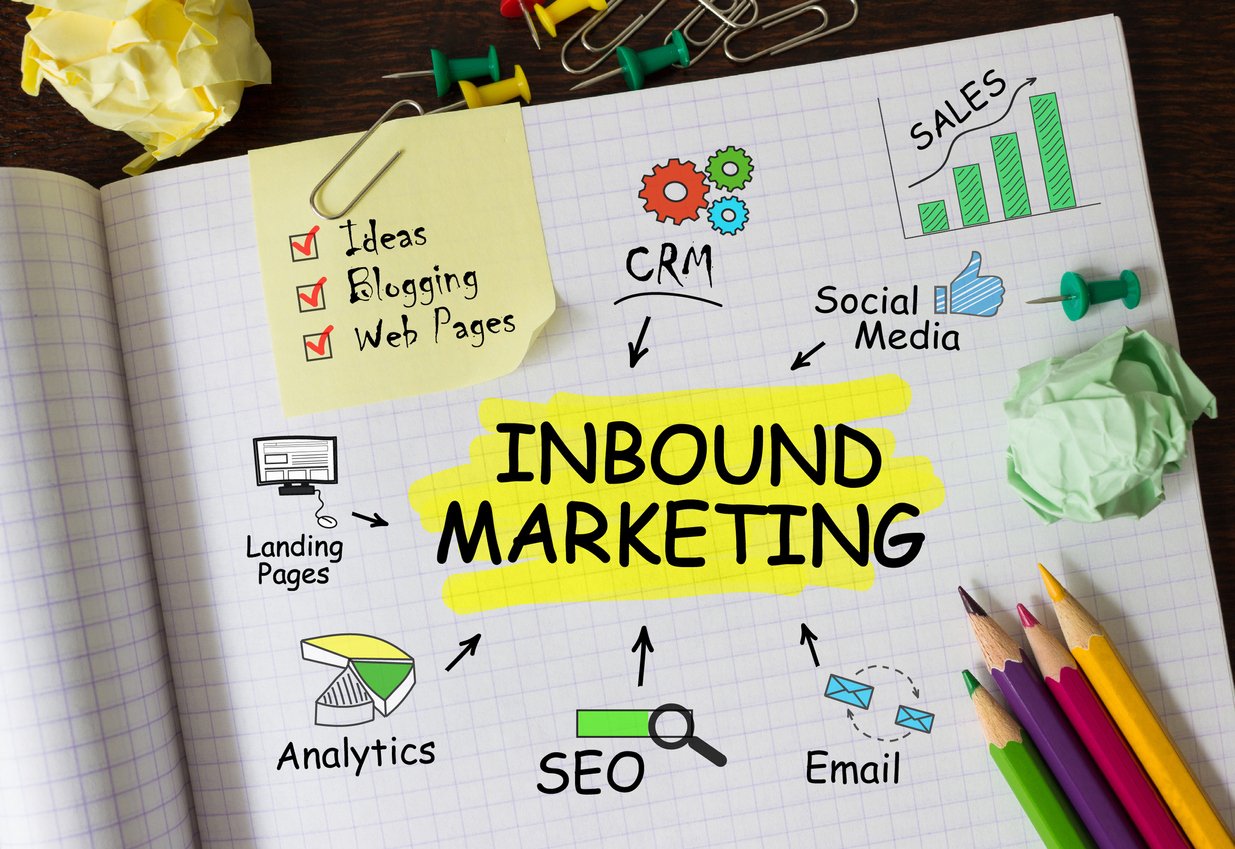
What Is an Inbound Funnel?
An inbound funnel is a strategic marketing framework designed to attract potential customers by delivering valuable, relevant content and meaningful experiences. Rather than interrupting audiences with outbound messaging, it focuses on naturally drawing prospects in by addressing their questions, challenges, and goals at every stage of the buyer’s journey. This approach helps build trust early, positioning your brand as a credible and helpful resource instead of just another option.
At its core, an inbound funnel aligns your content, messaging, and offers with the evolving needs of your audience. As prospects move through the funnel, they transition from discovering a problem to evaluating solutions and ultimately making a decision. By guiding them with the right information at the right time, you create a seamless and personalized experience that increases engagement and conversion potential.
Typically, the funnel is divided into three key stages: awareness, consideration, and decision—each requiring a tailored approach.
Stage 1: Attract the Right Audience (Awareness)
The top of the funnel is all about visibility. At this stage, your goal is to reach potential customers who are just beginning to explore a problem or opportunity.
Effective tactics include:
- Blog content optimized for search
- Social media engagement
- Educational resources like guides or videos
The key is to provide value without being overly promotional. This builds trust and encourages visitors to learn more.
Stage 2: Engage and Educate (Consideration)
Once you’ve captured attention, the next step is nurturing that interest. In the consideration stage, prospects are evaluating solutions—this is where your expertise matters most.
Focus on:
- In-depth content such as white papers or case studies
- Email marketing campaigns
- Webinars or interactive content
Your goal is to position your brand as a helpful resource, guiding prospects toward informed decisions.
Stage 3: Convert and Close (Decision)
At the bottom of the funnel, prospects are ready to take action. This stage is where your efforts translate into tangible results.
Key elements include:
- Clear calls-to-action (CTAs)
- Product demos or consultations
- Testimonials and social proof
Reducing friction and reinforcing trust are critical to driving conversions.
Why Consistency Matters in an Inbound Funnel
An inbound funnel isn’t a one-time effort—it’s an ongoing process. Consistency ensures that:
- Your audience always has access to relevant content
- Leads are continuously nurtured
- Your pipeline remains active and predictable
Without consistency, even the best strategies can lose momentum and fail to deliver long-term results.
Common Challenges (and How to Overcome Them)
-Inconsistent Content Creation
Without a steady flow of content, your funnel can quickly dry up. Create a content calendar to maintain regular output.
– Lack of Alignment Between Teams
Marketing and sales must work together to ensure a seamless experience. Clear communication and shared goals are essential.
-Poor Lead Nurturing
Not all leads are ready to convert immediately. Use automation and segmentation to deliver the right message at the right time.
How to Build a High-Performing Inbound Funnel
To create a funnel that delivers consistent results:
- Define your target audience and buyer personas
- Map content to each stage of the funnel
- Use data to track performance and optimize
- Implement marketing automation tools
- Continuously test and refine your approach
A strong inbound funnel is both strategic and adaptable—designed to evolve as your audience and business grow.
Frequently Asked Questions
What is an inbound funnel?
An inbound funnel is a marketing framework that attracts, engages, and converts potential customers through valuable content and tailored experiences.
How long does it take to see results from an inbound funnel?
Results can vary, but most businesses begin to see measurable improvements within a few months of consistent effort and optimization.
What type of content works best for an inbound funnel?
Content should align with each stage of the funnel, from educational blog posts at the top to case studies and testimonials at the bottom.
How do you measure inbound funnel success?
Key metrics include website traffic, lead generation, conversion rates, and customer acquisition costs.
Can small businesses benefit from an inbound funnel?
Yes. An inbound funnel is scalable and can be highly effective for businesses of all sizes when implemented strategically.
Conclusion
A well-built inbound funnel is more than just a marketing tactic—it’s a sustainable system for growth. By consistently attracting the right audience, delivering value at every stage, and optimizing based on real data, you create a predictable path from first touch to conversion. When executed with clarity and consistency, an inbound funnel not only increases leads but also builds trust, strengthens relationships, and drives long-term success.


The landscape of the Internet is ever changing and Nicole has the energy and aptitude to keep Stevens & Tate Marketing out in front of the pack. She leads an enthusiastic team in strategic planning, development, search engine marketing, online promotions and advertising for the web.