website optimization techniques

Essential Website Optimization Techniques To Increase Visitors

Does it seem like the number of page views on your company website just won’t increase? A simple and efficient solution to this problem is to optimize the blogs on your website. Essentially, optimization means making your resources as efficient and accessible as possible. Even the best quality content that is posted regularly will not be read by internet users if you don’t use website optimization techniques. Stop wasting time waiting for users to come to you and cater to their needs instead. Website optimization is a part of attraction marketing.

Keywords are key

The strategic sharing of the blogs on your website is just as important as the content they contain. Optimization requires that you include keywords and long-tail keywords, or phrases, in your blog. Keywords are topics and phrases of significance that users type into the search engine when seeking solutions to their problems. For example, I might type the key words “best Chicago summer wines” into Google to find answers on the Internet.

Popularity contest

Another aspect of keywords is that they are widely searched, yet specific at the same time. For instance, the words “wine” or “best wines” would not be optimal keywords since they are too general. By contrast, “best Chicago summer wines” are much better long-tail keyword because they specific, including details like region and season.

In order to determine the popularity of certain keywords, check your website’s keyword analytics. If the visits are too high, you should write about something more specific. If the visits are too low, you may not decide not use that keyword. However, if you’re feeling determined, you can write content containing that keyword with hopes of boosting the page views associated with it. Another technique you can use to find popular keywords if by typing certain words into search engines such as Google or Yahoo and seeing how many results come up. Be sure to base your keyword searches off of your buyer personas and they language they might use.

[Read here to learn about essential website optimization techniques to increase visitors]

The more the merrier

As much as the presence of the keywords is important, so is the strategic placement of keywords in your content. If you insert too many uses of the keywords, you are likely to be flagged as spam. On the other hand, if you don’t insert enough keywords, users may have a harder time discovering your content through given search engines.

The two most crucial places to insert your keywords are in the page and post title. An example of a title for the keywords “best Chicago summer wines” could be “Top 5 Summer Wines to Buy in Chicago This Summer.” Other important places to put your keywords are the blog’s URL, image alt-text, headers, and external links in the article. I also encourage you to include 1-2 uses of long-tail keywords in the body of the blog post, but making sure they don’t seem forced. The key to the insertion of key words is to make them seem natural, because bombarding a reader with them will seem like a marketing ploy.

17 SEO myths and misconceptions

facebook advertising strategy

8 Tips on Social Media Best Practices For Your Business

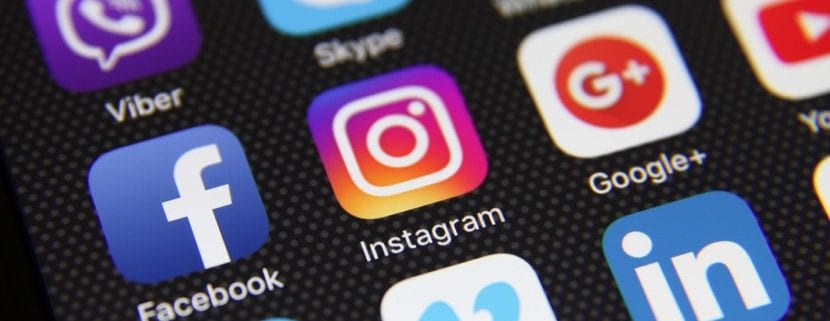
Why are social media best practices important? Social media has become a staple in our lives and popularity rules in this environment. It has become such an addiction that teens spend over 9 hours a day going through their social media pages. Social media is a tool that both individuals and businesses can manipulate to get the audience for their causes. Social media is a great tool for attraction marketing. Most business owners nowadays practice strategies aimed at optimization of social media platforms. Content displayed on social media platforms measures the response you get from your target audience just by the likes or dislikes you get.

We want you to get the most out of your social media platforms by enforcing these social media best practices. You will learn the secrets behind engaging and maintaining a media presence with loyal followers.

Social Media Best Practices

1. Keep an active presence

We all know that if you are inactive in social media in this digital world, you are irrelevant. Be active! Engage your audience, tell them about your brand story and show them snippets of what the brand represents. Remember however, not to disclose irrelevant information about your brand. There have been cases where too much information has overwhelmed audiences. It is important to explore all the possible avenues to let the world know why your brand is cool.

2. Keep interest

Now that you have gained a loyal following, show interest in your fans! When they reach out to you, follow back and always give personal feedback. This creation of goodwill will serve only to increase your brand’s following, earn you some popularity ratings, and maybe add revenue to your purse. Remember to thank your fans for keeping up with your venture. A brand based on humility and an understanding nature is always appreciated.

3. Concise please

We all love a good post, but if it is too long we get bored in the middle. According to a statistical review conducted on the strategies of effective tweeting, shorter tweets received 17% more following than long tweets. Although other sites do not limit your word count, you should keep in mind to pass your message in the intent you aimed it for.

4. Maintain your tone

What is your preferred tone, are you more of the serious, focused kind or the more casual faithful one. What message are you trying to pass along? Who is your demographic and what tone do you need to engage in to make them pay attention? You need to make them feel like they are part of your brand and your journey. Think about it.

To learn more about messaging read Share Your Message With A New Brand Strategy.

5. Know when to evoke silence

Sometimes media related war comes your way. It is crucial to identify which battles to fight and which ones to fold. You do not have to engage in all conversations involving your brand. If it’s a controversial topic that may not reflect the brand values, do not engage. Reviews have taken down businesses. Always try acting like “the gentleman” when it comes to social media.

6. Transparency helps

Honesty is the policy and the truth shall set you free. When it comes to social media, lies are a great faux pas. Remember that inclusion is important. Share live streams, create audios and videos that will help your followers stay in touch with brand your activities and updates.

7. Overshare faux pas

Please avoid being pushy or attending to the public’s frivolous whims. Remember that you cannot please everyone. Social media best practices call for precise, goal oriented messages. Posting too often mat look desperate and distracting.

8. Correct timing

Every social media platform has unspoken rules on when and how often to post. For Facebook, there is the famous, post twice a day rule depending on the number of followers. In Twitter, for maximum brand optimization, 1-5 tweets a day are efficient. If you are just looking for opinions, you can tweet till you fall. What usually matters in Instagram, is sticking to the consistency of the amounts you post. You cannot change from 10 posts a day to one in every two days and not see a drop in numbers.

All said and done, do have an interesting social media life and enjoy it to bits!

The power of social media marketing

benefits of seo

Benefits of SEO: How Optimizing Your Website Will Lead To Greater Results in 2017

By now, most marketers recognize that SEO is an important part of doing business online. To put it simply, if your website isn’t properly optimized, you are missing out. There are many reasons why you should start an SEO program if you haven’t already. SEO is a part of attraction marketing. Here are six of the top benefits of SEO.

More Website Traffic

Top positions in the search engines result pages lead to a lot more clicks, so ranking near the top can significantly increase the traffic coming to your website. According to research from Advanced Web Ranking, the top search result gets 30.1 percent of the clicks and over 50 percent of the clicks go to the top three results. Read more

The Connection Between Search Engine Marketing and Social Media: How They Go Hand-in-Hand to Enhance Results

It may not be surprising that search engine marketing is the greatest way to drive traffic to your website. In fact, take a look at your website analytics right now and I can almost guarantee that search engines are among the top five producers of website traffic. Now consider this: social media—overall content, interactions, and links about your brand—plays a significant part in the search engines’ algorithms to determine search ranking results. So, even if you have questioned using social media as part of your attraction marketing strategy before, I urge to you to look more closely at the impact you could make to your brand by getting involved in social to help your search engine results.

Obviously, the goal of search engine marketing is to help make your brand show up in top rankings within the search engines when people conduct queries. There are a few key actions that you can take to help make this happen. This includes:

  1. Making sure the backend code of your website is properly optimized
  2. Enhancing your website with current, relevant content—this is a significant factor in rankings
  3. Refreshing and updating your website content frequently
  4. Including more links from outside, reputable sources that link back to your website
  5. How often your website is shared in social media
  6. How often people visit your website from social media

Read more