Tag Archive for: marketing

Your Practical Playbook to Growing Through Digital Marketing

In today’s competitive landscape, a well-built digital marketing strategy is no longer optional—it is essential for sustainable growth. Businesses that take a structured, data- driven approach consistently outperform those that rely on disconnected tactics. At Steven’s and Tate, we have seen firsthand how the right mix of strategy, creativity, and analytics can transform marketing from a cost center into a growth engine.

This practical playbook will walk you through the essential steps to grow your brand through digital marketing—strategically, efficiently, and measurably.

1. Start with Strategy, Not Tactics

Too often, businesses jump straight into paid ads, social media posts, or email campaigns without defining clear goals. Growth begins with clarity.

A solid foundation includes:

• Clearly defined business objectives

• Audience research and persona development

• Competitive analysis

• Defined KPIs tied to revenue

Before launching campaigns, align your marketing with broader business goals. If your goal is lead generation, your tactics will differ from an eCommerce revenue-driving strategy.

2. Build a Conversion-Ready Website

Your website is your digital headquarters. Every campaign—paid, organic, social, or email—should lead back to a site improved for conversions.

Key essentials include:

• Clear messaging above the fold

• Mobile responsiveness

• Fast load speeds

• Strategic calls-to-action

• Landing pages aligned to campaigns

A beautiful website means little if it does not convert. Every page should guide users toward a measurable action.

3. Leverage Content as a Growth Engine

Content marketing fuels every part of your digital presence. SEO, email marketing, social media, and paid campaigns all rely on high-quality content.

Effective content should:

• Address customer pain points

• Answer high-intent search queries

• Demonstrate authority and trust

• Support each stage of the buyer journey

When executed properly, content builds organic traffic, nurtures lead and supports sales enablement.

4. Optimize for Search Visibilty  (SEO)Improve SEO 1

Search engine optimization ensures your audience can find you when they need you most.

Your SEO playbook should include:

• Keyword research aligned to user intent

• On-page optimization (titles, headers, meta descriptions)

• Technical SEO improvements

• Link-building strategies

• Ongoing performance tracking

SEO is not a one-time effort; it is a long-term growth investment. Companies that consistently optimize outperform competitors in visibility and authority.

5. Amplify with Paid Media

Organic growth builds authority—but paid media accelerates results.

Effective paid campaigns require:

• Audience targeting precision

• Compelling creative

• Conversion-focused landing pages

• Ongoing A/B testing

• ROI analysis

Paid search, display, and social advertising can quickly generate traffic and leads when aligned with your larger digital marketing strategy.

6. Nurture Leads Through Email Marketing

Email is still one of the highest-ROI digital channels.

To maximize performance:

• Segment your lists

• Personalize messaging

• Automate nurture sequences

• Test subject lines and CTAs

• Monitor engagement metrics

An integrated CRM and automation system allows you to move prospects through the funnel efficiently while supporting personalized communication.

7. Use Data to Drive Continuous Growth

The most successful brands treat marketing as a cycle of testing, learning, and optimizing.

Track:

• Traffic sources

• Conversion rates

• Cost per acquisition

• Customer lifetime value

• Engagement metric

Regular reporting and analysis allow you to double down on what works and eliminate inefficiencies.

At Steven’s and Tate, data is not just reporting—it is a roadmap for smarter decisions and scalable growth.

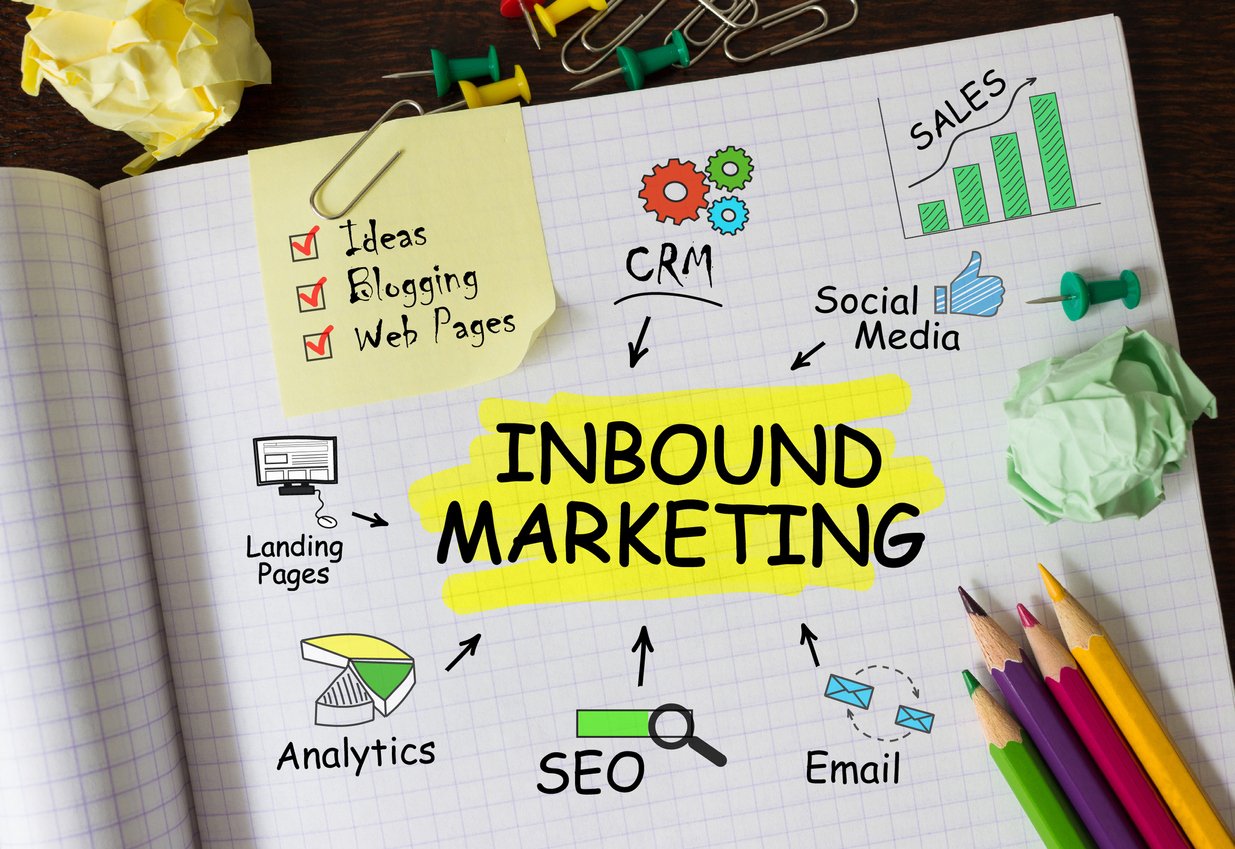
8. Integrate Your Marketing Channels

Digital marketing performs best when channels work together—not in silos.

For example:

• SEO supports content strategy

• Content fuels social media• Social drives email signups

• Email nurtures leads

• Paid media accelerates everything

Integration ensures consistent messaging and maximizes ROI across every touchpoint.

Digital Marketing Strategy FAQs

What is a digital marketing strategy?

A digital marketing strategy is a plan that outlines how a business uses online channels—such as search engines, social media, email marketing, and paid advertising—to achieve goals like increasing website traffic, generating leads, or driving sales.

Why is digital marketing important for business growth?

Digital marketing helps businesses reach targeted audiences online, improve brand visibility, generate qualified leads, and measure performance through data and analytics.

How long does it take to see results from digital marketing?

Results depend on the tactics used. Paid advertising can generate traffic quickly, while strategies like SEO and content marketing typically take several months to build sustainable growth.

What metrics should businesses track in digital marketing?

Common metrics include website traffic, conversion rates, cost per acquisition (CPA), and engagement metrics such as email open rates and click-through rates. Tracking these helps businesses evaluate performance and optimize campaigns.

Final Thoughts: Growth Is Intentional

Digital growth doesn’t happen by accident. It requires planning, execution, measurement, and refinement. A cohesive digital marketing strategy aligns every tactic with your broader business objectives and creates a scalable path forward. Whether you’re refining your current efforts or starting fresh, the key is consistency and strategic alignment. By following this practical playbook—and leveraging expert insights from Steven’s and Tate—you can transform your marketing into a measurable driver of long-term business growth.


Website Redesign Checklist
New call-to-action

Turning Paid Media into a Reliable Source of High-Intent Leads

In today’s competitive digital landscape, a well-structured pay per click strategy can be the difference between unpredictable marketing spend and a steady flow of qualified prospects. When executed correctly, paid media does not just drive traffic—it attracts high-intent leads who are actively searching for solutions. At Steven’s & Tate, we help brands transform paid media from a cost center into a consistent, measurable growth engine.

The Problem with Most Paid Media Campaigns

Many organizations invest in paid search, social ads, and display campaigns expecting immediate results. While traffic may increase, conversions often lag expectations. Why? Because clicks alone do not equal intent.

Common challenges include:

• Targeting audiences too broadly

• Focusing on volume over qualification

• Misaligned messaging between ads and landing pages

• Poor tracking and unclear attribution

Without a strategic framework, even a sizable ad budget can produce inconsistent results.

Understanding High-Intent Leads


High-intent leads are prospects who are actively searching for a solution, comparing

providers, or ready to take action. They:

• Use specific, bottom-of-funnel search terms

• Engage deeply with content

• Spend more time on landing pages

• Convert at higher rates

The goal is not to attract everyone; it is to attract the right ones.

A refined pay per click strategy focuses on finding and prioritizing these signals of intent,

ensuring marketing dollars are spent where they matter most.

Building a Reliable Paid Media Foundation

Turning paid media into a predictable lead source requires a structured approach.

1. Start with Intent-Driven Keyword Research

High-performing campaigns begin with understanding search behavior. Instead of targeting broad terms, focus on:

• Commercial-intent keywords (e.g., “pricing,” “consultation,” “services near me”)

• Long-tail queries that indicate decision-stage research

• Competitor comparison searches

These keywords may have lower volume, but they typically convert at a higher rate— making them more cost-efficient in the long run.

2. Align Messaging with Buyer Stage

Your ads must speak directly to where the user is in their journey.

• Awareness stage: Educational content and value-driven messaging

• Consideration stage: Case studies, differentiators, comparisons

• Decision stage: Clear calls to action, limited time offers, consultations

At Steven’s & Tate, we emphasize message consistency from ad to landing page to follow- up email. Alignment builds trust and improves conversion rates.

3. Optimize Landing Pages for Conversion

Driving the right traffic is only half the equation. Converting that traffic requires:

• Clear, benefit-focused headlines

• Concise supporting copy

• Social proof (testimonials, certifications, case studies)

• Prominent, frictionless calls to action

A strong pay per click strategy always includes ongoing landing page testing. Even small adjustments—like simplifying a form or refining a headline—can significantly increase lead volume and quality.

Leveraging Data for Predictability

Paid media becomes reliable when decisions are data-driven rather than reactive.

Track the Right Metrics

Clicks and impressions are surface-level metrics. To generate high-intent leads consistently, focus on:

• Conversion rate

• Cost per qualified lead

• Lead-to-opportunity ratio

• Return on ad spend (ROAS)

Understanding these metrics allows you to refine targeting and allocate budget strategically.

Use Audience Segmentation

Modern paid platforms allow advanced segmentation based on:

• Past website visitors

• CRM lists

• Engagement behavior

• Lookalike audiences

Retargeting campaigns are powerful for capturing high-intent prospects who previously interacted with your brand.

Steven’s & Tate integrate audience insights with broader marketing strategies to create cohesive, full-funnel campaigns that drive measurable growth.

Balancing Automation with Human Strategy

Automation tools in paid media platforms are more advanced than ever. Smart bidding, automated targeting, and AI-driven recommendations can improve efficiency.

However, automation works best when guided by human expertise.

A successful pay per click strategy balances:

• Automated bid adjustments

• Manual keyword refinement

• Ongoing A/B testing

• Strategic budget allocation

Without strategic oversight, automation can scale inefficiencies just as quickly as successes.

Integrating Paid Media with the Broader Marketing Ecosystem

Paid media should not operate in isolation.

To create a dependable source of high-intent leads, integrate campaigns with:

SEO initiatives

• Content marketing efforts

• Marketing automation workflows

• Sales team feedback loops

For example, search term data from paid campaigns can inform organic content creation. Meanwhile, sales insights can refine targeting criteria to focus on leads most likely to close.

At Steven’s and Tate, we approach paid media as one component of a comprehensive marketing ecosystem—ensuring every channel supports the same growth objectives.

Continuous Testing and Optimization

No campaign should remain static. Markets shift, competitors adjust, and customer behavior evolves.

Key areas to test regularly include:

• Ad copy variations

• Keyword match types

• Audience segments

• Landing page layouts

• Offer positioning

Even high-performing campaigns benefit from ongoing refinement. Incremental improvements compound over time, leading to sustained performance gains.

Budget Allocation for Long-Term Stability

Many companies make the mistake of pulling back on paid media during short-term performance dips. However, sustainable success requires consistency.

Instead of fluctuating budgets dramatically:

• Maintain baseline funding for high-performing campaigns

• Allocate experimental budgets for new audiences or messaging

• Reinvest in top-converting keywords

This disciplined approach transforms paid media from a reactive tactic into a strategic asset.

The Steven’s & Tate Approach

At Steven’s & Tate, we believe that reliable lead generation begins with strategic clarity.

Our methodology focuses on:

• Deep audience research

• Intent-focused keyword strategy

• Conversion-optimized landing experiences

• Transparent reporting and analytics

• Continuous performance optimization

By aligning paid media with business objectives, we help brands generate not just more leads—but better leads.

Final Thoughts

Turning paid media into a reliable source of high-intent leads does not happen by accident. It requires a disciplined pay per click strategy, intentional targeting, compelling messaging, and ongoing optimization.

When executed strategically, paid media becomes more than a traffic driver—it becomes a predictable engine for growth. With the right ability and a data-driven framework, organizations can confidently invest in campaigns that consistently attract prospects ready to act.

The Psychology Behind Color Choices in Branding and Marketing

Color is one of the most powerful and underestimated tools in branding and marketing. Long before consumers read a slogan or understand a product’s features, they feel something often because of color. In fact, studies show that people form subconscious judgments about a brand within seconds, and color plays a key role in that decision. This is why color choices in marketing play a critical part of any emotional branding strategy. Helping brands connect with audiences on a deeper, psychological level. Learn how Stevens & Tate helps brands build deeper connections through integrated marketing and design—where color, messaging, and brand experience all work together to tell a cohesive story.

Why Color Psychology Matters in Branding and Marketing

Branding and Color psychology explore how distinct colors influence human emotions, behaviors, and feelings. In branding, the goal is not just to look attractive but to communicate values, personality, and trust instantly.

An effective emotional branding strategy uses color to:
  •  Evoke specific feelings (comfort, excitement, confidence)
  •  Shape brand perception
  • Increase brand recognition
  • Influence purchasing decisions

When color aligns with brand identity, it strengthens emotional bonds and builds long-term loyalty. When it is misaligned, it can create confusion or even distrust. This is why leading agencies like Stevens & Tate do not treat color as a purely aesthetic choice. Instead, they approach color as a strategic tool-one that supports brand positioning, audience psychology, and long-term marketing goals.

Understanding Emotional Responses to Color

Here’s how different colors play key roles in emotional responses:

1. Primary Colors and Their Psychological Impact

Primary colors such as red, yellow, and blue are incorporated for different goals; for instance:

  • Blue conveys trust, intelligence, and unmatched stability. Plus, it’s widely used by various professional service brands that want to signal top-notch reliability and authority among the audience.
  • Red is usually considered a timeless color for urgency, passion, and boundless excitement, helping drive a certain action along with higher emotional intensity.
  • Yellow represents a perfect balance of optimism and warmth, creating feelings of both friendliness and accessibility at once.

Moreover, these colors become way more effective when combined into highly cohesive emotional branding strategies that prioritize aligning high-quality visuals with messaging and customer experience in the long run.

Color Consistency and Brand Recognition

Consistency is key. Using the same color palette across logos, websites, packaging, and advertisements increases brand recognition and reinforces emotional responses over time. When consumers repeatedly associate certain colors with a brand experience, those colors become emotional triggers. Instantly recalling trust, excitement, or comfort tied to the brand. Strong brands do not just choose colors, they own them. That ownership is built through consistent, strategic use across every touchpoint. This is a key pillar of both brand color psychology and effective emotional branding in marketing.

How to Choose the Right Colors for Your Brand

To develop an effective emotional branding strategy through color:
  • Define your brand personality and values
  • Understand your target audience’s emotions and expectations
  • Research competitors and industry standards
  • Test color combinations for emotional impact
  • Maintain consistency across all platforms

Color is far more than a visual choice it is a psychological tool that shapes feelings and drives emotional connection. When used thoughtfully, color strengthens brand identity, builds trust, and influences consumer behavior. By integrating color psychology into an emotional branding strategy, brands can create meaningful, lasting relationships with their audiences and stand out in an increasingly competitive market. This is exactly where Stevens & Tate excels. Through integrated marketing and design, they help brands ensure that color, content, and strategy work together to create stronger emotional connections and more meaningful brand experiences.

The Role of Color Beyond Aesthetics

Color psychology is broken down into specific emotional impacts. For example, blue is linked to trust and dependability, while green is used to stand for feelings of peace, harmony, and growth. A brands color choice does not just change the aesthetic of its website design . It affects how customers are going to remember that brand and what they are going to associate that company with. By integrating color psychology in branding into a broader emotional branding strategy, companies can move beyond looking good to actually feeling right to their audience. With the guidance of partners like Stevens & Tate, brands can build deeper connections through integrated marketing and design, turning every color, message, and experience into an opportunity to stand out in a crowded market.

Final Thoughts

Mostly, a color is where psychology meets strategies that actually work. Plus, it also shapes how brands are felt, remembered, and even trusted in real-time, not only in presentations. That’s why, with purpose and expert-led planning such as Stevens & Tate Marketing’s brand development services, color becomes a powerful tool for building as well as nurturing emotional connection and long-term growth for brands.

Ready to build a brand that effortlessly endures, resonates, and inspires? Then, partner with Stevens & Tate Marketing today to develop a strategic, emotion-driven branding approach that truly transforms colors into long-lasting brand equity!

FAQ’s 

1. How does color influence emotional branding strategy?

Color simply triggers subconscious emotional responses that eventually help brands create instant connections before logic or messaging can even take effect.

2. What role does color play in sustaining emotional brand equity?

Consistent, meaningful color incorporation helps build trust, familiarity, and long-term emotional recognition over time.

3. Can color choices impact brand credibility?

Yes, professional color palettes, when used consistently, boost perceived authority and trustworthiness among the audience.

4. Why do leading brands avoid frequent color changes?

Frequent changes can easily disrupt overall emotional memory and even weaken brand recognition in the long run.


Website Redesign Checklist
New call-to-action

Why Customer Experience Is the New Marketing Strategy

In today’s saturated market, traditional marketing methods are no longer enough to capture and retain customer attention. Modern consumers expect more than catchy slogans or one-size-fits-all campaigns—they crave personalized, seamless, and memorable experiences across every touchpoint. That’s why forward-thinking brands are shifting their focus from messaging to experience. In other words: customer experience (CX) has become the new marketing strategy.

Consumers today are more empowered than ever. With instant access to information, reviews, and competitive options, they expect brands to understand their needs and anticipate their preferences. A disconnected or generic interaction can quickly send them elsewhere. As a result, companies must think beyond individual campaigns and consider how every interaction contributes to the overall brand perception.

This shift requires a strategic mindset—one that integrates marketing, technology, service, and operations into a cohesive experience. At Stevens & Tate, this holistic approach is central to building marketing strategies that don’t just attract attention, but sustain engagement and loyalty over time.

From Product to Experience

Not long ago, marketing was primarily about showcasing product features and outshouting the competition. But as Oracle explains, customer experience encompasses every interaction a consumer has with a brand—before, during, and after a purchase. It’s not just about making a sale; it’s about creating value at every step of the journey. (Oracle, What is CX?)

Today, that journey is rarely linear. Customers may discover a brand through social media, research on a mobile device, compare options online, and complete a purchase in-store—or vice versa. Each touchpoint shapes expectations and influences decision-making. Brands that focus solely on product messaging risk overlooking the broader journey that ultimately determines loyalty.

This shift is especially critical in industries where competitors offer similar products or services. In such cases, CX becomes a key differentiator. A faster checkout process, a helpful chatbot, or a personalized follow-up email can be the reason a customer returns—or walks away.

Beyond convenience, emotional resonance plays a powerful role. Customers remember how easy an experience felt, how quickly their concerns were addressed, and whether a brand demonstrated genuine understanding. Stevens & Tate works with brands to align creative storytelling with operational excellence—ensuring that the promise made in marketing is consistently delivered in practice.

When experience becomes the priority, marketing evolves from a promotional function into a relationship-building engine.

Why CX Drives Growth

Customer experience isn’t just about delight—it’s about driving measurable business results. According to the Forbes Communications Council, brands that embed CX into their marketing strategies see improved customer loyalty, increased retention, and stronger word-of-mouth. With customer acquisition costs rising, those outcomes are more important than ever.

A seamless experience reduces friction, shortens sales cycles, and increases conversion rates. It encourages repeat purchases and strengthens brand trust. Over time, these improvements compound—resulting in stronger lifetime value and more predictable revenue streams.

In fact, satisfied customers are 5x more likely to repurchase and 4x more likely to refer a friend. A well-crafted experience not only retains customers but also turns them into advocates, amplifying your marketing efforts organically.

Retention has become one of the most valuable growth drivers in modern marketing. Acquiring new customers requires significant investment, but nurturing existing relationships delivers sustained returns. By embedding CX into strategy and execution, agencies like Stevens & Tate help brands connect performance metrics directly to customer satisfaction and loyalty outcomes.

Strong CX also builds resilience. In competitive markets or uncertain economic conditions, brands that consistently deliver value and reliability maintain customer trust—an asset that cannot be easily replicated by competitors.

Integrating CX Into Your Marketing Strategy

To effectively make CX the backbone of your marketing, consider the following steps:

  • Map the Customer Journey: Understand your audience’s experience from the first touchpoint to post-purchase interactions. Identify pain points and opportunities to improve.
  • Use Data to Personalize: Leverage customer data to tailor messages, content, and offers. Personalization creates relevance, and relevance builds trust.
  • Break Down Silos: Align marketing with customer service, sales, and operations. A seamless experience requires internal collaboration.
  • Listen and Adapt: Use customer feedback to refine messaging and improve products or services. CX is not static—it evolves with expectations.

By combining strategy, creativity, and data-driven insights, Stevens & Tate helps organizations transform CX from an abstract concept into a measurable, scalable growth framework.

Read More: How to Create Cohesive Customer Jouneys 

CX Is the Future of Marketing

Customer experience isn’t a buzzword or a trend—it’s a strategic imperative. As brands strive to stay relevant and competitive, those that prioritize CX will be the ones that thrive. In a world where consumers have endless choices, the experience you deliver might just be your most powerful marketing asset.

As expectations continue to rise, the brands that succeed will be those that treat every interaction as an opportunity to build trust. Experience-led marketing fosters deeper relationships, stronger advocacy, and sustainable growth.

Ultimately, marketing is no longer just about communicating value—it’s about consistently delivering it. When CX becomes central to strategy, organizations move beyond transactional thinking and toward long-term relationship building. With the right expertise and integrated approach, brands can turn customer experience into their most meaningful competitive advantage.

Read More: How to Create A Seamless, Omnichannel CX 

hiring a full service advertising agency

Five Reasons To Hire An Advertising Agency Versus Staffing In-House

Marketing and advertising are essential for the success of any business. As your company grows, you will eventually be faced with the difficult decision of whether to build your own marketing group or to outsource to an advertising agency. Here are five benefits to hiring a full-service advertising agency. Read more

The Rising Importance of Conversational Search Marketing

Search marketing has long been a primary focus in the marketing strategies of many businesses. A strong SEO strategy still increases website visibility and drives organic traffic. However, search behavior has evolved dramatically. We are no longer optimizing only for typed queries or simple “Hey Siri” voice commands.

Today, users engage in full conversations with AI-powered systems. Tools like ChatGPT, Google Search Generative Experience (SGE), Perplexity AI, Amazon Alexa, and Apple Siri are reshaping how people find information. Instead of typing fragmented keywords or asking one-off questions, users now ask layered, contextual questions and expect direct, conversational answers.

As a result, businesses must shift from traditional “voice search optimization” to optimizing for Natural Language Processing (NLP) and AI-powered answer engines. At Stevens & Tate Marketing, we see this as the next evolution of search marketing: preparing your content not just to rank — but to be selected, summarized, and trusted by AI systems.

Why Conversational AI Optimization Is So Important?

Search Has Become Dialogue

Voice search was once about convenience. Now, it’s about conversation. Users no longer ask, “plumber Detroit.” They ask, “Who’s the best-rated emergency plumber near me that can come tonight?”

AI systems interpret context, intent, location, previous questions, and nuance. That means your content must do more than include keywords — it must demonstrate authority, clarity, and relevance.

AI Answer Engines Reduce Clicks

With AI-generated summaries appearing directly in search results, users often receive answers without clicking through to a website. If your content isn’t structured for AI extraction, your visibility drops — even if your rankings remain strong.

Optimizing for AI answer engines ensures your brand becomes part of the summarized response.

NLP Prioritizes Meaning Over Keywords

Modern search engines rely on Natural Language Processing to understand meaning, sentiment, and relationships between concepts. This means:

  • Context matters more than repetition

  • Authority outweighs keyword density

  • Structured, well-organized content performs better

Businesses that fail to adapt risk losing visibility in an AI-driven search landscape.

How to Optimize for Conversational AI and NLP

Write for Natural Language and Clarity

Conversational AI thrives on content that mirrors how real people speak and ask questions. Instead of writing stiff, overly optimized paragraphs, create content that flows naturally and answers questions clearly and directly.

Focus on:

  • Clear explanations

  • Concise answers

  • Logical structure

  • Simple, human language

Think in terms of “Would an AI confidently quote this?”

As search continues to evolve, businesses must move beyond traditional keyword strategies and begin optimizing for AI-driven answer engines. Today’s platforms don’t just index pages — they interpret, summarize, and recommend content based on context, authority, and structure.

For companies looking to stay competitive, including clients of Stevens & Tate Marketing, this means building content that is clear, intentional, credible, and technically sound.

Structure Your Content for AI Extraction

AI systems prioritize content that is easy to interpret and summarize. If your information is clearly organized, you increase the likelihood that it will be featured in AI-generated responses.

Start by using descriptive headers that reflect real user questions. Provide direct, concise answers immediately beneath those headers so both users and AI platforms can quickly identify key takeaways. Keep paragraphs short and scannable, and incorporate bullet points where appropriate. Clearly define important terms within the context of your topic, and include FAQ sections that mirror the way people naturally ask questions.

Well-structured content not only improves readability but also improves your chances of being referenced by AI answer engines.

Focus on Intent Rather Than Just Keywords

The shift from voice search to conversational AI means long-tail keywords alone are no longer enough. Modern search systems evaluate the intent behind a query — not just the words used.

When developing content, consider whether your audience is researching a topic, comparing solutions, preparing to make a purchase, or searching for a local provider. Build content around these stages of the customer journey instead of creating isolated pages targeting single phrases.

AI platforms assess topic depth and overall authority. The more comprehensively you address a subject, the more likely your brand is to be recognized as a trusted resource.

Establish Authority and Build Trust

Credibility plays a major role in whether AI systems surface your content. Brands that consistently publish high-quality, accurate, and insightful material are more likely to be referenced in generated summaries.

To strengthen authority, publish original insights and thought leadership. Reference reputable sources when appropriate, and ensure your content is kept current. Highlight your industry expertise and experience, and consider including author credentials on educational or in-depth pieces.

At Stevens & Tate Marketing, we emphasize that authority is not built through volume alone — it’s built through consistency, expertise, and value.

Optimize for Local Conversational Searches

Local search remains essential, but user behavior has changed. Instead of typing short phrases, people now ask detailed questions such as, “Who is the best B2B marketing agency near me with experience in manufacturing?”

To stay competitive, ensure your Name, Address, and Phone information is consistent across all directories. Fully optimize your Google Business Profile, create location-specific service pages, and encourage customer reviews. Adding conversational, locally focused FAQ content can further increase your visibility in both traditional and AI-generated results.

Maintain Strong Technical SEO Foundations

Even in an AI-powered landscape, technical SEO remains critical. AI systems favor websites that are mobile-friendly, fast-loading, secure, and easy to crawl.

A responsive, mobile-first design ensures accessibility across devices. Fast load speeds improve both user experience and search visibility. Structured data markup helps search engines better understand your content, while clean site architecture supports efficient crawling and indexing.

Learn more about keywords and SEO: Are Keywords Still Required To Increase SEO Rankings?

The Future of Search Is AI-Driven

Search is no longer just about ranking on page one. It’s about becoming the trusted source AI platforms choose to reference.

The shift from voice search to conversational AI represents a fundamental change in digital marketing. Businesses must think beyond keywords and optimize for:

  • Context

  • Intent

  • Authority

  • Structure

  • Trust

At Stevens & Tate Marketing, we help brands evolve their search strategies to compete in this AI-powered environment. By combining SEO best practices with NLP-driven content development and answer engine optimization, businesses can maintain visibility — even as search continues to transform.

The future isn’t simply voice search. It’s intelligent, conversational search. And the brands that adapt now will lead the next era of digital discovery.


Marketing Blog

Digital Marketing Changed By Visual Search

Search marketing is constantly evolving, requiring businesses to adapt their digital marketing tactics or risk falling behind. Search engines continually refine their algorithms, often requiring SEO strategies to adjust accordingly. At the same time, new forms of search continue to emerge. While voice search has become more common, visual search is advancing rapidly and reshaping how consumers discover products and information online.

Visual search has grown into a powerful tool within the digital landscape. As consumers become increasingly reliant on smartphones and visual content, searching with images is becoming a natural extension of everyday online behavior. With that in mind, visual search should be considered an important component of modern digital marketing strategies.

Visual search is exactly what it sounds like — performing a search on the web using an image rather than text. While this may seem less practical on a desktop or laptop, it makes perfect sense on mobile devices. Consumers can simply take a picture using their smartphone camera of a product in-store or an object they encounter and instantly search for related information online.

If a company has optimized its content for visual search, users can quickly access product details, pricing, reviews, or similar items. Visual search is not limited to retail products, either. Someone might take a photo of a plant to identify it, snap a picture of furniture to find similar styles, or capture an outfit to discover where to purchase it. The possibilities continue to expand as technology improves.

What are the Benefits of Visual Search?

Brands that offer highly visual products have the most to gain from implementing visual search. Industries such as fashion, home décor, art, food, animals, and automotive naturally align with image-based discovery. However, nearly any brand can benefit from optimizing visual content.

Below are several advantages of incorporating visual search into your digital marketing strategy:

Improve the shopping experience

Visual search enhances the shopping journey by making product discovery faster and more intuitive. Instead of typing detailed descriptions into a search bar, users can upload or capture an image to find similar products instantly.

This simplifies comparison shopping and allows customers to explore alternative styles, colors, or price points. Retailers can also use visual data to provide personalized recommendations based on the visual characteristics customers engage with most. The result is a smoother, more personalized shopping experience that can improve satisfaction and conversion rates.

While many businesses monitor social media for mentions, but fewer leverage visual search to analyze how their brand appears in images across platforms. Visual monitoring allows companies to track logos, packaging, and product placements in real-world settings.

This type of insight can uncover unexpected trends, customer behaviors, or creative uses of products. Brands can then capitalize on these discoveries through targeted campaigns, user-generated content initiatives, or new product ideas. Visual search provides another layer of market intelligence that text-based monitoring alone may miss.

Identify influencers Digital_Marketing2

Building relationships with brand influencers is an effective way to gain access to large target audiences. However, discovering the right influencers can be challenging when relying only on text-based searches.

Because many influencers communicate primarily through visual content, image-based search tools can help brands find creators who feature relevant products or aesthetics. This approach often leads to more authentic partnerships by identifying individuals who are already organically aligned with the brand’s visual identity.

Engage users more effectively

People process and respond to visuals faster than text. By optimizing images for search and making visual discovery seamless, brands can engage users in a more natural and compelling way.

Visual search encourages interaction, exploration, and discovery. The ability to capture an image and receive instant results keeps users engaged and increases the likelihood of continued brand interaction. Strong visual content can also support higher conversion rates by reducing friction in the buyer journey.

Attract more mobile users

Mobile usage continues to dominate digital behavior, and visual search is inherently mobile-centric. Smartphones and tablets make it easy for users to snap photos anytime and anywhere.

Because visual search aligns so naturally with mobile functionality, it presents a strong opportunity for brands looking to attract and retain mobile users. Optimizing images, improving mobile site speed, and ensuring product visuals are high quality all contribute to stronger performance in visual search environments.

Final Thoughts

Visual search continues to grow in importance as consumer behavior shifts toward faster, more intuitive forms of online discovery. The ability to search using images enhances user experience, supports personalized engagement, and opens the door to new marketing insights.

If your business offers visually driven products or services, now is the time to consider how visual search fits into your broader digital marketing strategy. Brands that prioritize visual optimization today will be better positioned to meet evolving consumer expectations and stay competitive in an increasingly image-focused digital world.


30 Greatest Lead Generation Tips
user generated content

Sourcing User Generated Content

One source of content generation you may not have tapped into yet is user-generated content. Content marketing is a critical component of any successful marketing strategy. However, it can take a lot of resources to produce your own content on a regular basis. Even if you’ve managed to regularly generate high-quality content, you should look for other ways to create new content for variety’s sake, such as high quality user generated content.

What Is User-Generated Content?

User-generated content refers to content created by consumers and not brands. Such content includes videos, pictures, reviews, articles, and more. For instance, if a consumer takes a picture of themselves using your product and posts it on Instagram, that’s user-generated content. The following are just a few of the benefits of user-generated content:

  • Free publicity

Your audience is essentially promoting your brand on your behalf. As a result, user-generated content can help increase brand awareness.

  • Free content

Creating your own content requires a lot of resources. User-generated content requires none — your audience is creating the content for you. While you don’t own it, you can share it and reap the benefits of it.

  • Positive word of mouth

Customers trust other customers more than they trust brands. Positive user-generated content can, therefore, help to boost your brand reputation by creating trust.

How To Source Usable Generated-Content

Considering how beneficial this free content can be, you’ll want to do everything you can to encourage it. However, the biggest challenge lies in the lack of control you have over the content. You can’t control the message, format, or quality, after all. But there are a few ways that you can guide your audience to create the content that will benefit you most. The following are a few tips on how to source high-quality user-generated content:

  • Encourage 

Don’t just wait for your audience to create content relevant to your brand. You need to encourage it. For instance, hold a contest on social media in which users vote on the best submission. You can then give the winner a prize. There are many ways that you can encourage content generation.

Utilize Marketing Audiences on Pinterest Today

  • Provide clear guidelines

If you’re looking for a specific type of content, then you need to provide guidelines. For example, if you want user reviews, consider providing a basic review format. Such a format could list three broad questions that users can answer in order to generate a review.

  • Provide content creation tips

Your audience does not consist of professional content creators. As such, provide tips that they can use to create higher quality content. For instance, if you’re holding a video creation contest on YouTube or on Instagram, provide your users with a list of basic filming tips. Such tips can help cut down on the amount of poor quality content that you might receive.

  • Offer an example

If you’re looking for a specific type of content, then provide an example. When users see what you’re looking for, it will help them create the kind of content you want. For instance, if you’re hosting a picture taking contest, upload a few pictures of your own that would be considered exceptional examples. By providing an example, you also make sure that users understand your instructions more clearly.

  • Identify the channel

Make sure that your audience knows where to send it. The last thing you want is users posting their content on different platforms or sending it to you via different channels. If you’re promoting a contest, specify what platform they should post to or what hashtag they should use. Provide detailed instructions on how to submit content. By making it clear what channel you’re using, it will be easier for you to track and organize user-generated content.

  • Open a line of communication

Provide a channel through which your audience can contact you. This channel should be specifically for users who are creating content. You can do this by providing a specific support email address, a phone number, or a page they can DM on social media.

  • Monitor performance

Track how the content users create for your brand is performing. By doing so, you can identify what types are the most effective. You can then adjust your guidelines and instructions to encourage the creation of that type of content.

Enhance your Strategy Today

User-generated content can go a long way towards boosting brand trust. Not to mention that it’s a great way to expand your content marketing strategy. As such, make sure that you encourage the creation of high-quality user content. You can do this by providing your audience with general guidance and encouragement to drive effective user-generated content creation.

25 Website Must Haves

The Strategic Difference Between Branding and Marketing and How They Work Together

People often use branding and marketing interchangeably, but the two are distinctly different. Knowing how they differ is crucial to executing specific campaigns with branding or marketing goals.

Neil Patel says that “where marketing ends, branding begins.” The implication is that branding and marketing are crucial to your business’ success. So, don’t emphasize one at the expense of the other. This guide explores how they are distinct and how to leverage both to gain a competitive edge.

What is Branding?

Branding entails shaping your business identity. It gives your business character and provides a complete narrative of what you offer your customers, why you do it, and where it leads. It also entails defining your target audience, how you communicate to them, and the meaning it adds to their experience with your business.

While you can visually represent your brand through visual elements like your color palette, logo, and fonts, your brand is generally the overall experience you deliver to your customers. Think of it this way:

  • Coca-Cola is more than just soda
  • Starbucks is more than just coffee
  • Nike is more than just sportswear
  • Apple is more than just computers

These brands deliver experiences in addition to the products you buy. The brands know the experience their customers want to have when they consider a purchase. So, they continually invest in brand marketing to cultivate their brands.

How to Determine Your Business Brand?

The practice of shaping your brand identity requires that you clearly define the following:

  • Your business’s core values and principles: What matters most to your company? What are you committed to, such as saving the world with eco-friendly strategies or equality for all customers?
  • Your mission statement: Apart from making money, what else do you want to accomplish with your business?
  • Customer experience: What feelings do you want to inspire in your customers when they interact with your business?
  • Your unique selling proposition: How can you deliver something different from your competitors?
  • Your brand personality: What language do you use with your customers? Is the tone fun, intelligent, creative, or casual?
  • How do you highlight the right ideas: What comes to mind when customers hear your business name, and what do they associate it with?

Your brand tells your customers what they can expect from your business. It gives them a glimpse into what to expect when interacting with your services and products. With a clearly defined brand, you gain more clarity and direction for your marketing activities.

What is Marketing?

Marketing is a mix of activities and tactics you undertake to promote your brand, products, or services. The actions communicate your company’s benefits and what it offers, different from your competitors. The primary goal of the activities is to generate interest and influence the audience to buy from you instead of the competition.

The greater focus of marketing is sales rather than branding. The activities have a shorter timeframe, also known as marketing campaigns. Marketing strategies have a call to action to buy or take a step towards a purchase.

Examples of marketing activities include the following:

  • Search engine optimization
  • Social advertising
  • Content promotion
  • Promotional emails
  • Pay-per-click advertising
  • Print campaigns and direct mail

The Difference Between Branding and Marketing Strategy

Your brand is your business culture, the message you send to your audience about your business. It also entails the rules that govern your business. On the other hand, marketing is a set of processes and tools to promote your brand. It uses social media, SEO, mobile, traditional marketing, and local search marketing tools. If branding is the author, marketing is the publisher.

Your business needs a brand to differentiate itself from the competition. However, even the strongest brand can only succeed by constantly marketing itself, demonstrating its unique selling proposition to its target audience.

Other highlights of the differences between marketing vs branding strategies are:

  • Branding comes before marketing
  • Marketing boosts sales, while branding enhances customer loyalty
  • Marketing is the bait that attracts your audience’s attention, while branding is the glue that keeps it intact
  • Marketing strategies are dynamic and keep changing, but your branding is there to stay
  • Branding impacts your business internally and externally, but marketing is more of an external factor

How Branding and Marketing Strategy Work Together?

In recent years, there has been an emphasis on the importance of customer experience in branding. It shifts the focus from design elements associated with the brand, such as the company logo, color palette, or messaging.

Once your target audience sees your logo, they may be intrigued or feel a connection to your brand. However, you must do more to generate interest in the customer for them to purchase. That’s where marketing comes in.

While marketing and branding are two distinct components of your business, they rely on each other. Depending on how you apply them together, they can contribute to the success of your business.

Your brand marketing strategies will benefit from having a solid brand at the beginning. The marketing efforts can focus on highlighting what makes your brand unique. As people become familiar with your brand and what it stands for, they can identify with your brand marketing message. A good branding strategy sets up your marketing campaign for success.

Blending Your Branding and Marketing Strategies

Both branding and marketing strategies need your attention to help your business succeed. Creating a solid brand early in business life is beneficial in creating clear and consistent brand characteristics. Then, it becomes less stressful to develop brand marketing strategies to take the business to the next level.

Both branding vs marketing strategies are more than one-off events and require ongoing effort. A professional brand strategy agency can work with you to fine-tune your strategies. Steven & Tate is a branding and marketing company that can help you blend your branding and marketing for overall business success. Talk to our experts to learn more.
 

What’s Trending in Marketing of June 2024

Welcome to our June 2024 edition of “What’s Trending,” where we bring you the most relevant marketing trends and insights. Stay informed and ahead of the game with our curated collection of marketing trends and reports in summer 2024.

X Eliminated “Likes”

Social media platform X has removed public “likes.” While users will still be able to see what posts they have liked, and they will be able to see what users liked their posts, they will not be able to look at the posts that other users have liked. Read more.

Airheads’ Underwater Vending Machine

In an effort to have more adults get in pools and enjoy swimming this summer, Airheads invented an Underwater Vending Machine that is the first-of-its-kind. The vending machine’s air propulsion system allows it to dispense candy while it is fully immersed in water. The machine accepts “fun” to pay for the Airheads in lieu of cash. Read more.

Amazon to Quit Using Plastic Air Pillows in Packaging

Amazon has already substituted recycled paper for over 90% of the inflated plastic bags used in their delivery boxes, and intends to cease using them all together by the end of 2024. This switch to using recycled paper will save almost 15 billion plastic air pillows per year. Amazon first tested this swap in Europe in 2022. Read more.

Improving Your Marketing Program

How to Incorporate Email Marketing into B2B Campaigns

Learn how to successfully implement B2B email marketing. These 7 B2B email marketing tips will help you stand out from the competition and generate more leads. Read more.

Discover the free SEO tool, Google Trends, where marketers can get their finger on the global pulse. Learn 10 ways to utilize Google Trends. Google Trends helps you strategically select keywords, use advanced insights to identify new trends, and much more to increase your SEO. Learn more here.

The Importance of Implementing a Marketing Dashboard

Learn what marketing dashboards are, and why they are so important for tracking, analyzing, and reporting data. Discover the benefits of implementing them, like performance tracking, company-wide communication, and more. Click here to learn more.

Recent Marketing Reports, Updates, and Trends

Content Creation Budgets Increase

10Fold’s report, “The Engagement Equation: How B2B Tech Marketers Are Creating and Delivering Content That Captivates in 2024,” found that 40% of marketing executives intend to create between 3 and 5 times more content than they did in 2023. 48% are releasing content on a daily basis. Additionally, 92% of marketers are publishing more content than they did last year. This increase in content, of course, comes with a budget increase. In 2024, 46% of marketing leaders reported having a content production and distribution budget of $500,000 through $5,000,000. Read more.

Video Marketing

Social media sites like Instagram and X are becoming video-first platforms. Instagram Reels are outperforming other types of content on Instagram. As a result of this, marketers are making videos the highlight of their campaigns. The most popular type of video content is short videos, and marketing videos should be two minutes or shorter. Read More.

Augmented and Virtual Reality

Brands can use augmented and virtual realities to engage with their customers and create immersive brand experiences for them. These technologies can allow consumers to see what a product will look like in their house before they buy it, virtually try on clothes, makeup, and accessories, and more. AR and VR technologies allow marketers to create better customer experiences overall. Read more.