
unique media platforms

Unique Media Platforms to Consider Heading Into 2026

We were looking for a digital billboard solution for a client but wanted something fresh that could stretch every penny of the budget. While scrolling through Instagram, I came across Caasie—a platform that lets you manage your own digital billboard placements. It felt like the kind of nimble, alternative media solution that more brands should know about. And it’s not the only one.

As competition grows and audiences fragment across channels, marketers in 2026 need to think beyond traditional media buys. Innovative, cost-efficient platforms are emerging that allow brands to reach audiences in smarter and more creative ways.

Why Explore Alternative Media Platforms?

Traditional channels like TV, radio, and even mainstream social media remain valuable, but competition and rising costs mean that smaller, more innovative platforms often offer better ROI. These platforms also empower brands with flexibility, self-serve tools, and hyper-local targeting options that weren’t possible just a few years ago.

Examples of Emerging Media Platforms

1. Self-Serve Digital Out-of-Home (DOOH) Advertising

Platforms like Caasie make billboard and digital signage advertising more accessible. Instead of negotiating through agencies or paying for lengthy campaigns, businesses can now log in, upload creative, and manage placements in real time—similar to buying digital ads. For B2B and B2C brands alike, this creates opportunities to make hyper-local connections at a fraction of the cost of traditional OOH campaigns.

2. Retail Media Networks

Retail media is booming, and by 2026, it’s expected to grow even more. From Amazon to Walmart to niche grocery chains, retailers are turning their digital real estate into ad networks. These platforms allow brands to place targeted ads directly where purchase decisions happen, offering both visibility and measurable conversion impact.

3. Audio Streaming & Podcast Marketplaces

With more people consuming on-demand audio, podcast marketplaces and self-serve ad platforms like Spotify Ad Studio or Acast Marketplace are growing in influence. They enable brands of all sizes to buy audio spots and even dynamically insert ads based on listener demographics or interests. For brands seeking engagement, audio provides a trusted, intimate channel.

4. In-App & Niche Community Advertising

Beyond Meta and Google, platforms are emerging that allow brands to connect directly with smaller, highly engaged communities. Think in-app ads in fitness, parenting, or even professional networking platforms. These offer less clutter and more authenticity compared to crowded mainstream social feeds.

5. Connected TV (CTV) and Programmatic Video

While not entirely new, CTV continues to expand as cord-cutting accelerates. Programmatic tools are now making it easier for smaller advertisers to access premium inventory once reserved for large brands. Heading into 2026, expect continued growth in shoppable video ads, interactive CTV formats, and niche streaming networks.

How Brands Can Prepare

  • Test Early & Often: Pilot campaigns on smaller platforms to see what resonates.
  • Leverage Self-Serve Tools: Take advantage of automation and control that these platforms provide.
  • Integrate With Broader Strategy: Don’t treat alternative platforms as side experiments—connect them with your brand storytelling and performance metrics.

Learn More About:

The Future of Paid Media Advertising: AI, Automation, and Means for You

The future of media isn’t just big networks and mass audiences. It’s nimble, hyper-targeted platforms that empower brands to connect with consumers on their terms. By exploring these unique opportunities now, marketers can stay ahead of competitors and unlock new ways to drive growth in 2026 and beyond.


Explore Platforms Mentioned:

Ready to rethink your media strategy? Contact us today for a free consultation and discover how we can help you leverage new platforms to maximize ROI.

How to Conduct a Thorough Website Audit for Improved Performance

Conducting a website audit is an essential task if you’re looking to enhance your online presence. A comprehensive audit helps you understand key areas of improvement and optimization across various aspects of your website. From user experience (UX) and search engine optimization (SEO) to conversion rate optimization (CRO), each element plays a significant role in how effective your website is in achieving your business goals. In this article, we’ll explore how to audit a website effectively by focusing on these major components.

website audit laptop

UX: Enhancing User Friendliness

User experience (UX) is critical because it determines how easily visitors can interact with your site. A positive UX increases engagement, reduces bounce rates, and improves overall satisfaction. Here are key metrics to evaluate:

  • Navigation Ease: How quickly can users find what they need? Assessing navigation involves examining site structure and menu layouts to ensure information is logical and easily accessible, which helps in reducing user frustration and increasing retention.
  • Page Load Time: Faster pages provide a better experience. Quick loading times are essential for keeping user interest. Optimize images, streamline code, and leverage browser caching to enhance speed and prevent potential visitors from leaving in annoyance.
  • Mobile Responsiveness: Is your site easy to use on all devices? A mobile-responsive website automatically adjusts to the screen size and orientation of the device it is being viewed on, providing a seamless experience for smartphone and tablet users.
  • Visual Appeal: Does your design attract and keep attention? Effective visual design not only draws visitors in but also plays a crucial role in creating a positive first impression. Ensure your site uses compelling layouts, appropriate colors, and readable fonts to enhance user engagement.

Assessing these areas will help you understand how user-friendly your site is, which is the first step in learning how to audit a website.

SEO: Boosting Visibility

Search engine optimization (SEO) is about increasing your site’s visibility and driving the right kind of traffic to your website. Key aspects to focus on include:

  • Keyword Optimization: Are you using the right keywords that your target audience is searching for? Proper keyword optimization ensures your content appears in relevant searches, boosting visibility and driving targeted traffic to your website.
  • Content Quality: Is your content relevant, useful, and well-written? High-quality content is crucial for engaging readers and encouraging them to interact with your site. It should be informative, easy to read, and directly address the needs of your visitors.
  • Meta Tags and Descriptions: Do they effectively describe and promote your content? Meta tags and descriptions play a key role in search engine ranking and user click-through rates. They should be concise, include targeted keywords, and accurately summarize the page content.
  • Link Health: Are your links functional and do they contribute to your authority? Maintaining healthy links is essential for SEO. Ensure all internal and external links are functional, relevant, and use proper anchor text to boost your site’s credibility and authority.

Improving these areas will help ensure that the right users find your site, a crucial component of how to audit a website.

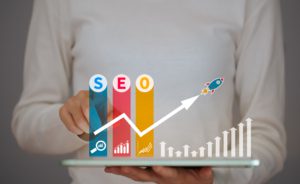
search engine optimization chart rocket ship

CRO: Converting Visitors into Customers

Conversion Rate Optimization (CRO) focuses on what users do once they visit your site. The goal here is to maximize the percentage of visitors who complete desired actions, whether it’s subscribing to a newsletter or making a purchase. Evaluate these elements:

  • Call to Action (CTA): Are your CTAs clear and compelling? Effective CTAs guide users towards desired actions with clear, urgent language. Ensure they stand out visually and are placed strategically across your site to maximize engagement as well as conversion rates.
  • User Pathways: Is it easy for users to convert? Simplify the user journey to enhance conversions. Analyze the flow from initial contact to final action to identify and remove obstacles, ensuring a smooth, straightforward path that facilitates user progression in addition to increasing the likelihood of conversion.
  • A/B Testing: Are you continually testing and optimizing user pathways? Implement regular A/B testing to compare different versions of your site elements, from headlines to CTAs, to determine which variations perform the best, thereby continuously refining user experience and increasing conversion efficiency.
  • Checkout Process: Is it streamlined and secure for users? A streamlined checkout process reduces cart abandonment and enhances user trust. Ensure the process is quick, requires minimal steps, and employs robust security measures like SSL encryption to protect user data.

By focusing on these points, you can ensure that your site not only attracts visitors but also encourages them to take action.

Integrating Advanced Tools and Strategies

To effectively audit and enhance your website, employing advanced tools and strategies is pivotal. Utilizing a website redesign analytics tool can provide insights into how changes to your site can influence user behavior and SEO performance. Additionally, understanding why a content audit is important will guide you in refining your content strategy to meet the expectations of your audience. Moreover, implementing essential website updates for senior living communities can significantly enhance user engagement and satisfaction in targeted demographics such as seniors.

Steps to a Successful Audit

Here are some practical steps to follow when auditing your website:

  • Initial Review: Start with an overall review to understand the site’s current state.
  • Detailed Analysis: Dive deep into UX, SEO, and CRO elements.
  • Tool Integration: Utilize specialized tools to gather data and insights.
  • Action Plan Development: Based on your findings, develop a strategy to address weaknesses and capitalize on strengths.
  • Implementation and Monitoring: Apply changes and closely monitor impacts to ensure desired improvements are achieved.

Enhancing Your Website’s Effectiveness

Understanding how to audit a website involves a detailed examination of its UX, SEO, and CRO elements. By assessing these areas thoroughly and integrating strategic tools, you can significantly enhance your site’s effectiveness, ultimately leading to better user engagement, improved search engine rankings, and increased conversions. Remember, a successful website audit is not a one-time activity but a continuous improvement process to keep your site performing at its best.


Enhancing Creative Output in Your Advertising Strategy

In the fast-paced landscape of advertising, standing out is not only an advantage but a necessity. Achieving higher levels of creativity in advertising can set a brand apart, fostering memorable campaigns and engaging potential customers in meaningful ways. Therefore, creative advertising is crucial. This article details what makes an ad campaign truly unique, and offers practical tips for enhancing creativity within your advertising team.

The Imperative for Higher Creativity

Creativity in advertising is the catalyst that transforms ordinary ideas into captivating marketing messages. It allows brands to differentiate themselves in a crowded market and connect with audiences on an emotional level. The benefits of increased creativity include:

  • Differentiation: Creative advertisements cut through the monotony of traditional marketing by presenting something unexpected. These ads stand out vividly against a backdrop of standard content, captivating the viewer’s attention instantly. This not only avoids the trap of blending in but also significantly amplifies your brand’s visibility in a saturated market. The result is a distinctive presence that can dramatically improve market penetration and consumer awareness.
  • Engagement: Unique and imaginative advertisements capture and maintain the viewer’s attention well beyond the initial viewing. This sustained engagement keeps potential customers focused on your brand for a longer period, enhancing both the impact of the message and its retention. Such engagement is crucial in converting interest into desire and ultimately, action, as it keeps the consumer mentally and emotionally connected to the brand.
  • Brand Recall: Creativity serves as a key differentiator in advertising, making ads more memorable and setting them apart from the competition. When advertisements are creative, they create lasting impressions that make the brand easier to recall. This is especially important in competitive markets where being top-of-mind can significantly influence consumer purchase decisions. Effective creative ads thus become synonymous with the brand, enhancing recall and loyalty.
  • Emotional Connection: Ads that are not only innovative but also creatively engaging have the power to resonate more deeply with audiences. By striking an emotional chord, these advertisements go beyond mere visual or auditory appeal to forge a stronger, personal connection with the audience. This emotional engagement not only enhances immediate response rates but also builds longer-term brand affinity and loyalty, driving consumer behavior in a more sustained manner.

colorful bursts around thinking robot

Unleashing Uniqueness in Campaigns

To foster uniqueness, consider these strategies:

  • Challenge the Norm: Encourage your advertising team to critically evaluate and question established industry norms. By challenging conventional approaches and brainstorming unconventional strategies, your team can develop creative campaigns that truly stand out in addition to capturing market attention.
  • Embrace Risk: To achieve groundbreaking creativity in advertising, foster an agency culture that supports and rewards calculated risk-taking. Encourage bold, innovative ideas that may seem daunting at first. These can lead to the most memorable and effective campaigns.
  • Leverage Multi-Disciplinary Insights: Enhance your creative processes by integrating diverse skills and perspectives from different fields. This collaboration across disciplines can spark unique ideas and solutions that a single-focus approach might never uncover, leading to richer, more effective advertising outcomes.

Tips for Cultivating Creativity

Improving creativity in advertising isn’t about enforcing more rules but rather about creating an environment that nurtures innovative thinking. Here are some actionable tips:

  • Regular Creative Workshops: Organize workshops that emphasize not just idea generation but also the development of diverse thinking skills. These sessions should encourage creative problem solving and out-of-the-box thinking, equipping your team with the tools to innovate consistently.
  • Invest in Creative Tools: Employ a content integration tool that merges data analysis with content creation. This technology facilitates a seamless workflow, enhances productivity, and leads to the generation of fresher, more relevant advertising ideas.
  • Inspire with External Creatives: Engage creative consultants from outside your agency to infuse new energy and perspective into projects. External creatives can see things your team might miss and bring invaluable insights that radically transform your campaigns.

Incorporating Data and AI

Integrating technology such as AI and data analytics can dramatically enhance creative outputs. These tools provide insights that are not immediately obvious. They can also predict trends that are about to take off:

  • Data-Driven Marketing: Utilize data-driven marketing techniques to harness insights into customer behaviors and preferences. This strategic approach enables the crafting of targeted and innovative campaigns that are finely tuned to audience needs, enhancing resonance and engagement.
  • Transforming Digital Marketing with AI: Implement AI tools to automate routine and repetitive tasks within your marketing processes. This frees up your creative team’s time to concentrate more on strategy development and innovation, thereby enhancing productivity. It also fosters more creative outcomes.

AI digital marketing

Elevating Creative Standards

To consistently achieve high levels of creativity in advertising, it’s essential to foster an organizational culture that embraces creativity. It is also crucial to provide the tools and training needed:

  • Cultural Reinforcement: Actively recognize and celebrate creative achievements within your team to cultivate a culture that values innovation and originality. By highlighting and rewarding creative success, you boost team morale and encourage a continuous pursuit of innovative ideas. This cultural reinforcement consequently helps sustain a high standard of creativity and drives the team to consistently push the boundaries of conventional advertising.
  • Continual Learning and Development: Encourage your team members to continuously evolve by offering them opportunities to learn new creative skills and adopt the latest technologies. Provide access to training sessions, workshops, and seminars that specifically focus on emerging trends in the advertising industry. Consequently, this commitment to continual professional development helps keep your team at the cutting edge, ensuring that your advertising strategies remain relevant and effective.

Ready to Innovate?

Increasing creativity in advertising requires commitment at every level of an organization, from junior designers to top executives. It demands a shift towards a more integrated, data-informed, and technologically equipped workflow. By embracing these changes, agencies can ensure that their creative output not only meets but exceeds the demands of modern audiences. This structured approach delineates the pathways towards increased creativity. It also integrates advanced tools and methodologies that can redefine how creativity in advertising is conceptualized and executed.

To discover how we can help your brand reach unparalleled creative heights, Contact Us for a free consultation.