
The Psychology Behind Color Choices in Branding and Marketing

Color is one of the most powerful and underestimated tools in branding and marketing. Long before consumers read a slogan or understand a product’s features, they feel something often because of color. In fact, studies show that people form subconscious judgments about a brand within seconds, and color plays a key role in that decision. This is why color choices in marketing play a critical part of any emotional branding strategy. Helping brands connect with audiences on a deeper, psychological level. Learn how Stevens & Tate helps brands build deeper connections through integrated marketing and design—where color, messaging, and brand experience all work together to tell a cohesive story.

Why Color Psychology Matters in Branding and Marketing

Branding and Color psychology explore how distinct colors influence human emotions, behaviors, and feelings. In branding, the goal is not just to look attractive but to communicate values, personality, and trust instantly.


An effective emotional branding strategy uses color to:
  •  Evoke specific feelings (comfort, excitement, confidence)
  •  Shape brand perception
  • Increase brand recognition
  • Influence purchasing decisions

When color aligns with brand identity, it strengthens emotional bonds and builds long-term loyalty. When it is misaligned, it can create confusion or even distrust. This is why leading agencies like Stevens & Tate do not treat color as a purely aesthetic choice. Instead, they approach color as a strategic tool-one that supports brand positioning, audience psychology, and long-term marketing goals.

Understanding Emotional Responses to Color

Here’s how different colors play key roles in emotional responses:

1. Primary Colors and Their Psychological Impact

Primary colors such as red, yellow, and blue are incorporated for different goals; for instance:

  • Blue conveys trust, intelligence, and unmatched stability. Plus, it’s widely used by various professional service brands that want to signal top-notch reliability and authority among the audience.
  • Red is usually considered a timeless color for urgency, passion, and boundless excitement, helping drive a certain action along with higher emotional intensity.
  • Yellow represents a perfect balance of optimism and warmth, creating feelings of both friendliness and accessibility at once.

Moreover, these colors become way more effective when combined into highly cohesive emotional branding strategies that prioritize aligning high-quality visuals with messaging and customer experience in the long run.

Color Consistency and Brand Recognition

Consistency is key. Using the same color palette across logos, websites, packaging, and advertisements increases brand recognition and reinforces emotional responses over time. When consumers repeatedly associate certain colors with a brand experience, those colors become emotional triggers. Instantly recalling trust, excitement, or comfort tied to the brand. Strong brands do not just choose colors, they own them. That ownership is built through consistent, strategic use across every touchpoint. This is a key pillar of both brand color psychology and effective emotional branding in marketing.

How to Choose the Right Colors for Your Brand

To develop an effective emotional branding strategy through color:
  • Define your brand personality and values
  • Understand your target audience’s emotions and expectations
  • Research competitors and industry standards
  • Test color combinations for emotional impact
  • Maintain consistency across all platforms

Color is far more than a visual choice it is a psychological tool that shapes feelings and drives emotional connection. When used thoughtfully, color strengthens brand identity, builds trust, and influences consumer behavior. By integrating color psychology into an emotional branding strategy, brands can create meaningful, lasting relationships with their audiences and stand out in an increasingly competitive market. This is exactly where Stevens & Tate excels. Through integrated marketing and design, they help brands ensure that color, content, and strategy work together to create stronger emotional connections and more meaningful brand experiences.

The Role of Color Beyond Aesthetics
Color psychology is broken down into specific emotional impacts. For example, blue is linked to trust and dependability, while green is used to stand for feelings of peace, harmony, and growth. A brands color choice does not just change the aesthetic of its website design . It affects how customers are going to remember that brand and what they are going to associate that company with. By integrating color psychology in branding into a broader emotional branding strategy, companies can move beyond looking good to actually feeling right to their audience. With the guidance of partners like Stevens & Tate, brands can build deeper connections through integrated marketing and design, turning every color, message, and experience into an opportunity to stand out in a crowded market.

Final Thoughts

Mostly, a color is where psychology meets strategies that actually work. Plus, it also shapes how brands are felt, remembered, and even trusted in real-time, not only in presentations. That’s why, with purpose and expert-led planning such as Stevens & Tate Marketing’s brand development services, color becomes a powerful tool for building as well as nurturing emotional connection and long-term growth for brands.

Ready to build a brand that effortlessly endures, resonates, and inspires? Then, partner with Stevens & Tate Marketing today to develop a strategic, emotion-driven branding approach that truly transforms colors into long-lasting brand equity!

FAQ’s 

1. How does color influence emotional branding strategy?

Color simply triggers subconscious emotional responses that eventually help brands create instant connections before logic or messaging can even take effect.

2. What role does color play in sustaining emotional brand equity?

Consistent, meaningful color incorporation helps build trust, familiarity, and long-term emotional recognition over time.

3. Can color choices impact brand credibility?

Yes, professional color palettes, when used consistently, boost perceived authority and trustworthiness among the audience.

4. Why do leading brands avoid frequent color changes?

Frequent changes can easily disrupt overall emotional memory and even weaken brand recognition in the long run.

 

color psychology

How to Use Color Psychology in Marketing

When it comes to building your brand, don’t underestimate the importance of color. The colors you choose are crucial to your brand identity. Just think about some of the most famous brands out there and the colors associated with them, such as Nike and black, Starbucks and green, and Target and red, just to name a few. The colors you choose will always be associated with your brand, which is why you need to choose them carefully (and why they need to remain consistent across all of your branding efforts). One of the most important things to keep in mind is that color isn’t just an aesthetic choice, it’s a psychological one too.

The Power of Color: How to Use Psychology in Marketing

Using Color Intentionally

There are two primary ways to use color in your marketing efforts. The first is to make certain marketing elements stand out. For instance, adding a colored call-to-action button at the end of a blog post instead of using regular anchor text. If the button stands out from the background, it will immediately draw the eye of the reader so that they don’t miss out on your CTA.

The colors you choose for your website’s background and text is crucial as well. Not only does it impact the overall aesthetic of your website (which is important as it reflects on your company’s professionalism), but it also affects the ease of use. If you use two colors that are too similar (such as yellow text on an orange background) it becomes incredibly difficult for visitors to navigate your site. Your color choices should provide enough contrast so that foreground elements stand out from the background.

Finally, don’t overuse color. For example, choosing to use five different colors throughout your home page will create visual clutter that will overwhelm visitors. It works better if you choose no more than two colors that combine to create visual balance.

What Every Creative Advertising Agency Needs To Know To Endure The Digital Transformation

Using Color Psychology

Different colors elicit different feelings. By using certain colors, you can engage your audience by making them subconsciously feel a different way. Most successful brands choose their colors based on this idea. Take for example McDonald’s. As everyone knows, they use two colors: red and yellow. They complement one another aesthetically and are chosen for their psychological meaning. Red is often associated with friendliness, while yellow is associated with happiness, both of which are emotions McDonald’s embraced as a major part of their brand voice. Red also happens to be a very stimulating color that’s meant to trigger feelings of hunger. Combined, they attract attention from hungry customers.

Also Read: The Strategic Difference Between Branding and Marketing and How They Work Together

Color Breakdowns

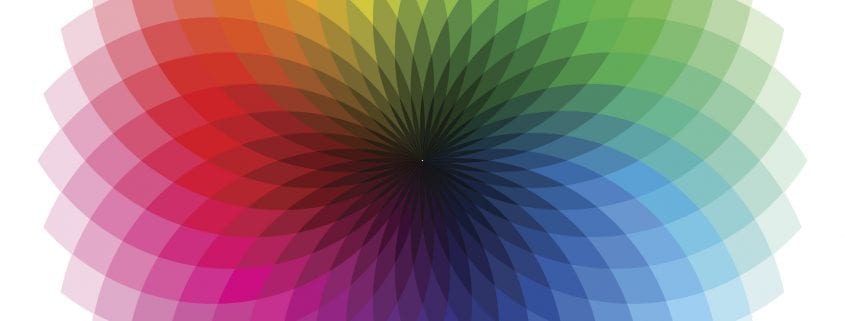
All colors have some sort of effect on the psychology of consumers. With that in mind, the following are a few of the different colors you could use in your branding and the psychological meaning behind them:

  • Orange – Orange is associated with physical comfort, motivation, and positivity. Payless Shoes and Home Depot use orange as their primary color for these reasons.
  • Green – Green represents harmony, peace, health, and growth. Financial institutions use green to promote growth (of wealth), while many health products and stores use green to promote health (such as Whole Foods).
  • Blue – Blue is closely linked to trust and dependability. Many technology companies use blue to promote the idea that their products are dependable, such as Dell, GM, and Honda. Companies like Facebook and All-State also use blue to promote trust.website design


  • Brown – Brown is used to create feelings of trust and security. It’s why UPS prominently uses the color for everything, including their uniforms and trucks.
  • Purple – Purple is associated with luxury and royalty, which is why brands that promote their products as luxurious use purple, such as Cadbury, Hallmark, and Louis Vuitton.
  • Pink – Pink represents compassion, love, and empathy. Pepto-Bismol and Victoria’s Secret both use pink to this effect for different reasons.

Choose Your Colors Wisely To Improve Your Marketing Efforts

As you can see, the use of color is incredibly important to your marketing efforts. Not only do your color choices affect the aesthetic of your website (as well as its ease of use), they are also vital to defining your visual identity. As such, be sure to choose your colors carefully as they will have a psychological impact on your audience.

social media marketing

Trending Website Colors for 2024: A Palette for Digital Success

As we step into 2024, one of the most important aspects of web design is knowing the use of colors. This plays a crucial role in shaping user experiences and establishing brand uniqueness’. In this post, we’ll delve into the trending website colors for this year. While exploring palettes that are expected to influence the digital realm, let’s paint a picture of the online future with the hues that are set to make waves.

50 Gorgeous Color Schemes From Stunning Websites

Neo-Mint: A Refreshing Take on Green

Neo-Mint, a fresh and futuristic take of green, is anticipated to be an outstanding color in 2024. Very soothing yet bold, this shade communicates a sense of innovation and modernity. Anticipated to be a trailblazing color this year, Neo-Mint strikes a delicate balance between serenity and boldness, while capturing the essence of progress and modernity. It becomes an ideal choice for brands looking to convey an enlightened image for their clients. In the world of user experience, Neo-Mint can be a powerful tool. Its calming undertones create a comfortable and friendly environment. It helps reduce visual stress and promotes a seamless navigation digital experience. 

Read more on How to Use Color Psychology in Marketing

Coral Fusion: A Playful Blend of Warm Tones

Coral Fusion, a delightful blend of red, pink, and orange, is predicted to add a playful touch to websites in 2024. This vibrant palette injects energy into the digital world. Tailored for brands targeting a youthful and dynamic generation of audience, Coral Fusion promises to captivate and engage, making websites stand out in the crowded online space. It’s more than just a trend; it’s a way to cut through the noise of the crowded digital space. As attention spans shorten and visual stimuli become more crucial than ever, Coral Fusion steps up as it draws users attention in with its lively presence. In a world where first impressions are formed within seconds, Coral Fusion becomes your digital friend, leaving an indelible mark on your website.

Serene Sky: Elevating Websites with Blue Tones

While trends come and go, the all time favorite in web design remains – the calming embrace of blue tones. Serene Sky, a harmonious mix of soothing blues, creates a sense of tranquility on websites. This constant preference for blue isn’t just a coincidence; it’s deeply rooted in the psychological impact of color on user experience. This is ideal for brands aiming to instill trust and reliability in their online presence. In a world where users navigate a sea of information online, Serene Sky becomes the anchor that guides them through the digital waves. 

Staying attuned to trending colors is paramount for ensuring the relevance and visual appeal of your company website. Colors play a fundamental role in shaping user perceptions and emotions, influencing their interaction with your brand. By incorporating current color trends, you not only demonstrate a commitment to contemporary aesthetics but also establish a connection with your audience through familiarity and relatability. Trending colors are a reflection of current cultural preferences, offering an opportunity to align your brand with the zeitgeist. Moreover, a thoughtfully curated color palette can enhance brand recognition, foster a memorable online presence, and differentiate your website from competitors. In an era where first impressions are often digital, the strategic use of trending colors becomes a powerful tool for capturing attention, conveying brand identity, and ultimately driving user engagement and conversion.

Enhancing Your Company Website Visual Brilliance

While incorporating trending colors into your company website is undeniably essential for visual appeal and staying current, it is equally crucial to prioritize the creation of high-quality content rooted in your competitive advantages. Trendy aesthetics may capture attention initially, but sustaining audience interest and building credibility require substance. Quality content, crafted around your unique strengths and competitive edges, not only reinforces your brand identity but also establishes your expertise in the industry. Compelling narratives, informative articles, and engaging multimedia that highlight your company’s distinctive features and value propositions contribute significantly to user engagement, fostering trust and loyalty. In the competitive online landscape, where information is abundant, meaningful content acts as the bedrock for attracting, retaining, and converting visitors into loyal customers. By synergizing trending colors with content that leverages your competitive advantages, your company website can strike the perfect balance between visual appeal and substantive storytelling, thereby achieving a comprehensive and impactful online presence.


In tandem with selecting trending colors, the careful curation of engaging photography is a pivotal factor in enhancing the overall impact of your company website. Imagery holds the power to convey emotions, tell stories, and create a visceral connection with your audience. Compelling photographs, whether showcasing products, services, or the ethos of your brand, have the ability to captivate visitors and communicate your narrative more effectively than words alone. By aligning your visual elements with current photography trends, you not only demonstrate a contemporary sensibility but also capture the attention of a visually-oriented online audience. Authentic and high-quality images, particularly those highlighting real experiences and people associated with your brand, can evoke trust and resonate with your target demographic. In the digital era, where attention spans are fleeting, the combination of trending colors and engaging photography serves as a potent formula for creating a visually stunning and emotionally resonant company website that leaves a lasting impression on visitors.

As we embrace the dynamic color trends of this new year, it’s essential to recognize the significant influence a well-designed website can exert on digital success. Crafting a visually appealing and trendy online presence, requires a deep understanding of not only color aesthetics, but also strategic digital marketing expertise.

Interested in more ideas for improving your website? Read tips about improving your website navigation.


25 Website Must Haves