
Successful Senior Living Marketing Strategy

Effective Marketing Strategy for Senior Living Communities in 2025

As the senior living industry evolves, marketing strategies must shift to meet the changing expectations of a more informed and selective audience. The Boomer generation expects more than just care—they seek vibrant lifestyles, meaningful engagement, and personalized experiences. To stand out in this competitive market, senior living communities must adopt a modern marketing strategy that blends digital innovation with authentic, human connection.

This article explores how to build a marketing strategy for senior living that drives inquiries, improves occupancy rates, and builds long-term trust with both seniors and their families.

Understanding the New Senior Living Audience

Today’s seniors and their adult children rely heavily on online research before making decisions. A 2024 Senior Housing News report notes that senior living operators are increasingly investing in digital-first strategies to appeal to the tech-savvy Boomer generation. This audience values transparency, high-quality services, and lifestyle amenities—your marketing must reflect those priorities.

Essential Components of a Successful Senior Living Marketing Strategy

1. Embrace Targeted Digital Advertising

Digital advertising is crucial for reaching potential residents and their families where they spend time online. Use platforms like Google Ads and Facebook to run location-specific campaigns highlighting your community’s strengths. As noted by Distinctive Living, paid search remains one of the most effective ways to generate qualified leads for senior living communities.

2. Prioritize Storytelling Through Content Marketing

Compelling stories make your brand memorable. Share resident testimonials, staff spotlights, and virtual tours through blogs, videos, and downloadable guides. Stevens & Tate recommends using storytelling to humanize your brand and foster emotional connections, which are key drivers in senior care decisions.

3. Strengthen Community Engagement on Social Media

Social media is a powerful tool for showcasing the warmth of your community. Post regularly on Facebook and Instagram, sharing photos of events, outings, and resident achievements. Encourage family testimonials and respond to comments to build engagement and trust.

4. Local Outreach Still Matters

While digital channels dominate, personal relationships within your local community remain a valuable lead source. Host informational seminars, partner with local healthcare providers, and participate in neighborhood events to enhance your reputation as a trusted community partner. A Stevens & Tate guide suggests combining online efforts with strong local outreach for maximum impact.

5. Leverage Data to Refine Your Strategy

Use CRM systems and marketing analytics to monitor website traffic, conversion rates, and campaign performance. Data insights allow you to identify what’s working, adjust messaging, and allocate budgets more efficiently, helping you stay competitive in a fast-evolving market.

Final Thoughts

Creating an effective marketing strategy for senior living communities in 2025 means blending modern digital tactics with timeless relationship-building practices. By focusing on personalized storytelling, data-driven advertising, and community engagement, senior living providers can attract more qualified leads and build lasting trust.

Need help crafting a tailored marketing strategy for your community? Our marketing strategy consulting services can help you build a plan that delivers measurable results.

two influencers recording their product reviews

Influencer Marketing Campaigns(B2B): The Shift to Authenticity

Influencer marketing campaigns have long been a core component of business-to-consumer (B2C) strategies, but it’s less commonly associated with B2B businesses. This is largely because B2B marketing often focuses on persuading decision-makers rather than entertaining a broad consumer base. However, it’s worth remembering that every member of a procurement team is more than just a professional—they’re also individuals who might be parents, football fans or podcast enthusiasts. This human element is where the opportunity for B2B influencer marketing lies.

The Unique Nature of B2B Influencer Marketing

B2B audiences aren’t looking for the next trending product—they’re searching for solutions to complex challenges, making authenticity essential. Instead of focusing on mega influencers with high follower counts, B2B businesses can gain more value by collaborating with niche experts, thought leaders and industry insiders who have the trust and respect within their fields.

With longer decision-making cycles and multiple stakeholders involved, B2B influencers who can simplify technical concepts, demonstrate real-world applications and offer practical insights bring far greater value than a standard product endorsement.

Also Read How To Use Social Media To Drive B2B Sales


Without further ado, let’s dive into the emerging trends and the future of influencer marketing:

Authenticity in Action

Trust and authority are crucial in B2B transactions, where decision-makers are more likely to connect with and be influenced by content from reliable, authoritative sources. With their industry expertise and established credibility, B2B influencers bring a level of trust that traditional advertising cannot achieve. Their endorsements can play a pivotal role in shaping supplier perceptions and influencing purchasing decisions.

Rise of Micro-Influencers in B2B

influencer getting likes on social mediaWhile celebrity influencers dominate B2C marketing, micro-influencers are emerging as leaders in the B2B space. These influencers often specialize in specific industries or niches, bringing a high level of expertise and relevance to their content. For B2B brands, this provides the opportunity to collaborate with individuals who deeply understand the field or sector in which your business operates.

Why Micro-Influencers Work in B2B:

  • Higher Credibility: They bring authentic, firsthand knowledge that resonates with technical or specialized audiences.
  • Engaged Networks: Their followers trust them for practical advice and insights, not just surface-level endorsements.
  • Tailored Communication: They can address specific challenges, making their content more relevant to B2B buyers.

Also Read Micro Influencer Marketing Benefits

Thought Leadership as the New Influencer Model

In the B2B world, influencer marketing campaigns often go hand-in-hand with thought leadership. Rather than focusing on product promotion, B2B influencers enhance brand awareness by articulating your company’s vision and values through insightful content, meaningful discussions and compelling presentations. This approach not only reinforces your brand’s authority but also helps build stronger, more authentic connections with your audience.

Formats That Work:

  • Webinars and Virtual Events: Partnering with an influencer to co-host discussions on industry trends or best practices.
  • White Papers and Case Studies: Co-creating in-depth content that demonstrates expertise and the practical value of your solution.
  • LinkedIn Collaboration: Leveraging LinkedIn’s professional network to share authentic, high-value content that drives engagement.

Also Read Marketing on TikTok: Strategies to Engage the TikTok Generation

Long-Term Partnerships: Building Lasting Influence in B2B

partnership In the B2B world, quick, one-off influencer collaborations often fall flat. Long-term partnerships, on the other hand, are far more effective at building trust and driving meaningful results.  Collaborating consistently with one or a select group of influencers creates a steady stream of content that helps establish a solid foundation. These ongoing partnerships allow influencers to gain a deeper understanding of the brand’s products, values and audience, resulting in content that is more authentic and relevant.

Why Long-Term Partnerships Work:

  • Deeper Understanding: Influencers gain insight into your business, enabling them to craft content that speaks directly to your audience’s pain points.
  • Increased Credibility: Ongoing collaborations demonstrate the influencer’s genuine belief in your solution, strengthening their advocacy.
  • Consistent Messaging: Repeated exposure to the influencer’s content helps reinforce your brand message over time.

The Role of Technology in B2B Influencer Marketing

Technology will play a critical role in enhancing authenticity in B2B influencer marketing campaigns. It enables brands to identify the right influencers, measure campaign success more precisely and deliver engaging, innovative content.

  • AI-Powered Influencer Identification: Advanced AI tools can analyze factors like audience engagement, content relevance, and alignment with brand values, helping B2B marketers find influencers who truly resonate with their niche audience. 
  • Data-Driven Campaigns: Instead of relying on surface-level metrics like views or clicks, technology enables B2B companies to measure success through more complex data, such as lead quality, audience sentiment and deal conversions.
  • Augmented Reality (AR) Demos: AR technology allows influencers to demonstrate products or solutions in real-time, interactive formats, bridging the gap between abstract concepts and practical applications. 
  • Blockchain for Transparency: Blockchain technology is emerging as a key tool to ensure transparency and trust in influencer marketing. By verifying influencer credentials, tracking campaign data and validating performance metrics, it strengthens accountability and builds greater confidence in partnerships.

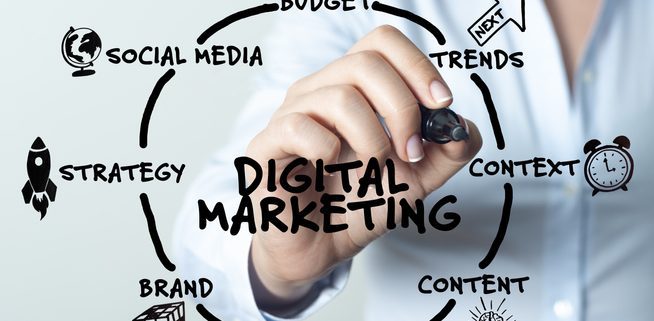

digital marketing, facebook ads

5 Ways to Improve Your Display Ads

Display advertising is a kind of online advertising that uses copy, images, and other visual elements. The terms “display ads” and “banner ads” are often used interchangeably because display ads usually were banner ads back in the day. Currently, however, display ads can come in many different formats in addition to banner ads, like video ads, interactive ads, and more. The benefits of display ads include brand awareness, visual appeal, performance tracking, and targeting capabilities.

Brand awareness: display ads expose customers to brand messages and visual elements across many touchpoints, building brand awareness.

Visual appeal: display ads can capture attention more effectively than text-based ads alone because they feature graphics and images.

Performance tracking: display ad’s performance metrics allow advertisers to monitor clicks, impressions, and conversions.

display ads, performance tracking

Targeting capabilities: display ad’s targeting options allow advertisers to reach different audience segments with messaging tailored to them. 

Now that you know their benefits, here are 5 ways your company can improve their display ads:

1. Make sure that the copy is readable:

In order for your display ad to be effective, your audience must be able to understand what it is trying to communicate. Therefore, all copy used in your display ad must be easy to read. Readability can be affected by font, size, and color. Some easy to read fonts are Arial, Georgia, and Helvetica. Your text should be large enough that it can easily be read on various screen sizes. Vary your font size to create a hierarchy of information. The headline should be the largest, the body text should be the smallest, and the subheadline should be in between those two sizes. The color of your copy should contrast with its background color so the copy stands out and is easy to read. Use color combinations that are visually appealing, and avoid using bright colors that are hard to read.

2. Keep things simple:

The average human attention span is 8.25 seconds. That’s not a lot of time, so your display ads need to be simple in order to quickly catch your viewer’s attention. Make sure you’re not cramming too much information into your display ad. You should also avoid adding an excess of design elements. Finally, only use one image in your display ad to keep it clean and simple.

3. Use your logo when possible:

Including your logo in display ads will improve brand recall and recognition. It will also help maintain overall brand consistency. Remember to not place your logo over an image, and make sure that your logo is cropped correctly. A logo that is too big can overwhelm the display ad, but a logo that is too small can be difficult to see. Therefore, it is important to size your logo so that it is visible without diminishing the display ad’s overall design. Position your logo so that it does not cover any important elements of the display ad, and make sure that the logo integrates smoothly with the display ad’s layout and design.

4. Create urgency for your offer:

Your display ad’s call-to-action (CTA) is what will make people click on your ad. Ensure that your audience will act fast by creating a sense of urgency for your offer. Whether your offer is only available for a limited time or if there is only a limited amount of product in stock, try to include that in your display ad. Doing so will increase the likelihood of your display ad getting clicked on. To incorporate a limited-time offer into your display ad, you can include a countdown timer or use deadline phrases like “only for a limited time” or “offer ends soon.” To incorporate a product/service’s limited availability into your ad, you can include a count of how many products/services are left or use a statement like “almost gone.”

display ads, promotion

5. Use keywords:

Choosing the correct keywords will make sure that the Display Network shows your ad to the proper audience(s). You should select between 5 and 20 keywords that are related to what you are advertising in your display ad. These keywords should be related to the websites that your customers frequently visit or use.

By making sure that the copy is readable, keeping things simple, using your logo when possible, creating urgency for your offer, and using keywords, you can significantly improve your display ads.

AI Website Content Tool Integration: WPBakery AI for Your WordPress Website

Staying ahead of the curve is key for creating visually pleasing and user-friendly websites. For WordPress users, the introduction of WPBakery AI represents a leap in design innovation. So, in this article, we’ll explore the number of ways WPBakery AI can benefit WordPress websites by elevating creativity, efficiency, and user engagement.

WPBakery AI makes designing your website super easy. It automatically handles things like adjusting layouts and picking colors to match your preferences. This smart tool simplifies the customization process, giving you the freedom to explore and create in a more creative way.

WPBakery | MemberPressEffortless Design Customization

WPBakery AI simplifies the design process by automating customization tasks. From layout adjustments to color schemes and more, this intelligent invention understands your preferences and streamlines the customization process, making it simpler. Selecting the perfect color scheme is a critical aspect of web design. WPBakery AI takes the guesswork out of this process by intelligently understanding your color preferences. With its automated features, it effortlessly suggests and implements color schemes that resonate with your vision, giving your website a cohesive and visually appealing look.

Time-saving Content Creation

Content is primary, and WPBakery AI recognizes the importance of efficiency in content creation. By automating certain aspects of the process, such as generating compelling headlines or suggesting relevant imagery, this tool empowers users to focus on crafting high-quality content rather than getting stuck with time-consuming details. To further streamline your content creation, the tool suggests relevant imagery that aligns seamlessly with your written material. This not only enhances the visual appeal of your content but also removes the hassle of searching for suitable images, allowing you to maintain focus on the core message you wish to convey.

Interested in Having a Professional Web Design Service for Your Business? Click here. 

Responsive Design Optimization

In an era where mobile responsiveness is non-negotiable, WPBakery AI ensures that your website looks constantly phenomenal. With its ability to adapt to different screen sizes, it takes the guesswork out of responsive design, guaranteeing a seamless user experience for visitors on all devices. Whether it’s a compact smartphone screen or the expansive canvas of a desktop monitor, WPBakery AI guarantees that your website’s design remains visually appealing to the users. The intelligent adaptation ensures that your website not only looks phenomenal but also operates smoothly, offering a user-friendly interface regardless of the device being used.

Intelligent Element Placement

WPBakery AI goes beyond traditional drag-and-drop interfaces. It suggests the optimal placement of design elements based on user behavior and industry best practices. This enhances the visual appeal of your website to a more intuitive and user-friendly navigation experience. Understanding how users interact with websites is crucial for an effective design. WPBakery AI harnesses the power of artificial intelligence to analyze user behavior patterns. By knowing how visitors engage with content, the tool intelligently suggests the most effective placement for design elements. This approach ensures that your website is not just aesthetically pleasing but also strategically organized for maximum user engagement.

Adaptable SEO Optimization

The visibility of a website in search engine results is important for its success. WPBakery AI incorporates SEO best practices into its design recommendations, assisting in creating a website that is visually appealing for search engines. This ensures that your content ranks well, attracting organic traffic to your WordPress site. By creating visually appealing websites that also cater to the preferences of search engines, this tool ensures that your WordPress site doesn’t just exist online but thrives by attracting organic traffic and securing a prominent position in search engine results.


WPBakery AI is powerful for WordPress users seeking to elevate their websites for design satisfaction and user engagement. Its intuitive customization, time-saving features, responsive design optimization, intelligent element placement, and SEO integration make it an invaluable tool. This innovative tool empowers users with a seamless customization process, offering creative freedom in adjusting layouts, experimenting with color schemes, and exploring design possibilities. The result is a website that authentically represents your vision and resonates with your audience.

Want to get more from your website redesign? Read 5 Website Redesign Tips That Will Generate More Phone Calls.


17 SEO MYTHS YOU SHOULD LEAVE BEHIND
green marketing

How Green Marketing Can Build Brand Loyalty

Today’s customers are not just buying products; they are buying into the brands. That’s why green marketing is more than a nice-to-have—it’s a powerful strategy for building brand loyalty with eco-conscious consumers. With more people prioritizing sustainability, brands have a unique chance to stand out by taking genuine, impactful steps toward environmental responsibility. When you commit to green marketing in ways that align with your brand values and openly communicate your progress, you create deeper connections and lasting loyalty.

Need More Reasons to Go Green?

Sustainability is often discussed in terms of its environmental benefits, but what about its impact on human health? The truth is, going green offers numerous advantages for our well-being. Sustainable practices like reducing pollution, using non-toxic materials, and conserving natural resources not only help create healthier ecosystems but also contribute to cleaner air, water, and soil. By supporting green efforts, your business is playing a role in ensuring a healthier future for all. 

Here are some key trends shaping the green marketing landscape:

• Circular Economy Marketing

Traditionally, businesses have focused on increasing sales and market share through a linear economy model, which relies heavily on the extraction and disposal of resources. However, its negative impact on the environment, society, and long-term business sustainability is driving a shift toward a circular economy. Circular models, such as resale, repair and reuse, enable businesses to grow revenue while reducing dependence on finite resources. This strategy reduces costs, cuts greenhouse gas emissions and strengthens customer loyalty while meeting business goals.

• Green Influencers

Social media influencers have long played an important role in shaping consumer behavior. With the growing emphasis on green marketing and environmental responsibility, eco-conscious influencers are gaining prominence. Partnering with these personalities can add credibility and extend the reach of your sustainable marketing initiatives, effectively aligning your brand with values that resonate deeply with environmentally aware audiences.Graphics of a computer and a phone

• Sustainable Digital Marketing

Unlike traditional methods such as direct mail and printed materials, digital marketing provides a sustainable alternative that significantly reduces environmental impact. Leveraging platforms like email newsletters, social media, and targeted online ads allows brands to promote sustainable products and behaviors while minimizing the carbon footprint. 

• Customer Education and Empowerment

Spread the word about green marketing to your brand’s audience. It’s a great opportunity to educate customers on the importance of sustainability and how your products contribute to the environment. Many brands are using interactive content, events, and workshops to engage and inform customers. This not only strengthens your connection with eco-conscious customers but also helps those less familiar with sustainable practices, empowering them to make more informed, environmentally friendly choices.

Also Read Customer Engagement Strategy

Practical Strategies for Building Brand Loyalty Through Green Marketing

Here are strategies that can make your green marketing efforts more effective:

• Product Design & Innovation

Sustainable practices should begin at the design stage. By making products more long-lasting, easily repairable, compostable, and safer for transportation, brands can reduce social, environmental and economic impacts from the outset. Designing with eco-friendliness at the core signals a commitment to both quality and sustainability, showing customers that your brand values the planet as much as it values its products.

• Promote Green Values in Advertising

If your brand is making a positive impact on the environment, let people know. Use your advertising channels to clearly communicate your commitment to sustainability. Whether through digital ads, print materials, or social media campaigns, put your eco-friendly practices at the forefront. Featuring these efforts in your ads helps raise awareness of your brand’s environmental values.

• Highlight Sustainability Through Content MarketingSustainblity sign

Highlight your brand’s green initiatives across all customer touchpoints. This can include blog posts, white papers, case studies, videos, newsletters, and more that emphasize your commitment to sustainable practices. These content assets keep customers informed, engaged, and remind them of their role in supporting eco-friendly initiatives.

Also Read Content Marketing Misconceptions

• Collaborate with Eco-Friendly Brands

Teamwork can drive greater results than going solo. Partner with like-minded businesses to co-host events, run joint marketing campaigns, or cross-promote each other’s products. These collaborations can amplify your brand’s reach, enhance credibility, and show your customers that sustainability is a shared value.

• Community Involvement

Connecting with communities over environmental causes can deepen your brand’s impact. Consider sponsoring eco-friendly initiatives or supporting local sustainability efforts. When consumers see that your commitment goes beyond profit, it fosters a shared purpose that builds trust.

Also Read Brand Marketing Strategy: Community and Advocacy

• Carbon Offset Programs

If you’re looking to elevate your green marketing efforts—or if product changes are limited—implementing a carbon offset program can be a powerful way to reduce your environmental impact. Offsetting emissions and working toward carbon neutrality demonstrates a genuine, long-term commitment to sustainability, which resonates strongly with today’s environmentally conscious consumers.

An Example of a Successful Green Marketing Effort

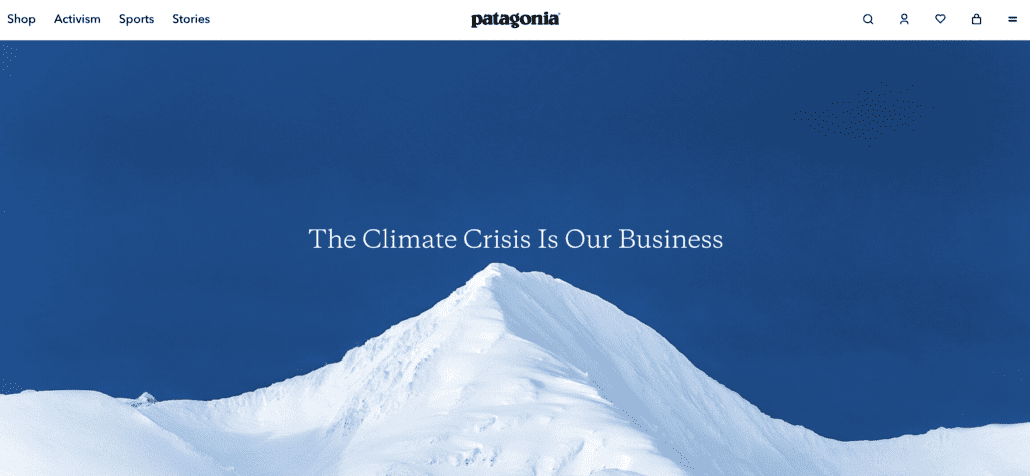
Green marketing is all about taking tangible steps toward sustainability and openly sharing those efforts with your audience. Patagonia is a great example of how green marketing can foster an authentic connection and empathy with consumers. Through a dedicated website that showcases their sustainability efforts, they regularly update customers on their progress, future goals, and stories about their initiatives and impact. This transparency has played a key role in earning them significant customer loyalty.


Patagonia sustainability website Patagonia Website

Measuring the Impact of Green Marketing on Brand Loyalty

To ensure green marketing is delivering results, focus on long-term KPIs rather than short-term metrics. Customer lifetime value, repeat purchase rates, and sentiment analysis are essential in evaluating loyalty. Additionally, create a feedback loop to gather customer thoughts on your initiatives; their input can be invaluable in refining your approach.


brand

Crafting a Compelling Brand for Senior Living Success

In the competitive landscape of senior living, the significance of a well-crafted brand cannot be overstated. As the sector grows increasingly crowded, a robust brand can significantly elevate your community’s appeal, distinguishing it from competitors and fostering long-term success. This article delves into the importance of your senior living brand and explores the transformative impact branding has on senior living facilities.

Understanding the Significance of Your Brand

Consider senior living communities as more than just facilities; they are vibrant hubs where experiences and emotions play a pivotal role. Here, branding goes beyond mere aesthetics to forge a deep connection with potential residents and their families. A compelling brand acts as the community’s pulse, embodying its ethos and unique offerings.

person walking up an arrow pointing to the sky

The Transformative Effects of Branding

Branding transcends traditional marketing by crafting a unique identity that resonates on an emotional level with your target audience. For senior living communities, effective branding is not merely about listing features—it’s about crafting an engaging narrative that positions your community as a desirable, distinctive choice.

Strategic Brand Building Steps

Developing a lasting brand involves several critical steps, each contributing to a cohesive and appealing identity:

  1. Identify Your Audience:

    Part of an effective senior living marketing plan is to effectively segment and understand your target demographic. This clarity helps tailor your branding efforts to meet the specific needs, preferences, and lifestyles of potential residents.

  2. Know Your Competitors:

    Understanding the competitive landscape is crucial for setting your community apart. This means identifying not only the services and amenities offered by others but also their branding strategies. By doing so, you can emphasize your unique features and community benefits. You can also ensure these distinctions are front and center in your branding efforts.

  3. Understand Your Identity:

    Take a comprehensive look at what makes your community unique, such as its location, ethos, or exclusive offerings. This introspection should help crystallize a brand identity that not only reflects your community’s core values but also appeals to the emotional and practical preferences of potential residents.

  4. Purpose-Driven Branding:

    Your brand should be a reflection of your community’s mission and vision. It’s about more than aesthetics; it’s about conveying your purpose—why your community exists and how it improves residents’ lives. This purpose-driven branding resonates more deeply, creating a stronger emotional and rational appeal to families and residents.

  5. Develop a Unique Personality and Voice:

    Establish a distinctive personality for your community that can consistently be communicated across all platforms. Whether your tone is elegant, cheerful, cultured, or simple, it should authentically represent your community. It should attract residents who feel a natural alignment with your character.

  6. Craft a Compelling Brand Story:

    A compelling brand story is crucial as it forms an emotional bridge between your community and potential residents. Your story should encompass the founding, evolution, and unique aspects of your community, told in a way that is engaging and relatable. This narrative should paint a picture of a community that is not just a residence, but a home.

  7. Design with Your Audience in Mind:

    Design elements should not only be aesthetically pleasing but also reflect the core values and personality of your brand. Whether it’s the color palette, typography, or layout designs, each should communicate the essence of your community to the target demographic. This enhances the overall brand experience.

  8. Integrate Your Brand Across All Platforms:

    Ensure that your branding is consistent across every interaction with your community—be it digital, print, or face-to-face. Consistent branding strengthens your identity and reinforces your community’s character, making it easier for potential residents to understand and recall your brand, thereby fostering trust and recognition.

The Emotional Pull of Branding

Much like the iconic Pepsi and Coke rivalry, where brand identity could triumph over taste, the branding for senior living should create a lasting emotional bond with residents. This connection is what will make your community stand out—not just as a living space but as a preferred lifestyle choice.

senior living two elderly people talking

Practical Benefits of Effective Branding

A well-established brand not only attracts residents but also enhances several other aspects of community management:

  • Staff Attraction and Retention: A robust and resonant brand draws potential residents. It also appeals to potential staff members who are aligned with the community’s values and culture. By promoting a positive, distinctive workplace environment that is clearly articulated through your brand, you enhance employee satisfaction and loyalty. This strong workplace identity helps in retaining talented staff who are critical to the daily operations and overall success of your community, making your facility a preferred employer in the sector.
  • Market Differentiation: In the highly competitive field of senior living, a distinct and well-articulated brand is essential for standing out.  Highlight your community’s unique features, specialized services, and exceptional care. This allows your brand to act as a beacon that draws attention in a saturated market. This differentiation strategy is not just about being different; it’s about being recognizably better in ways that matter to potential residents and their families, thereby significantly enhancing your community’s market visibility and appeal.
  • Resident Loyalty: The power of a strong brand extends beyond initial attraction to fostering deep, emotional connections with residents and their families. These connections are crucial as they can transform satisfied residents into vocal advocates for your community. A well-branded community that consistently delivers on its promises creates a loyal base of residents who are likely to share their positive experiences through word-of-mouth, greatly enhancing your community’s reputation and aiding in both retention and new resident acquisition.

Actualizing Your Brand

Working with a creative agency specializing in marketing tactics for senior living communities can elevate your branding effort. These professionals can provide the insights and expertise necessary to craft a distinctive brand that effectively communicates the unique values and experiences your community offers.

A Lasting Impression

Ultimately, your brand is more than just a marketing tool. It is a promise of quality, belonging, and an enriched lifestyle. By investing in comprehensive effective marketing strategies you are ensuring your community stands out in a competitive field. You are also building a foundation for meaningful and lasting relationships.

For those eager to enhance their community’s branding and market presence, we invite you to Contact Us for a free consultation. Together, we can develop a branding strategy that resonates well with your target audience and establishes your community as a leader in the senior living