
Brand Components

What is Brand Positioning in Marketing

Understanding brand positioning informational content is essential for businesses looking to define how they stand out in an increasingly competitive marketplace. A strong brand position helps organizations communicate their unique value, connect with the right audience, and establish a clear identity that differentiates them from competitors. At Stevens & Tate, we view brand positioning as the foundation of effective marketing because it directly influences how your audience perceives your business, products, and services. It shapes the story you tell, the promises you make, and the reasons customers choose your brand over others. Brand positioning goes beyond logos, taglines, and visual identity—it defines your place within the market and in the minds of your customers. When developed strategically, strong positioning creates consistency across messaging, strengthens brand recognition, and supports long-term business growth.

What Is Brand Positioning?

Brand positioning is the process of establishing a distinct place for your brand in the minds of your target audience. It defines how your product or service is perceived, what unique value it offers, and how your brand compares to competitors in the marketplace. Strong brand positioning helps communicate what makes your business different and why it matters to your audience.

Rather than focusing only on what you sell, brand positioning highlights the benefits, solutions, and experiences customers can expect from your brand. It creates consistency across your messaging, marketing, and customer experience while strengthening brand recognition.

At its core, brand positioning answers one key question: Why should customers choose you? A clear answer helps differentiate your business, build trust, and create stronger connections with your audience.

Why Brand Positioning Matters

At Stevens & Tate, we often see that strong marketing performance starts with clear positioning. Without it, even well-executed campaigns can fall flat.

Creates Differentiation

In competitive markets, standing out is critical. Strong positioning highlights what makes your brand unique and ensures you’re not just another option.

Builds Customer Trust
When your messaging is clear and consistent, customers know what to expect. This consistency fosters credibility and long-term trust.

Guides Marketing Efforts
Your positioning acts as a foundation for all marketing activities. It ensures that campaigns, messaging, and visuals align with your brand’s identity.

Improves Customer Loyalty
When customers connect with your brand’s values and message, they’re more likely to stay loyal and advocate for your business.

Key Elements of Effective Brand Positioning

Target Audience
Who are you trying to reach? Understanding your audience’s needs, challenges, and preferences is essential.

Market Category
What space does your brand compete in? Defining your category helps frame your position against competitors.

Unique Value Proposition (UVP)
What makes you different? Your UVP should clearly communicate the benefits you offer that others don’t.

Brand Promise
What can customers consistently expect from you? This reinforces trust and reliability.

Brand Voice and Messaging
How you communicate matters just as much as what you say. A consistent tone strengthens recognition and connection.

Examples of Brand Positioning in Action

Effective brand positioning often centers around a specific strength or value, such as:

  • Innovation and cutting-edge solutions
  • Affordability and accessibility
  • Premium quality and exclusivity
  • Customer-centric service

The most successful brands focus on one clear position and consistently reinforce it across all touchpoints.

Common Brand Positioning Mistakes

Trying to Appeal to Everyone
A broad approach can dilute your message. Clear positioning requires focus.

Inconsistent Messaging
If your messaging varies across channels, it can confuse your audience and weaken your brand.

Lack of Differentiation
If your brand sounds like everyone else, it becomes forgettable.

Ignoring Customer Perception
Positioning is not only what you say—it’s how your audience interprets it. Regular feedback and market insight are essential.

How to Develop a Strong Brand Positioning Strategy

At Stevens & Tate, we approach positioning as a strategic exercise grounded in research and clarity. To build effective positioning:

  • Conduct market and competitor research
  • Define your target audience clearly
  • Identify your unique strengths and value
  • Craft a clear and concise positioning statement
  • Ensure consistency across all marketing channels

Strong positioning should be simple, memorable, and aligned with long-term business goals.

Conclusion

Strong brand positioning helps businesses communicate their value, differentiate from competitors, and build lasting customer loyalty. By developing a clear strategy rooted in audience insights and consistency, brands can strengthen their market presence and support long-term marketing success.

Frequently Asked Questions

What is brand positioning in marketing?
Brand positioning is the process of defining how a brand is perceived in the minds of its target audience, highlighting its unique value and differentiation.

Why is brand positioning important?
It helps businesses stand out, build trust, and create a consistent message that resonates with their audience.

How is brand positioning different from branding?
Branding is the overall identity of your business, while positioning focuses specifically on how your brand is perceived compared to competitors.

What is a positioning statement?
A positioning statement is a concise description of your target audience, category, and unique value that guides your messaging and strategy.

How often should brand positioning be updated?
While it should remain consistent, it may need to evolve as your market, audience, or business goals change.

 

attraction marketing

Attraction Marketing: How Can You Do More Within Your Organization To Draw Business To You?

Over the past two years we have been asked by many companies what they can be doing themselves to improve their result in marketing. Budgets are tight and often people have time on their hands due to decrease workloads or seasonality. In June 2009 we began work on strategies that companies can implement with their team to build their business. During the process it became clear that, in order to control spending the focus would need to be on non-media strategies. Further discussion led us to the term “Attraction Marketing.” In short, Attraction Marketing improving your attractiveness to your prospects, to the marketplace.

We all personally want to be seen as attractive, be respected, admired, relevant. Similarly, Attraction Marketing addresses topics that can help create these perceptions for businesses.

Some of the strategies we will cover will be familiar to you, though we hope to get you to think about it a little differently. Some of the tactics you may already be doing, and that’s great. Hopefully we can show you how these things as connected and building on each other.

Stevens & Tate Marketing have been the test group for Attraction Marketing for 12 months now. In the postings I will tell you what worked for us and speak to our results. I will offer suggestions on how to lead the process through developing management and tracking. So join me is as I cover topics like All Dressed Up, Show Up In Style, Be Impressive, Become A Socialite, Lend A Hand, Stay Top Of Mind over the next few months.

mobile marketing

What Is a Marketing Strategy

Understanding how to create a marketing strategy informational content is essential for businesses that want to move beyond scattered tactics and build a structured, intentional path to growth. Rather than relying on one-off campaigns or reactive decisions, a clear strategy connects every marketing effort to broader business goals. At Stevens & Tate, we define a marketing strategy as the blueprint that aligns your brand, messaging, and channels with clear objectives—so every effort works harder and more effectively.

This approach provides direction, improves consistency, and helps teams make smarter decisions about where to focus time and resources. A marketing strategy isn’t just what you do—it’s why you do it, who you’re doing it for, and how you measure success along the way.

Why a Marketing Strategy Matters

Without a defined strategy, marketing becomes reactive instead of intentional. At Stevens & Tate, we see this as one of the most common challenges businesses face.

A strong marketing strategy helps you:

  • Create clarity across all marketing efforts
  • Align internal teams around shared goals
  • Maximize return on marketing investment
  • Build consistent brand messaging across channels
  • Make data-driven decisions instead of guesswork

When strategy leads, execution becomes more effective.

Core Elements of an Effective Marketing Strategy

A successful marketing strategy is built on several foundational components:

1. Audience Definition

Everything starts with understanding your audience—who they are, what they need, and how they make decisions.

2. Market Positioning

Your strategy must clearly define how your brand is positioned in the marketplace and what makes it distinct.

3. Value Proposition

This is the reason customers choose you. It should be clear, compelling, and focused on real customer benefit.

4. Goals and KPIs

Strong strategies are measurable. Defining success through KPIs ensures accountability and direction.

5. Channel Strategy

From digital advertising to content marketing and social media, channel selection should reflect where your audience actually engages.

6. Messaging Framework

Consistency in tone, voice, and messaging ensures your brand is recognizable and trustworthy across all touchpoints.

How to Create a Marketing Strategy

At Stevens & Tate, we approach how to create a marketing strategy informational as a structured, insight-driven process:

  • Conduct a full audit of your current marketing efforts
  • Define or refine target audience personas
  • Evaluate competitive landscape and market opportunities
  • Clarify brand positioning and messaging
  • Build a channel and content strategy aligned with goals
  • Establish KPIs and reporting structure
  • Continuously optimize based on performance data

A strong strategy is not a one-time document—it’s a living framework that evolves with your business.

Common Strategy Mistakes We See

Even experienced brands fall into avoidable traps:

  • Prioritizing tactics over strategy
  • Failing to define a clear audience
  • Inconsistent messaging across platforms
  • Lack of measurable goals
  • Not adjusting strategy based on performance insights

These gaps often lead to inefficient spending and underperforming campaigns.

Why Strategy Comes Before Execution

At Stevens & Tate, we believe execution without strategy is guesswork. A well-defined marketing strategy ensures that every campaign, piece of content, and customer interaction supports a larger business objective. It turns marketing from isolated activities into a coordinated system designed for growth.

Conclusion

A marketing strategy is more than a plan—it’s the foundation that brings clarity, alignment, and purpose to every marketing effort. By defining your audience, sharpening your positioning, and connecting your messaging to measurable goals, you create a system where every action contributes to meaningful growth.

Businesses that invest in strategy don’t just execute better campaigns—they make smarter decisions, use resources more efficiently, and build stronger, more consistent brands over time. Without it, marketing remains fragmented and reactive.

Ultimately, a well-crafted marketing strategy turns intention into impact—ensuring that everything you do moves your business forward with focus and confidence.

Frequently Asked Questions

What is a marketing strategy?
A marketing strategy is a structured plan that defines how a business will reach its target audience and achieve measurable growth objectives.

Why is a marketing strategy important?
It provides direction, ensures consistency, and improves the effectiveness of all marketing efforts.

How is strategy different from marketing tactics?
Strategy is the overall plan and direction, while tactics are the specific actions used to execute that plan.

How does Stevens & Tate develop marketing strategies?
We combine audience insights, market research, and brand positioning to build customized strategies that align with business goals and drive measurable results.

How often should a marketing strategy be updated?
Most strategies should be reviewed regularly and refined based on performance data, market shifts, and business evolution.


The Difference Between Branding and Marketing

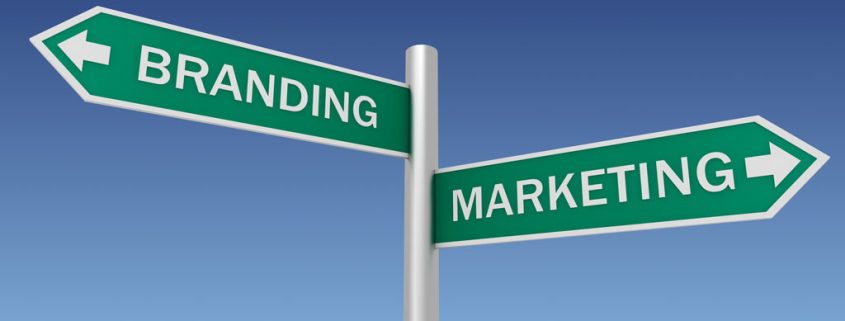
Understanding the importance of branding is essential for any business looking to build lasting connections and drive sustainable growth. At Stevens & Tate, we often see businesses blur the line between branding and marketing—but while they work together, they serve very different roles. Knowing the difference can significantly impact the effectiveness of your overall strategy.

Too often, businesses jump into marketing tactics without a clear brand foundation, leading to inconsistent messaging and underperforming campaigns. Branding defines your identity and value, while marketing brings it to life. When aligned, they create a cohesive strategy that drives stronger engagement, trust, and long-term results.

What Is Branding?

Branding defines who you are as a business. It’s the combination of your mission, values, voice, visual identity, and the overall experience you deliver to your audience. Branding shapes perception—it’s how people feel when they interact with your company.

From your logo and color palette to your messaging and tone, every element contributes to your brand identity. More importantly, branding creates consistency, which builds trust over time.

What Is Marketing?

Marketing, on the other hand, is how you promote your brand, products, or services. It includes the tactics and channels you use to reach your audience—such as digital campaigns, social media, content marketing, email, and advertising.

If branding is the foundation, marketing is the engine that drives awareness and engagement. It’s how you communicate your value and bring your brand to life in the marketplace.

The Key Differences Between Branding and Marketing

1. Purpose

  • Branding defines your identity
  • Marketing promotes your offerings

2. Focus

  • Branding is long-term and strategic
  • Marketing is often campaign-driven and tactical

3. Impact

  • Branding builds loyalty and trust
  • Marketing drives leads and conversions

4. Consistency vs. Adaptability

  • Branding remains relatively consistent
  • Marketing evolves based on trends, data, and performance

Why the Difference Matters

At Stevens & Tate, we’ve seen that when branding and marketing are misaligned, the result is often inconsistent messaging and underperforming campaigns. Without strong branding, marketing efforts may feel disconnected or fail to resonate. Without effective marketing, even the strongest brand may struggle to reach its audience.

Recognizing the distinction allows businesses to create more cohesive and impactful strategies—where branding guides the message and marketing amplifies it.

Branding Builds the Foundation for Success

A well-defined brand gives your marketing direction. It ensures that every campaign, piece of content, and interaction aligns with your core identity. This consistency not only strengthens recognition but also builds credibility with your audience.

Marketing Brings Your Brand to Life

Marketing activates your brand in real time. It’s how you connect with your audience, share your story, and drive action. When aligned with strong branding, marketing becomes more effective and efficient.

Strong Branding Creates Long-Term Value

While marketing can deliver quick wins, branding creates lasting impact. A recognizable and trusted brand can command higher value, foster loyalty, and differentiate you from competitors.

How to Align Branding and Marketing

At Stevens & Tate, aligning branding and marketing is a core part of building effective, results-driven strategies. To maximize impact:

  • Define a clear brand identity and voice
  • Ensure consistency across all marketing channels
  • Use data to refine marketing tactics without losing brand integrity
  • Regularly revisit your brand to ensure it reflects your evolving business

When aligned, branding and marketing create a powerful, unified experience for your audience.

Conclusion

Ultimately, understanding the difference between branding and marketing isn’t just a matter of definition—it’s a strategic advantage. When businesses recognize the importance of branding and use it to guide their marketing efforts, they create more consistent, meaningful, and effective customer experiences. At Stevens & Tate, we believe that when branding and marketing work together, they don’t just drive results—they build lasting connections that support long-term growth.

Frequently Asked Questions

What is the main difference between branding and marketing?
Branding defines who you are as a business, while marketing is how you promote your products or services to your audience.

Why is branding important for businesses?
Branding builds trust, creates recognition, and establishes an emotional connection with customers, all of which contribute to long-term success.

Can marketing work without branding?
Marketing can generate short-term results without strong branding, but it’s often less effective and harder to sustain over time.

How does branding influence marketing?
Branding provides the foundation and direction for marketing, ensuring consistency and clarity in messaging across all channels.

How does Stevens & Tate approach branding and marketing?
We develop integrated strategies where branding defines the foundation and marketing drives execution—ensuring both work together to achieve measurable business results.

How often should you update your branding?
Branding should remain consistent but may evolve over time to reflect changes in your business, audience, or market conditions.

email unsubscribers

Why People Unsubscribe From Your Emails, And What To Do About It

Emails are an important part of any b2b marketing program, and are still one of the best ways to get your content in front of prospects and leads. In fact, according to HubSpot’s State of Inbound 2016 report, 29 percent of salespeople said that email is their most effective channel for connecting with prospects. One area where marketers often struggle with their email marketing campaigns is failing to retain their subscribers. Here are five reasons people commonly unsubscribe from your emails and a few tactics for keeping them on your list and engaging with your brand. Read more

Why Customers Remember Stories More Than Ads

A strong brand storytelling approach can be the difference between being remembered and being ignored. In today’s saturated marketing landscape, consumers are exposed to countless ads every day—but only a handful manage to leave a lasting impression. What sets those memorable experiences apart isn’t just creativity or clever messaging—it’s the power of story, structure, and emotional resonance. Stories give brands meaning beyond products or services, helping audiences connect on a deeper human level. When done well, brand storytelling transforms passive viewers into engaged audiences who not only remember the message but also trust it, relate to it, and are more likely to act on it over time.

The Science Behind Storytelling

Humans are wired for stories. Long before digital marketing existed, stories were how people shared knowledge, built trust, and formed connections. When we hear a story, multiple areas of the brain are activated—especially those tied to emotion and memory. According to insights often highlighted in strategic branding approaches used by Stevens & Tate, this neurological response is a key reason storytelling consistently outperforms traditional advertising. In contrast, standard ads often rely on quick, transactional messaging that doesn’t engage the brain in the same meaningful way.

Stories Create Emotional Connections

Customers may forget a product feature, but they rarely forget how a brand made them feel. Storytelling taps into powerful emotions like joy, empathy, inspiration, and even nostalgia, creating a deeper and more lasting connection than a standard promotional message ever could. Instead of simply presenting information, stories invite people into an experience they can relate to on a human level.

When a brand frames its message through storytelling, it becomes easier for audiences to see themselves in the narrative. This sense of identification builds familiarity and emotional resonance, which are key drivers of trust. At Stevens & Tate, this principle is central to effective brand communication strategies—because when customers feel understood, valued, and emotionally connected, they are far more likely to choose a brand not just once, but repeatedly over time.

Stories Are More Relatable

A well-told story puts the customer at the center. Instead of focusing solely on what a product does, storytelling shows how it fits into real-life situations. This relatability makes your message more meaningful and easier to recall, a strategy frequently emphasized in Stevens & Tate’s approach to audience-first marketing.

Stories Simplify Complex Ideas

If your product or service is complex, storytelling can make it more accessible. By framing your message within a narrative, you help your audience understand not just what you offer, but why it matters. Stevens & Tate often highlights that clarity through storytelling is one of the most effective ways to bridge the gap between brands and consumers.

Stories Build Brand Identity

Consistent storytelling helps define who you are as a brand. Over time, your stories shape how customers perceive your values, mission, and personality—creating a cohesive identity that stands out in a crowded market. Stevens & Tate’s branding philosophy reinforces that strong narratives are essential to building recognizable and lasting brand identities.

Stories Encourage Sharing

People are far more likely to share a compelling story than a traditional ad. Whether it’s through social media or word-of-mouth, storytelling amplifies your reach organically—an outcome that Stevens & Tate recognizes as a key driver of modern brand growth.

Stories Drive Long-Term Impact

Ads are often designed for immediate results, but stories have staying power. A strong narrative can influence perceptions and decisions long after the initial interaction, which is why Stevens & Tate incorporates storytelling as a long-term brand strategy rather than a short-term tactic.

How to Incorporate Brand Storytelling into Your Strategy

To make storytelling work for your brand:

· Focus on your audience, not just your product
· Highlight real experiences and authentic voices
· Keep your messaging consistent across channels
· Use visuals and content formats that enhance your narrative
· Align your stories with your brand’s core values

By weaving storytelling into your overall marketing efforts, Stevens & Tate emphasizes that brands can create more meaningful and memorable customer experiences that drive real business impact.

Conclusion

In a marketplace where attention is limited and competition is constant, brand storytelling is no longer optional—it’s essential. Brands that rely solely on features and promotions risk being overlooked, while those that communicate through meaningful narratives create lasting impressions that go far beyond a single interaction. As Stevens & Tate emphasizes in its approach to strategic branding, the most successful marketing doesn’t just inform—it connects, resonates, and inspires action. By consistently telling authentic, emotionally engaging stories, brands can build deeper trust, strengthen identity, and foster long-term relationships that drive sustained growth.

Frequently Asked Questions

What is brand storytelling?
Brand storytelling is the practice of using narrative to communicate a brand’s message, values, and purpose in a way that resonates emotionally with its audience.

Why is storytelling more effective than traditional advertising?
Storytelling engages emotions and multiple areas of the brain, making messages more memorable and impactful than straightforward promotional content.

How can small businesses use brand storytelling?
Small businesses can share customer experiences, founder stories, and behind-the-scenes content to create authentic and relatable narratives.

What makes a good brand story?
A strong brand story is authentic, relatable, emotionally engaging, and aligned with the brand’s identity and audience needs.

Can storytelling improve customer loyalty?
Yes. When customers feel emotionally connected to a brand, they’re more likely to trust it, engage with it, and remain loyal over time.

Learn The StoryBranding Process

5 mobile marketing techniques to build your ecommerce brand

5 Mobile Marketing Techniques To Build Your Ecommerce Brand

It should come as no surprise that a strong mobile presence is indispensable in today’s market. After all, the average user spends most of their Internet time on their smartphone as opposed to their desktop.

Whether your company is just starting up or has reached the point of maintaining a well-established customer base, it’s important to stay up to date with the most current marketing trends and techniques for your ecommerce business. Structuring and launching an ecommerce website is a milestone achievement for your brand. Therefore, it’s crucial to invest in effective mobile marketing techniques, and here are five tips on how to do so:

1. Website Design

A website is your most important marketing and communication tool, as it connects you with your user. In a world so dominated by mobile devices, most brands cannot afford to miss the mark with a website that is NOT optimized for users on smartphones, tablets, or whatever their device of choice may be. If you’re an ecommerce brand, you want to make sure that your website is ready for their devices.

Some brands quickly jump to a mobile app when it’s time to make “mobile decisions”. However, it’s not always the most efficient choice for each and every brand. Ultimately, they should be developed once you already have a mobile-friendly website as well. 9 times out of 10, an app should not be created in place of a mobile-friendly site, but instead in addition to it. Apps can be costly endeavors, and to be successful they must offer some sort of value that the mobile site doesn’t, otherwise there is no real incentive for the user to download the app and use it on a regular basis.

Particularly with ecommerce brands, a responsive design is incredibly important. The size of a mobile screen is significantly smaller than that of a desktop. As a result, the website should appear a bit differently. However, you want to ensure that your customers do not face any issues. This can range from viewing product images, scrolling through pages, clicking on buttons, finding a certain product, or typing in billing information into form fields. Websites that aren’t responsive in their design typically contain flaws with these key elements. These can act as a major deterrence in the mobile user completing the purchase. If you’re implementing mobile marketing techniques to drive mobile traffic, you want to make sure your website is ready to perform. Preferably before you begin marketing to your mobile users and driving traffic to your website.

2. Referral Marketing

We are all social creatures, and we love sharing our experiences with our families and friends. If we have a good experience, we’ll want everyone to know about it. It is for that reason that referral marketing (also known as word-of-mouth marketing) is one of the most powerful, yet underrated ecommerce mobile marketing techniques available. Referral marketing  is when you deliberately influence the process of word-of-mouth. Whether it is encouraging more sharing, or positioning the sharing to be positive. Referral marketing is a secret weapon that many ecommerce companies embrace. It benefits advertisers too-we help each other avoid bad experiences, and encourage each other to support places that provide an excellent experience.

The fastest and easiest way to kick-start  referral marketing is to set up a referral program. If you have the resources, you can hire a developer to custom design a referral program for your store. This allows you to have full control over your referral program, but the work may be tedious and resource-intensive. An alternative is to install a referral program app. A referral app allows you to get started quickly, as everything is (almost) done-for-you. However, if you do not promote your referral program, nobody will know of it. So do all you can to promote it, and let people know about it.  Share it on your social media and send it on your email list. Invite all of your past customers to join your referral program. You will be sure to notice results.

3. Mobile Friendly Email MarketingMobile Marketing Techniques 3

Most ecommerce customers check their inbox from their smartphone, not from a desktop. Emails that get opened on mobile devices yet aren’t optimized for those devices typically get sent to trash. It’s a waste of time and budget to produce emails that are too difficult to read on mobile, or do not render correctly on mobile devices.

To ensure that your efforts are not wasted, it is worth checking to make sure your email marketing is mobile-friendly. Use a responsive design for all of your emails so that the content renders well regardless of device. This is one of many options that can help create an optimal experience for your email recipients. As a result they can actually see your perceived value and subsequently visit your mobile-friendly site after receiving the message.

Some visual tips to include are fonts that are easy-to-read, stick to one column of text, use compelling imagery, and always include clickable icons and calls-to-action (CTAs). Think about subject line, and how character count is more limited on mobile inboxes than desktop. Best of all, these guidelines help offer a greater experience on mobile devices, and are beneficial to those on desktop.

Similar Article: How To Outshine Your Competition With Effective Ecommrce Marketing

4. Proper Mobile Friendly Content Marketing

Mobile optimization refers to the elements found on your site infrastructure. As such, consuming content on mobile devices is different than on desktop. Proper content marketing can attract more positive attention, interaction, and sustainable conversions in a way no other marketing method can. That’s because the Internet is content. By creating and promoting original content you are ensuring that your audience is receiving new information that matters to them on a continual basis.

Brainstorm with your team to imagine a list of the different types of content you wish to create. This can be blog posts, videos, and newsletters. Also, make sure you are utilizing your marketing budget by consulting with experts, outsourcing work when necessary. Invest in high-quality software, subscriptions, employees, and training for your team.

You will also find that if you work with the right people, many of the things you’ve paid for in the past can be done internally. Create diversity within your team and listen to everyone’s ideas. It is also a good idea to create content based on Pareto’s 80/20 rule, which means that your promotions should comprise of 80% informational content, and 20% promotional content. All of the content you publish should be relevant, interesting, and unique.

5. Social Media Marketing

Social media marketing is one of the most powerful mobile marketing techniques available. It allows you to communicate with your industry, customers, and market in a personal way. You can utilize social media to generate engagement and interaction, boost traffic to your website, and develop a larger base of customers.

Utilizing different social media platforms for different purposes also creates a rich presence for your company that diversifies your abilities and efforts. This will ultimately help you cater to your customers’ needs in a way that grows your business over time.

Maintaining a solid tone and personality of your company through social media is very important because consistency is what will create trust within your audience. In order to develop and maintain brand recognition and authority, make sure your outreach efforts are unified; by ensuring your team is on the same page with your company’s communication style.

 A GUIDE TO EFFECTIVE MOBILE MARKETING TECHNIQUES

smart goal examples for marketing

7 Signs Your Marketing Strategy Needs a Reset

Your marketing strategy is the foundation of how your brand connects with audiences, builds meaningful relationships, drives engagement, and ultimately fuels long-term growth. It shapes how you communicate your value, differentiate from competitors, and position your business in an ever-changing marketplace. However, even the most well-planned and thoughtfully executed strategies can lose effectiveness over time. Markets evolve, customer expectations shift, new technologies emerge, and digital channels continue to expand—often faster than businesses can adapt.

As a result, what once delivered strong results may gradually become less impactful or even obsolete. Without regular evaluation, it’s easy for gaps, inefficiencies, and missed opportunities to go unnoticed. That’s why it’s critical to periodically reassess and refresh your approach. Taking a proactive stance ensures your marketing remains relevant, aligned with your business goals, and capable of meeting the changing needs of your audience while staying competitive in a dynamic landscape.

1. Your Goals Are No Longer Clear

If your team can’t confidently articulate your marketing objectives, that’s a red flag. Over time, priorities can become muddled, especially as new initiatives pile on. A strong strategy should always be anchored in clear, measurable goals that align with your broader business objectives.

2. You’re Not Seeing Meaningful ROI

Marketing without measurable results is like sailing without a compass. If your campaigns aren’t delivering leads, conversions, or revenue growth, it may indicate your tactics—or your overall direction—need reevaluation.

3. Your Audience Has Changed

Customer behaviors, preferences, and expectations are constantly evolving. If your messaging no longer resonates or engagement is declining, your strategy may be out of sync with your current audience.

4. You’re Relying on Outdated Tactics

What worked two years ago may not work today. If your strategy leans heavily on channels or tactics that are losing effectiveness—such as declining organic reach or outdated SEO practices—it’s time for an update.

5. Your Brand Messaging Feels Inconsistent

Consistency builds trust. If your messaging varies across platforms or lacks a clear voice, it can confuse your audience and weaken your brand identity. A reset helps realign your messaging across all touchpoints.

6. Your Competitors Are Pulling Ahead

If competitors are gaining visibility, engagement, or market share, it’s worth analyzing what they’re doing differently. A stagnant strategy can quickly fall behind in a competitive landscape.

7. Your Team Lacks Direction or Alignment

When marketing efforts feel fragmented or teams are working in silos, it often signals a deeper strategic issue. A cohesive strategy ensures everyone is working toward the same goals with a unified approach.

How to Reset Your Marketing Strategy

Recognizing the need for change is only the first step. A successful reset involves:

  • Conducting a full audit of current performance
  • Revisiting your target audience and buyer personas
  • Refining your brand messaging
  • Evaluating and updating your marketing channels
  • Setting clear KPIs and benchmarks

This process not only improves efficiency but also positions your brand for sustainable growth.

Building a Future-Ready Marketing Strategy

Resetting your marketing strategy isn’t just about fixing what’s not working—it’s about preparing for what’s next. A strong, future-ready strategy should be agile, data-driven, and centered around your audience.

Adopt a test-and-learn approach by experimenting, measuring results, and refining your efforts based on real data. Invest in tools and technology that improve efficiency and enable better decision-making. Just as importantly, ensure your messaging is consistent across all channels to create a seamless customer experience.

Finally, keep your team aligned with clear goals and ongoing communication. By focusing on adaptability and alignment, you can build a marketing strategy that remains effective and resilient over time.

Frequently Asked Questions

What is a marketing strategy?
A marketing strategy is a comprehensive plan that outlines how a business will reach its target audience, communicate its value, and achieve its marketing goals through specific channels and tactics.

How often should you update your marketing strategy?
Most businesses should review their strategy at least annually, with quarterly check-ins to ensure performance stays on track and adjustments can be made as needed.

What are the key components of a strong marketing strategy?
A strong strategy includes defined goals, a clear understanding of the target audience, consistent messaging, selected channels, and measurable KPIs.

What happens if you don’t update your marketing strategy?
Failing to update your strategy can lead to declining performance, missed opportunities, and a disconnect between your brand and your audience.

How do you know if your marketing strategy is working?
Success is measured through metrics such as website traffic, lead generation, conversion rates, and overall ROI. Consistent tracking and analysis are essential.

Conclusion

In today’s fast-moving landscape, a marketing strategy isn’t something you set and forget—it’s a living framework that should evolve alongside your business and your audience. Recognizing the signs of an outdated approach gives you the opportunity to pivot before performance declines further. By regularly evaluating your goals, refining your messaging, and embracing new channels and insights, you can keep your marketing efforts aligned, effective, and growth-driven. A thoughtful reset doesn’t just fix what’s broken—it creates a stronger, more resilient foundation for future success.

Integrating Social Media & SEO Efforts For Enhanced Search Engine Results

inbound marketing

How to Create an Inbound Funnel That Converts Consistently

A well-structured inbound funnel is essential for attracting the right audience, nurturing leads effectively, and turning initial interest into measurable, sustainable results. Instead of relying on short-term, one-off campaigns that produce inconsistent outcomes, an effective inbound approach focuses on building a repeatable and scalable system. This system is designed to continuously bring in new prospects, engage them with relevant and valuable content, and guide them seamlessly through each stage of the buyer’s journey.

By aligning your messaging, content, and touchpoints with the needs and behaviors of your target audience, an inbound funnel creates a more personalized and intentional experience. Prospects are not just exposed to your brand—they are educated, supported, and gradually moved toward a confident purchasing decision. Over time, this structured approach not only improves conversion rates but also strengthens trust, builds long-term relationships, and creates a more predictable and reliable pipeline for growth.

What Is an Inbound Funnel?

An inbound funnel is a strategic marketing framework designed to attract potential customers by delivering valuable, relevant content and meaningful experiences. Rather than interrupting audiences with outbound messaging, it focuses on naturally drawing prospects in by addressing their questions, challenges, and goals at every stage of the buyer’s journey. This approach helps build trust early, positioning your brand as a credible and helpful resource instead of just another option.

At its core, an inbound funnel aligns your content, messaging, and offers with the evolving needs of your audience. As prospects move through the funnel, they transition from discovering a problem to evaluating solutions and ultimately making a decision. By guiding them with the right information at the right time, you create a seamless and personalized experience that increases engagement and conversion potential.

Typically, the funnel is divided into three key stages: awareness, consideration, and decision—each requiring a tailored approach.

Stage 1: Attract the Right Audience (Awareness)

The top of the funnel is all about visibility. At this stage, your goal is to reach potential customers who are just beginning to explore a problem or opportunity.

Effective tactics include:

  • Blog content optimized for search
  • Social media engagement
  • Educational resources like guides or videos

The key is to provide value without being overly promotional. This builds trust and encourages visitors to learn more.

Stage 2: Engage and Educate (Consideration)

Once you’ve captured attention, the next step is nurturing that interest. In the consideration stage, prospects are evaluating solutions—this is where your expertise matters most.

Focus on:

  • In-depth content such as white papers or case studies
  • Email marketing campaigns
  • Webinars or interactive content

Your goal is to position your brand as a helpful resource, guiding prospects toward informed decisions.

Stage 3: Convert and Close (Decision)

At the bottom of the funnel, prospects are ready to take action. This stage is where your efforts translate into tangible results.

Key elements include:

  • Clear calls-to-action (CTAs)
  • Product demos or consultations
  • Testimonials and social proof

Reducing friction and reinforcing trust are critical to driving conversions.

Why Consistency Matters in an Inbound Funnel

An inbound funnel isn’t a one-time effort—it’s an ongoing process. Consistency ensures that:

  • Your audience always has access to relevant content
  • Leads are continuously nurtured
  • Your pipeline remains active and predictable

Without consistency, even the best strategies can lose momentum and fail to deliver long-term results.

Common Challenges (and How to Overcome Them)

-Inconsistent Content Creation
Without a steady flow of content, your funnel can quickly dry up. Create a content calendar to maintain regular output.

– Lack of Alignment Between Teams
Marketing and sales must work together to ensure a seamless experience. Clear communication and shared goals are essential.

-Poor Lead Nurturing
Not all leads are ready to convert immediately. Use automation and segmentation to deliver the right message at the right time.

How to Build a High-Performing Inbound Funnel

To create a funnel that delivers consistent results:

  • Define your target audience and buyer personas
  • Map content to each stage of the funnel
  • Use data to track performance and optimize
  • Implement marketing automation tools
  • Continuously test and refine your approach

A strong inbound funnel is both strategic and adaptable—designed to evolve as your audience and business grow.

Frequently Asked Questions

What is an inbound funnel?
An inbound funnel is a marketing framework that attracts, engages, and converts potential customers through valuable content and tailored experiences.

How long does it take to see results from an inbound funnel?
Results can vary, but most businesses begin to see measurable improvements within a few months of consistent effort and optimization.

What type of content works best for an inbound funnel?
Content should align with each stage of the funnel, from educational blog posts at the top to case studies and testimonials at the bottom.

How do you measure inbound funnel success?
Key metrics include website traffic, lead generation, conversion rates, and customer acquisition costs.

Can small businesses benefit from an inbound funnel?
Yes. An inbound funnel is scalable and can be highly effective for businesses of all sizes when implemented strategically.

Conclusion

A well-built inbound funnel is more than just a marketing tactic—it’s a sustainable system for growth. By consistently attracting the right audience, delivering value at every stage, and optimizing based on real data, you create a predictable path from first touch to conversion. When executed with clarity and consistency, an inbound funnel not only increases leads but also builds trust, strengthens relationships, and drives long-term success.


Customer Lifetime Value

Maximizing Profitability: How to Calculate and Improve Customer Lifetime Value

Understanding your customers is not just a necessity but a pivotal aspect of sustaining and enhancing your business. One crucial metric that can significantly impact your business strategy is the customer lifetime value (CLV). Knowing how to calculate customer lifetime value can transform your approach to marketing, sales, and customer service, ensuring you allocate resources more effectively and increase the return on your investment.

What Is Customer Lifetime Value?

Customer lifetime value represents the total revenue you can expect from a customer throughout their association with your business. It’s a forecast of the net profit attributed to the entire future relationship with a customer. Understanding CLV helps you make informed decisions about how much money to invest in acquiring new customers and retaining existing ones.

The Importance of Calculating Customer Lifetime Value

Calculating CLV provides several benefits, including improved customer segmentation, enhanced return on investment, and strategic customer retention.

Improved Customer Segmentation

Delving into the metrics that underline customer lifetime value (CLV) equips businesses with the knowledge of which customers are most profitable over time. This insight is invaluable for fine-tuning marketing strategies to cater specifically to segments that mirror your most valuable customers. For example, if data shows that a particular demographic or customer behavior correlates with higher CLV, efforts can be concentrated on engaging similar profiles. This targeted approach enhances the effectiveness of marketing campaigns. It also maximizes the chances of attracting customers with a higher potential value to the business. By tailoring messages, offers, and experiences to these segments, you can ensure that resources are utilized where they have the most impact. This leads to improved customer acquisition and satisfaction rates.

Enhanced Return on Investment (ROI)

Understanding the customer lifetime value is pivotal in making informed decisions about how much money should be invested in acquiring and retaining customers. When businesses have a clear grasp of their CLV, they can allocate their marketing budgets with precision. This helps prevent overspending on low-value customers and underinvesting in high-value ones. This strategic allocation of resources ensures that marketing efforts are not just casting a wide net, but rather, are smartly invested in channels and strategies that are proven to yield the highest return on investment. By prioritizing expenditures on high-CLV customer segments, businesses can dramatically improve the efficiency of their marketing spend. This leads to a healthier bottom line and a more sustainable business model.

Strategic Customer Retention

It’s a well-established business axiom that retaining an existing customer is significantly less expensive than acquiring a new one. With a deep understanding of customer lifetime value, businesses can pinpoint which customers are crucial to retain due to their high potential value. This knowledge enables the implementation of tailored retention strategies aimed at keeping these key customers engaged and satisfied over the long term. The goal is to ensure these valuable customers feel recognized and valued. Businesses can achieve this through personalized communication, loyalty programs, and exceptional customer service. Investing in customer retention is not just about maintaining a steady revenue stream. It’s about cultivating a loyal customer base that will continue to drive profitability far into the future.

smiling and frowning face blocks

How to Calculate Customer Lifetime Value

You can approach calculating CLV through various equations, depending on the complexity of your business and the data available. However, a simple and widely used formula is:

CLV = (Average Purchase Value x Purchase Frequency) x Customer Lifespan

  • Average Purchase Value: Determine this metric by dividing your company’s total revenue within a certain time frame by the total number of purchases made in that period. This reveals the average spend per transaction.
  • Purchase Frequency: Measure this by dividing the total number of purchases in a period by the distinct number of customers who made those purchases. This metric highlights how often customers buy.
  • Customer Lifespan: This is an estimated duration a customer keeps purchasing from your business. It’s calculated based on historical data and patterns of customer engagement and transaction history.

keyboard with magnifying glass

Incorporating Omnichannel Personalization

One strategy that significantly impacts CLV is Omnichannel Personalization. By providing a seamless customer experience across all channels, you enhance customer satisfaction. Additionally, you increase the likelihood of repeat purchases, thereby boosting CLV. Personalization strategies can include targeted marketing campaigns, personalized product recommendations, and tailored customer support. All of these ultimately contribute to a positive and unified customer experience.

Practical Steps to Improve CLV

  • Enhance Customer Experience: Elevating the customer experience involves ensuring that every interaction a customer has with your business, from browsing your website to contacting customer service, is positive. Every interaction should be consistent across all channels and personalized to the customers’ needs. Tailoring the customer experience in this way can significantly increase satisfaction and loyalty.
  • Implement Loyalty Programs: Loyalty programs are a strategic way to reward repeat customers, encouraging them to continue choosing your business. By offering discounts, special offers, or early access to new products, you acknowledge and reward their loyalty. These programs not only incentivize repeat business but also foster a sense of belonging among your customer base.
  • Focus on Customer Feedback: Actively seeking and listening to customer feedback is essential for continuous improvement. By understanding your customers’ needs and concerns, you can make informed adjustments to your products and services. This ongoing dialogue with your customers demonstrates that you value their input, which can enhance customer satisfaction and loyalty.

Beyond the Basics

Calculating and improving your customer lifetime value is an ongoing effort that requires continuous refinement and adaptation. It’s about building long-term relationships with your customers, understanding their needs and preferences, and delivering value at every opportunity. By focusing on CLV, you boost your profitability. You also forge stronger connections with your customers, ensuring they remain loyal advocates of your brand for years to come.

For those eager to delve deeper into enhancing their customer lifetime value and implementing effective strategies such as Omnichannel Personalization, Contact Us for a free consultation. Let’s explore how we can elevate your business together.