
lead generation content marketing

The Importance of Lead Generation and Content Marketing Agencies

Your company is struggling to generate leads, and you’re looking for a quick and relatively simple solution. I have the solution, but you’ll probably groan because you’ve heard it before. “Content is king” might be an overused term, but that’s only because it’s proven to be true. A foolproof solution to your lack of leads as well as website foot traffic is lead generation content marketing.

Importance of Lead Generation and Content Marketing Agencies

Nowadays, the quality of your company’s content is more important than ever before. Granted, there is more space to generate content and share it on the Internet, but with increased space comes tougher competition. We as a marketing agency in Illinois, feel pressure to stand out from the pack with remarkable content that converts our website’s visitors into potential leads. Consistent, quality content will attract the attention of readers, as well as encourage them to trust your company. Content marketing agencies can also help you create effective content marketing strategies and manage your content channels.
A GUIDE TO EFFECTIVE MOBILE MARKETING TECHNIQUES

So what exactly is “quality” content?

Quality content has a specific purpose, format, and topic. The purpose should help the users find an answer to their questions or interests. The format you choose should fit your content well. In order to attract more leads, the content in the conversion stage should consist mainly of content offers.

Also Read: Content Marketing Misconceptions

Choose an appropriate formatContent_Marketing_Agencies 2

The format of the content offers can be a multitude of things; such as case studies, white papers, forms, calls-to-action, visuals, eBooks, emails, and landing pages. For example, if you want to demonstrate to users how a product works, you might use the template of a visual, such as a video or an image, rather than an eBook. On the other hand, if you wish to show your readers a how-to process that is also aesthetically pleasing, an eBook format would work better than a visual one.

In terms of topics, your content should be educational as well as specific. You should conduct market research and create content with your buyer personas in mind. Imagine you are your buyer persona: what problems do you need solutions for? How far are you in the buyer’s journey? What language would you use when typing keywords into the search engine? This can help you cater your content towards your target audience.

Similar Article: A Brief Guide to Sales Lead Generation

Be consistent

Another factor that makes content “quality” is frequent and consistent publication. If your readers know they can count on you to publish a semi-weekly blog in a specific time window, they are much more likely to see you as reliable. Webdam’s statistics show that blogging consistently has led to B2B marketers generating about 67% more leads marketers who do not, which is a huge advantage. After you’ve earned their trust, a number of your visitors will subscribe to you and convert to leads.

Lead generation content marketing is a proven way to get the word out about your company and have potential customers become interested in your business. Without good, consistent content, people will have little reason to visit your website or truly believe that you’re a leader in your field. Don’t let this happen to you.

Conclusion:

Effective lead generation and consistent, high-quality content marketing are essential for building trust, attracting the right audience, and driving business growth. Partnering with an experienced inbound marketing agency can make all the difference, helping your brand stand out, deliver real value, and convert visitors into loyal customers. Contact us at 630-627-5200 today for a free consultation and discover how we can make things happen for your business.


Optimizing Your Social Media Strategy: SEO Pitfalls to Avoid

Crafting an effective social media strategy is essential in today’s digital marketing landscape. A well-optimized approach can lead to increased brand visibility, engagement, and conversions. However, various SEO pitfalls can hinder these outcomes. This comprehensive guide explores crucial SEO issues to avoid, ensuring your social media efforts are both effective and rewarding.

The Essence of SEO in Social Media

First, let’s take a look at SEO’s Role:

  • Enhances content discoverability on search engines: Implementing SEO practices can significantly improve the likelihood of your content appearing in top search engine results. This visibility is crucial for attracting potential customers who are actively searching for related topics or products.
  • Applies to websites and social media profiles/content: SEO is not limited to websites alone; it extends to social media profiles and their content. By optimizing social media posts and profiles with relevant keywords and metadata, you can boost their discoverability both on social platforms and search engines.
  • Increases visibility and drives traffic: Effective SEO strategies lead to higher visibility online, making it easier for your target audience to find you. This increased online presence directly contributes to more traffic to your website or social media profiles, potentially leading to higher engagement rates and conversions.

Platform-Specific Optimization

Optimizing content for each social media platform’s unique algorithms is crucial for maximizing engagement and reach.

  • Unique Platform Algorithms:
    • Each social media platform operates with its own set of algorithms and best practices that dictate content visibility. Understanding these can significantly enhance your content’s performance.
    • Tailoring your content and engagement strategies to align with each platform’s specific algorithms can lead to better visibility and interaction rates.
  • Examples:
    • Instagram: This platform’s algorithm prioritizes engaging visual content and the strategic use of hashtags to increase discoverability among targeted audiences.
    • Twitter: Known for its preference for brief, impactful content paired with timely and relevant hashtags, Twitter is ideal for real-time engagement and news sharing.
    • LinkedIn: As a professional network, LinkedIn values insightful, industry-related content that fosters professional growth and networking opportunities.
    • Facebook: With its diverse user base, Facebook’s algorithm promotes a variety of content types, from videos and images to in-depth articles, to engage a broad audience.

Also Read: The Secret to SEO and 5 Tips on Optimizing Your Results

Overlooking Keywords

Incorporating relevant keywords into your social media strategy is essential for enhancing visibility and attracting the right audience.

  • Keyword Integration:
    • Embedding well-researched, targeted keywords into your social media profiles, posts, and hashtags can greatly improve your content’s searchability and reach.
    • Conduct thorough keyword research to identify terms that your target audience frequently uses, ensuring your content resonates and is easily discoverable.
  • Balancing Act:
    • Achieving a balance between incorporating relevant keywords and maintaining a natural, engaging content flow is key to keeping your audience interested while optimizing for search engines.
    • Avoid overusing keywords in your content, as this can lead to a decline in content quality and user engagement, potentially harming your brand’s reputation and reach.

Now Let’s take a look at the top SEO Issues that can sabotage your social media strategy optimization efforts:

1. Ignoring Local SEO

Geographic Targeting:

  • Incorporate location-based keywords for businesses with a physical presence or local target market
  • Utilize geotagging features in posts and profile settings
  • Local Engagement:
    • Engage with local communities and events
    • Share location-specific content to enhance local relevance and visibility

2. Inconsistent Branding and Messaging

Brand Identity Consistency:

  • Maintain a uniform brand voice, imagery, and messaging across platforms
  • Use consistent logos, color schemes, and brand messaging to reinforce brand recognition

Content Cohesion:

  • Align content themes and messaging with your overall brand strategy
  • Ensure all posts contribute to a cohesive brand narrative

3. Ignoring Visual Content Optimization

Visual Appeal:

  • Use high-quality, engaging visuals in line with brand aesthetics
  • Optimize image sizes and formats for each platform

Alt Text and Captions:

  • Include descriptive alt text and captions with relevant keywords
  • Enhance accessibility and SEO with meaningful, keyword-rich descriptions

4. Neglecting User Engagement

Interactive Content:

  • Create posts that encourage user interaction, such as polls, questions, and calls-to-action
  • Monitor and respond to comments, messages, and mentions promptly

Community Building:

  • Foster a sense of community among followers
  • Encourage user-generated content and share user stories relevant to your brand

5. Poor Linking Practices

  • Share links to high-quality, relevant content
  • Avoid excessive linking that can detract from user experience

Cross-Platform Promotion:

  • Promote your social media content across different platforms
  • Include links to your social profiles on your website and in email signatures

6. Not Leveraging Analytics

Performance Tracking:

  • Use social media analytics tools to track the performance of your posts and campaigns
  • Analyze engagement rates, reach, and follower growth

Insight-Driven Adjustments:

  • Adapt your strategy based on analytics insights
  • Test different content types, posting times, and engagement tactics to optimize results

Expanding Your Strategy

  • Explore emerging content formats like live videos, stories, and reels
  • Stay abreast of platform updates and new features to leverage them effectively

Collaborations and Partnerships:

  • Partner with influencers and other brands to expand your reach
  • Collaborate on content creation to tap into new audiences

Social Listening:

  • Monitor social conversations about your brand and industry
  • Use insights from social listening to inform content creation and engagement strategies

You Can Do it!

To maximize the impact of your social media strategy, it’s crucial to navigate around common SEO pitfalls. By focusing on platform-specific optimization, strategic keyword use, local SEO, consistent branding, and engaging content, you can elevate your social media presence. Additionally, embracing visual content optimization, active user engagement, strategic linking, and analytics will further enhance your strategy. By avoiding these SEO issues and continuously adapting your approach based on insights and trends, you can achieve sustained success!

Also Read: When Are the Best Times to Post On Social Media?

Ready to boost your online presence and avoid common SEO mistakes on social platforms? Let the best social media marketing agency guide your strategy to success. Don’t let poor optimization hold your brand back—partner with experts who know what works. Contact us at 630-627-5200 today for a free consultation and discover how we can make things happen for your business.

inbound marketing solutions

The Benefits of Inbound & Outbound Marketing

There are two main types of marketing: inbound and outbound. Inbound marketing involves positioning yourself to be found by your target audience, providing them with the content they need for self-informed decision-making. Examples include SEO and content marketing. On the other hand, outbound marketing is more traditional, advertising directly to a broad audience through channels like TV commercials, radio ads, and magazine ads instead of waiting to be found.

Many businesses tend to prefer one over the other. However, the most effective way to market to your target audience is to use a combination of both inbound and outbound. To understand why using both is a valuable investment to your business, you’ll need to understand the Benefits of Inbound and Outbound Marketing.

The Benefits of Inbound Marketing

Inbound marketing is a non-invasive advertising approach. In contrast, outbound marketing interrupts the audience’s activities (reading, listening to the radio, watching TV, etc.). One benefit of inbound marketing is avoiding annoyance by not disrupting experiences. It allows potential customers to move through the sales funnel at their own pace without pressure. Providing content for them to read at their convenience helps build brand loyalty, trust, and comfort. Notably, outbound marketing is short-term, while inbound is long-term. The website and content you create continue attracting new leads over time.

8 Important Questions To Ask When Hiring Inbound Marketing Agencies

The Benefits of Outbound Marketing

The biggest benefit to using outbound marketing is that you have the potential to reach a larger audience. This could be an audience who may not be familiar with your brand or the services you have to offer. They may not know that they have a need for your products or services until they see your ad and wouldn’t have known to search for your brand beforehand. It’s also a great way to reach audiences who do know about your brand but who may not have known about new products and services that you’re offering.

Using Inbound and Outbound Marketing Together

Using both forms of marketing provides short-term and long-term results and can complement each other. Here are examples of effective combined use of inbound and outbound marketing:

  1. Generate traffic via outbound: Consumers have smartphones or tablets even while watching TV. Running a TV commercial (outbound) can encourage viewers to visit your social media page or website (inbound). This applies to various outbound efforts, like putting your site on billboards or magazine ads, prompting in-store customers to follow you on social media, etc.
  2. Nurture leads before promoting live events: Inbound marketing can inform audiences about your brand and familiarize them with you. Before promoting live events in-store or at a tradeshow (outbound efforts), where they can pick up pamphlets or speak with sales reps in person, nurture leads through inbound efforts. Interested in learning more about lead nurturing? Using Lead Nurturing During the Consideration Stage Of The Buyer’s Journey

Inbound VS Outbound Marketing: What’s Better for You?

Which One Should I Choose?

As per above above-listed benefits of Inbound and Outbound marketing, there’s no reason to limit yourself to either inbound or outbound marketing. There’s no reason to limit yourself to either inbound or outbound marketing. Learning how to use both effectively can be a valuable skill for your business. The answer lies in recognizing the strengths of each and being able to leverage both effectively. Mastering this blend is not just a skill; it’s an important way to maintain a successful and impactful marketing approach.

Conclusion:

While outbound tactics provide quick visibility, the real long-term value lies in building trust and nurturing leads through inbound marketing services. By creating helpful, engaging content that meets audiences where they are, businesses can attract, convert, and retain loyal customers over time.

Inbound marketing will help you grow your business by attracting website visitors, converting them into leads and closing leads into customers

FABTECH Chicago 2025

WHO: FABTECH 2025 is North America’s largest metal forming, fabricating, welding, and finishing event. It provides a convenient ‘one-stop shop’ venue where you can meet with world-class suppliers, see the latest industry products and developments, and find the tools to improve productivity, increase profits and discover new solutions to all of your metal forming, fabricating, welding and finishing needs.

WHERE: McCormick Place, Chicago, Illinois

WHEN: September 8-11, 2025

DETAILS: FABTECH offers a variety of conference sessions and workshops led by industry experts, covering topics like technical, operational, economic, and managerial aspects of the industry. Visitors can also explore a wide range of products and services across various sectors, including forming and fabricating, 3D/additive manufacturing, robotics, and industrial automation.

Digital Strategies to Lead Generation & Drive Demand; 8:30 AM – 9:30 PM, Wednesday, September 10, 2025

Internet Marketing Director, Nicole Wagner, will be presenting Digital Strategies to Lead Generation & Drive DemandNicole will guide you on leveraging digital media, your website, and content development to build a strong online presence that attracts the right audience and converts them into valuable leads. It will delve into strategic planning for your marketing initiatives, focusing on creating a compelling web presence and developing targeted content that resonates with your ideal audience. Audience will leave with the tools to evaluate your existing marketing programs and implement inbound marketing strategies to drive growth and achieve the business goals.


Register for the event here.

Learn more about FabTech 2025 here.

Read about Dan Gartlan and Nicole Wagner, or book them for speaking here.

Book a free consultation with Stevens & Tate here.

email opening lines

Email Opening Lines That Actually Work

In the digital age, emails have become a primary mode of communication, especially in professional settings. Email opening lines are crucial; they are the first thing the recipient reads and set the tone for the rest of your message. A well-crafted opening line can make the difference between your email being read or ignored. 

This blog will explore the best opening lines for an email suitable for different contexts, including formal, polite, professional, business, and friendly scenarios.

Formal Email Opening Lines

Formal emails are often used in professional settings where a respectful and serious tone is required. They are ideal when communicating with someone you don’t know well or in situations demanding a high level of professionalism.

Formal Opening Line for Email Examples:

  1. “Dear [Recipient’s Name], I am writing to you regarding…”
  2. “To Whom It May Concern, I wish to express my interest in…”
  3. “Dear [Recipient’s Title and Name], I write to seek your guidance on…”
  4. “Esteemed [Recipient’s Title], I am contacting you in relation to…”
  5. “Respected [Recipient’s Name], I am reaching out regarding our upcoming collaboration…”
  6. “Dear Sir/Madam, I am formally requesting assistance with…”
  7. “To the [Department/Team Name], I wish to submit my proposal for…”

These lines establish a formal tone, showing respect and professionalism, which is crucial in official matters.

Polite Email Opening Lines

Politeness is important in any form of communication, especially in emails. Having polite opening lines helps in fostering a positive relationship with the recipient.

Polite Opening Line for Email Examples:

  1. “I hope this message finds you well. I am reaching out to…”
  2. “Thank you for your attention. I would appreciate your input on…”
  3. “Good day, I hope this email finds you in good health. I wanted to discuss…”
  4. “Hello, I trust you are doing well. May I inquire about…”
  5. “Greetings, I hope you’re having a productive week. I’m writing to ask about…”
  6. “Hi there, I hope you had a great weekend. I’m reaching out because…”
  7. “Dear [Recipient’s Name], I hope this message finds you well. I am eager to hear your thoughts on…”

These lines demonstrate courtesy, enhancing the recipient’s receptiveness to your message.

Learn More About: How Personalization Can Improve Your Email Performance

Professional Email Openings

Professionalism in emails is about being concise and to the point while maintaining a respectful tone. These openings are perfect for day-to-day business communications.

Professional Opening Line for Email Examples:

  1. “Greetings, I would like to discuss…”
  2. “Hello, thank you for your email regarding…”
  3. “Greetings [Recipient’s Name], I am writing to follow up on our last conversation regarding…”
  4. “Hello [Recipient’s Name], I wanted to touch base about quickly…”
  5. “Hi [Recipient’s Name], I’m reaching out to provide an update on…”
  6. “Dear [Recipient’s Name], I have some news regarding our ongoing project…”
  7. “Good morning/afternoon, I want to clarify a few points about our recent meeting…”

These lines are straightforward yet courteous, suitable for regular business interactions.

email marketing program

Opening Sentences for Business Emails

Business emails demand clarity and a direct approach. The opening sentence should immediately convey the email’s purpose.

Opening Sentence Business Email Examples:

  1. “Regarding our upcoming project, I wish to update you on…”
  2. “Following our recent conversation, here is the information you requested…”
  3. “As agreed in our previous discussion, I am sending over the details of…”
  4. “Following up on our recent meeting, I have compiled the report on…”
  5. “In response to your request, here are my recommendations for…”
  6. “I would like to draw your attention to the recent developments in…”
  7. “Pertaining to our last conversation, I have a few updates regarding…”

These lines are clear and direct, indicating the email’s purpose right from the start, which is appreciated in business communications.

Friendly Email Opening Lines

When writing to someone you have a good rapport with, a friendly opening can be engaging—these lines are ideal for less formal, more personal communications.

Friendly Opening Line for Email Examples:

  1. “Hi [Name], I was just thinking about our last meeting and wanted to ask…”
  2. “Hey [Name], hope you’re doing well. I have some ideas to share regarding…”
  3. “Hey [Name], just a quick check-in. How’s everything going with…”
  4. “Hi [Name], I was just reminiscing about our last meeting and thought to follow up on…”
  5. “Hello [Name], I came across something that reminded me of our project. Have you got a minute to discuss?”
  6. “Hi there [Name], hope you’re doing well. Just wanted to share a quick update on…”
  7. “Hey [Name], I was thinking about what you said last time and wanted to explore the idea of…”

Also Read: Tips for Strong Email Subject Lines

What Else Should You Pay Attention To?

Crafting Opening Lines for Different Scenarios

It’s essential to tailor your opening line to the context of your email. The tone and formality should match the purpose of your email and the relationship you have with the recipient.

Common Mistakes to Avoid in Email Opening Lines

  1. Avoid overly casual or overly formal language in inappropriate contexts. 
  2. Starting an email with an apology can also weaken your position unless it’s necessary.

The Impact of a Well-Chosen Best Email Opening Lines

The best opening lines of email holds significant importance in determining its efficacy. A well-thought-out introduction sets the tone for your message, captures the recipient’s attention, and improves the likelihood of a positive response. The first line is an opportunity to establish a connection with the reader, convey the purpose of your email, and create a favorable impression. Hence, it is crucial to invest time and effort in crafting an opening line that is engaging, relevant, and tailored to your audience. By doing so, you can increase the chances of your email being read and responded to positively.

Also Read: How to Improve Your Email Open Rate and Click-Through Rate

Ready to transform your email marketing and overall digital strategy? Stevens & Tate offers comprehensive digital marketing strategy services to help you optimize your online presence, engage your audience, and drive sustainable growth. Contact us today for a free consultation and discover how we can make things happen for your business.

email opening line
creative seo strategies

SEO for Creatives: Optimizing Visual Content for Search

Visual content plays a crucial role in capturing and retaining the attention of online audiences. Whether you’re a photographer, graphic designer, artist, or any other type of creative professional, it’s essential to understand how to optimize your visual content for search engines; also knows as Creative SEO. This not only helps your work get discovered by a wider audience but also establishes your online presence as a creative authority. Below, we’ll explore key strategies for optimizing visual content for SEO. 

Creative SEO Strategies Focusing on Images and Videos:

Optimize File Names 

Before uploading images or videos, rename the files to include descriptive keywords. For example, instead of a generic filename like “IMG_12345.jpg,” use something like “landscape-painting-by-artist-name.jpg”. This small but effective step can improve your content’s search visibility. Another tip is I like to label files with their purpose at the front of the file names so they stay together when sorting alphabetically, making it easier to locate files. An example is “slider_landscape-painting-by-artist-name.jpg”. 

High-Quality Images and Videos 

The foundation of any successful visual content is high-quality media. Ensure your images and videos are clear, well-composed, and relevant to your target audience. High-resolution images not only enhance user experience but also signal to search engines that your content is valuable. 

Optimize Image and Video Metadata 

Metadata refers to the information embedded within your media files. This includes details like title, description, tags, and copyright information. Make sure to include relevant keywords in these fields to improve search engine visibility. 

Utilize Image Sitemaps 

An image sitemap is a file that provides search engines with information about the images on your website. It helps search engines understand the context and relevance of your visual content. You can generate and submit an image sitemap through tools like Google Search Console. 

Alt Text and Descriptions 

Alt text (alternative text) provides a textual description of an image or video, which is important for accessibility and SEO. Describe your visual content in a concise and accurate manner, incorporating relevant keywords. Additionally, provide detailed captions or descriptions wherever applicable. 

Also Read: The Secret to SEO and 5 Tips on Optimizing Your Results

Mobile Optimization 

With an increasing number of users browsing on mobile devices, it’s crucial to ensure your visual content is optimized for mobile viewing. Use responsive design principles to ensure your images and videos display correctly on various screen sizes. 

Want to learn more about mobile optimization? Read this article.

Page Speed and Compression 

Fast-loading pages are favored by both users and search engines. Compress your images and videos to reduce file sizes without compromising quality. This can significantly improve page load times, which is a known ranking factor for search engines. You can test your site speed with tools such as GTMetrix.  

General Creative SEO Strategies:

Keyword Research 

Just like with written content, keyword research is vital for optimizing visual content. Identify relevant keywords and phrases that potential viewers might use to search for your type of creative work. Tools like Google’s Keyword Planner can help you discover popular and relevant keywords. 

Social Media Integration 

Sharing your visual content on social media platforms can boost its visibility. When posting, make sure to include relevant captions and hashtags. Social signals, such as likes, shares, and comments, can indirectly influence your content’s SEO performance. 

Monitor and Analyze Performance 

Regularly monitor the performance of your visual content using tools like Google Analytics. Track metrics such as page views, engagement, and conversion rates. This data can provide valuable insights into what works best for your audience. 

Optimizing visual content for search engines is a crucial aspect of a successful online presence for creatives. By following these strategies, you can increase the visibility and accessibility of your work to a wider audience. Remember that SEO is an ongoing process, so regularly review and update your visual content to stay competitive in the digital landscape. 

Conclusion

By applying creative SEO strategies to your images, videos, and graphics, you can drive more traffic, boost engagement, and enhance your brand’s visibility in search results.

Ready to take your content strategy to the next level? We are offering expert search engine marketing solutions that help your brand stand out and stay ahead in an increasingly visual digital world. Contact us today to get started!

17 SEO Myths
New call-to-action
4cs of marketing model

Introducing the 4C Marketing Model and why you should follow it

When it comes to marketing models, the 4P marketing model is the most traditional, business-oriented one — and the one you’re most likely familiar with. The 4Ps represent product, price, promotion, and place. For a more customer-oriented model, you may want to follow the 4C marketing model.

What Are the 4cs of Marketing?

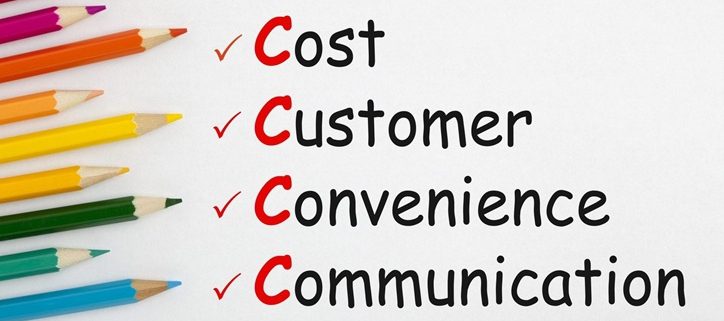
The 4Cs of marketing — Customer, Cost, Convenience, and Communication – represent a customer-centric approach to marketing strategy. The 4Cs of marketing focus on understanding and meeting customer needs and it is customer-centric alternative to the traditional 4Ps. The 4C marketing model was first proposed by Bob Lauterborn in an article published in Advertising Age in 1990. He saw it as a possible effective alternative. The following is a brief breakdown of the 4C marketing model, which consists of consumer, cost, convenience, and communication.

4Cs of Marketing

Consumer

First, you have to know who your target customers are and what their needs and wants are. The consumer should drive all of your marketing efforts from here on out. Having knowledge about your target audience makes it easier to create a product that fulfills a need in the market. This is where your buyer personas come in. Buyer personas represent your ideal customer and once you understand them, you better understand your target audience. This leads to improved communication with your consumers and gives them the sense that you understand them as well, leading to improved sales. Of course, the product is an important focus in any marketing model, but always remember the value of the consumer.

Cost

In the 4Cs marketing model, the cost evaluates the cost considerations from the buyer’s perspective. Determining the cost involves performing detailed research into what customers are able and willing to pay. Additionally, do research into the cost of competing products. The research will aid you in figuring out whether selling your product at a cost that customers are willing to pay will be profitable or not. You will also need to take into account the added costs of purchasing your product outside its sticker price. For example, how much customers will need to pay in taxes, shipping costs or transportation costs.

One thing that’s important to keep in mind is that the price point of your product isn’t what necessarily convinces consumers to purchase your product. A low price point won’t always drive sales, after all. In the end, it’s the benefit of your product that will help support its costs.

Communication

Communication refers to how you will engage with your customers. You will want to find ways to engage with your target customers to build confidence in your brand and your product. Customers want to know how buying your product will benefit them and that’s what you need to focus on communicating. You should focus on providing relevant information to customers in order to help them figure out what their problems, needs, or challenges are. This will then allow you to position your product as a potential solution. This requires that you ask your customers questions and listen to what they have to say. Communication is a two-way street after all.

Promoting products is all about saying what you have to say and hoping the customer buys it. Communication is about strengthening your understanding of your customers and building trust in your brand. One of the best ways to do this is through social media.

Convenience

Convenience focuses on how easy it is for customers to purchase your product. You’ll want to identify potential barriers and figure out ways to remove those barriers in order to improve customer convenience. For example, maybe a poor user interface is preventing potential customers from using your e-commerce site. Providing quality customer support to help make the purchasing process easier is also an important facet of improving convenience.

Also Read: How To Outshine Your Competition with Effective Ecommerce Marketing

In today’s world, the consumer has more power than ever. As such, your marketing efforts will be more successful if you take a more customer-oriented approach. By understanding the importance and using the 4C marketing model, you’ll have more success targeting customers who are actually interested in what you have to offer. Not to mention that such an approach will help you build long-lasting relationships with your customers.

Conclusion:

Adopting the 4C Marketing Model allows businesses to shift their focus from simply selling products to truly understanding and connecting with their customers. If you’re ready to take your marketing to the next level and create a customer-first strategy, Strategy Marketing Agency like Stevens & Tate is here to help you develop tailored marketing solutions that deliver real results. Contact us at 630/627-5200 or Request your FREE Consultation Today!

Free Marketing Consultation