
storytelling_vs._storybranding

Storytelling vs. Storybranding: Key Differences | Stevens & Tate

People often think of business storytelling and storybranding as the same thing. Both belong in the same story toolbox, but they are as different as a flat blade and a Phillips screwdriver. Both storytelling and Storybranding are part of attraction marketing. Both approaches help companies connect with audiences on a deeper emotional level, but they accomplish this in very different ways. Understanding the distinction between the two can help businesses communicate more effectively and build stronger long-term relationships with customers.

Storytelling is the more commonly used tool.

Businesses of every size use storytelling to humanize their brands, simplify complex ideas, and create memorable customer experiences. Whether shared through advertisements, presentations, social media, or customer testimonials, stories help audiences feel personally connected to a company’s message.

You may not be aware of it, but anytime you talk about events associated with how you or your company has had to deal with some problem, you are telling a story. If you tell your story well, your audience can visualize what happened and identify with the central problem as you describe it. And if you’ve captivated their interest, you might hear a “Wow!,” “Really?,” “Oh No!,” or get some other emotional reaction. These emotional responses are important because they make audiences more likely to remember the message long after the conversation or advertisement has ended. Emotion plays a significant role in decision-making, especially when customers are comparing brands that offer similar products or services. Read more

How to Build Brand Authority with Effective Marketing Strategies

Building brand authority is one of the most valuable ways businesses can earn customer trust and stand out in competitive markets. Today’s consumers rely heavily on online research, reviews, and digital content before making purchasing decisions, making a strong marketing strategy more important than ever.

When customers trust a brand, they are more likely to engage with its content, return for future purchases, and recommend it to others. From website optimization to content marketing and social media engagement, businesses can use several strategies to strengthen credibility and build long-term customer relationships.

Launch a Responsive Website and Keep It Updated

website updates

Your website is a powerful and effective asset in your marketing tools arsenal, forming the foundation of your strategy. When people search for products and services, they start with online research. Therefore, a website creates the first impression of your brand.

A company’s website is often the first interaction potential customers have with a brand. A responsive, user-friendly website helps establish credibility while improving the overall customer experience.

Businesses should focus on clear navigation, fast loading speeds, mobile optimization, and informative content that answers customer questions. Including testimonials, case studies, and updated resources can also help increase trust and encourage conversions.

 Once the search engines notice your website, potential customers can find your products and services. However, optimizing the website to ensure maximum user experience is prudent.

Simplify navigation and download for a seamless experience and ensure related products are easy to find. Similarly, the content must be authoritative and informative to ensure it covers all user queries. And since most people use mobile devices, compatibility is a critical consideration. But if you want to increase trust and recognition, include testimonials from past clients.

Video Marketing

Video is an in-dismissible marketing and sales strategy in the digital age. Video marketing uses motion pictures to promote your brand. Unlike written content, video educates the audience, boosts engagement, and helps your brand stand out from competitors.

You are missing a powerful marketing opportunity if your marketing strategies don’t include video. Studies show that 92% of businesses consider video a must-have strategy that ensures lasting results.

You can create virtual tours of your business or happy customers enjoying your products or services. Regardless of your choice, focus on quality and relevance to ensure maximum impact.

Strategic Digital Content Marketing

Content marketing is a vital and effective strategy for your business. However, creating high-quality content requires expertise, but it’s worth the effort. If you don’t have an in-house content team, you can outsource the service to third-party creators with a track record of delivering stellar results.

Besides helping search engines rank your site, quality content can convert prospects to loyal customers. Serious customers don’t need irritating popups or irrelevant information –they want to fulfill their search intent.

Most prospects on your website want relevant, high-quality, informative, and engaging content. Unless you ensure the content resonates with your target audience, visitors won’t spend much time on your website. Therefore, the content should grab visitors’ attention quickly and encourage them to interact with your site and learn more about your brand.

Ideally, the content should focus on the persona’s pain points and how your products can solve the problem. Similarly, avoid overemphasizing your brand and instead focus on the offer.

Leverage CRM Tools to Nurture Relationships

CRM software helps build and manage relationships with your customers. Businesses receive multiple leads from various sources, including phone calls, walk-ins, referrals, emails, social media, and websites. Building a great customer relationship ensures recurrent revenues from return customers.

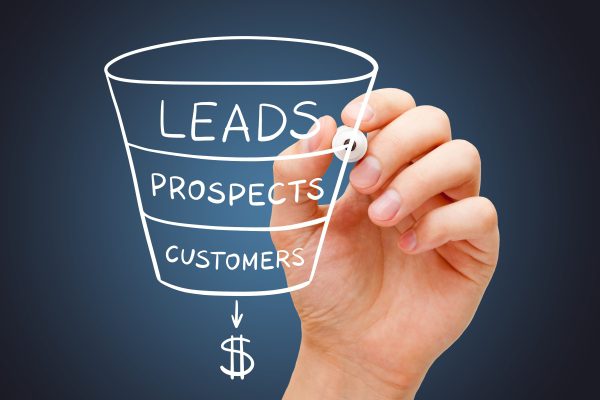
Since every lead is a potential customer, it’s critical to group, monitor, and track the leads. Having a reliable system to nurture and manage leads throughout the funnel can improve efficiency.

Besides automating customer data and tracking the customer journey, CRM can provide insights and simplify follow-up management. Depending on your business needs, you can find appropriate CRM software to supercharge your marketing strategy.

Email Marketing

Email marketing offers a channel to communicate and engage with your customers. While inbound marketing is about building and nurturing relationships, email marketing establishes the relationships in your customer’s inbox.

But this doesn’t mean spamming your audience. You only send valuable emails to people who have granted you permission, and they can opt out of your email list.

While most email marketing tools are excellent, you need to plan and schedule your email broadcasts depending on the prospect’s position in the sales funnel.

email marketing

Since consistency is golden in email marketing and sales strategy, creating evergreen sequences is essential to engage customers at different stages in the sales cycle. You can start by offering freebies to establish and nurture relationships. Offering valuable information without asking for anything builds trust and makes your prospect receptive to future offers.

The emails should go out on a specific day of the week throughout your marketing strategy to ensure consistency. This helps demonstrate professionalism and discipline when delivering on your promise.

Establish Social Media Presence and Connect With Your Audience

Social media is more than a modern broadcast tool; at least 73% of businesses consider social media an effective marketing strategy. It’s an effective platform where you can interact with your prospects on a personal level and build lasting relationships.

It helps establish a bond with your followers and broadcast valuable content. Most importantly, you can interact with influencers in your industry. Collaborating with influencers can boost your content reach and brand visibility since you leverage a wider network.

Influencer social sharing can attract inbound links from other websites, which increases your domain authority. High-ranking domains get a higher feedback loop since you get more organic traffic.

Most social media platforms provide users with data about their followers. Similarly, social media analytics tools can offer deep insight into the best content for your audience based on their preferences and habits.

Bottom Line

Data analytics has become an essential part of modern marketing strategies. Businesses now have access to tools that track website traffic, customer behavior, engagement rates, and conversion performance in real time. This data helps companies make informed marketing decisions and better understand what content resonates most with their audience.

Platforms like Google Analytics, CRM systems, and social media insights allow marketers to measure campaign effectiveness and adjust strategies when needed. Rather than relying on assumptions, businesses can use measurable data to improve customer targeting, increase engagement, and maximize return on investment.

According to Forbes, data-driven marketing allows businesses to better personalize content, improve audience targeting, and create more effective customer engagement strategies. As it continues to evolve, companies that rely on analytics and customer insights are often better positioned to strengthen long-term brand authority.

Building brand authority takes consistency, strategy, and a strong understanding of your audience. Businesses that invest in high-quality content, customer engagement, and personalized marketing efforts are better positioned to create long-term trust and recognition.

While results may not happen overnight, implementing effective marketing strategies across digital channels can strengthen brand visibility, improve customer loyalty, and support long-term business growth.

Best Advertising Agency: 6 Tips for Choosing One

Marketing your company is a must if you have any hope for success. Unfortunately, marketing your company effectively can be very time-consuming and can require a significant amount of resources. It’s why many businesses choose to outsource to an advertising agency. There are many reputable agencies out there to choose from; however, there are also plenty of agencies that can do more harm than good. To make sure that the money you spend on an agency will actually translate to real results, use the following tips to hire the right advertising agency:

1. Find an Advertising Agency That Focuses on Cultureadvertising agency

There are a lot of different factors that you should consider when comparing advertising agencies. However, one of the most important ones is the cultural fit. Make sure that the agency you hire shares the same core values as your business. A good agency that shares your values will be more collaborative and innovative. You should be able to get some sense of their culture by observing their work environment as well. If people seem active and cheerful at the same time, it’s a good sign.

2. Consider The Agency’s Talent

Arguably as important as an agency’s culture is their talent. Without talent, their culture will only take you so far. You want to work with an agency that isn’t conservative. This means that they’re not always looking to play it safe. You want an agency that’s ambitious and that is constantly looking to improve its abilities. You’ll also want to make sure that they are technologically literate. Speak with their HR team to learn about the types of people they tend to look for and hire. You should also look at their turnover rate. A high turnover rate tends to be an issue. It means that they’re either not hiring the right type of talent or that their talent tends to look elsewhere because the agency is a bad fit.

3. Don’t Rule Out Agencies Based On Location

Don’t limit your search for an advertising agency to your location. Location no longer means that much. After all, you don’t need to have in-person meetings with your agency all that often. In today’s connected world, it’s easy to keep in touch using email, online chat, video conferencing, and by phone. Additionally, it can actually benefit your company to look for an agency that’s outside of your area as it could provide you with an outside perspective. Such a perspective can really help freshen up your marketing efforts. By limiting your search to your location, you’ll limit your access to quality agencies and unique perspectives.

4. Don’t Rely Solely on RFPs

RFPs (requests for proposals) can be quite helpful, but you shouldn’t base your decision solely on an RFP. Many agencies excel at RFPs but only because they are opportunistic. When you review an RFP, speak with the agency’s leadership to get a feel for how passionate they are about the work that they do. Ask them about some of their greatest successes as well as some of their failures. The way an agency talks about their past failures can be very enlightening. After all, you’ll want an agency that is willing to reflect on its failures and learn from them.

5. Don’t Make Low Prices Your Main Priority

If you’re working with a limited advertising budget to begin with, you might be tempted to go with the agency that offers the most affordable rates. However, keep in mind that like with most things, you get what you pay for. If you go with the cheapest agency, it may result in lower quality work. They may even cut corners, which is the last thing you want when it comes to implementing a successful long-term advertising strategy.

6. Look Into Their Track Record

Do a little research into an agency’s past and current clients to get an idea of how effective they are as an advertising agency. If the agency has been around for a while, take note of its long-term clients. Clients that have stuck with them for a long time are a good indication of the agency’s quality and commitment. If an agency has a large turnover when it comes to clients, it’s often a bad sign. Be sure to ask the agency for references that you can contact as well.

Interactive Speaking & Marketing Consulting Experiences

Outsourcing your marketing efforts is generally a good way to save money over the long run and to ensure that you have an experienced team that you can rely on. Unfortunately, not all advertising agencies are reliable or even reputable, for that matter. As such, make sure that you use these six tips to find an advertising agency that will work closely with you to help you achieve your specific marketing goals.

Free Marketing Consultation
smart goal examples for marketing

Latest Digital Advertising Trends Shaping Modern Marketing

Regardless of its niche or size, every business must position itself in the market to become profitable. And with digital advertising trends coming up every now and then, it takes considerable effort, time, and resources to design an ideal marketing strategy that will work for your unique business.

As a marketer or business owner, digital advertising is crucial to the continuous growth of your products or business. But many do not know that keeping up with the most recent digital marketing trends often means spending your resources to update processes, upskill employees and acquire new systems and inventories. This explains why marketing takes a significant portion of the budget in most companies.

If you are considering updating or revamping your digital advertising strategy this holiday season, there’s a lot you stand to gain. Besides staying ahead of the competition, you also have the potential to reach new customers while building brand awareness. Here are some digital advertising trends you can implement in your business.

Personalization is Key

Before advertising any product or reserve, you must know who you target and why. Most businesses often run their digital advertising campaigns in silos without a keen understanding of their business, customers, and marketing goals.

For instance, if you advertise some digital products, you must first highlight the goals you want to accomplish. These goals should complement your overall marketing goals and be detailed enough to show who you want to target, when, and how often.

To streamline your digital advertising campaigns, you should have a personalization plan. Personalizing your digital ads means giving your prospects what they want when they want it. This helps optimize your campaigns and increase the chances that your prospects will take the desired action.

But how can you incorporate personalization into your digital advertising? Here are a few tips to consider:

  • Create in-depth customer profiles. Before you can target any of your prospects, you should group them accordingly. You can use AI technology to implement lead scoring and effectively segment your target market for proper personalization.
  • Leverage user data. A lot is nested in the user data collected in the various prospects’ touchpoints. A simple site visit, for example, can give many clues and insights into how the prospects interacted with the website and what needs improvement. You can then use these clues to create a winning video advertising campaign.
  • Use dynamic retargeting to re-engage your audience. Modern personalization techniques allow marketers to show certain ads to certain visitors, increasing the accuracy and effectiveness of digital advertising.

Video Ads are On the Rise

Video ads don’t particularly fall into the category of digital advertising trends since it’s been on the market for quite some time. However, this isn’t to say that video advertising is no longer relevant. In fact, recent statistics from Wyzowl show that 91% of businesses will use video as a marketing tool in 2023, up from 86% in 2022.

If you are wondering why the numbers favor video ads, you must first note that videos have a higher engagement than any other piece of content. Most people love visuals, and marketers are rethinking their digital advertising strategies to reflect this trend.

It’s worth noting that video advertising isn’t simple and often involves lots of creativity and expertise if it’s to make a huge impact. Here are some video advertising tips you can deploy to take your marketing to the next level.

  • Ensure the videos are relevant. You can have the best video ads in the world, but if they are irrelevant they will not convert. Relevancy in the digital advertising niche means different things to different people. But you can simply put it – the videos should speak to your prospects’ problems in a relatable, timely, and persuasive way.
  • Use user-generated video ads. Incorporating user-generated videos into your ads may seem impractical, but it’s easier than you think. All you need to do is ensure the video is edited for length and relevancy.
  • Use first-person experience videos. As the name suggests, first-person videos do away with voiceovers and spokespeople, centering the experience on the customers, business owners, founders, etc. The goal is to showcase some sense of presence, ownership, and authenticity of the brand.

Mobile Optimization

Mobile optimization is one of the digital advertising trends of 2023 that’s proving quite effective in the content marketing niche. With more people using their smartphones to access the internet, it’s becoming increasingly necessary for marketers to adapt their techniques to reflect this trend.

The other reason why a mobile-first marketing strategy is crucial is that new technologies such as AR and VR are predominantly app-based, making smartphones and mobile experiences the absolute winner.

By optimizing content for mobile, marketers and business owners can increase the visibility of their products and brands, helping drive the conversation. Using video content as an example, here are a few mobile optimization techniques you can implement:

  • Use square and vertical videos. Most videos with an aspect ratio of 4:5 are ideal for smartphone users and would work best for social media channels like Facebook and Instagram. For YouTube videos, an aspect ratio of 16:9 is ideal.
  • Keep the videos short. The video ads should be short and engaging.
  • Feature the brand or product message early. Since the video is short, ensure you feature the brand early enough. This ensures prospects know what you are promoting as soon as the ad plays.

Make Digital Advertising a Breeze

Digital marketing is one of the highly dynamic fields, and as a digital marketer, you need to stay up to date with the latest digital advertising trends. The three tips we highlighted above are just a few of the many, so feel free to research and try different techniques before picking the best.

Besides being on the lookout for new digital marketing trends, it’s crucial to constantly review your digital marketing strategies to know whether they are effective. You can seek expert help when monitoring your digital marketing strategies to ensure you have the upper hand.


Dan Gartlan helps companies of all kinds drive their business initiatives and achieve their goals. He does this with strategic marketing programs that deliver results. As President of Stevens & Tate Marketing, he has over 20 years of experience across various industries. He continues to share and build brands nationwide.

attraction marketing

Improve Market Presence Through Attraction Marketing

Over the past two years we have been asked by many companies what they can be doing themselves to improve their result in marketing. Budgets are tight and often people have time on their hands due to decrease workloads or seasonality. In June 2009 we began work on strategies that companies can implement with their team to build their business. During the process it became clear that, in order to control spending the focus would need to be on non-media strategies. Further discussion led us to the term “Attraction Marketing.” In short, Attraction Marketing improving your attractiveness to your prospects, to the marketplace.

We all personally want to be seen as attractive, be respected, admired, relevant. Similarly, Attraction Marketing addresses topics that can help create these perceptions for businesses.

Some of the strategies we will cover will be familiar to you, though we hope to get you to think about it a little differently. Some of the tactics you may already be doing, and that’s great. Hopefully we can show you how these things as connected and building on each other.

Stevens & Tate Marketing have been the test group for Attraction Marketing for 12 months now. In the postings I will tell you what worked for us and speak to our results. I will offer suggestions on how to lead the process through developing management and tracking. So join me is as I cover topics like All Dressed Up, Show Up In Style, Be Impressive, Become A Socialite, Lend A Hand, Stay Top Of Mind over the next few months.

How to Develop an Outstanding Business Development Plan

Developing a great business development plan requires a strategic mindset, comprehensive analysis, and meticulous execution. This may involve pursuing new market opportunities, diversifying products or services, expanding into untapped regions, forging strategic alliances or partnerships, or enhancing customer engagement. The strategies should be realistic, measurable, and time-bound to ensure effective execution.

The business development plan should include a well-defined implementation process with clear responsibilities and timelines. It is essential to allocate sufficient financial and human resources to execute the plan effectively. Regularly monitoring and evaluating progress against the set targets is critical, allowing for timely adjustments and corrective actions when necessary. By creating a well-structured plan that aligns with the organization’s goals, identifying growth opportunities, and implementing effective strategies, businesses can position themselves for long-term success and remain competitive in a rapidly evolving marketplace.

Here are 8 proven steps to developing a winning business development plan:

1. Conduct a Comprehensive Business Analysis

Conduct a thorough analysis of various aspects of the business, such as market trends, customer demands, competition, and internal capabilities. This will provide you with invaluable insights to inform the development plan.

Through a comprehensive analysis, you can identify your business’s strengths, weaknesses, opportunities, and threats (SWOT analysis) and capitalize on your advantages while mitigating risks. It helps in understanding the market landscape, target audience, and emerging trends, enabling you to effectively align your development plan with market demands and customer expectations. Additionally, analyzing competitors’ strategies and industry benchmarks allows you to differentiate yourself from the crowd and gain a significant competitive edge.

2. Define Clear Goals and Objectives

Clearly defined goals and objectives provide a sense of direction and purpose, guiding the entire development process toward success. By setting specific, measurable, attainable, relevant, and time-bound (SMART) goals, you can effectively chart your path to growth and expansion.

Furthermore, clear goals and objectives provide a basis for evaluating the plan’s progress and success. They enable your organization to track key performance indicators (KPIs), measure performance against targets, and make data-driven adjustments if necessary. Regularly reviewing and assessing the progress towards these goals allows for continuous improvement and ensures that your plan remains aligned with the evolving business landscape.

3. Identify Target Markets and Ideal Customers

Identifying target markets and ideal customers enables you to concentrate your efforts, align your strategies with customer needs, and seize lucrative opportunities for sustainable growth and success.

Pinpointing ideal customers also empowers you to discover untapped opportunities and niche markets that align with your strengths and capabilities. This knowledge allows you to position yourself effectively, stand out from competitors, and tailor your offerings to meet the unique demands of your ideal customers.

4. Craft a Compelling Value Proposition

A compelling value proposition serves as the foundation that defines the distinct value your business offers to its target customers, setting it apart from competitors. By presenting a clear and engaging message, the value proposition becomes the linchpin of the plan, resonating with the intended audience.

Additionally, a compelling value proposition guides the strategic decisions and actions outlined in the business development plan. It assists in identifying target markets, shaping marketing strategies, and determining pricing and positioning approaches. The value proposition ensures that all activities and initiatives align with your business’s unique value, creating a unified and consistent customer experience.

5. Create Lead Generation Strategies

Lead generation strategies play a critical role in attracting potential customers and nurturing them into loyal patrons.

By implementing robust lead generation strategies, you can generate a consistent flow of qualified leads, nurturing them through the sales funnel and converting them into loyal customers. This drives revenue growth, enhances customer relationships, and fuels the overall success of the business development plan.

6. Establish Sales and Conversion Processes

Establishing effective sales and conversion processes can help streamline your operations and maximize the conversion of leads into paying customers. Having well-defined sales processes enables businesses to effectively manage leads and guide them through each stage of the sales funnel. This includes activities such as lead qualification, nurturing, and closing.

By implementing standardized processes, you can ensure consistency, efficiency, and effectiveness in your sales efforts. This helps identify bottlenecks, optimize the customer journey, and improve conversion rates.

7. Monitor, Evaluate, and Adapt

Monitoring involves tracking and evaluating the implementation of the plan’s strategies and goals to ensure effective and efficient execution. By monitoring progress, you can identify areas of success and areas that may require adjustment, enabling you to stay on track and achieve desired outcomes.

Regular monitoring allows you to assess key performance indicators (KPIs) and measure progress against set targets. This data-driven approach provides valuable insights into the plan’s effectiveness, enabling timely adjustments and corrective actions when necessary. Monitoring progress ensures you allocate resources appropriately and align activities with the plan’s objectives.

8. Build Strategic Partnerships

Strategic partnerships allow you to access new markets or customer segments that may have been difficult to penetrate independently. By leveraging the partner’s existing customer base or distribution channels, you can significantly accelerate growth and expand your customer reach more effectively. Moreover, strategic partnerships help in fostering knowledge sharing and innovation.

Bottom Line

Developing a successful business development plan requires a strategic and systematic approach. By following the steps outlined above, B2B organizations can drive customer base expansion, lead generation, and sales growth. Regularly monitor, evaluate, and adapt your plan to ensure sustainable growth and profitability.

Fostering a culture of innovation, adaptability, and continuous improvement is crucial for developing sustainable business growth. It encourages collaboration across different departments, facilitates knowledge sharing, and promotes a customer-centric approach.


Role of Creative Copywriting

How to Create Taglines That Customers Actually Remember

A great tagline can do more than sound clever—it can shape how people remember your brand for years. Think about the phrases that instantly bring a company to mind. The strongest taglines communicate value, personality, and purpose in just a few words. But creating one that sticks isn’t as simple as stringing together a catchy phrase.

For brands looking to strengthen recognition and improve messaging consistency, developing effective brand taglines is an essential part of long-term strategy.

Why Taglines Matter in Branding

A tagline is a short phrase that reinforces your brand identity and helps audiences understand what makes your business distinct. Unlike a slogan, which may support a temporary campaign or promotion, a tagline is typically more enduring and closely tied to your overall positioning.

An effective tagline helps brands:

  • Increase memorability
  • Clarify their value proposition
  • Create emotional connection
  • Differentiate from competitors
  • Reinforce brand voice across channels

At Stevens & Tate, we often see businesses invest heavily in logos, websites, and advertising while underestimating the power of a strong tagline. Yet sometimes the smallest piece of copy becomes the most recognizable part of a brand.

What Makes a Tagline Memorable?

Not every short phrase qualifies as a good tagline. The most memorable ones share a few common characteristics.

1. Keep It Simple

Complex messaging is difficult to remember. The best taglines are concise and easy to repeat. Aim for clarity over cleverness.

A good rule: if someone can’t recall it after hearing it once or twice, it may be too complicated.

2. Focus on Brand Value

Your tagline should communicate something meaningful about your brand. Ask yourself:

  • What problem do we solve?
  • What emotional benefit do customers get?
  • What do we want to be known for?

Effective brand taglines don’t just sound nice—they reinforce why customers should care.

3. Make It Distinctive

Avoid generic phrases that could apply to almost any company. “Quality You Can Trust” or “Solutions for Success” may sound professional, but they lack originality.

Instead, look for language unique to your positioning, audience, or personality.

4. Appeal to Emotion

People remember how brands make them feel. Taglines that inspire confidence, excitement, comfort, or aspiration tend to leave stronger impressions.

A memorable tagline often connects functional benefits with emotional meaning.

5. Ensure Longevity

A tagline should ideally support your brand for years, not just months. Avoid trendy language or references that may quickly feel dated.

Before finalizing, ask whether the line will still feel relevant as your business evolves.

Steps to Create Effective Brand Taglines

Creating a strong tagline is part creative exercise, part strategic refinement.

Start With Your Brand Positioning

Before brainstorming language, define your core identity:

  • Mission
  • Audience
  • Differentiators
  • Brand promise
  • Voice and tone

Without this foundation, even a catchy phrase can feel disconnected.

Brainstorm Broadly

Generate a wide range of options before narrowing down. Experiment with:

  • Short statements
  • Questions
  • Benefit-driven phrases
  • Emotional language
  • Wordplay (used sparingly)

Quantity matters early in the process.

Test for Memorability

Once you have a shortlist, test options internally or with customers.

Ask:

  • Which phrase is easiest to remember?
  • Which best reflects the brand?
  • Which creates the strongest emotional reaction?

Sometimes the line your internal team loves isn’t the one customers retain.

Check Practical Usage

A tagline should work seamlessly across:

Make sure it’s flexible enough for real-world application.

Common Mistakes to Avoid

Brands often weaken their messaging by making avoidable tagline mistakes.

Being Too Vague

If your tagline could belong to five competitors, it isn’t doing enough.

Over explaining

Trying to say too much creates clutter. Brevity is part of the power.

Prioritizing Cleverness Over Clarity

A witty phrase may feel creative but confuse your audience.

Ignoring Audience Perspective

What sounds compelling internally may not resonate externally. Always consider customer interpretation.

How Stevens & Tate Approaches Tagline Development

At Stevens & Tate, tagline creation is treated as a strategic branding exercise rather than a standalone copywriting task. A memorable tagline emerges from understanding audience behavior, market positioning, and long-term brand goals.

By aligning messaging strategy with creative execution, brands can develop effective brand taglines that strengthen recognition and improve consistency across every touchpoint.

Frequently Asked Questions

What is the difference between a tagline and a slogan?

A tagline is usually a long-term phrase tied to your brand identity, while a slogan is often campaign-specific and temporary.

How long should a brand tagline be?

Most strong taglines are between 3–7 words. The goal is brevity without sacrificing meaning.

Can businesses change their tagline?

Yes, but frequent changes can weaken brand recognition. Update only when your positioning or strategy significantly evolves.

Should my tagline include my product or service?

Not necessarily. Many memorable taglines focus more on brand promise or emotional value than literal offerings.

Why are effective brand taglines important?

They improve memorability, communicate differentiation, and create stronger emotional associations with your brand.

Conclusion

A memorable tagline is one of the most efficient tools in branding. In just a few words, it can clarify your message, strengthen recognition, and help customers instantly connect with what your business stands for.

Creating effective brand taglines requires more than creativity alone—it demands strategic clarity, audience understanding, and disciplined editing. When done well, a tagline becomes more than a phrase; it becomes part of how customers remember you.

For brands looking to sharpen their messaging and create stronger brand recall, Stevens & Tate understands that sometimes the smallest words leave the biggest impression.


Integrating Social Media & SEO Efforts For Enhanced Search Engine Results