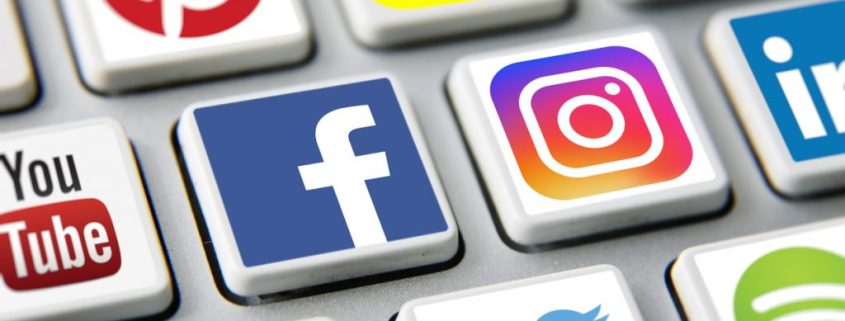
social media personas

Establishing Your Brand Personality Through Social Media Personas

When setting up accounts and profiles on various social media platforms to promote your brand, remember that your competitors are also on social media. Simply posting content on multiple platforms isn’t enough to get your brand at the forefront, especially without a clearly defined social media persona.

Customers are nowadays looking for content that resonates with their needs. Research shows that 90% of consumers buy products from businesses that advocate for a cause they can identify with.

People love associating with brands that provide a personal, human touch. They would prefer to associate with a business that delivers on its brand’s qualities and values. If your business demonstrates reliability, commitment, loyalty, honesty, and longevity, it can better succeed in the competitive business landscape.

However, if your posts still miss the mark and don’t help your brand effectively reach its target audience, it may be because you haven’t clearly defined your social media persona. The persona sets you apart from the competition and gives your brand a voice.

It guides your social media marketing strategy, engagement with your target audience, and the content you post. This post will explain how to create a buyer persona to boost your social marketing strategy.

What Is Social Media Persona?

Social media personas are fictional profiles you can develop to represent your brand and target your customers. They combine qualities and characteristics that give your brand a distinct personality, including character, tone, voice, and approach. These factors are critical because they influence how customers interact with your brand.

Remember that your customers don’t read statistics about your brand’s performance and probably don’t care how many awards you’ve won. They care more about who you are and what your brand stands for, not your logo.

How to Create Your Social Media Personas?

Creating social media personas can help establish a consistent and familiar presence on your social media platforms. These personas must be authentic and align with the values of your organization. The process doesn’t have to be complicated, and you can find and build the perfect persona for your brand in a few steps.

The best practices to consider while creating these personas are:

 Identify Your Target Audience

The first step to creating a successful social media persona is to make the “ideal customer.” Who is it that your brand targets, and what are their demographics? It would help if you established the following factors:

  • Their gender
  • Age
  • Employment status
  • Income levels
  • Location
  • Home types
  • Relationship status

You may also want to research more information like their hobbies, goals and motivation, purchasing triggers, pain points and fears, and personality traits. For a more comprehensive persona, it would also help to find out the social media channels they actively use, the influencers they like to follow, and the hashtags they respond to regularly.

You can research this information through the following:

  • Your existing customer data available on your CRM, email lists, point of sale systems, and customer support systems
  • Your social media analytics, such as Facebook, Instagram, LinkedIn, and your website analytics
  • Collecting customer feedback through social media polls, emails, or surveys.

The goal is to create a brand persona that appeals to every segment of your target audience while aligning with your business niche.

Stay True to the Values Which Your Brand Wants to Convey

Once you have all the information you need to develop your brand’s perfect social media persona, determine the values you want to convey to your customers. Your content creation strategy should revolve around the following:

  • The unique selling proposition that sets you apart from other brands
  • How you want to portray your brand
  • What you want to offer your audience on social media
  • The kind of tone that typically resonates with your audience

Once you have answers to these questions, brainstorm a list of adjectives to describe your brand’s voice. Think of terms like professional, candid, passionate, authentic, relatable, bold, honest, and trustworthy. These will guide your brand’s personality when approaching the above factors. Staying true to these values is the easiest way to maintain consistency across all your social media platforms.

Choose Visual Elements Which Align with Your Brand Identity

In maintaining consistency across your brand, you also must include visual elements that resonate with your brand. Studies prove visuals are more effective in passing your brand message than words. Photos, videos, illustrations, and infographics can strengthen your brand and boost engagement with your audience.

Choose visual elements that embody your brand’s personality and create a strong brand image. Some tips for creating compelling visual elements that your audience easily recognizes are:

  • Creating a visual guide to ensure consistency, including colors, sizes, fonts, and file formats
  • Using unique visuals such as custom illustrations as opposed to stock images
  • Repurposing content such as customer feedback, product images, and blog posts

Stay Consistent Across All Platforms

Inconsistency is one thing that can kill your branding efforts on social media. Strive to stick to the persona you created across all your social media platforms. If your business description, tone, values, messaging, or brand image differs across the platforms, your customers will likely perceive your business as multiple entities. The result is lower engagement and fewer sales.

An effortless way to maintain consistency in your message is to develop a comprehensive voice and tone guide for your brand. It should appear on your blog, company website, social media platforms, email newsletters, and other touchpoints relevant to your business.

Your Social Media Personas Can Boost Your Marketing Impact

Creating a social media persona for your brand can take time. It also requires that you have the right tools and leverage teamwork for the best results. Once you do the groundwork, you will have a valuable tool to create compelling content.

That way, you can meet your customers right where they are and communicate effectively. Besides, you will improve your social media strategy for more personalization to increase overall conversion rates. A digital marketing agency like Steven & Tate can help you get your social media marketing strategy right. Talk to us for a consultation.


 

Real Estate Marketing Trends You Should Implement Into Your Marketing Strategy

The real estate industry has seen a lot of change over the past decade. It wasn’t that long ago when a homebuyer would reach out to a real estate agent through their office the moment they became interested in buying a new home. These days, the majority of homebuyers do their househunting online, which means inbound marketing has become a vital part of the real estate business.

As such, it’s important that you stay up to date with the latest real estate marketing trends. While some come and go, some of these tactics could end up making a huge difference in terms of standing out from the competition and attracting new clients. The following are some of the latest real estate marketing trends that you’ll want to incorporate into your marketing efforts:

Establish a Bloglanding page lead conversion rate

While businesses, in general, have realized the benefit of blogging years ago, it’s taking realtors a surprisingly long time to catch up. According to the National Association of Realtors (NAR), 77 per cent of Realtors did not have a blog in 2018. This means that by setting up a blog, you’ll have an immediate leg up on your competition. Regularly publishing helpful and relevant content on your blog helps to build authority and authenticity, which will make it easier for potential clients to trust you. Having a blog will also help with SEO, thereby increasing the exposure to your real estate business and bringing in more potential clients.

Be Mobile-Friendly

It’s absolutely essential that all of your online content is mobile-friendly, including your website. This is because homebuyers are doing the majority of their research on their smartphones or tablets. For example, if a potential homebuyer is driving around a neighbourhood and they see a house for sale, they may visit the website displayed on the for sale sign on their smartphone while they are there. If they have problems viewing it on their phone, they are likely to just give up on it.

Offer Virtual Tours

Because homebuyers are doing the majority of their research online, they are less likely to visit a property in person unless they are absolutely sure that it could potentially be something that they are interested in. You can drum up interest in your properties by offering virtual tours online. This makes it easier for homebuyers to get an idea of what the property looks like. This can help convince potential buyers to get into contact with you in order to see homes in person.

How Will Inbound Marketing Help Me Sell Custom Homes?

media mixUse Social Media

Social media is one of the best ways to reach potential homebuyers. Join Facebook groups and contribute to discussions about real estate advice to potentially connect with buyers. If you give out good advice, buyers are more likely to reach out to you. Social media channels like Instagram are also quite helpful for real estate agents since they provide you with a platform to post pictures of your properties on that can be easily shared. You can also use social media to draw attention to certain events, like open houses. If you’re not using social media at this point, you’re missing out on a huge audience.

Find Influencers

While building your brand authority through a content strategy and a social media presence can be effective, one of the most effective ways to gain instant trust is through the use of influencers. Influencers within your industry, which include previous clients, popular real estate bloggers, and other trusted industry experts, wield an enormous amount of influence within the community and can be extremely beneficial in recommending your services to homebuyers. Connect with such influencers through social media and build relationships with them.B2B website

Create Video Content

People tend to prefer consuming video content over reading text online–especially if they are on a mobile device. It’s why you should create video content, such as videos of your properties, videos of open houses, testimonial videos, and more. Such videos are more engaging, provide better insight, and are more shareable than other forms of content.

Staying up to date with the latest real estate marketing trends can help you improve your own marketing strategy, so keep these current real estate marketing trends in mind.

Creating Creative Video Campaign

The Super Bowl is undoubtedly one of the most celebrated sporting events. It can draw millions of viewers across digital channels and traditional TV platforms. This one-day event with a history of high-profile commercials often means a lot to marketers and business owners. And while many wait a few weeks before the Super Bowl to begin working on their video campaign idea, it’s best to prepare early enough. To create the best video campaigns for the next Super Bowl, you’ll need to review and learn from previous events. That means exploring various video marketing campaigns, including the best and worst Super Bowl commercials.

In the sections below, we’ll discuss a few Super Bowl video marketing ideas and how you can use them to improve your overall video marketing campaigns.

Create a Memorable Pre-game Teaser

You’ve probably watched those super bowl ads that went on to feature in every article for the rest of the year and attracted lots of social media attention. And perhaps you know of some big-time super bowl advertisement fails. The difference between these two sets of video commercials may not be so pronounced and could lie in the finer details.

Making a thirty-seconds pre-game teaser memorable takes a lot of expertise and some trial and error. It also requires understanding emotional advertising, creativity, and proper timing. Sometimes the best ads turn out to be a complete flop, so only after testing them can you confirm the ads will work for your specific audience.

Before consolidating your resources to create a pre-game teaser, you want to focus on delivering the right message in the shortest possible time. A rule of thumb is to be unique while driving the point home. Here are a few tips to keep in mind:

  • Ensure your video is relevant to the event. Super-bowl is highly anticipated; you want to capture the thrill and excitement. Everything about your video, from the visuals to the sound, should be engaging, dynamic and compelling.
  • Use suspense. There’s a lot to fit in a 30-second pre-game teaser, and your video should convey just the relevant information without being deemed boring. You can use the various elements of suspense, such as conflict, empathy, and anticipation, to drive the point home.
  • Make the video shareable. Your pre-game teaser won’t be as impactful if it’s not optimized for sharing. Consider promoting your Super Bowl teaser across various social media channels. You can leverage influencers to share your teaser and invite your audience to share their thoughts.

Utilize Humor to Make an Impact

There’s something about humor that makes it irresistibly powerful, especially in the video marketing niche. People anticipating the super bowl want to share in the fun and excitement of their favorite team engaging in a competitive sporting event that’s deeply rooted in their culture. What you don’t want to do is bring in some dull vibes and spoil their uplifted spirit.

Besides making your brand and message more memorable, humor also connects with the audience personally, making them laugh and feel good and relaxed. It also keeps viewers wanting more, it makes your super bowl commercial more sharable across social media and other platforms.

And while everyone knows that humor is critical to a successful viral marketing campaign, most marketers are yet to leverage this low-hanging fruit. But the problem isn’t using humor for video marketing, but how well to integrate humor into a 30-second commercial.

The common mistake many people make when incorporating humor into their marketing is being insensitive to their audience. A good old joke you often circulate in your department can be offensive to certain groups of people. This often comes with a hefty price and could quickly damage your brand’s reputation. Many marketers try to copy past commercials or successful Super Bowl ads, and they end up hurting their image. As much as you want to add humor to your commercial, try not to overdo it.

Leverage Social Media

Not so long ago, Super Bowl ads were meant for the big screens. Large media houses had the monopoly of showcasing whatever ads were lined up during the commercial breaks. This, however, is no longer the case. Nowadays, millions of people watch the Super Bowl from the comfort of their smartphones.

For video marketers, this means a lot as far as video marketing ideas are concerned. Instead of designing Super Bowl ads just for the big screens, you want to design them for social media platforms such as YouTube, Twitter, Facebook, Instagram, and TikTok.

Before creating a Super Bowl ad or teaser, you must carefully plan the delivery. You must also ensure the audience can easily share the video across all social media channels. Most Super Bowl commercials that go viral are well-optimized for social media. They are short and visually stunning and appear on various social media platforms, encouraging people to share the videos and discuss what they think about the game and the video commercials.

The other video marketing ideas you can implement are: posting some sneak previews and behind the scene-videos of the ads on social media. You can also source user-generated content by developing a social media challenge relating to your ad where you invite users to edit the videos for sound and graphics, with the best editor earning some prize, e.g., branded merchandise, the next super bowl ticket, etc.

Make Video Marketing Work for You

Creating an effective video marketing campaign takes a lot of practice and expertise. Unless you can create an informative, visually appealing video that speaks to your audience, you’ll have difficulty selling your products or services. Whether you are a marketer, a business executive, or a business owner, it’s crucial to understand the basics of video marketing. Combining several video marketing ideas and seeking expert advice could mark the difference between failed branding and a golden opportunity to create a memorable ad that steals the show and gets the attention you’ve been longing for.

Vital Factors to Consider When Implementing a Growth Driven Web Design

A well-designed site is vital to the online success of your business. Recent studies show that at least 94% of respondents rarely trust websites with poor designs. On the other hand, a growth driven web design is intuitive and positively impacts brand perception and lead conversion.

Growth-driven design is a revolutionary approach to creating high-performance websites founded on analytics and designed with specific objectives for continuous improvement.

Here are some important considerations when implementing a growth driven website design.

1. Customer Needs and Wants

Develop a clear picture of your target audience’s needs and wants, and determine the best way to fulfill them.

This sets the essential foundation for a growth driven web design. Start by developing a clear, focused strategy that pivots on the needs and wants of your ideal customer. While your website will launch with a simple version, focusing on customer needs helps you plan future updates and the continuous process cycle.

Understanding your customer needs requires creating accurate buyer personas. Buyer personas represent your ideal customers and website users. They help your team determine the best ways to communicate with empathy and personalize customer interactions.

In addition, a persona establishes a common messaging tone among your marketing team since they have a clear picture of your website’s end user.

You can start by running internal and external interviews to gather information from employees and past clients representing your ideal audience. Email surveys and phone calls are common when gathering information to finetune your buyer persona.

2. Customer Journey

The customer journey charts the road map for your website users and customers seeking solutions to their problems. Growth driven web design makes it easy to identify different stages of the customer journey and provide appropriate tools and solutions to help customers make quick decisions.

Determining the exact stage in the customer journey is essential in determining appropriate offers, website features, and supporting content for optimum conversions. The goal is to get a comprehensive view of your customer’s actions throughout your sales funnels and ensure satisfaction.

3. Fundamental Assumptions

In growth driven web design, fundamental assumptions are like the foundation for a house. Therefore, you must determine the aspects that exert the most weight on the foundation.

Establishing a strong foundation is essential to ensure the website is versatile and long-lasting. Ideally, ensure the design is aligned with your goals and has the right content to guide your team.

You can accomplish this by combining personas, customer journeys, and analytics to develop fundamental assumptions to guide your design and marketing approach for the best results.

4. Short-term and Long-term Goals

This stage involves establishing goals based on buyer persona data and customer research. Each goal is anchored in business metrics and analytics to ensure the website has all the necessary features. However, it’s essential to know what you want to achieve with your growth driven design web. Your overall business objectives guide the process by creating a clear road map.

In addition, you can brainstorm a wish list of things that might improve your website’s impact on your business and customers. Think about additional integrations, modules, features, and functionality.

This process starts by identifying elements that create the highest impact. Typically, it involves identifying the must-have and nice-to-have elements so you can cross out anything that can be added later. This process allows you to identify the core purpose of your website.

Most importantly, it helps finetune your strategy blueprint for the perfect design based on your business needs. However, your team’s collaboration between the strategist, designer, and project manager is essential to ensure the strategy aligns with your business objectives.

5. Content Development

Effective content strategy is among the key elements of a robust online presence to achieve business goals. While the minimum viable design aims at launching a functional site, it’s critical to determine the ideal content to answer user queries and move customers through the sales funnel. Ideally, you should create memorable content that connects with users and solves their problems.

ReportsThe information should be simple, well-organized, and easy to understand. Visual hierarchy helps in content structure to ensure it’s logical and meaningful. This ensures that important information gets the most emphasis while less important information gets the least emphasis.


You can achieve content hierarchy by implementing visual techniques like contrast, color, white space, size, movement, and alignment. Content hierarchy improves information digestion and guides users to find important information quickly to fulfill their intentions.

6. Process Cycle

Once you’ve launched the website, it’s important to review its performance to determine the impact on your business goals. The process involves stakeholder feedback to gain insights into traffic sources and visitor behaviors. Real user data is invaluable at every stage as it gives you a clear picture of website activity.

Depending on the analysis results, you can determine the next action based on the items on your wish list.

Possible actions may include:

  • Improving conversions by influencing users to take specific actions
  • Boost the user experience by enhancing user interaction with the site to ensure easier navigation. Periodic updates are necessary to streamline the design and content.
  • Visitor personalization by leveraging user data to implement changes that suit evolving needs, including content offers and calls to action.
  • Integrating marketing assets like signup forms, social platforms, resources, and tools to provide more value to users and enhance engagement

7. User Experience

Regardless of your site’s design and the available information, user experience determines its success. You might have invaluable resources on your website, but if the user experience hardships navigating and finding what they want, you risk losing valuable prospects.

While outstanding website usability may go unnoticed by the users, poor usability has immediate impacts. Therefore, your website design must be intuitive, navigable, mobile-friendly, and accessible. Ideally, you should anticipate visitors’ actions and help them achieve their goals effortlessly.

While visual aesthetics are essential across multiple devices, upholding a consistent brand image is critical. The website should represent your business fully and create a strong connection with users.

The Bottom Line

Most businesses are shifting from traditional designs and moving towards growth driven web design. Besides enjoying additional flexibility, the companies experience more success in lead conversion and user experience.

Instead of redesigning and launching a new website every two years, growth driven web design creates an upgrade-ready design that evolves with your business. Moreover, decisions are based on data analytics to ensure upgrades are based on real customer needs.

healthcare marketing agency

Five Tips for Effective Inbound Marketing for Healthcare

Quality healthcare has always been important, but it’s even more important during the pandemic. More people are searching for health-related information than ever before. As such, it’s critical that your healthcare business is in a position to be found. To achieve this, you need to implement a strong, long-term inbound marketing strategy. A good inbound marketing strategy can help drive awareness of your business and help generate more leads. It’s why you should work with a reputable healthcare marketing agency. With that in mind, the following are five essential inbound marketing tips for healthcare businesses:

1. Add Educational Content To Your Website

One of the most important goals you should have is to build trust with your audience. Trust is essential to any healthcare business; after all, your customers are often putting their lives in your hands. With that in mind, you should add educational content to your website. This content shouldn’t promote your services or products. Instead, it should educate your audience. The more informed they are, the more confident they will be in making a purchasing decision. Not to mention that it helps build your brand authority, which directly increases trust.

COVID-19 Content

An example of educational content might be a page dedicated to COVID-19. This page could explain what the symptoms are, what patients should do if they exhibit symptoms, and how they should seek help if needed. Not only are you providing valuable information that can save lives, but you’re also providing relevant information that can build trust.

2. Build A Compelling Website

Your website is the foundation of your inbound marketing efforts. It doesn’t matter how good your content is if your website is poor. The following are just a few important elements of a compelling website:

  • No technical issues – Broken links and slow loading pages can hinder the user experience. Few visitors will stay on your site for more than a few seconds if they’re encountering technical problems.
  • Visually pleasing layout – Your website should be visually pleasing. A poorly designed website that looks outdated will give visitors reservations about your healthcare company’s quality.
  • Easy navigation – Your site should be easy to navigate. Make it easy for your visitors to jump from one section to another and to find what they’re looking for.  Besides a solid navigation menu, you should also use internal links to help guide your visitors to related content and pages.
  • Ability to contact you – Whether visitors have questions or want to schedule appointments, it’s vital that you make it easy for them to contact you. Your contact information should be on every page. However, you should also have a page dedicated to your contact information where visitors can fill out a form. You should also think about incorporating a live chat or chatbot feature to provide basic information and guidance.

3. Maximize Your Email Marketing Strategy

Email marketing has been an incredibly cost-effective marketing strategy since the beginning of online marketing. Healthcare companies, in particular, can benefit from email marketing. For example, you can create an email newsletter that leads and customers alike can sign up for. You can use this newsletter to educate your audience and to build trust in your brand. You can achieve this by using your newsletter to provide new health information,  healthcare tips, and office updates. A good email marketing strategy can allow you to nurture more leads and encourage more appointments.

4. Use Social Media

Social media is one of the best ways to engage directly with your target audience. Many people turn to social media in order to seek healthcare-related advice. In fact, it’s estimated that 40 percent of people say that they use information they found on social media to make health-related decisions. If you establish a regular presence on your social media channels, you’ll be able to offer professional advice to potential patients. As a result of such engagement, you can build trust. Not to mention that any interactions you have will be public, which will help to generate more brand awareness.

5. Create A Blog

While you should have educational content throughout your website, a blog can be particularly helpful. A blog allows you to publish new content on a regular basis. It also allows you to publish content that may be relevant to a specific time. For instance, a post on health-care-related laws passed during the pandemic would be a great blog post. However, you can use your blog to post about all kinds of general disease information.

An effective healthcare inbound marketing strategy is essential to your company’s success, especially at this point in time. Although these marketing tips are incredibly effective, they do require time, experience, and expertise to implement successfully. As such, you should strongly consider working with a professional healthcare marketing agency.

earned media vs paid media

Why You Should Invest In RTB Advertising As Part Of Your Paid Advertising Campaign

In this day and age, there are countless ways that you can run ads. Even if you don’t take into account traditional advertising (such as running newspaper ads or magazine ads), there seem to be new online advertising opportunities popping up every day. For example, in addition to running banner and popup ads on certain websites, you can also target your audience more effectively using Google AdWords, Facebook Ads, or Twitter Ads. While you may have already invested in these types of advertising campaigns, there’s one other advertising opportunity that you should look in to — RTB advertising.

What Is RTB Advertising?

RTB (Real Time Bidding) advertising refers to a process in which online impressions are bought and sold during real-time auctions within the few seconds that it takes to load a webpage. These auctions are ran by supply-side platforms or ad exchanges. The way it works is relatively straight forward. During the few seconds that an ad impression loads, information about the webpage that’s loading and the person viewing the page is sent to the ad exchange. The ad exchange then auctions the impression off to whoever is willing to pay the most for it. The winning bid will get their ad onto the webpage almost instantly. This entire process takes milliseconds to execute.

Advertisers make a number of decisions prior to bidding based on what websites they will appear on and the previous history and behavior of the user viewing the page. Such decisions include what ad impressions they want to purchase and how much to bid on them. The cost of each impression will be determined in real time based on what bidders are willing to pay.

How To Transition From Traditional Advertising to Inbound Marketing

How Is RTB Advertising Different Than Programmatic Advertising?

Programmatic advertising is a process in which the buying and selling of online ads is automated. As such, it’s not difficult to see why you might think that RTB advertising is the same thing; however, it’s not. While RTB advertising is a type of programmatic advertising, not all programmatic advertising involves real-time bidding. For example, some programmatic ad platforms allow publishers to sell their inventory of ad space for a fixed price ahead of time instead of auctioning it off in real time.RTB advertising

Why Should You Invest In RTB Advertising?

  • You don’t have to work directly with publishers. There is no more wasting time negotiating ad prices with individual publishers. You can simply use ad exchanges to access a massive inventory of impressions across a huge number of sites.
  • RTB advertising is more cost-effective. Because you have access to a big inventory of impressions, you can choose what impressions are most valuable to you. This helps reduce the number of impressions that go to waste on the wrong users.
  • Reach niche audiences. Because of RTB advertising’s use of cookie matching to obtain user information, you can more effectively target niche audiences with your RTB ads.
  • RTB advertising fits any ad campaign and budget. RTB advertising can be an effective strategy no matter what size your ad campaign is or how big of a budget you have.
  • Obtain valuable data. Over the course of an RTB advertising campaign, you can collect valuable data on your marketing campaigns. This data can help you to determine what types of ads drive the most engagement, what websites perform better, and more.

RTB advertising is not only a cost-effective way to run an online advertising campaign, but it’s also incredibly effective when it comes to advertising to your target audience. As such, it’s well worth looking into RTB advertising if you haven’t done so already.

Inbound marketing will help you grow your business by attracting website visitors, converting them into leads and closing leads into customers