

brand story

How To Build A Brand Story

Storytelling has been a part of human interaction for millennia. From the ancient time when families gathered around a fire for protection from predators, to the modern gathering of children around a preschool teacher, stories are a way for people to convey ideas and share experiences. The power of the story also works for building brands. Learning how to build a brand story begins with the past and moves forward.

Know Your Brand’s History

Every person who ever started a company had a reason for opening the doors. It could be to sell a product the founder invented. It could be to solve a known consumer problem. The reason could be to fill a particular niche. No matter the reason, the details of who founded the company and why is important for building the brand story.

Another aspect you need to record is why the brand took the direction it did. The founder may have started the company in one direction, but for one reason or another, the brand took its own path. Recording what happened and why is important for moving the brand story forward to the present.

Know Where Your Company Is Going

The next part of how to build a brand story is knowing where the company is going. Every brand needs a plan for future growth. That plan should be a natural outgrowth of the brand’s past and its present trajectory.

The future story is a vision of where the company’s owners want the brand to be in a given time frame. It needs to be well thought out, figuring in potential changes in the market and industry. It needs to integrate the brand’s vision, strategies, and goals.

Using Marketing Technology to Build a More Visible Brand 

Know Your Brand’s Values

What does your brand stand for? A brand’s values demonstrates what connects it to the world around it. Defining a brand’s values needs to be more than just stating an idealized version of what the brand should stand for. It should be an authentic statement of what the brand actually stands for.

Ask a customer what your brand stands for. You might be surprised at what you hear. The values that customers perceive may not be the values you want your brand to stand for. You have the power to redefine the perception, but it begins with knowing the values you want it to stand for.

Tell Your Story

Knowing your brand’s history, its future, and its values gives you the building blocks to tell your brand story. Your story needs to be authentic and honest. It should be a succinct statement of where your brand came from, where it is going and what it stands for. The story must demonstrate your company’s purpose. It should invite your audience to be part of the brand’s future.

Learning how to build a brand story is just the first step. You must align every aspect of your company with this story. Consistency demonstrates authenticity, which, in turn, builds trust with your target audience. The story should be an integral part of your website, your marketing, and your advertising. It needs to be part of your internal training for new hires. It needs to be a part of the fabric that makes up your brand.

Click here to learn all there is to know about telling your brand’s story.
Learn The StoryBranding Process

first party cookies

Effective Marketing Strategies for a Changing Economy

The economy is changing. We are in the midst of new frontiers in so many areas without effective marketing strategies in place. The way people shop, engage with brands and enjoy their time is markedly different than it was 15 years ago. Brands that don’t change, and use new marketing strategies are likely to falter and fail. The changing economy is the reason why 68 Macy’s stores are closing their doors, and The Limited is shuttering its doors. The evolution of the economy is forcing the scaling back of Sears and Kmart, and even luxury food retailer Whole Foods.

In this ever-changing World, stores, and companies that fail to adapt, also cease to exist. It seems the Borders and Blockbuster Videos just didn’t anticipate the climate was evolving. Think about this, the largest transportation provider in the United States doesn’t own a single car. Uber has shifted thoughts and succeeded. The newest largest hotel company in the World doesn’t own a single hotel. Airbnb has made it more convenient to book a stay. And lastly, Amazon just passed Wal-Mart as the nation’s biggest retailer, but they don’t own a single retail store.

Here are four effective marketing strategies to making your company bulletproof:

1) CEO has to be willing to change.

Modify the culture, the approach and forecast the possibilities. Employees then must relish in the change and execute. This thought can’t be on one person. It takes an army to change. When is the last time you stepped outside of your world and looked down at it? Employing marketing strategies for a changing economy can do just that.

Staying current on technology could give you an edge of coming up with something revolutionary. Your company just needs to be open for the opportunity when it becomes available. I guess, recognizing the shift when its in front of you, is equally important as implementing it. The strategies that worked two decades ago, simply don’t work now. The economy changed, and thus marketing strategies must change, too.

Search Engine Optimization Techniques

3) Emulate Shark Tank.

Strange one right? Individuals are always coming up with new ways to market or solve an issue. Your culture needs to be just that. Foster the growth of your employees by listening and having a forum for ideas like Shark Tank. Ideas can come from anyone, and today this needs to be embraced more than ever. Be ready to invest when the right opportunity presents itself. The execution comes later. Crowdsourcing has become a major marketing strategy in the changing economy because it works.

4) Never be complacent.

Once you stop pushing forward, your competition has the advantage. The drive will certainly win out in the long run. Did you know 72% of bosses would rather have passion over education or knowledge? Passion has more ability to make money. The problem-solving skills increase as intensity increases. Some individuals may call it enthusiasm. Our job market today has many dissatisfied individuals that don’t feel they are contributing to making a difference. Their interest seems to be low. Don’t believe me? Here are some facts that give you the state of employment.

  • 88% of employees don’t have passion for their work
  • 80% of senior managers are not passionate about their work
  • Employees working in government reported the lowest rate of engagement
  • 86% of businesses and HR leaders believe they don’t have a good leadership development path
  • 79% feel they have a significant retention and engagement problem
  • 75% are struggling to attract and recruit the top people they need
  • 83% feel they don’t have a compelling and engaging brand
  • Only 6% believe their current process for managing performance is worth the time
  • 2/3 of today’s employees feel overwhelmed

Giving access to the decision makers for your staff could truly change these stats by leaps and bounds. But typically, our model in America is to push leadership down. Today, it should be reversed. Can you imagine Netflix today, if they didn’t think of ways to deliver movies without a disc? What if the Nest had a bunch of guys that only believed that the thermostat was and always will be the same tool for turning on your air conditioning and heat? What if Dyson didn’t believe a vacuum could suck dirt up any better? And if Peapod believed everyone would get their groceries? I am a believer that everything can keep getting better. It does not matter what you sell or how you sell it; it can be improved upon. Be in a position to win, be in a position to be open and throw out your old thought process of “that’s how it’s always been.” This is the reason agencies and marketing firms exist. They should help propel you to new thoughts, and serve as a vehicle to get those thoughts out into the world.

Make yourself bulletproof and take on the change. Rework your marketing strategies to include new and innovative ideas. You’d be surprised just how much a different approach can surpass the field of fierce competition, and help you shine, even in a changing economy.

Free Marketing Consultation

advertising approach

5 Tips To Improve Your Advertising Approach

When you have a tight marketing budget, you don’t have room to play with different advertising campaigns. You have to spend every bit of the budget where you know it will be most effective. Fortunately, there are a few ways you can improve your advertising approach without breaking the budget.

Top 5 Tips to Improve Advertising

Use SEO

Well over 75% of consumers use Google and other search engines to find businesses of all sorts. If you want your business to show up on their search, your website needs to rank as high as possible. Search engine optimization (SEO) can help pull your website ranking up. You can do this by creating rich content built around certain keywords and adding them to your website.

Read 3 Key Benefits of SEO

Track and Leverage Your Data

When a consumer provides data, use it to your advantage. Send out promotions and offers. You can do this by email or direct mail.

Take it to the next step. Analyze the data you have. Do you see any indicators such as age, gender, economic status, etc.? That information allows you to do targeted marketing to a particular indicator.

Change Your Media Mix

If you have been using the same media for advertising for a significant period of time, it is time to shake things up by changing the mix. Now, that is not to say you should abandon what is working. What you need to do is find out what is not working. Then, shift that effort/cost into a new media and see what happens. You might try a new social media channel or see if a PPC ad can generate some interest.

Stay Relevant and Consistent

Your advertising must jump out from everything else going on. That means it must be meaningful and relevant to the audience viewing it. Without relevance, the ad fades into the background.

It is also critical for advertising to be consistent. Customers love consistency. It builds trust and makes them more interested in what a company is doing and saying. Consistent content creation, advertising approach, logo/color presentation, and even customer service has a significant impact on building the all-important client trust.

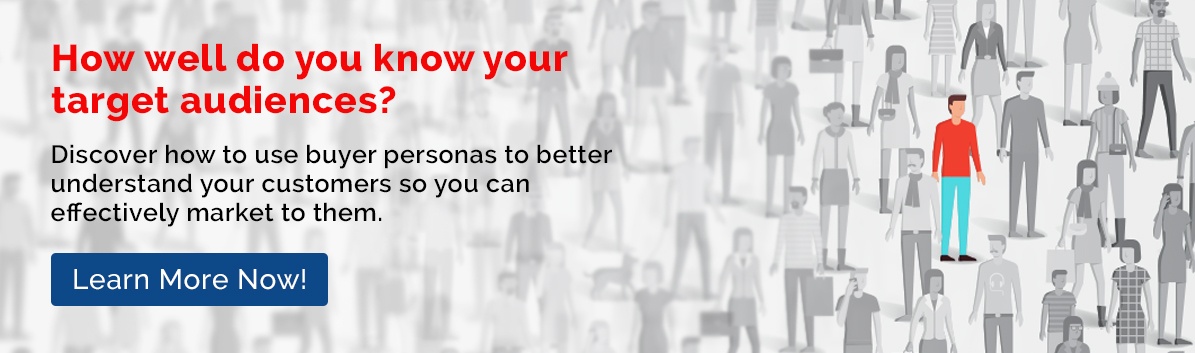
Keep Your Buyer Personas Current and Focused

Just as your business evolves, so does your clients. Technology, product development and consumer attention move at frightening speed. If your buyer personas don’t keep up with what your target audience is looking for, you will be wasting your advertising budget on ads that don’t connect with your target audience. Refresh your buyer personas at least a couple times of year to keep them relevant.

Focus your advertising approach to the buyer’s journey. Some of your mix should attract prospects, while other parts nurture existing leads. Still more should bring qualified leads towards making a decision.

Each of these options will help you improve your advertising efforts, without spending a lot of money. You can adopt all of them or pick the ones that would work best for your company. Which one will you use first?

This article can also be found on Data Captive.

Inbound marketing will help you grow your business by attracting website visitors, converting them into leads and closing leads into customers

video marketing strategy

How First Person Experience Videos Can Make an Impact on Your Video Marketing Strategy

Also published on Top Digital Agency August 8, 2018. 

A popular and recent trend in video ads, particularly for many technical products, is the effective use of camera angle from a first person perspective, allowing viewers to engage in a more immersive experience. Most styles of these video ads often do away with spokespeople and voiceovers, letting the experience talk. From the perspective of a video marketing strategy, first-person video marketing is very effective as they deliver a more personalized user experience

The strategy of using a first-person angle in videos is to offer viewers a first-hand and personalized view of what’s it like to experience the products. Moreover, these videos cut past the fluff and buzzwords, showing the viewers precisely what they will get. The other important part of this video marketing strategy is to make the user experience more memorable, motivating them to use the products.

The use of a first-person perspective in marketing videos utilizes an emotional appeal, making it easier to forge a bond between you and viewers. Here are some reasons why first-person content is helpful:

Presence

Using the first-person angle in your videos anchors them in the moment. It can benefit you as the viewer feels like he or she is participating in an active experience, rather than feeling distant or remotely connected. This sense of presence makes your content more relatable.

https://www.youtube.com/watch?v=lXQP3wr3sG0

Ownership

It is more difficult to be passive and wishy-washy in your video statements when you make claims using the word “I” or “we.” As a result, imbuing the content with ownership through the first-person perspective can make it more authoritative and develops trust with your viewers.

Check out this similar article about the Top Trends in Social Media

Authenticity

Presence and ownership often lend themselves to a unique sense of authenticity. The implied ownership makes your content more credible and believable compared to “source-less” content, even when there is no name associated with the audio or voice.

Reflection

People often think before speaking. Therefore, when your audience views video ads made from the first-person angle, usually it confers a tacit implication of recollection and reflection. Using the first-person perspective conveys that you have put some consideration and personal thought into your words, which can lend it more credence.

A number of leading brands such as Google, Apple and Samsung use this video marketing strategy. Apple, like its main competitor Samsung, uses the first-person perspective in nearly all its product advertisements. Especially as many of its products are handheld devices, the viewers get a first-hand experience via the videos.

Flashy and over-the-top video ads do not get the same traction anymore. Customers want to know what they will get when they open the box. This is one reason why product unboxing videos have become so popular. They are posted by customers on YouTube for almost any product you could think of. As this is exactly what consumers are seeking, you could let your new video advertisement unbox a product for them.

Integrating Social Media & SEO Efforts For Enhanced Search Engine Results

visual storytelling

Visual Storytelling Trends That Will Shape The Future For Marketers

Storytelling has existed for centuries and is a great way to not only market your brand, but also connect with your audience on a deeper level. Storytelling can be done in a variety of ways, and today, visual storytelling is one of the most impactful forms of persuading and communicating your message with audiences. Thanks to technological advances, we now have the power to captivate people by immersing them in stories, while blending fiction and reality. Here are some visual storytelling trends that will shape the future for marketers and everyone alike:

Never-Ending Stories

Have you ever had an experience that you didn’t want to end? Ever wonder why movie studios continue to reboot classic TV shows and movies? Well, never-ending stories are becoming increasingly in demand as people expect content, specifically stories in real-time 24 hours a day, 7 times a week. This trend has slowly taken shape on social media platforms where characters like Homer Simpson are tweeting to their millions of followers. This also explains why live-streaming apps that allow users to interact with personalities in real time like Meerkat and Periscope, are becoming more popular.

Mini-Ads

Let’s face it—given the current digital landscape, traditional advertising does not hold the same appeal it did a decade ago. Because of this, it’s no surprise that companies have considered new, innovative ways like mini-ads to connect with customers. Facebook plans to launch six-second ads that will give businesses and brands the opportunity to show a condensed version of their story to their target audience. This interesting format is a smart way to capture the audience’s attention given our short attention spans, which will drive a higher level of engagement.

Connective Storytelling/ Immersive Experience

Even though it seems like most people would prefer technology to human interaction given the amount of time we spend on our devices, they also want to connect and interact with others online, fictitious or real. The future of storytelling will go beyond solely connecting emotionally with characters—we now can put ourselves in their shoes. Different virtual reality experiences, like “Nerve” now allow people to experience what the movie character does in a movie like climb a high-rise or ride a skateboard.

Augmented Reality

AR is present everywhere whether its Facebook or Instagram and is fairly easy to program thanks to software like AR Kit for iOS 11. Given Pokémon Go’s success, this is no longer a trend we can put aside. Since people are constantly on their phones and are interested in experiences that go beyond 2D, the implementation of AR visual storytelling will increase and go beyond gaming, entering the magazine and news space.

social media marketing

What is CPM Advertising and Should You Use It?

There are many KPIs that you can track in order to judge the performance of your ads. One of these metrics is CPM, or cost per mille, which translates into cost per thousand impressions. CPM indicates how much you’re paying for every thousand impressions the ad is earning. However, there are other KPIs that you can use as well, such as CPC and CPA. These KPIs indicate how much you’re paying for your ads. When implementing a new ad campaign, you’ll have to choose which KPI to use, meaning you’ll have to bid in either CPM or CPC. The question is, when should you be using CPM advertising? CPM Advertising

CPM Advertising vs CPC Advertising

If you’re running an ad campaign with the intention of driving brand awareness and brand engagement, then CPM is a good option to go with when bidding on ad space. This means that you will set a specific amount that you’ll pay for every thousand impressions that your ad receives. If you’re running your ad on Facebook, then using CPM makes more sense because your goal is to get your ad shown to as many people as possible. Of course, you’ll want to make sure that you target a specific audience when you do this. You don’t want to pay to have your ad shown to people who are not a part of your target audience as this will result in a waste of money. It’s also worth noting that CPM provides value in that consumers may be shown your ad more than once. Multiple impressions can help keep your brand at the top of a consumer’s mind.

Similar Article: Inside Adwords: Exploring The Differences Between Smart Display Campaigns & Custom Intent Campaigns

If you’re running search ads with the intention of driving conversions, then CPC is the way to go. This is because a search ad, such as a Google AdWords ad, is going to be shown to potentially millions of people. Using CPM, this could end up costing you a significant amount. If you’re trying to drive conversions, impressions won’t matter nearly as much as clicks. You want people who see the ad to click it — only then do you get value out of your ad. It’s why you should use CPC for search ads instead of CPM.

Using CPM Advertising

When it comes down to it, CPC or even CPA is the better option if the goal of your ad campaign is to increase conversions or acquisitions. However, that doesn’t mean CPM doesn’t have its place. If your goal is to increase brand awareness, then clicks don’t necessarily matter as much as impressions. If this is the case, then you’ll want to consider using CPM advertising.

Inbound marketing will help you grow your business by attracting website visitors, converting them into leads and closing leads into customers


mql vs sql

How to Use Personal Selling During the Decision Making Stage

The final article in this series, focuses on the final stage of the buyer’s journey: the decision making stage. Previously our view of inbound marketing was from a marketing heavy stance. Here, we’ll shift to sales and how to use personal selling during the decision making stage. Your prospective buyers have finally made it to the bottom of the funnel. All of your hard work with content, landing pages, social media and marketing has paid off.  Your leads are now ready for sales.

At the decision making stage, your buyer is already 60% of the way towards their decision and you can attribute that virtually all to marketing. You’ve heard the adage, “You can bring a horse to the water, but you can’t make it drink,” and this couldn’t be any more true in inbound marketing. And in all likelihood, despite some cleverly crafted and personalized lead nurturing campaigns, the personal aspect of your buyer’s journey with your company’s sales team is just beginning.

Deliverable Content

A more traditional approach to getting buyers to make a decision was to draft bottom of the funnel content. This used a “Speak to Sales” or “Request a Consultation” button to get sales involved in the buying process. Many buyers roll their eyes at the prospect of speaking to a sales person, so the new approach deals more with deliverable, downloadable content.

While marketing does close to 60% of the work in getting your leads sales ready, content’s job isn’t quite done. Your buyers are looking for the final piece of your content puzzle to help them know that going with your brand is the best thing for them. Offering deliverable content with personal selling is an excellent way to optimize your brand’s efforts during the decision making stage.

Content at this stage of the buyer’s journey is generally geared towards giving the buyer added value. Offers can include case studies, free assessments, service comparison, or product literature. Of course, the content you tailor to your buyer all goes back to your buyer personas.

Personal Selling in the Decision Making Stage 

Once marketing has done their job, qualified their leads for sales, and your leads have shown the behaviors associated with sales readiness it’s time to bring in the sales team.

For your sales team, personal selling will deal  with getting inside your buyer’s head and asking questions they’re asking themselves. Some of the fundamental questions a buyer will likely be asking as they vet potential sellers are:

  1. What specifics of your product or service do the buyers typically evaluate?
  2. How do buyers evaluate those products or services?
  3. What sets your brand apart for buyers?
  4. Who is involved in the decision and how to their perspectives differ when making the decision?

By answering those basic questions for your buyer before a sales call is even made will make a huge difference for how well prepared your sales team is. Also, it’s critical for marketing to communicate with sales and pinpoint exactly what your buyer’s journey look like. This way, sales and marketing are on the same page and your buyer isn’t left with redundancy during their personal interactions.

How do you  drive website conversions throughout the buyer’s journey? Find out by clicking here. 

Tailoring Sales to the Buyer

Finally, let’s focus on tailoring a sales presentation to your buyer. Inbound salespeople are tasked with advising a prospective buyer on how your brand’s unique position fits the context of the buyer’s need, but that is the bottom of the four step inbound sales process. The four step inbound sales process includes identifying the buyers problem, connecting with prospective buyers, and exploring solutions. Smarketing helps align those stages of the buyer’s journey to the inbound sales processes.

The presentation your sales team give to a sales-ready lead should be 100% tailored to your buyer. Hopefully, you’re already leveraging every possible avenue to identify your buyer on a personal level and create a sales presentation that hits home. Those types of presentations may include consultations, demos, or guided case studies where sales takes a buyer through the information.

Just the Beginning of Smarketing

The decision making stage is only the beginning of your sales and marketing efforts for your brand and personal selling is the cornerstone to your sales-marketing marriage. Hopefully through this series of articles, you’ve been able to see with your own eyes the value of smarketing. Inbound is only the beginning of how your sales and marketing come together. The fruits sales and marketing produce will be immeasurable over time.

Download Our White Paper Guide To Learn How To Perfect Buyer Personas For Your Business


Reason To Hire A Digital Marketing Agency 2

The Difference Between Lead Generation vs Demand Generation

When it comes to building your audience and increasing your sales, there are two strategies that are vital to your success:  demand generation and lead generation. However, there are a lot of misconceptions about both. For instance, many people confuse one for the other. Some people think that demand generation is part of lead generation, while others think that lead generation is a part of demand generation. In reality, they are two different strategies that are critical to your ability to convert more customers.

Demand Generation vs. Lead Generation

The question for many is, “what is the difference between demand generation vs. lead generation?” Think of them as steps that must be taken to eventually close a sale. The first thing that you must do is to generate demand. Once you have achieved demand, you must then capture leads. The following is a more thorough breakdown of demand generation vs. lead generation:

  • Demand Generation – Demand generation is a strategy that includes numerous marketing tactics aimed at building awareness. Another misconception many have about demand generation is that it’s only about increasing brand awareness. However, it’s also about educating your audience about their needs and how your brand can solve them. As such, you’re also building brand authority during this stage. The ultimate goal of a demand generation strategy is to put your audience into the position to be converted into leads.
  • Lead Generation – Lead generation is the strategy of converting visitors to leads by capturing their personal information, such as their name and email address. It’s through the generation of leads that you will be able to nurture your leads through the sales funnel and eventually close the sale. When it comes down to it, lead generation is the act of taking advantage of the demand you’ve generated to collect contact information. Using that contact information, you can then engage leads directly.

Implementing A Demand Generation Strategy

Since demand generation consists of generating brand awareness as well as educating your audience, there are many tactics you can use. The following are just a few examples of demand generation that you can use:

  • Blogging – A blog allows you to regularly publish content to your website that is educational and informative. Blog content can also help people become aware of your business, if you promote it properly. For instance, by earning backlinks, optimizing it for SEO, and sharing it on social media.
  • SEO – Optimizing your website and all of its content for SEO, helps increase your presence on Google’s search engine. As a result, you can attract more organic traffic to your site.
  • Paid Advertising – Paid advertising, whether on Google or on social channels, can help expose your brand to specific segments of your target audience.

One thing to keep in mind when creating a demand generation strategy is to know who your audience is. Your demand generation efforts won’t have much of an impact if you’re targeting the wrong audience. Because of this, it’s critical that you develop your buyer personas.

Like this article ? Also read A Brief Guide to Sales Lead Generation

Marketing Trends 2
Implementing A Lead Generation Strategy

If you have a constructive demand generation strategy, you should be in an excellent position to capture your leads. At this point, your audience should not only know who you are, but they should be interested in your brand due to the influence that you showcase. However, the majority of them won’t be quite ready to take the leap, which is why you need a lead generation strategy. Such a strategy involves providing something of value in return for their contact information.

With that in mind, the following are a few examples of value that businesses commonly offer to drive lead generation:


  • Gated content – Offering more in-depth content in the form of ebooks, whitepapers, and more, is an excellent incentive for providing you with their personal information. Businesses include links to gated content in the CTAs of their free-to-read blog content. Doing so allows them to capitalize on the authority they’ve just built.
  • Email newsletter – For anyone who is reading your blog on a regular basis, a periodic email newsletter filled with relevant and unique content is a great incentive to convert to a lead. Not to mention that they will have to provide their email to receive email content.
  • Free trials – Interested audience members are more likely to convert if you give them a free sample of your service. Offering a free trial in return for their personal information is generally accepted as a more than fair trade.
  • Webinars – Webinars are live stream of presentations, such as panel discussions, lectures, or interviews. They can run for a longer period of time and tend to dive in topics in great detail. Not to mention that viewers can often engage during the webinar by asking questions. Webinars are a great way to generate leads because you can acquire viewers to register in order to get access.

Understanding The Difference Between Demand Generation vs. Lead Generation Is Critical

To achieve success, you need to focus on both demand generation and lead generation. However, not understanding the difference can make it difficult to meet your goals. Not to mention, it will be difficult to monitor on how your marketing efforts are performing.

30 Greatest Lead Generation Tips
social media tips for business

Covid-19 Social Media Tips For Businesses

COVID-19 has resulted in an uncertain situation that nobody has experience with. As such, many companies are stumbling around in the dark trying to figure out how to proceed. Some businesses are even cutting back on their marketing budgets due to a decrease in sales. In fact, marketing your business is more critical than it’s ever been. It’s your marketing strategy that will help get your business through the pandemic and allow it to emerge on the other side — whenever that may be. One particular marketing strategy you should focus on is social media. However, your success depends on how effective your social media strategy is during this time. Here are a few Covid-19 social media tips for businesses to continue to reach a broader audience and to build stronger relationships to set yourself up for future success.

social media tips for business Social Media In The Time Of Covid-19
It would be understandable to assume that social media usage is up at this point in time. Unemployment is sky-high and a significant amount of people who are still employed are now working remotely. With that in mind, you would think that more people would be on social media in search of connection than ever before. While there is a 70 percent increase in social media app usage, engagement rates have actually gone down. The following are a few potential reasons for this:

  • People are using social differently – People are more isolated than they’ve ever been, especially in areas with stay-at-home orders or if they’re under quarantine. As a result, they are on social media a lot. They’re just not engaging with brands. This is because they’re using social to connect to their friends and family, not necessarily to do research into products and services.
  • Businesses aren’t leveraging social correctly – Sporadically posting content on your social channels without any kind of plan won’t do you any good. There needs to be a reason behind your social media actions. Simply trying to engage followers for the sake of engaging them won’t help you or them. In order to see results, you need to establish goals, which requires you to create a social media strategy.

Like this article? Also read 8 Tips on Social Media Best Practices For Your Business

Social Media Tips For Businesses During The Pandemic

Despite a lack of social media engagement, you should not ignore the opportunity to use social as a marketing tool. Social media can be a very effective way to reach your audience and to build stronger relationships throughout the pandemic. With that in mind, the following are a few social media tips for businesses:

1. Provide Useful Content

If you want your audience to engage, you need to provide them with something of value. What are they looking for? Odds are, they’re not looking for advertisements. Create content that you know will be useful to them.  If your current content marketing strategy is stale or isn’t having the impact you desire, consider trying new things. For instance, begin creating video content to post to your social channels.

2. Don’t Avoid The Topic, But Don’t Be Too Opportunistic

Providing useful content on COVID-19 can help your audience. People are desperate for all kinds of information related to the pandemic, whether it’s concerning their personal health or their financial health. As such, don’t just pretend like nothing’s happening. Address the topic. However, it’s important that you don’t come across as opportunistic. For instance, you may not want to begin selling masks with your logo on it. It will come across as if you’re taking advantage of the pandemic.

3. Stay Up To Date With Social Media Trends

The world has never been like this before, which means it’s impossible to predict what’s going to happen. Because of this, you need to keep an eye on both marketing trends as well as social media trends in general. For instance, people have begun to depend more heavily on e-commerce, even if they don’t have stay-at-home orders in their area. If you offer e-commerce, then informing your audience (especially offline customers) and encouraging them to use it via social media is a good idea.

4. Listen To Your Audience

Your audience’s wants, needs, desires, and fears may be changing during this time. Be sure to listen to what they have to say. You can do this by using various social media listening tools to track conversations about your brand, your industry, and the pandemic in general.

5. Invest In Influencer Marketing

Despite the fact that social media engagement is down, influencer marketing is as strong as ever. Influencers have a deep connection with their audience, which means that they are an excellent way to reach them. In fact, influencers may be a better option than traditional marketing tactics at the moment, such as TV commercials or radio ads, to name a few.

Leverage Your Social Media Channels During The Pandemic

Use these social media tips for businesses to continue to reach a broader audience and to build stronger relationships. By using social media during COVID-19 effectively, you can set yourself up for future success.

digital marketing for manufacturers

How Marketing Helps Critical Manufacturers During Covid-19

The COVID-19 pandemic has affected all businesses, both big and small, in some way. For most businesses, the impact has unfortunately been negative. This is especially true for manufacturers. It’s estimated that around 89 percent of all manufacturing companies have been negatively impacted by the pandemic. However, there are things that you can do to maintain your business despite COVID-19. For instance, effectively marketing your manufacturing brand can not only help get you through the pandemic, but it can also set you up for future success.

Why is Digital Marketing for Manufacturers so Important?

This isn’t the first time we have experienced a serious economic depression. The Great Depression hurt businesses throughout the country almost a century ago. What we learned from that depression is that companies that survived or even thrived didn’t wait for public demand for their products or services to increase. They advertised their brand aggressively and paid attention to consumer behavior.

Digital Marketing

A significant number of people are working from home. Many of your prospects and existing clients may not even be working. Whether they’re working or not, you can still reach them via digital marketing. In fact, digital marketing may be more effective than ever since your audience has more time on their hands to engage. As such, you have the opportunity to build stronger relationships that can pay off in the future.

Paying attention to trends within your industry can help you capitalize on them. For instance, local sourcing has increased and people are shopping online more frequently during the pandemic. As far as manufacturing goes, there has been an increased demand for steel, packaging, plastic bags, hand sanitizers, and more. Many manufacturing brands have temporarily switched over to the production of these in-demand items to keep their businesses afloat. Those companies that do this need to be able to market the fact that they are doing this.

Tips For Marketing Your Manufacturing Company During COVID-19

It’s critical that you stay up to date with current trends and that you embrace digital marketing during the pandemic. With that in mind, the following are a few tips to effectively market your manufacturing company during COVID-19:

  • Host Webinars – Because webinars are on the longer side and are initially streamed live, you don’t always get the biggest audience. Now that everyone has time on their hands, you’re likely going to have more viewers tuning in to watch any webinars that you host. Webinars are a great way to showcase brand authority, educate viewers, and generate leads. You can also record them and publish them later as new video content.
  • Engage On Social Media – Because people are on lockdown and often self-isolating, they are going to spend more time on social media. People are desperate for social connections during these difficult times. This means that there are more opportunities for you to engage with followers on social media in a meaningful way. As a result, you’ll build stronger relationships and boost your brand’s reputation and awareness.
  • Upload Speciality Presentations – Now is the time to nurture prospects as well as continue nurturing existing customers. Specialty presentations can be incredibly effective at boosting your credibility and your brand authority.
  • Implement Marketing Automation – If business has slowed down, then you’ll want to ensure that your marketing efforts are as cost-effective as possible. Marketing automation tools can help you automate repetitive tasks, thereby saving you time and money. Not to mention that automation can help improve your reach and engagement, thereby resulting in a potentially higher ROI.

COVID-19 Resources For Manufacturers

As a manufacturer, odds are you need all the help you can get during the pandemic. We understand this, which is why we would like to share the following resources that can help your brand continue to prosper despite economic uncertainty:

  • Digital Health Check – Now is an excellent time to identify how your digital marketing efforts are performing and how cost-effective they are. Perform a Digital Health Check for a free report on your digital marketing practices.
  • Defense Production Act – Find out what you need to know about the Defense Production Act and how it can affect your manufacturing business.
  • Free Digital Marketing Tools – Consider using these free marketing tools to help enhance your existing digital marketing efforts.

Embrace Digital Marketing for Manufacturing Companies Today

One of the biggest mistakes that you can make during the pandemic is to wait for things to get back to normal. You need to be proactive, which means that you should follow current trends and use digital marketing for manufacturing companies to increase your reach. Not only can this help you stay afloat during the pandemic, but it can also help you foster future success.