Tag Archive for: Articles

Innovative Video Strategies to Transform Your Senior Living Marketing

When determining how to market senior living communities, you should be aware that the advent of digital technology has offered unprecedented opportunities to connect with potential residents and their families in meaningful ways. Video content is a particularly potent tool. It offers a dynamic and engaging way to showcase your community’s amenities, lifestyle, and values. With seniors increasingly embracing digital platforms, using video strategies to market senior living communities effectively is more crucial than ever.

three people talking video strategies

The Power of Video in Senior Living Marketing

Video content has the unique ability to convey messages in a more engaging and memorable manner than text alone. For senior living communities, this means the opportunity to truly showcase what makes your community stand out. Creating video content is just the beginning. To truly optimize these efforts and ensure they reach your target audience, strategic planning and execution are essential.

Engagement Through Authentic Stories

Leveraging the power of storytelling, videos that capture real-life experiences and testimonials from current residents can significantly impact potential residents and their families. By showcasing these authentic stories, your community can forge a deeper emotional connection, making it feel more inviting and relatable. These stories can highlight the day-to-day joys, sense of belonging, and supportive environment your community offers, providing a genuine glimpse into the quality of life that awaits future residents. This kind of content engages viewers. It also builds trust and confidence in your community as a place where their loved ones can thrive.

Educational Content

In the decision-making process for senior living options, seniors and their families often have numerous questions and concerns. These can range from financial planning and health care services to lifestyle and activity offerings. By creating and providing educational video content that addresses these topics, your community can position itself as a knowledgeable and trusted resource. This approach not only informs viewers but also alleviates concerns, making the transition to senior living seem less daunting. Informative videos can cover a wide range of subjects, including the benefits of senior living, how to prepare for the move, and what new residents can expect. This empowers families with the knowledge they need to make informed decisions.

Virtual Tours

In today’s digital age, the initial exploration of senior living options often takes place online. This makes virtual tours a critical component of your marketing strategy. Virtual tours offer potential residents and their families the ability to explore your facilities, amenities, and living spaces from the comfort of their homes. They provide a convenient and comprehensive view of what your community has to offer. These tours can highlight the unique features of your community, such as dining options, fitness centers, outdoor spaces, and social areas. This allows viewers to visualize themselves or their loved ones living there. By providing a virtual walkthrough, you can engage interested individuals early in their search process. This will make your community a frontrunner in their selection process.

man watching video

Leveraging Key Digital Strategies in Video Marketing

To ensure your video content reaches and resonates with your intended audience, consider incorporating the following digital strategies:

  • Optimize for SEO: Including relevant keywords, such as “how to market senior living communities,” in your video titles and descriptions can enhance your content’s visibility on search engines and platforms like YouTube.
  • Utilize Platforms like YouTube: YouTube for senior marketing is an invaluable channel for reaching potential residents and their families. It has a vast audience and offers a platform for your videos to be easily found and shared.
  • Update Your Website: Integrating video content into your website not only makes it more engaging but also helps with SEO. Ensuring your site incorporates essential website updates for senior living can improve user experience and support your marketing efforts.

Five Video Ideas to Enhance Your Senior Living Marketing

To help you get started, here are five video ideas that can effectively communicate your community’s unique offerings and values:

  • Virtual Tours: Virtual tours offer an immersive experience, allowing potential residents and their families to explore your community from anywhere. These tours showcase your facilities and highlight amenities. They also give viewers a taste of the daily social activities, making your community an attractive option.
  • Resident Testimonials: Videos featuring resident testimonials provide a personal look at the quality of life within your community. Hearing directly from residents about their experiences fosters trust and showcases the strong sense of community you offer.
  • Staff Introductions: Introducing your staff through video humanizes your community. Highlighting their expertise, dedication, and compassionate approach to care reassures families that their loved ones will be in good hands.
  • FAQs Answered: A video series that answers frequently asked questions helps demystify the process of moving to and living in a senior community. It addresses common concerns about senior living options, financial planning, and lifestyle changes.
  • Lifestyle Highlights: Share videos of social events, hobbies, and activities available within your community. They will demonstrate the vibrant, engaging lifestyle that residents enjoy. It invites potential residents to imagine being part of your active community.

For more inspiration and guidance on creating engaging video content, exploring video marketing ideas can offer valuable insights and strategies tailored to the senior living market.

Embracing the Digital Age in Senior Living Marketing

Digital platforms are becoming increasingly integral to our daily lives. Therefore, senior living communities must adapt and innovate to meet their audiences where they are. You should effectively utilize video content, optimized for both search engines and user engagement. This will allow you to significantly enhance your marketing efforts, reaching potential residents and their families in a way that is both informative and touching.

Ready to take your senior living marketing to the next level with optimized video content? Contact Us for a free consultation. Let’s explore how we can help you connect with your audience and showcase the best of what your community has to offer.

17 SEO Myths
New call-to-action


Marketing Strategy

Creating a Marketing Strategy Without Overcomplicating the Process

Creating a marketing strategy doesn’t have to be overwhelming. If you’ve ever asked, “What is a marketing strategy, and how do I build one that actually works?”, you’re not alone. While many businesses struggle with overcomplicated plans, a streamlined approach focusing on clear objectives, customer insights, and practical execution can yield better results. This article explores the key elements of creating a marketing strategy and how expert consulting can simplify the process for long-term success.

1. Set Clear Objectives

smart goal setting

A strong marketing strategy starts with well-defined goals. These should align with your business objectives and be measurable. Whether you’re aiming to increase brand awareness, generate leads, or boost customer retention, your strategy should focus on achievable and impactful outcomes. Many businesses set too many vague goals and complicate the planning process. Instead, they should prioritize a few key metrics that directly impact business growth.

Learn more about: How to Develop SMART Goals

2. Understand Your Target Audience

Effective marketing is rooted in a deep understanding of your audience. Conduct market research, analyze customer behavior, and build detailed buyer personas to guide your messaging. When you understand customer needs and preferences, your efforts become more focused and effective.

buyer persona guide for business

3. Focus on Simplicity and Consistency

One of the biggest pitfalls in marketing strategy development is complexity. Many brands try to do too much at once, diluting their impact. Instead, maintaining a consistent message across all channels and sticking to a few well-executed tactics can drive better engagement and brand recognition. 

4. Align Strategy With Execution

A solid marketing strategy isn’t just about planning—it’s about execution. To avoid inefficiencies, ensure that your plan is actionable. This means having the right marketing automation tools, a clear timeline, and a strategy that your team can realistically implement.

Learn more about: How to Evaluate Your Marketing Strategy

5. Adapt and Optimize Over TimePerformance Analysis and Optimization

A great marketing strategy isn’t static. Regular performance analysis and adjustments based on data insights are crucial for long-term success. Monitoring key metrics, conducting A/B testing, and being willing to refine your approach will help keep your strategy relevant and effective in an ever-changing market.

Final Thoughts

Marketing strategy doesn’t have to be complicated to be effective. By focusing on clear goals, customer insights, consistency, and execution, businesses can create strategies that drive real results without unnecessary complexity. For expert guidance in developing a streamlined and effective marketing strategy, explore integrated marketing solutions from Stevens & Tate Marketing—tailored to meet your business goals and drive measurable results.

Schedule Your Free Consultation

Brand Positioning

Brand Positioning: How to Differentiate Without a Complete Rebrand

In an increasingly competitive marketplace, businesses must refine their brand positioning to stand out without undergoing a costly and time-intensive rebrand. But what is brand positioning in marketing, and why does it matter? This article explores strategies to strengthen brand positioning through customer insights, competitive differentiation, and messaging consistency—core elements we often refine in our brand strategy services.

Understanding Brand Positioning

Brand Perception

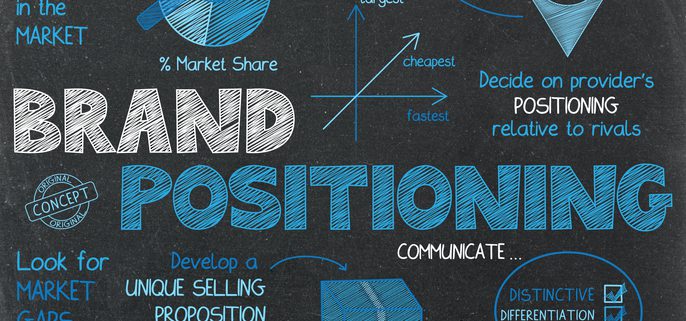
Brand positioning is the strategic process of establishing a unique and valuable place in the minds of your target audience. It defines how your brand is perceived compared to competitors and influences customer decision-making. A strong brand position clarifies what sets you apart and fosters long-term loyalty.

Learn more about: How to Develop a Brand


Strategies for Effective Brand Positioning

1. Leverage Customer Insights

Understanding your audience is the foundation of strong brand positioning. Conduct surveys, analyze customer feedback, and track engagement data to determine what your customers value most. These insights help shape messaging that aligns with their needs and expectations.

Example: A skincare brand finds that customers value science-backed ingredients over luxury appeal and emphasizes this in its messaging.

2. Conduct a Competitive Analysis

Assessing competitors helps identify market gaps and positioning opportunities. Analyze their strengths and weaknesses, brand messaging, and customer perception. Use this information to craft a distinct positioning strategy that highlights your unique strengths.

Example: If competitors focus on affordability, your brand might emphasize premium quality or superior customer service.

3. Strengthen Brand Messaging Consistency

Consistent messaging across all channels reinforces brand identity. Ensure your website, social media, and marketing materials align with your positioning statement. A clear and compelling message helps customers understand your brand at a glance.

Example: Apple consistently emphasizes innovation and simplicity, reinforcing its brand position across all touchpoints.

4. Emphasize Competitive AdvantagesBrand Components

Your competitive advantages differentiate your brand from competitors. Clearly define the specific benefits your brand offers that others do not. This could be exceptional customer service, innovative technology, or a unique company story.

Example: A luxury hotel might highlight its personalized guest experience as a key differentiator.

5. Adapt and Stay Relevant

Market trends evolve, and brand positioning should adapt accordingly. Regularly reassess your brand’s relevance to ensure it meets current consumer expectations without requiring a complete overhaul.

Example: A traditional retail brand may adopt an omnichannel approach to stay competitive in the digital age.


Final Thoughts

Brand positioning is not about reinventing your brand but refining its perception. By leveraging customer insights, competitive differentiation, and consistent messaging, businesses can enhance their positioning without the need for a full rebrand. A well-defined brand position builds customer trust, strengthens market presence, and drives long-term success.

Learn more about: How Branding & Marketing Work Together

Learn The StoryBranding Process

How to Gather Meaningful Senior Living Testimonials

Testimonials are a powerful marketing tool for senior living communities. Prospective residents and their families rely on real experiences to guide their decision-making. However, obtaining authentic and impactful testimonials requires a thoughtful approach. Here are some effective ways to gather senior living testimonials that will showcase the value of your community.

  1. Ask at the Right Moment

    The best time to request a testimonial is when a resident or family member expresses gratitude. This could be after a successful move-in, a positive care experience, or an enjoyable community event. Train staff to recognize these moments and gently ask for feedback.

  2. Offer Multiple Formats

    two influencers recording their product reviews

    Not everyone is comfortable writing a testimonial. Offer different ways for people to share their thoughts, such as:

    • Written testimonials (short quotes or full stories)
    • Video testimonials (interviews or candid moments)
    • Audio recordings (for those who prefer speaking over writing)
    • Social media comments (repurposed with permission)

Read More:

Innovative Video Strategies to Transform Your Senior Living Marketing

  1. Host a “Share Your Story” Day

    Organize a dedicated day where residents and family members can share their experiences in a comfortable setting. Set up a quiet, well-lit space with a camera and microphone to capture their stories in a natural way.

  2. Use Surveys and Feedback Forms

    website audit laptop

    Include a space for testimonials in your regular satisfaction surveys. A simple prompt like, “Would you be willing to share your experience with others?” can encourage participation.

  3. Leverage Online Reviews

    Encourage residents and families to leave reviews on Google, Facebook, and senior living directories like A Place for Mom or Caring.com. Highlight positive reviews in your marketing materials.

  4. Showcase Success Stories

    Feature resident spotlights in newsletters, on your website, or in video testimonials. Stories about how the community has improved someone’s life are especially compelling.

  5. Incentivize Participation

    While you can’t (and shouldn’t) pay for testimonials, offering a small token of appreciation—like a featured spotlight in your newsletter, a community recognition board, or a thank-you gift—can encourage participation.

  6. Make It Easy

    Provide a simple testimonial request form on your website, send out an email with a direct link, or have staff assist residents in writing or recording their feedback. The easier it is, the more likely they’ll participate.

  7. Obtain Proper Permissions

    Ensure you have written consent before using any testimonial. A simple release form can protect your community while giving residents and families control over how their words are shared.

  8. Follow Up and Show Appreciation

    Always thank residents and families for their testimonials. Let them know how their words help others make informed decisions. Consider featuring their testimonials in a “Wall of Gratitude” or a special event honoring their contributions.

Authentic senior living testimonials provide social proof and give prospective residents and their families confidence in your community. By asking at the right time, offering different formats, and making it easy to share, you can build a strong library of impactful testimonials that enhance your marketing efforts.

Also Read:

Crafting a Compelling Brand for Senior Living Success

Grow business

What’s Trending in Marketing for March 2025

Welcome to our March 2025 edition of “What’s Trending,” where we bring you the most relevant marketing trends and insights. Stay informed and ahead of the game with our curated collection of marketing trends and reports in spring 2025.

Leveraging March Madness for Marketing Success

Basketball in a dunk

March Madness presents a unique opportunity for brands to engage audiences through creative social media campaigns and strategic partnerships. By aligning with the tournament’s excitement and using real-time content, brands can increase visibility, foster engagement, and drive customer loyalty. Highlighting the use of relevant hashtags, influencer collaborations, and interactive posts, this trend capitalizes on the cultural buzz of the season to boost brand presence.  Read more.

IKEA’s Creative Easter Campaign: The Flat-Pack Bunny

IKEA cleverly embraced its flat-pack furniture expertise to launch Vårkänsla, a 3D bunny complete with assembly instructions. This unique approach combined humor and creativity, resonating with Easter’s festive spirit while engaging consumers on social media and driving foot traffic to stores. The campaign’s unexpected twist on Easter marketing showcased how brands can break into unfamiliar categories with innovative, category-specific strategies.  Read more. 

X Introduces Grok AI Tools for Enhanced Ad Creation and Campaign Analysis

X has launched Grok, a suite of AI-powered tools designed to revolutionize ad creation and campaign analysis. By utilizing advanced AI, Grok aims to streamline the process for marketers, offering valuable insights into ad performance and simplifying creative workflows. This move positions X as a leader in integrating AI into digital marketing strategies. Read more. 

Improving Your Marketing Program 

Top 10 Inbound Marketing Strategies

Inbound marketingMastering inbound marketing requires a strategic approach to attract, engage, and convert customers. From SEO optimization and content creation to email marketing and influencer collaborations, each tactic plays a crucial role in driving organic growth. Leveraging interactive content, social media engagement, and continuous performance analysis ensures your marketing efforts remain effective. By implementing these ten strategies, businesses can build strong customer relationships and increase brand visibility. Read more.

Mastering Integrated Digital and Social Media Marketing

Digital and social media marketing are essential for brand success, offering unique opportunities for engagement and conversion. This article explores how to integrate both strategies effectively, covering content amplification, data-driven insights, and brand consistency. It also discusses leveraging social media for targeted ads, audience interaction, and diverse content formats, along with best practices for unified marketing efforts. Read more.

4 Tips to Leave Lasting Impressions on Customers

Making a lasting impression on customers goes beyond selling a service—it’s about creating meaningful interactions that keep them coming back. This article explores four key strategies to build strong customer relationships: personalizing interactions, staying in touch through various channels, adapting to different communication styles, and showing respect even in disagreements. By fostering trust and demonstrating authenticity, businesses can enhance customer loyalty and stand out in a competitive market. Read more. 

Recent Marketing Reports, Updates, and Trends

HubSpot Publishes The 2025 State of Marketing Report 

The 2025 State of Marketing Report by HubSpot focuses on how AI is transforming marketing strategies. Marketers are increasingly adopting agile strategies, targeting Millennial and Gen Z audiences, and leveraging short-form video and influencer collaborations for high ROI. AI is central, used for data analysis, workflow automation, and research, to enhance creativity and efficiency. The report provides insights and actionable tips on building value-driven campaigns, optimizing marketing workflows, and using AI to stay competitive in 2025. Read more. 

Adobe 2025 AI and Digital trends report

The Adobe 2025 AI and Digital Trends report highlights how businesses are increasingly embracing AI to personalize customer experiences and drive innovation. AI is moving beyond pilot projects, delivering measurable results in customer engagement, operational efficiency, and unified insights. By leveraging advanced data tools, companies can now unlock previously inaccessible insights, enabling deeper customer relationships and more streamlined operations. AI is set to reshape customer interactions, offering new opportunities for businesses in 2025. Read more. 

Supermetrics’ 2025 Marketing Data Report 

The 2025 Marketing Data Report reveals that marketing teams are handling significantly more data, with query volumes and returned data growing by over 200%. However, challenges persist, with many marketers lacking the time, tools, or data necessary for effective decision-making. The report highlights the rising importance of zero-party data, as marketers move away from third-party data, and the increasing reliance on advanced measurement methods like marketing mix modeling. ROI measurement remains difficult, with 41% of marketers struggling to measure marketing effectiveness across channels. Read more.

Want to Get Valuable Buyers? The Key is the “Ideal” Buyer Persona

As marketers, we all know that Buyer Persona provides valuable insights into our target audiences’ behaviors, motivations, and pain points. They help us shape messaging, refine our strategies, and create more personalized marketing campaigns. However, does that mean you should serve every buyer who fits your general profile?

The answer is NO! Not all buyers are equally valuable to your business. Some may engage with your brand but never convert. Others may make a one-time purchase without long-term commitment. This is why identifying your ideal buyer persona is crucial.

Rather than marketing to everyone, shift your focus to the RIGHT customers — those who are more likely to buy, stay loyal, and generate higher lifetime value. By prioritizing these high-value buyers, you can optimize your efforts, maximize ROI, and drive sustainable growth.

Buyer Persona vs. Ideal Buyer Persona:
Ideal Buyer Persona Win

ideal customer profile

Whenever we start to consider who our buyers are, we begin by giving them a name. We define their job, lifestyle, and buying behavior. These semi-fictional representations of a typical customer help guide our marketing strategies. They shape messaging, targeting, and outreach efforts. But general buyer personas don’t necessarily represent the most valuable customers.

An Ideal Buyer Persona, on the other hand, is a refined, data-driven version. It is based on high-value, high-converting customers. These individuals engage deeply, purchase repeatedly, and contribute to long-term profitability. By prioritizing the right buyers, you ensure smarter marketing investments. And further help you achieve stronger retention rates and higher ROI.

Buyer Persona IDEAL Buyer Persona
Focus Covers a broad audience, including low-value customers Targets customers with the highest lifetime value
Application
  • General marketing 
  • Messaging personalization
  • Optimized targeting
  • Sales efficiency
  • Business growth
Business Impact Lead to generic marketing strategies Strategically focuses efforts on the most profitable customer segments

How to Find Your Ideal Customer Persona

Identifying your ideal customer persona goes beyond surface-level demographics — it requires a strategic, data-driven approach to understanding your highest-value customers. By leveraging real insights from sales data, CRM analytics, and customer behavior, you can accurately pinpoint the audience segments most likely to engage, convert, and drive long-term business growth.

If the process feels overwhelming, don’t worry. This step-by-step guide will break it down, making it easier to get started.

  1. Dive Into the Data and Analyze Your Best Existing Customers

    Your ideal customer already exists within your current customer base. Start by identifying your highest-value customers based on:

    • RFM Analysis – This measures how recently a customer purchased, how often they buy, and how much they spend on your company’s products or services. Customers with high RFM scores are not only highly engaged but also among your most profitable buyers.
    • Revenue Contribution – Understanding who drives the most revenue or makes repeat purchases is key. Are they high-ticket buyers or frequent shoppers? Identifying these customers helps you refine your acquisition strategy and attract more of the right buyers.
    • Other KPIs – Beyond RFM and revenue, what additional metrics matter to your company? Customer Lifetime Value (CLV)? Engagement metrics? Churn rate? Any data-driven insights that indicate customer retention, brand loyalty, or long-term profitability can help pinpoint your most valuable buyers.
      Learn More About: How to Calculate Customer Lifetime Value
  2. Identify the key

    customer insights

    After distilling your most valuable buyers, the next step is to uncover the common attributes that define them. Start by examining both demographic and behavioral patterns to gain a clearer understanding of who they are. To go beyond surface-level insights, delve into their motivations, pain points, buying journey, and preferred communication channels. Think about what drives them to buy, which marketing messages resonate most, and how they interact with your brand across different touch points.
    Learn More About: Consumer Buying Journey

    In the next section, We’ll explore the key attributes you should consider when building your ideal buyer persona in the next section.

  3. Validate and Continuously Update Your Ideal Buyer Persona

    You can shape your communication message and marketing strategy around the key characteristics of your high-value buyers. However, defining your ideal buyer persona isn’t a one-time task—it’s an ongoing process that requires constant validation and refinement to remain relevant.

    As market trends shift, customer behaviors evolve, and new data becomes available, your ideal persona must also adapt to reflect these changes. To stay ahead, make it a priority to regularly revisit your CRM data, sales reports, and customer insights. By doing so, you can identify emerging patterns and shifts in buyer behavior, allowing you to fine-tune your strategy accordingly.

Important Characteristics Should be Included in an Ideal Buyer Persona

Everyone has a different background and unique characteristics. However, certain commonalities drive them to purchase the same product or service. These shared traits help define an ideal buyer persona. Take a look at the following Ideal Buyer Persona template, which outlines the key characteristics that should be considered when defining your ideal customers.

Demographics Geographics Psychographics Buying Behavior Communication Habit
  • Age range
  • Gender
  • Income level
  • Education level
  • Job title and industry
    (for B2B businesses)
  • Location
  • Urban vs. rural preferences
  • Cultural influences
  • Interests
  • Hobbies
  • Values
  • Beliefs
  • Goals
  • Buying frequency
  • Research habits
  • Decision influencers
    (Price, Quality, Social proof)
  • Platforms
  • Content formats
  • Messaging tone
  • Messaging style

In short, identifying your ideal buyer persona is not just about understanding your customers—it’s about refining your marketing efforts to target the right audience. Instead of casting a wide net and hoping for conversions, focusing on high-value, high-converting customers allows you to optimize your budget, increase engagement, and drive long-term profitability.

What’s Next?

Ready to define and implement your ideal buyer persona?

Let’s connect and see how we can help you optimize your marketing strategy for better results today!


Free Marketing Consultation
Multi-Touch Attribution image

How Multi-Touch Attribution Can Boost Your Marketing Strategy and ROI

Let’s imagine someone first discovered your company’s offer on Instagram, then joined your email list, and finally made a purchase on Amazon. It’s tempting to give all the credit to Amazon just because that’s where the sale happened. But that overlooks how Instagram sparked the initial interest and how your emails kept them engaged. If you only focus on that last touchpoint, you miss out on the bigger picture of how each platform contributed. A multi-touch attribution model uncovers the value of each channel. It helps you make smarter decisions about your omnichannel strategy and where to invest your time and budget.

What is Multi-Touch Attribution (MTA) Model

Multi-touch attribution is a marketing effectiveness measurement technique that factors in every touchpoint along the customer journey that contributes to a conversion. This includes channels, campaigns, and any interactions, ensuring that each one receives credit for its role.

As mentioned earlier, only focusing on the last touchpoint and ignoring earlier interactions means you risk misjudging which channels truly drive awareness, engagement, and trust. Not to mention, modern customers often have much longer buying journeys. Research shows that over 70% of consumers take a month or more from initial brand engagement to making a purchase. MTA offers a way to see how each channel works together so you can make more accurate, precise decisions about budget allocation, strategy, and communication tactics.

What Are Common Multi-Touch Attribution Models

1. Linear or Even-Weighted Model:

It is assigns equal credit to every touchpoint in the customer journey, ensuring that all marketing efforts are recognized. This is a simple and straightforward model while doesn’t account for the varying levels of impact that different touch points may have on the buyer’s decision-making process.

2. Time Decay Model:

It is gives more credit to touch points that occur closer to the moment of conversion. This approach assumes that interactions nearer to the purchase decision are more influential in driving the sale. While it effectively highlights recent, impactful activities, it may undervalue earlier touch points that are crucial for building awareness and interest.

3. Position-Based (aka U-Shaped or W-Shaped) Model:

It is distributes most of the credit to the first and last touchpoints, with the remaining credit allocated to key interactions in the middle of the journey. In a U-Shaped model, the first and last interactions receive significant credit. The W-Shaped model adds extra weight to important mid-funnel touch points, such as email sign-ups or white paper downloads. This balanced approach provides a comprehensive evaluation of marketing efforts.

4. Data-Driven Model:

Unlike the first three models, which rely on predefined rules, this model uses machine learning to determine the precise impact of each touchpoint on conversions. It assigns credit based on the actual influence each interaction has on driving sales or leads. This method offers the most accurate insights but requires robust data infrastructure and advanced analytical tools, making it more complex and resource-intensive to implement.

How to Get Started with Multi-Touch Attribution Model

team members sit around to discuss the marketing data analytic process

There are ton of benefits to adopting MTA to evaluate your marketing efforts and budgets. Don’t let this new concept intimidate you. Getting started with Multi-Touch Attribution doesn’t have to be overwhelming. By following a step-by-step approach, you can start small, implement the model effectively, and gradually gain more accurate and insightful marketing measurements.

Here’s how to get started:

  • Define Your Goals and KPIs:
    Are you measuring lead generation, online sales, or customer retention? Establishing clear goals and KPIs will help guide your attribution efforts and ensure alignment with your business objectives.
  • Map the Customer Journey:
    Identify all the touch points your customers interact with, from awareness to conversion. It is will help you track the right data and ensure no key interaction is overlooked.
    You May Also Want to Read: Core Difference Between Buyer Journey vs. Customer Journey
  • Choose the Right Attribution Model:
    Select an attribution model that fits your current needs and data capabilities. If you’re new to MTA, start with a simpler model like Linear model. For more advanced insights, consider Position-Based or Data-Driven models as your data infrastructure matures.
  • Invest in Your Marketing Performance Tracking Tools:
    Platform like google Analytics 4, HubSpot, Semrush or specialized attribution software are excellent options for you to collect necessary data using for MTA analysis.
    You May Also Want to Read: What’s New With Google Analytics – How To Measure Your Audience
  • Test, Monitor, and Optimize Your Model:
    Implementing an MTA model is just the beginning. Regularly test your attribution model by comparing its insights with actual performance data to ensure it aligns with your business goals. And make sure continually monitor key metrics to identify trends and pinpoint areas for further improvement and optimization.

Multi-Touch Attribution is a game-changer for marketers looking to understand the full value of their marketing and communication efforts across channels. By accounting for every interaction in the customer journey, it provides a more accurate, insightful view of what drives conversions, helping you allocate budgets effectively and optimize strategies. Don’t hesitate to explore this model—it could be the key to transforming your marketing success.

Ready to Elevate Your Marketing Strategy?  downward icon

Free Marketing Consultation

What’s Trending in Marketing for August 2024

Welcome to our August 2024 edition of “What’s Trending,” where we bring you the most relevant marketing trends and insights. Stay informed and ahead of the game with our curated collection of marketing trends and reports in summer 2024.

Increase in Subscriptions

Subscription-based services have been becoming more and more common lately, and are expected to continue to grow in popularity. These services provide companies with recurring revenue. Subscription-based services also increase customer value, and can be used to incentivize higher engagement. Consumers especially value subscription offers that are tailored to customer preferences. Read more.

Lowe’s is Rebranding

Lowe’s is rebranding. The home improvement retailer is now calling its retail media network “Lowe’s Media Network.” They will be launching four new channels this year: direct mail for install services, in-store audio, paid search, and email. Lowe’s will also be expanding placements on their app. Read more.

Skin Care Pop-Up Event (With A Bus)

Neutrogena is hosting a Boost Bus pop-up event on August 31st and September 1st in Toronto. People will have the opportunity to talk with skincare experts to learn about skin vitality, protecting the skin, and hydration. The event will have games and prizes in addition to product samples. Read more.

Improving Your Marketing Program

6 Tips for Improving Brand Communication 

Brand communication is how your company communicates with their current and future customers. Good brand communication builds and maintains brand loyalty among customers in addition to setting your company apart from the competition. It is a core aspect of a company’s strategy and is important to the company’s success. Click here to learn six tips for improving your company’s brand communication.

5 Ways to Improve Your Display Ads 

Display advertising is a kind of online advertising that uses copy, images, and other visual elements. They come in many different formats like banner ads, video ads, interactive ads, and more. The benefits of display ads include brand awareness, visual appeal, performance tracking, and targeting capabilities. Click here to learn five ways to improve your display ads.

The Website Redesign Process- Why Content Comes First?

Redesigning a website is a time to boost the brand image, refresh the look and content of the website, and update all the product listings and sales offers. Learn why copy should be refreshed on your new and improved website, and how to do it. Read more.

Recent Marketing Reports, Updates, and Trends

Say Goodbye to Third-Party Cookies

Due to their users’ concerns about data privacy and protection, Google is currently phasing out third-party cookies. This will be finished in 2025. Being able to use third-party cookies to track user behavior across sites has allowed for audience segmentation and the use of targeted ads. To keep gathering consumer data without third-party cookies, offer rewards to users who give you their information and keep utilizing first-party cookies. Read more.

User-Generated Content

limited time offer

Consumers’ desire for authenticity on social media platforms has given rise to user-generated content. Many customers do not trust advertisements, but they trust content made by real people. In the past five years, search engine interest for “user generated content” has increased by 200%. Read more.

Ethics and Sustainability

Your product or service alone is no longer enough. Today’s consumers care about the values of the brand selling that product or service, particularly the values that pertain to social and environmental responsibilities. This has prompted brands to partake in and showcase ethical and sustainable practices. Read more.

Extreme Personalization

The advancement of artificial intelligence (AI) is allowing marketers to tailor digital experiences to individual consumers better than ever before. This personalization through AI will allow marketers to give consumers inclusive experiences. AI can also assist marketers in understanding their audiences and delivering content to consumers in local languages. Read more.

What’s Trending in Marketing of June 2024

Welcome to our June 2024 edition of “What’s Trending,” where we bring you the most relevant marketing trends and insights. Stay informed and ahead of the game with our curated collection of marketing trends and reports in summer 2024.

X Eliminated “Likes”

Social media platform X has removed public “likes.” While users will still be able to see what posts they have liked, and they will be able to see what users liked their posts, they will not be able to look at the posts that other users have liked. Read more.

Airheads’ Underwater Vending Machine

In an effort to have more adults get in pools and enjoy swimming this summer, Airheads invented an Underwater Vending Machine that is the first-of-its-kind. The vending machine’s air propulsion system allows it to dispense candy while it is fully immersed in water. The machine accepts “fun” to pay for the Airheads in lieu of cash. Read more.

Amazon to Quit Using Plastic Air Pillows in Packaging

Amazon has already substituted recycled paper for over 90% of the inflated plastic bags used in their delivery boxes, and intends to cease using them all together by the end of 2024. This switch to using recycled paper will save almost 15 billion plastic air pillows per year. Amazon first tested this swap in Europe in 2022. Read more.

Improving Your Marketing Program

How to Incorporate Email Marketing into B2B Campaigns

Learn how to successfully implement B2B email marketing. These 7 B2B email marketing tips will help you stand out from the competition and generate more leads. Read more.

Discover the free SEO tool, Google Trends, where marketers can get their finger on the global pulse. Learn 10 ways to utilize Google Trends. Google Trends helps you strategically select keywords, use advanced insights to identify new trends, and much more to increase your SEO. Learn more here.

The Importance of Implementing a Marketing Dashboard

Learn what marketing dashboards are, and why they are so important for tracking, analyzing, and reporting data. Discover the benefits of implementing them, like performance tracking, company-wide communication, and more. Click here to learn more.

Recent Marketing Reports, Updates, and Trends

Content Creation Budgets Increase

10Fold’s report, “The Engagement Equation: How B2B Tech Marketers Are Creating and Delivering Content That Captivates in 2024,” found that 40% of marketing executives intend to create between 3 and 5 times more content than they did in 2023. 48% are releasing content on a daily basis. Additionally, 92% of marketers are publishing more content than they did last year. This increase in content, of course, comes with a budget increase. In 2024, 46% of marketing leaders reported having a content production and distribution budget of $500,000 through $5,000,000. Read more.

Video Marketing

Social media sites like Instagram and X are becoming video-first platforms. Instagram Reels are outperforming other types of content on Instagram. As a result of this, marketers are making videos the highlight of their campaigns. The most popular type of video content is short videos, and marketing videos should be two minutes or shorter. Read More.

Augmented and Virtual Reality

Brands can use augmented and virtual realities to engage with their customers and create immersive brand experiences for them. These technologies can allow consumers to see what a product will look like in their house before they buy it, virtually try on clothes, makeup, and accessories, and more. AR and VR technologies allow marketers to create better customer experiences overall. Read more.


how to have a successful blog

How to Have a Successful Blog (Expert Tips)

Blogging has become a great way for companies to write about content that relates to what they do. This can include tips and advice on anything the company is an authority on. Topics for blogging can range from “What a Good Landing Page Looks Like” to “How to Start Your Own Business in 10 Easy Steps.” Blogs can also strengthen online marketing efforts.

You might be wondering, how can my company have a successful blog? Here are 7 expert tips to help you out.

blog written out on colorful popsicle sticks

Tips for creating a successful blog

1. Choose a Topic People Care About

The first step to having a successful blog is to write about a topic that people want to read about. Make the topic interesting, and something worth reading. Once you choose a topic, research it to make sure you are providing reliable information to your readers. Then you can begin writing your blog.

2. Make the Formatting Easy To Read

When formatting your blog, it is better to have many short paragraphs rather than a few long paragraphs. A blog is something that people want to be able to read easily. Short paragraphs are more easily digestible than long paragraphs. An additional benefit of shorter paragraphs is a visually appealing layout. Long blocks of text may scare readers off, but shorter paragraphs break it up, making your blog look more approachable.

3. Have an Attention Grabbing Title

As you are reviewing your blog, go back to the title. The title is important and needs to be clear and specific. It has to tell readers the topic of your blog article. Most importantly, the title needs to be attention grabbing. Titles should be between 50 and 60 characters. If it goes over 60, the end of the title will be cut off in the search engine results. Speaking of search engines, remember to enhance the potential for search engine optimization by using keywords that are relevant to your blog’s topic.

4. Pictures Are Fun to Look At

A blog without pictures can be boring. Add a picture or two to your blog to make it more visually appealing. Adding pictures to your blog will also break up the text, which makes the content easier to read. These pictures can be relevant to your topic, and they can also just be a part of your blog as long as they fit. For example, if your blog is directed towards an audience of readers who are business people, you could include a picture of someone wearing a suit. Adding pictures to your blog is a great way to make it more visually appealing and break up text, therefore enhancing readability. Do not forget to cite the pictures you use if they are not yours.

three camera icons

There are many reasons a successful blog includes links to other relevant articles. One of these reasons is that it boosts search engine optimization. Successful blogs also include a CTA (call-to-action). Your CTA tells readers what action to take. This can be downloading a resource like an ebook, checklist, or template. Whatever it is, your CTA should be related to the topic of your blog post.

Also Read: 50 Most Powerful Call-to-Action Phrases

6. Share on Social Media

Once you have written your blog, you must ensure that it reaches a wide audience. Effectively sharing your blog is crucial to maximizing its visibility. You can share your blog through social media platforms like LinkedIn and Facebook. You can also send out emails to showcase blog articles.

7. Be Consistent and Frequent

The most important things to remember are consistency and frequency. Consistency establishes reliability and trust with your audience. It also shows your audience that they can expect regular blog updates, making them more likely to return and engage with your blog content. Frequent blog posting ensures that your blog stays relevant, and increases the chances of your blog being found by new readers. Remember, blogging is more than one post. Instead, it is multiple consistent posts over time. When you are in charge of blogging for your company, it is best to post a minimum of two blogs a week.

Blogging can be fun. Follow the 7 tips listed above to create a successful blog for your company.

Integrating Social Media & SEO Efforts For Enhanced Search Engine Results