

how to have a successful blog

How to Have a Successful Blog (Expert Tips)

Blogging has become a great way for companies to write about content that relates to what they do. This can include tips and advice on anything the company is an authority on. Topics for blogging can range from “What a Good Landing Page Looks Like” to “How to Start Your Own Business in 10 Easy Steps.” Blogs can also strengthen online marketing efforts.

You might be wondering, how can my company have a successful blog? Here are 7 expert tips to help you out.

blog written out on colorful popsicle sticks

Tips for creating a successful blog

1. Choose a Topic People Care About

The first step to having a successful blog is to write about a topic that people want to read about. Make the topic interesting, and something worth reading. Once you choose a topic, research it to make sure you are providing reliable information to your readers. Then you can begin writing your blog.

2. Make the Formatting Easy To Read

When formatting your blog, it is better to have many short paragraphs rather than a few long paragraphs. A blog is something that people want to be able to read easily. Short paragraphs are more easily digestible than long paragraphs. An additional benefit of shorter paragraphs is a visually appealing layout. Long blocks of text may scare readers off, but shorter paragraphs break it up, making your blog look more approachable.

3. Have an Attention Grabbing Title

As you are reviewing your blog, go back to the title. The title is important and needs to be clear and specific. It has to tell readers the topic of your blog article. Most importantly, the title needs to be attention grabbing. Titles should be between 50 and 60 characters. If it goes over 60, the end of the title will be cut off in the search engine results. Speaking of search engines, remember to enhance the potential for search engine optimization by using keywords that are relevant to your blog’s topic.

4. Pictures Are Fun to Look At

A blog without pictures can be boring. Add a picture or two to your blog to make it more visually appealing. Adding pictures to your blog will also break up the text, which makes the content easier to read. These pictures can be relevant to your topic, and they can also just be a part of your blog as long as they fit. For example, if your blog is directed towards an audience of readers who are business people, you could include a picture of someone wearing a suit. Adding pictures to your blog is a great way to make it more visually appealing and break up text, therefore enhancing readability. Do not forget to cite the pictures you use if they are not yours.

three camera icons

There are many reasons a successful blog includes links to other relevant articles. One of these reasons is that it boosts search engine optimization. Successful blogs also include a CTA (call-to-action). Your CTA tells readers what action to take. This can be downloading a resource like an ebook, checklist, or template. Whatever it is, your CTA should be related to the topic of your blog post.

Also Read: 50 Most Powerful Call-to-Action Phrases

6. Share on Social Media

Once you have written your blog, you must ensure that it reaches a wide audience. Effectively sharing your blog is crucial to maximizing its visibility. You can share your blog through social media platforms like LinkedIn and Facebook. You can also send out emails to showcase blog articles.

7. Be Consistent and Frequent

The most important things to remember are consistency and frequency. Consistency establishes reliability and trust with your audience. It also shows your audience that they can expect regular blog updates, making them more likely to return and engage with your blog content. Frequent blog posting ensures that your blog stays relevant, and increases the chances of your blog being found by new readers. Remember, blogging is more than one post. Instead, it is multiple consistent posts over time. When you are in charge of blogging for your company, it is best to post a minimum of two blogs a week.

Blogging can be fun. Follow the 7 tips listed above to create a successful blog for your company.

Integrating Social Media & SEO Efforts For Enhanced Search Engine Results

What’s Trending in Marketing of April 2024

Step right into our April 2024 edition of “What’s Trending in Marketing,” your portal to the freshest marketing trends and insights. Stay ahead of the curve with our collection of marketing trends and reports for the 2024 year.

Additions in AI Advertisements

Meta, the parent company of Facebook and Instagram, is making it easier for brands to reach consumers with AI-powered tools. They’re introducing new features to personalize advertising campaigns, like creating multiple versions of ads tailored to individual users. Additionally, they’re offering personalized product recommendations based on what users have browsed and liked. These tools are available on both Facebook and Instagram, aiming to make shopping experiences more seamless and impactful. Read more here. 

people on arrow pointing to target

Brands Values and Their Customers

To keep your customers happy, it’s important for your brand to reflect their values. Most shoppers want brands to share their beliefs. Many have stopped buying from companies whose values clash with their own. To stay connected with customers, brands will focus on showing what they stand for. A survey found that nearly half of marketers plan to invest more in creating content that highlights their brand’s values. Only a small minority will decrease their investment. This shows the increasing importance of authenticity and alignment in fostering lasting relationships with customers. Read more here. 

The Rise of Podcasts

Given the surging popularity of podcasts and online audio, marketers are increasingly recognizing the value and potential of these platforms for reaching and engaging with audiences. In a survey conducted on marketing trends for 2024, 82% of marketers expressed their intentions to either increase or maintain their investment in podcasts and audio content. This signifies a strategic shift in marketing strategies. More emphasis is placed on leveraging the power of audio to connect with consumers in meaningful ways. Overall, the continued growth of podcasts and audio content presents an opportunity for marketers to expand their reach and build brand awareness. It also allows them to foster deeper connections with their target audience in the evolving digital landscape. Read more here.

Interactive Email Marketing Trends

In today’s competitive online marketing scene, you have to stand out. To do this, businesses are turning to interactive email strategies. These interactive emails go beyond traditional text and attachments. They offer engaging features like animated GIFs, navigational menus, integrated forms, rotational banners, and sliders. Not only do these elements add visual appeal, but they also improve the overall user experience. This encourages active engagement and interaction with the brand’s message. Google’s enhanced compatibility ensures seamless viewing across devices, while emerging trends like key frame animation and cinema-graphs add even more excitement. Interactive emails not only catch customers’ attention but also streamline user experience, making them a vital tool in modern marketing strategies. Read more here.

Innovative Video Strategies to Transform Your Senior Living Marketing

Digital technology has revolutionized marketing for senior living communities, offering unprecedented opportunities to engage potential residents and their families. Video content, in particular, is a powerful tool for showcasing the amenities, values, and lifestyle senior living communities offer. As seniors increasingly embrace digital platforms, mastering video marketing is crucial. Videos can tell authentic stories, educate viewers, and provide virtual tours, all of which are essential for attracting and informing prospective residents. Leveraging digital strategies like SEO optimization and YouTube presence enhances the reach and impact of video marketing efforts, allowing communities to connect meaningfully with their audience and foster trust in the decision-making process. Read more here.

How Brands Market To the Different Generations

Generational marketing targets different age groups in order to better meet their unique needs and preferences. Each generation has distinct characteristics that influence their consumer behavior and how they interact with marketing efforts. Baby boomers, for instance, value quality and respond well to email and TV ads, while Generation X prioritizes convenience and brand loyalty, engaging with social media and video content. Millennials seek authenticity and personal connection, favoring social media and influencer marketing, while Generation Z, the youngest segment of consumers, prefers an omnichannel approach and values brand ethics and authenticity. Understanding each generation’s characteristics is crucial for creating marketing strategies tailored to their behaviors and preferences, which allows you to effectively reach and engage with them. Read more here.

Nano- or Micro-Influencer Marketing

More brands are leaning towards collaborating with nano- and micro-influencers instead of celebrities or big social media stars because they charge lower rates and still generate high engagement. Reports show that marketers prefer working with small-scale influencers, with nano-influencers charging between $5 to $25 for a TikTok post and micro-influencers asking for $25 to $125. These smaller influencers also boast higher engagement rates, meaning their followers are more likely to take action based on their recommendations. To ensure a positive return on investment, it’s crucial to collaborate with influencers whose followers match your target audience. Read more here.

woman using social media

Companies in Partnership Marketing

More brands are teaming up with others in their industry because it helps both parties achieve their goals. This collaboration can involve co-producing webinars, appearing on each other’s podcasts, or sharing each other’s social media content. For instance, Videowise partnered with other brands to promote their ebook. Partnership marketing allows brands to reach more potential customers by tapping into each other’s audience, connect with industry leaders for insights and assistance, and gain access to valuable resources like customer insights and industry data to enhance marketing campaigns. Read more here.

User-Generated Video Content

We’re likely to see more user-generated video content because potential customers trust it more than highly-produced brand videos. These videos, created by real customers who have used the product or service, carry authenticity that resonates with audiences and increases the likelihood of conversion. To encourage customers to share their experiences, brands can ask for honest reviews, host giveaway contests for video testimonials, or collaborate with creators who can provide genuine opinions in exchange for a fee. This approach saves time, money, and effort compared to creating highly-produced videos from scratch. By leveraging user-generated content, brands capitalize on the credibility and relatability that real customer experiences offer. This fosters stronger connections with their audience and drives engagement across digital platforms. Read more here.

Artificial Intelligence Pros and Cons

Considering The Pros and Cons of Using Artificial Intelligence In Marketing

Artificial Intelligence (AI) is becoming more and more prominent across all industries. The uses of AI range from manufacturing incredibly complex microchips, to driving unmanned vehicles. However, it’s also used in a more behind-the-scenes capacity. For example, businesses use AI tools to help collect and analyze customer data as well as to engage with customers and prospects on their website and social media channels. It’s important to understand that there are artificial intelligence pros and cons. The following are a few of the artificial intelligence pros and cons that you should keep in mind:

AI lightbulb

The Pros Of Artificial Intelligence

These are just a few of the benefits of using AI:

  • Personalize interactions – AI tools can collect user information and behaviors of a customer or lead to execute specific actions. For example, if a customer buys a product, AI can automatically send them an email not only thanking them for their purchase but recommending a similar product. A good example of this is Netflix. Netflix uses a complex algorithm to personalize their user experience by recommending movies and shows based on their watch history. You can also use AI to send leads dynamic content that’s based on their specific behavior and information.
  • Improve marketing efficiency – The use of AI can help eliminate mundane and time-consuming tasks. Delegating repetitive tasks like data entry, basic customer inquiries, and preliminary lead qualification to AI frees up time for your marketing and sales teams. The teams can then use this time to focus on more important matters. Additionally, AI tools allow you to collect vast amounts of data that you would never be able to manually sort and analyze. This means that by using AI, you can make faster and better decisions based on accurate, real-time information.
  • Reduce costs – Not only does saving time help reduce costs, but it can also save money on staffing. For example, the use of chatbots means that you don’t need as many customer representatives on standby. The use of AI can also help eliminate errors. Humans are more likely to make mistakes that can be costly when performing repetitive tasks due to boredom. AI tools eliminate the risk of potentially expensive errors in tasks such as these.

Also Read: Empowering and Transforming Digital Marketing with AI

pros and cons word bubbles

The Cons Of Artificial Intelligence

The following are some of the current drawbacks of AI:

  • Many customers still prefer human interaction – Chatbots can help provide people with answers to basic questions. You can even personalize the interactions to some extent. No customer is going to mistake a chatbot for an actual human, though. Many customers will prefer to speak to an actual human instead of speaking to a chatbot.
  • Fewer jobs – Because you may not need as big of a staff due to the use of AI, it means you won’t be employing as many people as you would have otherwise. Just keep in mind that even though AI has cost people some jobs, in the long term, it has and will create more jobs as well.
  • AI can only make logic-based decisions – There have been cases where companies have performed actions that seemed callous as a result of AI. For example, Uber operates on an AI tool that determines how much rates will be based on supply and demand. When there’s a big demand, rates go up. When a shooting and hostage situation occurred in Sydney, Australia, a few years back, people in the area tried to leave via Ubers. Uber’s rates went up automatically, which made them seem cold-hearted. Uber received bad press because of the incident.

These are a few artificial intelligence pros and cons to keep in mind. As you can see, the use of AI can greatly benefit your marketing strategy; however, it’s important not to over-rely on your AI tools as there are still some limitations as well.


Website Redesign Checklist
New call-to-action
email marketing metrics

Interactive Email Marketing Trends

With increasing competition in the online marketing world, it is becoming essential for businesses to innovate creative ways to appeal to customers via email. Learn some of the newest interactive email marketing trends to take advantage of.

As opposed to traditional emails that would only contain plain text and occasional attachments, interactive emails are packed with exciting add-ons to appeal to their customers. Below are characteristics as well as advantages of using interactive email marketing trends for your business.

Interactive Email Marketing Trends

Let’s have a look at how we should create interactive email which is in trend:

Increased Compatibility with Google

Google announced compatibility with the media query for their email clients across all devices. This compatibility now allows email developers to include complex email designs without having to sacrifice certain components in order to ensure compatibility.

With the all-new support for media query, developers are now unlimited in their ability to incorporate complex media into emails. Google has also optimized email layouts for viewing between mobile devices and desktop computers.

Animated GIFs

An animated GIF is a combination of static images, containing multiple frames in succession, to create an animated image. It achieves video effect while occupying only slightly more space than a regular image.

These interesting animations can be designed to convey important information about your business. They can also convey information like sales discounts, new product launches, etc.

animated gif.gif

Providing a framework for menu options within emails can allow your customers to quickly navigate through various products or service categories right within the email. This allows you to conveniently present your customers with several options to choose from before they can begin to load new web pages to get to your site.

If you are providing news, customers can quickly scroll through various news categories and see what interests them before they can read further. Travel companies can also offer various packages right within the email for their customers to sieve through.

Princess Cruises Slider-1.png

Integrated Forms

Integrated forms are a highly effective tool for businesses who want to streamline the process of gathering valuable customer information. You should embed the form within the email rather than having the reader link to a new page. Whether it be in the form of a survey or a questionnaire, integrated forms offer a seamless experience within the email itself.

This allows customers to answer questions or make their selections right within the body of the email. There are templates that integrate check-boxes, text boxes for open-ended questions and radio buttons for closed-ended questions.

6 Email Marketing Tips

Rotational Banners

Emails that contain a lot of information can present it in a clean and catchy manner by using rotational banners. These interactive elements allow consumers to flip through multiple images, each with a separate message embedded within.

Rotating banners are perfect for tour and travel companies that are showcasing various packages. Financial institutions like banks that are advertising credit card options or different types of bank accounts can also use this feature. News snippets of various trending stories can also be laid out in rotating banners by news and media outlets.

rotational banner toyota.png


Sliders

Sliders can be used to display multiple products within the email at the same time. This allows customers to make comparisons. It also allows customers to access information on multiple products without having to click on their inbox.

Sliders are perfect for companies that launch different variations of the same product and would like information on the various versions to be readily available to the customer. They are also helpful for those sellers who would wish to include a combination of pictures, product specifications and product reviews right within the email.

There are also brand new interactive email designs that are slowly growing in popularity but still pretty new to most email users. These include key frame animation (smoother animations and frame changes than GIFS, with effects such as linear and parallel movement, and hover effects), cinemagraph (using GIFS to create cinematic video-like effects), and compatibility with 2k and 4k resolutions (which includes lack of width limitation and a resolution of higher than 600 pixels).

In conclusion, interactive emails are the future of email marketing. It is important for businesses to stay up to speed with new email marketing trends that they can incorporate into their future marketing strategies. The numerous advantages of interactive emails, as discussed here, continue to make them an online marketing necessity.

email marketing program

facebook Ads

How Brands Market To the Different Generations

Generational marketing is a type of marketing that targets the needs and desires of different demographic groups according to their age. Deliberately segmenting consumers into generations allows brands to target their campaigns more effectively, ensuring they are communicating with the correct group of people at the right time. With that in mind, the following is a guide on marketing to different generations.

Understanding The Different Generations different generations

Four generations make up the majority of the American population. These include the baby boomers (1946-1964), Generation X (1965-1980), Millennials (1981-1996), and Generation Z (1997 or later).

  • Baby boomers: Because they are now entering retirement age, they have less disposable income than before. Their spending habits tend to focus more on maintaining a particular lifestyle. They are particularly interested in the quality of the products they purchase, rather than getting good deals.
  • Generation X: This generation is marked by wariness and pragmatism. They continue to search for better opportunities, even in their adult years. Generation X is particularly passionate about convenience, quality, and frugality. They are the least likely to spend their money impulsively.
  • Millennials: The Millennials are tech-savvy and independent thinkers who reject tradition and gravitate towards purposeful innovation. As a result of this mindset, they are disillusioned with the status quo. They are highly individualistic and value authenticity, diversity, and inclusion.
  • Generation Z: Generation Z is currently the youngest generation. Identifying traits of Generation Z include a desire to be unique among their peers and use technology for social good. They are also strong entrepreneurial.

25 Website Must Haves

How to Market To Different Generations different generations

Different generations grow up with access to different types of media. They also have different needs, wants, and fears. Keeping this in mind, the following are a few tips on how to market to each generation:

Marketing to Baby Boomers

Boomers by far prefer to engage via email marketing. You can still reach them via TV commercials as well. However, it’s more challenging to engage them through mobile content. Many Boomers have Facebook profiles and can be driven to take action through social marketing and content marketing. Well-written content can go a long way towards converting a Boomer.

Boomers are also more likely to prefer direct engagement via phone and would rather not rely on complicated technology. Promotional offers are more likely to appeal to boomers than other generations.

Marketing to Generation X

Most of Generation X is technologically adept. They are as present on social media as the younger generations. However, they are more likely than other generations to do thorough research before making an online purchase.

You can reach Generation X most effectively through Facebook and email marketing. But they do tend to prefer mobile engagement throughout their buyer’s journey. Brand loyalty is meaningful to them, so loyalty programs work well when targeting Generation X customers. You can also effectively engage them using video content.

Generation X Matters: How to Tell Your Brand Story to Them

Marketing to Millennials

Millennials are the first generation raised with the internet, which means they are a very digital-savvy generation. Social marketing is effective when reaching Millennials because social media has played a significant role in their lives since childhood. You’re less likely to reach Millennials using email or other direct marketing methods. They tend to be more interested in finding relevant content than other generations.

They’re also distrustful of commercial advertising and value integrity and authenticity. Millennials want a personal connection with the company they’re buying from, which means personalization is essential. Word-of-mouth is crucial to building their brand trust. Finally, they want to be entertained, so they engage with influencers a lot.

Marketing to Generation Z

Generation Z is the first generation to grow up in a post-9/11 world. They tend to be more skeptical than other generations regarding advertising messages. Because they were born into a world dependent on technology, they have short attention spans and constantly bounce between any number of screens (phones, tablets, laptops, desktops, and computers).

Like Millennials, the brands they purchase from must be ethical and authentic. The best way to reach Generation Z is by using an omnichannel marketing strategy and focusing on social media engagement. Not only are Generation Z members are likely to share their opinions about brands online, but they are highly engaged with social media influencers.

Understanding Your Audience

Understanding your target audience is crucial to figuring out how to reach them. After all, your brand’s target audience may not consist of every generation. Certain marketing techniques that work well for Baby Boomers (such as email marketing) won’t be as effective for Generation Z.

Develop your buyer personas to identify what generations your brand’s target audience consists of before creating a generational marketing strategy to reach and engage with them.

30 Greatest Lead Generation Tips

Mastering Marketing Effectiveness: Strategies for Highlighting Your USPs

Understanding and leveraging your unique selling points (USPs) is one of the most important ways you can make your business stand out from the crowd. Marketing effectiveness plays a pivotal role in this endeavor. It enables companies to highlight what makes them distinct and connect with their target audience more deeply and efficiently. But how does one go about uncovering these golden nuggets of marketing prowess? And once identified, how can they be used to drive business success? This article will guide you through the intricate landscape of marketing effectiveness. It highlights the steps to discover your USPs and the manifold benefits they bring to your business strategy.

What is Marketing Effectiveness?

At its core, marketing effectiveness measures how well a company’s marketing strategies achieve their intended outcomes. These intended outcomes can be increasing brand awareness, generating leads, or boosting sales. It’s an assessment of the return on investment (ROI) from marketing efforts, and it relies on several key components:

  • Strategic Alignment: Strategic alignment involves aligning marketing goals seamlessly with the overarching business objectives, ensuring that every marketing initiative contributes directly to the company’s success. This requires a deep understanding of the business’s long-term vision and the strategic steps necessary to achieve it, ensuring that marketing efforts propel the business closer to its goals, rather than operating in a silo.
  • Target Audience Understanding: Achieving a deep understanding of your target audience entails more than just knowing their demographic information. It also involves grasping their behaviors, preferences, pain points, and aspirations. This comprehensive insight allows businesses to tailor their marketing strategies in a way that speaks directly to the heart of the customer’s needs and desires, therefore enhancing engagement and loyalty.
  • Creative Execution: Creative execution is the art of designing marketing messages and campaigns that not only capture the attention of the target audience but also resonate on an emotional level. This involves leveraging insights into the audience’s values and preferences to craft compelling narratives, visuals, and experiences that align with the brand’s identity and values. Ultimately, this fosters a deeper connection with the audience.
  • Measurement and Optimization: Measurement and optimization are critical for assessing the effectiveness of marketing strategies and then making necessary adjustments. This continuous cycle involves setting clear, measurable objectives, collecting and analyzing data on marketing performance, and then using these insights to refine tactics, strategies, and campaigns. This iterative process ensures that marketing efforts are always aligned with business goals and are adjusted in real time to respond to changing market dynamics and consumer behaviors.

The Benefits of Effective Marketing

Effective marketing offers a plethora of advantages for businesses, big or small. Here are a few to consider:

  • Increased brand visibility: Elevate your brand’s presence and ensure it remains at the forefront of your target customers’ minds, enhancing recognition and recall.
  • Enhanced customer engagement: Strengthen the bond with your audience through meaningful interactions. Fostering a sense of loyalty and community around your brand.
  • Higher conversion rates: Boost the effectiveness of your marketing efforts to convert a higher percentage of prospects into actual customers by clearly articulating your value.
  • Improved ROI: Maximize the return on investment from your marketing initiatives, ensuring each dollar spent directly contributes to the financial health of your business.

However, achieving marketing effectiveness isn’t without its challenges. It requires a clear understanding of your market as well as creative and strategic prowess. Additionally, it requires an ongoing commitment to measuring and refining your efforts.

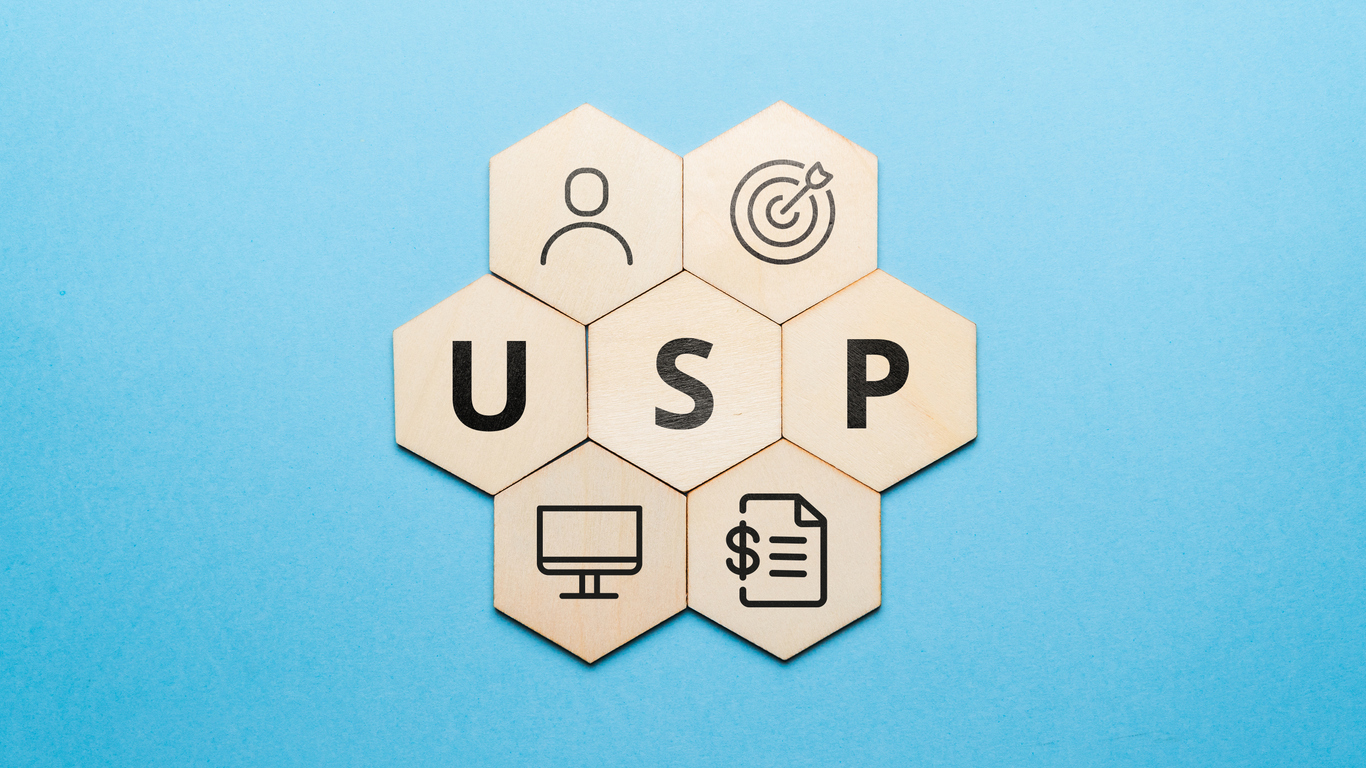
USP marketing blocks fitting together

Discovering Your Unique Selling Points

Your unique selling points are what set you apart from the competition. They are the reasons a customer should choose you over others. Discovering them involves several key steps:

  1. Market Research: Dive deep into the ecosystem of your industry to grasp fully the dynamics at play. This includes what drives your competitors and the evolving needs of your target audience. Additionally, it includes the latest trends that could impact consumer behavior and preferences.
  2. Internal Audit: Conduct a thorough examination of what your company does best by evaluating everything that makes your products or services stand out in the marketplace. This includes the quality, pricing, and technological edge, as well as customer support.
  3. Customer Feedback: Initiate open dialogues with your clientele to understand their perspectives on your offerings. This lets you uncover valuable insights and preferences that might not be immediately apparent from an internal viewpoint.
  4. Competitive Analysis: Take a close look at your competitors’ strategies and offerings. Pinpoint weaknesses or unmet needs in their approach, and identify opportunities for your business to capitalize on and differentiate itself.
  5. Synthesis and Definition: Carefully distill the essence of your competitive advantage by merging all collected insights. Define your unique selling propositions in a way that is not only clear and concise but also resonates strongly with your target market.

man walking up an arrow pointing toward the sky

Leveraging Your USPs for Business Success

Once your USPs are defined, integrating them into your marketing strategy is crucial for driving effectiveness. Here’s how:

  • Incorporate into Messaging: Make sure your USPs are front and center in all your marketing materials. This includes your website, advertising, and social media.
  • Train Your Team: Ensure everyone in your organization understands your USPs and can communicate them effectively, from sales to customer service.
  • Monitor and Adapt: Keep an eye on how well your USPs are resonating with your audience. Be ready to adjust your strategy as needed.

While marketing effectiveness can propel your business to new heights, it’s important to be aware of potential downsides. Overemphasis on certain metrics can lead to short-term gains at the expense of long-term brand health, and an overly aggressive approach can sometimes alienate potential customers. Therefore, a balanced, customer-centric approach is key.

Crafting a Future of Distinction

Remember, in a sea of competitors, your USPs are your beacon of distinction. Use them wisely to illuminate your path forward, engage your audience, and drive your business objectives.

Looking to further explore the intricacies of marketing effectiveness and uncover the unique selling points that will set your business apart? We’re here to help. Contact Us for a free consultation.

lead generation tips
long form video1

6 Reasons You Should Leverage Long Form Video Marketing

Video marketing has long been accepted as one of the most effective forms of content marketing. Video content is easy for people to consume on any device. It’s also arguably the best way to deliver a message in an engaging way and to establish an emotional connection. However, there’s been a misconception that short-form video content is the best way to go. After all, people generally have shorter attention spans these days. Not to mention that many social platforms, such as Snapchat and TikTok, encourage shorter video content. Yet there should also be a place for long-form video content in your video marketing strategy.

Let’s understand first what is long for video content?

Long-form video content offers a deeper and more extensive exploration of the topic, providing a comprehensive understanding of the subject matter.

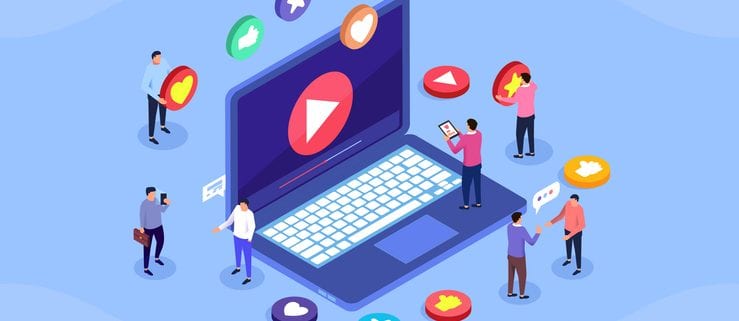
watch video video marketing

6 Reasons To Leverage Long Form Video Marketing

The following are six reasons why you should be using long-form video marketing:

1. Deliver More Value

There’s very little time to provide useful information to viewers in a 30-second to two-minute clip. You basically have just enough time to deliver a simple message. As such, there’s not a whole lot of value in short-form videos. The only thing you can really achieve is to generate brand awareness. Long-form videos are much more effective when it comes to trying to provide value to your audience. For example, it’s difficult to create a how-to video that’s less than a couple minutes long. However, you can create a detailed, step-by-step how-to video in the long-form format.

2. Create A More Engaging Experience

Although more short-form videos are consumed than long-form videos, long-form videos drive more engagement. A video marketing study published in 2017 revealed that although 80 percent of videos are under five minutes, those videos drove less than 33 percent of overall video engagement. On top of that, 8 percent of the videos that were over 15 minutes long drove half of all audience engagement.  As long as the quality of your video content is high, a long-form video is going to be more engaging. After all, it’s going to keep viewers on your site (or social channel) much longer than a 30-second video would. Not to mention that the actual content you’re delivering will be more engaging since you’re able to provide more information that’s useful to your audience.

MAXIMIZING YOUR MARKETING BUDGET

3. Improve Your SEO

Short-form videos may get shares on social media, especially if they go viral due to their humor. However, short-form videos don’t tend to earn many backlinks. Websites are more likely to link back to your videos if they provide exceptional value, which they are more likely to do if they are on the longer side. By earning more backlinks, your long-form videos will help boost your SEO.

Similar Article: Six Types of Real Estate Video Marketing Ideas For Homebuilders

4. YouTube Favors Longer Videos

YouTube is the major video platform. Not only is it the top video hosting platform, but it’s also the second biggest search engine behind Google as well as a social media platform in itself. Long-form videos do much better on YouTube than short-form videos. There’s a reason for this: YouTube’s algorithm is built around favoring long-form content. The reason why they built their algorithm this way is that longer videos allow more room for ads. Videos have to be at least 10 minutes long before ads can be run in the middle of the video, which is why many YouTube creators do everything they can to reach that 10-minute mark.

5. Build Your Brand Authoritylong form video social media

While shorter videos may get more views, they don’t generally help much in the way of building your brand authority. This is simply because shorter videos are limited in the amount of useful information they can convey. BY creating long-form videos, you can go into way more depth about a subject. The more in-depth your video subject matter is, the more you’ll be able to showcase your authority. This will help to boost your brand’s authority within your industry, which can help to build more brand trust as a direct result.

5 Types Of Marketing Videos You Should Think About Using

6. Convert More Leads

Building your brand authority is certainly going to play a part in converting leads. When viewers develop trust in your brand by watching your long-form videos, they’ll be more willing to convert. However, this isn’t the only reason why long-form videos convert more than short-form videos. The people who are watching long-form videos tend to be near the bottom of the sales funnel, while people who are watching short-form videos are probably still near the top of the funnel. As such, many long-form video viewers are already ready to convert.

Shorter videos are a good way to generate more brand awareness. However, long-form video content tends to be much more effective overall when it comes to nurturing leads and building brand authority and trust. As such, you should make sure to implement a long-form video content strategy if you haven’t done so already.

Maximizing Profitability: How to Calculate and Improve Customer Lifetime Value

Understanding your customers is not just a necessity but a pivotal aspect of sustaining and enhancing your business. One crucial metric that can significantly impact your business strategy is the customer lifetime value (CLV). Knowing how to calculate customer lifetime value can transform your approach to marketing, sales, and customer service, ensuring you allocate resources more effectively and increase the return on your investment.

What Is Customer Lifetime Value?

Customer lifetime value represents the total revenue you can expect from a customer throughout their association with your business. It’s a forecast of the net profit attributed to the entire future relationship with a customer. Understanding CLV helps you make informed decisions about how much money to invest in acquiring new customers and retaining existing ones.

The Importance of Calculating Customer Lifetime Value

Calculating CLV provides several benefits, including improved customer segmentation, enhanced return on investment, and strategic customer retention.

Improved Customer Segmentation

Delving into the metrics that underline customer lifetime value (CLV) equips businesses with the knowledge of which customers are most profitable over time. This insight is invaluable for fine-tuning marketing strategies to cater specifically to segments that mirror your most valuable customers. For example, if data shows that a particular demographic or customer behavior correlates with higher CLV, efforts can be concentrated on engaging similar profiles. This targeted approach enhances the effectiveness of marketing campaigns. It also maximizes the chances of attracting customers with a higher potential value to the business. By tailoring messages, offers, and experiences to these segments, you can ensure that resources are utilized where they have the most impact. This leads to improved customer acquisition and satisfaction rates.

Enhanced Return on Investment (ROI)

Understanding the customer lifetime value is pivotal in making informed decisions about how much money should be invested in acquiring and retaining customers. When businesses have a clear grasp of their CLV, they can allocate their marketing budgets with precision. This helps prevent overspending on low-value customers and underinvesting in high-value ones. This strategic allocation of resources ensures that marketing efforts are not just casting a wide net, but rather, are smartly invested in channels and strategies that are proven to yield the highest return on investment. By prioritizing expenditures on high-CLV customer segments, businesses can dramatically improve the efficiency of their marketing spend. This leads to a healthier bottom line and a more sustainable business model.

Strategic Customer Retention

It’s a well-established business axiom that retaining an existing customer is significantly less expensive than acquiring a new one. With a deep understanding of customer lifetime value, businesses can pinpoint which customers are crucial to retain due to their high potential value. This knowledge enables the implementation of tailored retention strategies aimed at keeping these key customers engaged and satisfied over the long term. The goal is to ensure these valuable customers feel recognized and valued. Businesses can achieve this through personalized communication, loyalty programs, and exceptional customer service. Investing in customer retention is not just about maintaining a steady revenue stream. It’s about cultivating a loyal customer base that will continue to drive profitability far into the future.

smiling and frowning face blocks

How to Calculate Customer Lifetime Value

You can approach calculating CLV through various equations, depending on the complexity of your business and the data available. However, a simple and widely used formula is:

CLV = (Average Purchase Value x Purchase Frequency) x Customer Lifespan

  • Average Purchase Value: Determine this metric by dividing your company’s total revenue within a certain time frame by the total number of purchases made in that period. This reveals the average spend per transaction.
  • Purchase Frequency: Measure this by dividing the total number of purchases in a period by the distinct number of customers who made those purchases. This metric highlights how often customers buy.
  • Customer Lifespan: This is an estimated duration a customer keeps purchasing from your business. It’s calculated based on historical data and patterns of customer engagement and transaction history.

keyboard with magnifying glass

Incorporating Omnichannel Personalization

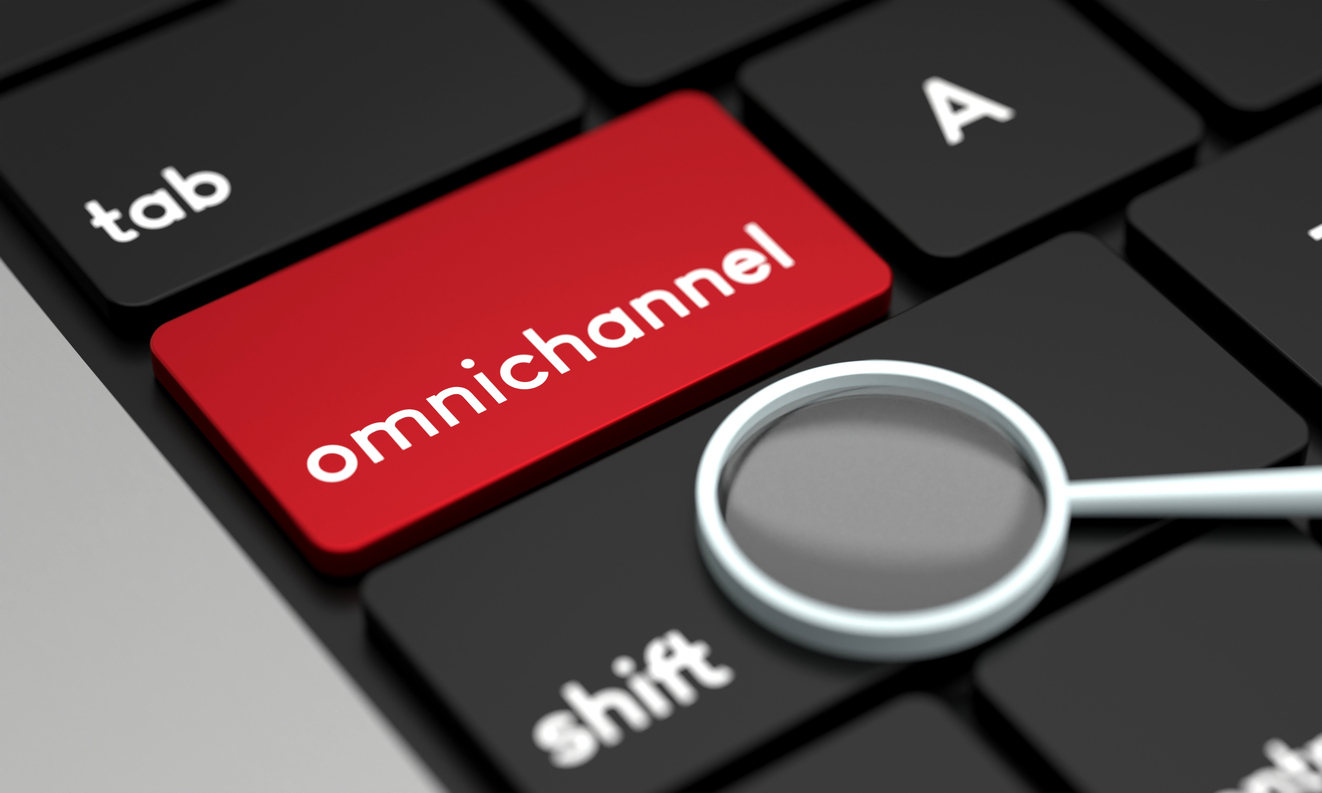
One strategy that significantly impacts CLV is Omnichannel Personalization. By providing a seamless customer experience across all channels, you enhance customer satisfaction. Additionally, you increase the likelihood of repeat purchases, thereby boosting CLV. Personalization strategies can include targeted marketing campaigns, personalized product recommendations, and tailored customer support. All of these ultimately contribute to a positive and unified customer experience.

Practical Steps to Improve CLV

  • Enhance Customer Experience: Elevating the customer experience involves ensuring that every interaction a customer has with your business, from browsing your website to contacting customer service, is positive. Every interaction should be consistent across all channels and personalized to the customers’ needs. Tailoring the customer experience in this way can significantly increase satisfaction and loyalty.
  • Implement Loyalty Programs: Loyalty programs are a strategic way to reward repeat customers, encouraging them to continue choosing your business. By offering discounts, special offers, or early access to new products, you acknowledge and reward their loyalty. These programs not only incentivize repeat business but also foster a sense of belonging among your customer base.
  • Focus on Customer Feedback: Actively seeking and listening to customer feedback is essential for continuous improvement. By understanding your customers’ needs and concerns, you can make informed adjustments to your products and services. This ongoing dialogue with your customers demonstrates that you value their input, which can enhance customer satisfaction and loyalty.

Beyond the Basics

Calculating and improving your customer lifetime value is an ongoing effort that requires continuous refinement and adaptation. It’s about building long-term relationships with your customers, understanding their needs and preferences, and delivering value at every opportunity. By focusing on CLV, you boost your profitability. You also forge stronger connections with your customers, ensuring they remain loyal advocates of your brand for years to come.

For those eager to delve deeper into enhancing their customer lifetime value and implementing effective strategies such as Omnichannel Personalization, Contact Us for a free consultation. Let’s explore how we can elevate your business together.

landing page lead conversion rate

5 Types of Landing Pages To Increase Your Lead Conversion Rate

Are your company website’s landing pages converting as many visitors to leads as you’d like? If you have a low lead conversion rate, one problem may be that you are not using the right kinds of landing pages. Landing pages have several purposes: to collect important information from visitors, to begin building a relationship with visitors, and, ultimately, to convert visitors to leads. Some companies only have one or two types of landing pages, and as a result, their lead conversion rates suffer.

Before exploring types of landing pages, let’s first understand what a landing page is.

What Is a Landing Page?

A landing page is a standalone web page designed with a specific purpose in mind. The purpose is typically to convert visitors into leads or customers. Unlike a general website page, landing pages have one clear goal. There are many goals landing pages can be created to achieve, such as prompting signup for a newsletter, downloading an eBook, making a purchase, and many more.

landing page lined paper doodles

5 Types of Landing Pages To Increase Conversion Rate

Here are 5 different types of landing pages that are sure to increase your lead conversion rate.

1. Email List Opt-In Landing Page:

It’s proven that the most effective place to put your email opt-in form is on it’s own dedicated landing page. An email list opt-in landing page gives you more room to tell visitors exactly how they stand to benefit from filling out your form with their personal information. By removing pesky distractions, like navigation, a landing page urges your visitors make a decision: opt-in or miss out on quality content and offers.

2. Product Detail Landing Page:

A product detail landing page is common in the retail industry. It serves as dedicated space on the company’s website to showcase information about a specific product. Product detail landing pages are positioned within the website’s navigation. They contain information regarding the product for sale such as features and specifications. Product detail landing pages also contain customer reviews. A benefit of product detail landing pages is that there is no extra work or cost required when it comes to creating a separate page. An additional benefit of this type of landing page is that it applies to visitors who are in the awareness or the consideration stage.

Read more on Driving Website Conversions During Each Stage Of The Buyer’s Journey

3. Coming From [social network] Landing Page:

You can apply this type of landing page to every type of traffic that your website generates. Most likely, any landing pages attached to your social media accounts bring visitors to your home page. This is a start, but it’s not the best option. You should make your landing page more customized and personal. A good social network landing page addresses where the visitor is coming from. It also provides information that the visitor is probably looking for. This can be information like background about the company. It can also be information about how to get in touch with the company, such as an email address, phone number, etc.

4. Content Guide Landing Page:

Inbound marketing revolves around the creation and distribution of content. If your company actively blogs, you have the opportunity to extend the reach of your blog content by organizing it with its own landing page. While the blog page on your website is useful, it probably only shows your most recent blog content. By creating topic-specific content landing pages, you can curate your blog content and showcase your best quality work to your site’s visitors. Topic-specific content landing pages engage your audience at different stages of their journey. Structuring your content like this optimizes user engagement. Additionally, it bolster’s your brand’s authority and relevance within your industry.

landing page doodles with coffee

5. Lead Capture Landing Pages

Marketers often refer to lead capture landing pages as “squeeze” pages. The goal of squeeze pages is to capture leads without distractions. Lead capture landing pages don’t contain any exit paths or distractions such as links or navigation tools. This type of landing page should include one thing: a prominent call-to-action (CTA) button that takes visitors to a form where they are encouraged to submit their personal data. In order to coax visitors into filling out the form, you should offer an incentive. Incentives can be eBooks, whitepapers, or webinars. This strategy boosts lead generation and builds trust with potential customers. Additionally, it enhances engagement.

Use these five types of landing pages to increase your lead conversion rate.

  25 Website Must Haves For Driving Traffic, Leads & Sales

What’s Trending in Marketing of March 2024

Step right into our March 2024 of “What’s Trending,” your gateway to the latest in marketing trends and insights. Stay informed and ahead of the game with our collection of marketing trends and reports for the 2024 year.

marketing SEO laptop

Google’s Update and Latest Changes

In its ongoing quest to enhance user experience and maintain the integrity of its search platform, Google unveiled an important core update in March 2024. This update marks a significant shift in the way Google evaluates content quality and addresses spam across the vast expanse of the internet. In this update lies an effort to minimize the presence of “unhelpful” content in search results. By refining its criteria for assessing content relevance and usefulness, Google aims to ensure that users are presented with the most valuable information in responses. This not only enhances the overall quality of search results but also raises the bar for content creators, compelling them to produce more substantive and engaging material.

These changes mean marketers and SEO experts need to rethink how they do things online. As Google updates its algorithms, they have to update their methods to make sure their content gets seen. By keeping up with these changes and adjusting their strategies, marketers can stay successful in the fast-paced online world. Read more here.

AI in Online Shopping

To meet consumer expectations, AI has a huge impact in online shopping now. IBM’s research found that more shoppers want AI help when they’re shopping. They want it to help them find products, solve problems, and get deals. But, even though companies want to give them this kind of help, what they offer often isn’t good enough, which makes shoppers unhappy. Still, shoppers like the idea of using AI, especially things like virtual assistants and features that use augmented reality.

Making AI shopping help work well means using customer data responsibly to give people personalized help that matches what they like. Also, since shoppers want better online and in-store experiences, AI is becoming really important for stores. Brands need to focus on using AI to make shopping more fun for customers while also making sure their privacy is protected and that everything is easy to use, no matter where they’re shopping. Read more here.

Automated Pausing in Ad Groups

Google Ads has recently implemented a significant update that introduces automated pausing of ad groups exhibiting low activity. This move aims to streamline budget efficiency for advertisers by redirecting resources towards more productive campaigns and eliminating wasteful spending on underperforming ad groups. One of the key advantages of automated pausing is its ability to optimize budget allocation in real-time. By automatically identifying and pausing ad groups with minimal activity, advertisers can prevent unnecessary expenditure on campaigns that fail to yield desired results. This proactive approach to budget management enables advertisers to allocate resources more effectively, maximizing the return on investment (ROI) from their advertising efforts. Read more here.

Tailoring The B2B Sales Funnel To Meet Your Needs

The B2B sales funnel typically consists of three main stages: awareness, consideration, and decision. However, it’s not rigid and can be adjusted to fit specific business needs while still incorporating elements of these stages. By tailoring the sales funnel, businesses can more effectively identify where customers are in their journey and determine appropriate actions.

For instance, a modified B2B sales funnel may include five stages:

  1. Lead Generation: Introducing leads to the company and establishing authority through content and online presence.
  2. Lead Nurturing: Continuing to educate leads about the company and their pain points, while qualifying them based on their level of interest and need.
  3. Initial Meeting: Engaging directly with qualified prospects through various interactions like discovery calls or product demonstrations to build trust and establish a relationship.
  4. Closing: Finalizing the deal and securing commitment from the prospect to do business with the company.
  5. Retention: Nurturing the relationship with customers after the sale to ensure continued business and encourage referrals, thus enhancing customer retention and attracting new leads through referrals.

This modified funnel retains elements of the standard three stages while providing a more tailored approach to understanding customer needs and journey progression. Read more here.

man marketing papers

Modern Logo Design Trends of 2024

In branding, a compelling logo is crucial for creating a lasting impression and distinguishing your brand. Modern logo designs are essential for crafting a memorable brand image in today’s digital age. Trends in logo design include minimalist designs, bold typography, handmade elements, and dynamic logos adaptable to different platforms. Handcrafted and calligraphic logos offer authenticity and uniqueness, standing out in a digital world. While AI-generated logos may lack originality and understanding of brand values, professional expertise ensures a logo reflects the brand’s ethos effectively. When designing a logo, prioritize simplicity, versatility, and alignment with brand values. Embracing modernity in branding with a well-designed logo enhances brand awareness and loyalty. Collaborating with a professional designer is a strategic investment in creating a logo that captures attention and resonates with your audience. Read more here.

Using Hashtags on LinkedIn

Using hashtags on social media platforms like Twitter, Instagram, and Facebook helps users expand their audience beyond their followers. Hashtags categorize content with relevant keywords, making it visible to users searching for those terms. While hashtags are often seen as casual, they hold value on professional platforms like LinkedIn. Here are ten tips for using hashtags effectively on LinkedIn:

  1. Follow LinkedIn’s hashtag rules and limit the number of hashtags used.
  2. Follow relevant hashtags to monitor conversations and discover content ideas.
  3. Research industry trends and competitor content for hashtag inspiration.
  4. Create a company hashtag to strengthen brand identity.
  5. Utilize LinkedIn’s suggested hashtags feature.
  6. Use hashtags in comments as well as in posts to increase visibility.
  7. Balance niche and popular hashtags for broad and targeted reach.
  8. Incorporate location-based hashtags to target specific audiences.
  9. Utilize event hashtags to highlight involvement in industry events.
  10. Reuse effective hashtags from successful posts to maintain engagement.

Using hashtags on LinkedIn can attract more leads and engage clients and prospects effectively. Incorporating hashtags into posts can enhance visibility and encourage interaction, potentially leading to successful marketing campaigns. Read more here.

Recent Marketing Trends, Reports, and Updates

Blog Content Ideas

In March 2024, content marketers have a range of creative options beyond the typical themes of St. Patrick’s Day and college basketball. Instead, they can explore topics such as National Puppy Day, alternative “March Madness” activities, the transition to daylight saving time, spring fitness, and National Craft Month. These ideas offer opportunities to engage audiences with fun, informative, and helpful content related to various products and industries. For instance, content around National Puppy Day can appeal to pet lovers, while articles on adjusting to daylight saving time can provide practical tips relevant to different lifestyles. Similarly, focusing on spring fitness or National Craft Month allows marketers to offer valuable assistance and insights to their audience while promoting their products in a more organic and engaging way. Read more here.

Profitable E-Commerce Ideas

Several e-commerce business ideas cater to various niches and interests, offering opportunities for entrepreneurs. These include selling homemade pet treats, starting an educational platform, crafting handmade toys, and offering eco-friendly baby toiletries. Additionally, flipping thrifted goods, selling specialty foods, dessert boxes, brand-name fashion reselling, and online plant sales are popular options. Collectibles and natural cosmetic products present profitable ventures as well, along with home decor items like candles, rugs, and bedding. Each idea requires thorough research, compliance with regulations, and strategic marketing to ensure success in the competitive e-commerce landscape. Read more here.

AI in Writing

AI-aided writing, editing, and research tools, including ChatGPT, Google’s Bard, Grammarly, and others, have significantly advanced, making them invaluable for copywriters in tasks like brainstorming, research, outlining, and proofreading. While fears of AI taking over copywriting jobs persist, it’s unlikely to replace human writers entirely, as AI still frequently provides misleading information, termed “AI hallucination.” Despite its advancements, double-checking AI-generated content remains crucial to avoid errors. Read more here.

17 SEO MYTHS YOU SHOULD LEAVE BEHIND