

brand

Master Brand Communication: 6 Strategies for Stronger Customer Loyalty

Brand communication is how your company communicates with their current and future customers. It influences customer relationships and shapes how the brand is perceived. Good brand communication can build and maintain brand loyalty among customers. It can also set your company apart from the competition. A good brand communication strategy will showcase your brand’s personality and your unique value propositions in addition to highlighting what it is that makes your products/services distinguishable from those of your competitors. It’s easy to see why good brand communication is important to a company’s success. Here are 6 tips for improving your company’s brand communication.

1. Focus Your Messaging On Benefits:

Consumers choose to buy products/services that will positively impact their life. Use testimonials or real-world situations that showcase other customers experiencing positive results. This allows potential buyers to envision themselves enjoying your product/service. Tell your customers how your product/service will help or benefit them rather than just listing off information about it. This will more effectively convince them to choose your product/service over your competition’s alternative. Many products/services offer similar features, but the way those features translate into tangible benefits for the consumer can set your product/service apart. Explaining how your product/service uniquely meets customer needs provides a convincing reason for customers to choose your product/service over those of your competitors. Making this differentiation is especially effective in crowded markets where there are a multitude of available options.

2. Keep It Consistent:

Visual branding elements help create the specific feeling and experience you’re trying to evoke from your brand. Keep your visual branding elements consistent across your social media posts, website, and all brand communication to increase brand recognition and build a cohesive brand identity. Visual branding elements include your logo, typography, imagery, color scheme, and more. Brand recognition can increase by 80% when you use a signature color. Having your visual branding differ across brand communication can confuse customers and look sloppy and unprofessional. The lack of cohesion can make it more difficult for customers to develop a distinct and lasting impression of your brand. It can also weaken your brand’s credibility.

Conversely, uniform visual branding elements create a sense of familiarity among customers. It also fosters trust and increases brand recognition. In order to maintain consistency when it comes to visual branding elements, you should create and follow a brand style guide that includes your logo, typography, imagery, color scheme, and any other necessary specifications. Doing so will make sure that your external partners, as well as your own team members, produce consistent visual branding elements to represent your brand. 

3. Strategically Select Distribution Methods:

Brand communication will do you no good if it is not distributed properly. When distributing brand communication (emails, posts, etc.), it is important to consider two things. One is the best way to distribute the content itself. The medium you utilize for disseminating your brand communication should align with the kind of content you are sharing. Social media should be used for sharing visual content, LinkedIn is best for sharing professional content, etc. Match your content to the appropriate platform to guarantee that your message is delivered in the most effective manner.

The other important thing to consider is the best way to distribute the brand communication based on who it is for. Understanding your audience is necessary to select the best distribution methods, as different demographics have different preferences receiving brand communication. For example, the best way for your brand to communicate with Baby Boomers is different from the best way to communicate with Gen Z.

email envelope

4. Use Images With Real People:

What would make you want to buy a bag of chips more, a picture of a bag of chips or a picture of someone with a huge smile on their face while eating some of the yummy chips? Images that feature real people create an emotional connection with your audience. They also help your potential customers picture themselves using your product/service.  To show consumers that your product will make their life better, show them pictures of people enjoying your product rather than a picture of just the product. An additional reason to use images that feature real people is that it makes customers more likely to perceive your brand as trustworthy, which fosters a stronger brand connection.

happy person looking at tablet

5. Pay Attention To Your Headlines:

Make your headlines compelling and clear in order to catch your audience’s attention. The ideal headline length is approximately 6-8 words. Headlines that are too short can be vague and confusing. Headlines that are too long are often skimmed over by readers, or ignored all together. A headline that is too long and packs in too much information also leaves nothing for the subheadline to do. This brings us to our next point.

6. Pay Attention To Your Subheadlines:

A subheadline should support the headline, and include details that expand on it. Again, do not go overboard with the length. If your subheadline is too long, you risk overwhelming your readers, causing them to skip over it entirely. The ideal headline length is approximately 10-30 words. This range keeps the text readable while also allowing you to provide details. Remember to avoid redundancy. Your subheadline should expand on your headline, not repeat it.

Brand communication is a core aspect of a company’s strategy. It influences customer relationships, shapes how the brand is perceived, and sets the company apart from their competition. Use the 6 above tips to improve your company’s brand communication.


Boost Email Marketing: Tips to Improve Open Rates & Click-Through Rates

An email’s open rate and click-through rate are two metrics that can tell you a lot about the effectiveness of your email marketing campaigns. Additionally, they can be indicators of a company’s overall success. Understanding these two metrics allows you to measure how effectively emails are driving engagement and resonating with your audience. If your company’s emails are suffering from low open rates or low click-through rates, read on to learn how to remedy the situation.

email envelope

Open Rate

An email’s open rate is the percentage of people who opened it out of the total number of people it was sent to. What is considered to be a good open rate varies from industry to industry. A high open rate typically means that your email’s subject line is relevant and compelling, therefore enticing its recipients to open the email. Conversely, a low open rate typically means that your subject line is not catching your audience’s attention. If your emails have a low open rate, there are a couple of actions you can take to increase it. 

1. Redo Your Subject Line:

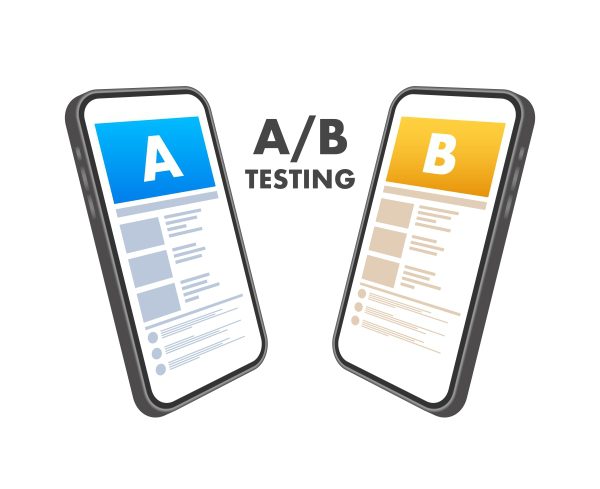
An email’s subject line is often what makes a consumer decide whether or not they are going to open the email. Therefore, it needs to be descriptive, and draw your audience in. The email’s subject line needs to be short enough to be displayed in full. Do not let the end of it get cut off. You should personalize the subject line by including the recipient’s name. Additionally, you should utilize A/B testing to identify what resonates best with your audience.

2. Make Yourself Known:

Consumers don’t want to open an email if they don’t know who it is from. Ensure that your email clearly shows it was sent from you by setting the sender name to your company’s name, rather than your company’s email address. The sender name should appear the same way on every email you send so consumers can recognize it.

Click-Through Rate

An email’s click-through rate is the percentage of people who clicked on a link in the email out of the total number of people who opened the email. Although they sound similar, an email’s click-through rate is not the same thing as an email’s click rate. Do not confuse the two. An email’s click rate is the percentage of people who clicked a link in the email out of the total number of people the email was delivered to.

Similarly to an email’s open rate, what is considered to be a good click-through rate varies from industry to industry. A high click-through rate typically means that your email is successful in persuading readers to take the desired action. The desired action can be making a purchase, downloading an eBook, signing up to attend a webinar, etc. Conversely, a low click-through rate likely means that your email’s call-to-action isn’t compelling, or that the email itself is not engaging. If your email has a low click-through rate, here are some ways you can increase it:

1. Make Your Email Visually Appealing:

Consumers often find cluttered emails to be overwhelming. Keeping your emails simple makes them visually appealing. Additionally, it makes your email more readable, and makes your call-to-action easier to find. Another aspect of making sure that your emails are visually appealing is making sure that your emails are mobile-friendly, since more and more people are accessing their email accounts on their mobile devices in this day and age.

2. Make Your Call-To-Action Clear:

Your call-to-action’s existence and purpose should both be clear. Visually, your call-to-action should be easy to find in your email. You can achieve a prominent call-to-action by using bold fonts and contrasting colors. In addition to being easy to find, your call-to-action needs to tell readers what to do. It should use action words like “watch,” “subscribe,” “read,” or “download” to guide readers on what they should do next. Using this kind of language consequently creates a sense of importance and urgency that motivates the email’s recipients to immediately engage and click on the call-to-action.

email marketing

Tracking, reviewing, and analyzing your email’s open rate and click-through rate are all essential to the improvement of your email marketing campaigns and therefore your overall company success. Use the 4 tips given above to increase your emails’ open rates and click-through rates.

Boost Your Brand: 4 Proven Ways to Master Earned Media Strategy

Earned media is coverage of your brand that you did not pay for. It can come in the form of reviews, mentions, and word of mouth just to name a few. While earned media can easily be confused with owned media and paid media, it is important to understand their differences. Paid media is coverage of your brand that you did pay for, like an advertisement. Owned media is coverage of your brand through means that you control, such as posts on your website or your social media accounts. Customers often view brand coverage that the brand did not produce or purchase for themselves as more trustworthy. Therefore, a good earned media strategy is crucial to a brand’s success. 

Here are 4 ways you can improve your brand’s earned media strategy:

1. Be on the First Page of Search Engine Results:

Your content can’t be shared if it can’t be found. If your content is buried in search engine results, it is much less visible to other websites, journalists, and bloggers. If they can’t see your content, they can’t share it with their audiences. Being on the first page of search engine results increases your discoverability, therefore increasing the chances that other websites, journalists, and bloggers will find your content and then share it. Increase your SEO to get on the first page of search engine results. Identify the words your target audience is searching for, and then integrate these keywords into your meta descriptions, headlines, subheadlines, and alt text for images.

2. Make Content:

You want people talking about your brand, but they can’t do that if there is nothing to talk about. In order to give people something to talk about, you have to create content. Creating content will also showcase your industry knowledge. Content can come in the form of videos, blog articles, podcast episodes, social media posts, and so much more. Once you have content to share, it’s important that you share it well. Don’t limit yourself to one method of distribution. Instead, share it using multiple social media platforms as well as via email. You can also establish content partnerships with other brands to create and share content. This will allow you to access their audience as well as your own. Additionally, you should share your earned media coverage on your social media accounts to increase its visibility. You can also share this earned media coverage on your website.

3. Encourage User-Generated Content:

User-generated content (UGC), like social media shoutouts and reviews, is content that is created by users. In this case, the users are your customers. UGC is authentic, and therefore great for your brand’s credibility. To encourage more of your customers to create UGC, feature already existing user-generated content on your website, marketing materials, or social media accounts. An additional way to display this content is to create a gallery of it on your website. Showcasing UGC shows your appreciation for the content your customer created, as well as the consumer themself. Another way you can encourage UGC is by offering customers the chance to win a prize if they post about your brand.

user-generated content

4. Use Trends:

Participating in trends is a great way to get more people to notice your brand. It also helps your brand become part of the conversation about the trend. Since trends reflect current interests, you show your audience that you are up-to-date when you participate in them. Participating in trends gives you the opportunity to go viral, meaning that your content will be widely shared and therefore reach a wide audience. Monitor social media platforms to identify emerging trends. Once you identify a trend, check to see if it aligns with your brand’s values. If the trend aligns with your brand’s values, you should start using or doing it as soon as you can, whether the trend is a hashtag, social media platform, or content style.

Research Hashtags to Use

By ensuring that you are on the first page of search engine results, making content that prompts conversation around your brand, encouraging user-generated content, and participating in trends, you can improve your brand’s earned media strategy. A good earned media strategy will increase your brand’s trustworthiness in the eyes of your audience, and increase your brand’s overall success.

digital cotent marketing for manufacturer

Boost Your Manufacturing Growth with Digital Content Marketing

Have you read tons of digital content marketing advice, only to find that most of it doesn’t quite fit your industry?

That’s because many resources tend to focus on sectors that target broader consumer bases. However, manufacturing is a whole different ballgame—it often serves niche markets with specific needs. That’s why a solid digital content marketing strategy for this sector should prioritize showcasing technical expertise, navigating longer sales cycles, and targeting distinct B2B audiences. And that’s where content marketing comes in—it’s a powerful way for manufacturers to offer valuable insights, educate potential buyers, and build trust.

So, if your answer to the opening question is yes, this blog might just hold the solutions you’ve been searching for.


In this post, we’ll cover four key content marketing strategies:

And, we’ll explore three major benefits:

Ready to unlock new growth? These strategies will get you there!

Key Digital Content Marketing Strategies

First, let’s explore the types of content strategies manufacturers can leverage to boost brand growth:

digital marketing strategy

1. Blog Posts & Educational Content

If your business doesn’t have a blog, it’s definitely worth considering. In fact, B2B companies that use blogs often generate more leads than those that don’t. It provides a great platform for explaining complex processes and technical products in a way that’s easy to grasp. For instance, in the manufacturing sector, a company could publish a series of blog posts on best practices for maintenance or the latest technology trends. Not only can these blogs help develop an online presence, but they can also establish expertise and attract more qualified leads! Just remember, it’s important to target these posts to the key stages of the buyer’s journey. By doing so, you can ensure that the right content reaches the right audience at the right time.

Also Read Marketing Blog tips to Supplement your Digital Strategy

2. Video Marketing

For the most part, people are visual learners; we love pictures, graphics, and videos. That’s where video marketing comes into play! If your content efforts include videos, chances are some customers will click on them. It’s a fantastic way to highlight a company’s expertise and products. For example, a manufacturer of industrial robots could create video demonstrations showing how their robots operate on an assembly line. Additionally, these videos could highlight customer testimonials, showcasing how the product has improved efficiency in real-world applications.

Also Read Three Videos Every B2B Website Should Have

3. Case Studies & White Papers

There’s nothing quite as persuasive as a well-researched white paper or an in-depth case study. You can use them to highlight how your manufacturer’s products or services have successfully addressed challenges for other clients. For instance, an eco-friendly packaging supplier might create a case study that highlights how a customer reduced plastic waste by making the switch to their products. Meanwhile, the long-form format of a white paper allows for detailed technical specifications and quantifiable results. This makes them invaluable resources for decision-makers during the research and consideration stages.

Also Read Top Benefits of Using Case Studies For Your Business

4. Social Media Presence

Many brands are using social media to engage their audiences, grow their market share, and boost sales—so why not let manufacturing join in on the fun? While your company may already be leveraging platforms like LinkedIn to share industrial articles, there’s so much more social media can offer. A company specializing in renewable energy components could engage with followers by sharing industry insights, participating in discussions about sustainability, and posting videos from trade shows. This approach fosters real-time feedback and builds stronger relationships with both prospects and existing clients.

Also Read 5 Ways To Optimize Your Social Media

What Are the Benefits?

How does digital content marketing translate into growth for manufacturers? It boils down to three main advantages:

benefits ladder

1. Lead Generation

When potential customers come across articles, videos, or case studies that resonate with their needs and pain points, they’re more inclined to engage with your brand. This not only helps build trust but also transforms them into more qualified leads, encouraging them to progress further along their customer journey.

Also Read Perfect Your Inbound Marketing Strategy With Lead Nurturing

2. Better Customer Insights

By analyzing metrics such as views, shares, and comments, you can see what topics resonate most and what challenges your customers are facing. This information allows you to refine your content strategy, making it more relevant and tailored to your audience’s needs. Ultimately, understanding your customers better helps you create content that truly speaks to them, fostering stronger relationships and improving their overall experience with your brand.

Also Read Customer Engagement Strategy

3. Cost-Effective & Measurable

Unlike traditional methods, digital content marketing provides measurable results, enabling businesses to fine-tune their strategies and allocate resources more effectively. Plus, it typically costs less than traditional advertising while delivering higher returns, making it a smart investment for companies looking to maximize their impact.

Also Read Six Cost Effective Marketing Strategies To Grow Your Brand

Embrace the Digital Shift!

Gone are the days when you could only stand behind the stage; embracing digital content lets you step into the spotlight and connect directly with your audience’s interests and challenges.

The kicker? The digital landscape is always evolving, so staying agile and on top of trends is key. 

What’s the bottom line? Applying these digital content marketing strategies will transform how you navigate the manufacturing world. Don’t wait—seize the opportunity to stand out and thrive in the digital age by turning your efforts into a powerful, lasting strategy for success!


Inbound marketing will help you grow your business by attracting website visitors, converting them into leads and closing leads into customers

know your audience to improve copy

Boost Your Content: 6 Essential Tips for Improving Copywriting Quality

Good copy is crucial for many reasons. Its importance spans a wide range of mediums, from social media posts and blog articles to advertising materials and email campaigns. Good copy allows you to communicate with your audience more effectively and foster a deeper connection with them. Additionally, good copy aids in promoting your services and/or products. Therefore, good copy drives sales. Your copy’s topic and the copy itself both have to be quality to achieve these results. Here are 6 tips you should use to improve your copy overall:

Know your audience:

Understanding your audience is important when crafting effective copy. It’s crucial that your topic is not just relevant, but also resonates with your target audience. To achieve this, you need to know who you are writing for and what they care about. In order to do that, you should conduct research to build a profile of your target audience. You can analyze existing customer data, conduct surveys, and engage in conversations with current and potential customers. The insights you gain from this research will help you better understand your audience, and therefore help you understand what is relevant to them.

know your audience to improve copy

Edit Your Work:

Good copy reflects professionalism. Additionally, it enhances coherence, clarity, and overall impact. Therefore, it’s important to notice and fix any mistakes in your copy before your readers do. To do this you must proofread and edit your copy. Unfortunately, these two important elements in crafting good copy are often overlooked. After writing your copy, you have to proofread it to check for errors, but it is best to take a short break before doing so. This way, when you come back to your copy, it will be easier to find errors since you will have a fresh perspective. Once you return from your break to start proofreading, try reading your copy out loud. This will allow you to hear how the text flows, which can help you find grammatical errors in your writing. You can also have another person read the copy, since a fresh pair of eyes can catch errors that you might have missed.

edit copy

Strategically choose your wording:

Using adverbs can make your writing too wordy. If your message is still clear and impactful without the adverb, it is usually best to strike it from the copy. You should avoid using exaggeratory words, as it often comes across as trying too hard or disingenuous. This can diminish your credibility.  You should also strategically choose your wording based on your audience. Remember that different audiences require different approaches. While a creative audience might respond better to a conversational writing style, a business audience will likely respond better to precise and straightforward language.

Keep sentences short:

Get rid of unnecessary words. Shorter sentences are easier to read and understand. They allow readers to quickly understand your message. In digital content, where people’s attention spans are shorter, this is especially important. Remember, clear and concise writing is best. 

Use active voice:

When the subject of a sentence performs the action, that means that the sentence is written using active voice. Using active voice keeps sentences from being too wordy. It also makes sentences easier to understand.

Use a compelling headline:

The headline is the first thing your audience will read, and if it’s not well written, it might be the last. A well-written headline is engaging and persuasive. It needs to grab the reader’s attention immediately, enticing them to keep reading. A headline can do different things to achieve this, like promising value or piquing curiosity. Generally, the shorter your headline is, the better. Shorter headlines are often more effective because they can be absorbed and understood by readers more quickly. This is important in catching a reader’s attention. However, you shouldn’t sacrifice clarity to achieve a shorter headline length. Make sure that your headline conveys the main idea of your writing while being clear and concise.

Use the above 6 tips to improve your copy’s topic and your copy itself to communicate more effectively in addition to selling more services and/or products. When your copy’s topic and the copy itself are both of good quality, you have an ultimate combination that can significantly enhance your communication efforts and help you achieve your business goals.

AI driven strategies

Mastering AI Marketing: Essential Strategies & Applications for Modern Marketers

AI is no longer an emerging trend—it’s a core component of advanced AI marketing strategy. But how familiar are you with leveraging AI to optimize your campaigns? Think of your AIQ (Artificial Intelligence Quotient) as a measure of how effectively you incorporate AI into your marketing efforts. 


In this article, we’ll explore how you can boost your AIQ by understanding six of the most powerful applications of AI:

Ready to explore your AIQ? These strategies will guide you on your journey!

Key AI Marketing Strategies


1. AI-Powered Personalization: Tailoring Experiences for Every Customer

AI personalization strategyAI’s ability to process vast amounts of data in real-time is revolutionizing how brands personalize customer experiences. Particularly, you can leverage AI to analyze user behaviors and preferences, allowing your brand to deliver content that truly resonates with your audience—think of how Spotify curates your music playlists or how Netflix recommends movies. But today’s AI goes further than just product suggestions; it focuses on crafting a unique journey for each customer. Whether you’re sending personalized emails, tailoring website content, or providing individualized offers, AI helps ensure that the right message reaches the right person at just the right time. Have you explored how AI might enhance your personalization strategy and foster stronger connections with your audience?

2. Predictive Analytics: Data That Drives Actionable Insights

AI doesn’t just analyze past behavior—it takes things a step further by predicting future trends and customer actions. With predictive analytics, AI digs into historical data, identifying patterns that help marketers anticipate customer behaviors, like churn rates, buying habits, and product demand. You might think, “Well, predictive analytics has been around for years.” That’s true. What AI does differently is that it really supercharges the process, analyzing millions of data points in just minutes. This leads to faster, more accurate decision-making, giving marketers an edge in optimizing campaigns and strategies. For example, tools like HubSpot’s predictive lead scoring help prioritize high-potential leads, streamlining efforts to focus where it matters most. In this way, instead of relying on manual data analysis, AI now does the heavy lifting for you, making decision-making more efficient.

3. Sentiment Analysis: Measuring Customer Emotions at Scale

To maintain a strong reputation and build lasting trust, understanding how your audience feels about your brand is crucial. That’s where AI-powered sentiment analysis steps in. What is sentiment analysis? It’s the process of using AI to analyze customer feedback, social media activity, reviews, and other textual data to determine the emotional tone behind the words. This gives you actionable insights, allowing you to adjust your messaging and offerings in real-time. For instance, if customers start expressing dissatisfaction with a product or service, AI can flag the trend early, giving your team the opportunity to address issues before they escalate. Ultimately, this ability to read customer emotions on a large scale enables marketers to create a more authentic, customer-first strategy.

4. AI-Driven Ad Optimization: Precision Targeting in Real-Time

Ad campaign strategy

When it comes to optimizing your ad campaigns, it’s no longer just about trial and error. Instead, AI takes the guesswork out of ad targeting and budgeting by making real-time adjustments based on performance data. More specifically, AI-driven platforms tap into data like user behavior, engagement metrics, and demographic information to determine where and when your ads will hit the mark. On top of that, these platforms are always fine-tuning things—adjusting bids, placements, and creative elements—to help you get the most value from your investment. The end result? Smarter spending, higher engagement, and better overall ad performance!

5. Content Creation: The Balance Between AI Automation and Human Creativity

Businesses of all sizes can leverage AI as a supportive tool to enhance content creation—whether it’s generating ideas, producing drafts, spotting trends, or improving SEO strategies. As a result, marketers can shift their focus toward high-level strategies like creative development. However, it’s important to note that while AI streamlines these processes, it’s not without its limitations. For instance, AI can sometimes miss the mark on tone, making content sound impersonal or robotic. Issues like content quality or accuracy can also arise. To avoid these pitfalls and ensure the content feels genuine and aligns with your brand’s voice, human oversight is still crucial. After all, it’s about finding that sweet spot where technology and creativity work hand in hand!

6. Dynamic Pricing: Staying Competitive with AI-Driven Flexibility

AI’s ability to process data in real-time is a game-changer for dynamic pricing strategies that can adapt on the spot. Whether it’s shifts in supply and demand, changes in competitor pricing, or customer buying patterns, AI helps keep your prices competitive while maximizing profits. This is especially useful in e-commerce and retail. For example, if an item isn’t selling well, AI can lower the price in real-time to stimulate sales. This way, you can quickly respond to market trends and optimize your revenue. While AI dynamic pricing offers immense benefits, it’s important to also consider the ethical implications involved. To successfully navigate this future, businesses must prioritize transparency, fairness, and consumer trust. In this way, you can harness AI’s power to not only drive sales but also build lasting customer relationships and achieve long-term brand success!

Boosting Your AIQ for Marketing Success!

AI is fundamentally reshaping marketing, making processes more data-driven, precise, and efficient. By embracing AI marketing strategy—like personalized customer experiences, predictive analytics, sentiment analysis, and dynamic pricing—you can elevate your AIQ and keep your brand ahead of the competition. So, what role does AI play in your current marketing strategy, and what additional steps can you take to amplify its effectiveness?

Also Read Considering The Pros and Cons of Using Artificial Intelligence In Marketing


inbound marketing solutions

The Top 10 Strategies for Mastering Inbound Marketing

The inbound marketing strategies stand as a cornerstone for businesses aiming to attract, engage, and delight customers online. The benefits of inbound marketing can be a game changer for your business. By focusing on creating valuable content and tailored experiences, you can draw potential customers to your brand organically. Here are ten efficient ways to leverage inbound marketing for your business’s advantage.

Top 10 Strategies for Mastering Inbound Marketing

1. Content Creation and Blogging

Creating informative and engaging content is at the heart of the inbound marketing methodology. Blogs, articles, and white papers that address your audience’s challenges and questions attract traffic. Additionally, they establish your brand as a thought leader in your industry.

  • Starting a blog is a strategic move that allows you to disseminate industry insights, current trends, and effective solutions. This platform serves as a beacon, drawing in those seeking knowledge and expertise in your field, thereby enhancing your brand’s visibility and authority.
  • Implementing SEO strategies is fundamental in ensuring your content reaches its intended audience through search engines. By carefully selecting keywords, optimizing meta tags, and crafting quality content, you can significantly improve your online visibility, making it easier for potential customers to discover your offerings.

2. SEO Optimization

Search Engine Optimization (SEO) is crucial for enhancing your online visibility and must be included in your long term strategy. By optimizing your website and content for search engines, you can increase your chances of appearing in top search results, therefore making it easier for potential customers to find you.

  • Conducting thorough keyword research is a pivotal step in understanding the search behavior of your target audience. By identifying the terms and phrases they frequently use, you can tailor your content to align with their inquiries as well as their interests, thereby increasing your content’s relevance and visibility in search results.
  • Optimizing your website’s meta tags, headings, and content with relevant keywords is crucial for search engine visibility. This practice ensures that your site’s elements are aligned with what your audience is searching for, enhancing your chances of ranking higher in search engine results pages and attracting more qualified traffic.

3. Social Media Engagement

social media inbound marketing blocks

Social media platforms are powerful tools for implementing inbound marketing strategies. They allow you to engage directly with your audience and share valuable content, in addition to building a community around your brand.

  • Actively sharing your blog posts and insightful content on your social media profiles can significantly enhance your online presence. This approach not only boosts engagement but also directs a wider audience to your website, enriching their understanding of your brand and offerings.
  • Promptly engaging with your followers by responding to their comments and messages on social media reinforces your brand’s commitment to customer engagement. This timely interaction fosters a welcoming community atmosphere, encouraging ongoing dialogue and strengthening customer relationships.
  • Consider partnering with prominent social media influencers that can exponentially increase your brand’s reach. These influencers, with their vast amount of engaged followers, can effectively convey your message, therefore driving awareness and potentially increasing your customer base through their trusted endorsements.

4. Email Marketing

Email marketing remains a highly effective tool for nurturing leads and keeping your audience engaged. By sending personalized and relevant content directly to your subscribers’ inboxes, you can build stronger relationships and encourage repeat business.

  • Develop a segmented email list to send more targeted and relevant content.
  • Use automation tools to send timely follow-ups or educational series to nurture your leads.

Also Read: Top 6 Email Marketing Tips

5. Lead Magnets and Landing Pages

Lead magnets, such as ebooks, webinars, and free trials, offer value to your audience in exchange for their contact information. Therefore, landing pages dedicated to these offers can significantly increase your conversion rates.

  • Create compelling lead magnets that address your target audience’s pain points.
  • Design landing pages that clearly communicate the value of your offer and include a straightforward call-to-action (CTA).

6. Customer Testimonials and Reviews

Leveraging customer testimonials and reviews is a powerful way to build trust in addition to credibility. Positive feedback from satisfied customers can persuade potential buyers to choose your brand.

  • Feature customer testimonials prominently on your website and in your marketing materials.
  • Encourage happy customers to leave reviews on relevant platforms.

7. Video Marketing

Video content is highly engaging and can convey your message in a dynamic way. Whether it’s explainer videos, customer testimonials, or behind-the-scenes glimpses, video can enhance your inbound marketing efforts.

  • Create instructional or educational videos related to your products or services.
  • Share your videos on your website, social media channels, and YouTube to reach a wider audience.

8. Influencer Collaborations

Partnering with influencers who align with your brand can help you reach a larger, more engaged audience. Influencers can introduce your products or services to their followers in an authentic and trustworthy manner.

  • Identify influencers who share your target audience and brand values.
  • Collaborate on content creation, product reviews, or sponsored posts to tap into their audience.

9. Interactive Content

interactive computer content

Interactive content, such as quizzes, surveys, and polls, can increase engagement and provide valuable insights into your audience’s preferences and behaviors.

  • Use interactive content to gather data about your audience’s interests as well as their challenges.
  • Tailor your marketing strategies based on the insights gained from interactive content.

10. Continuous Analysis and Optimization

The inbound marketing methodology thrives on continuous improvement. Regularly analyzing your strategies’ performance and making data-driven optimizations is key to maximizing your inbound marketing efforts.

  • Use analytics tools to track the performance of your content, campaigns, and website.
  • Adjust your strategies based on the data to improve your ROI and meet your marketing goals.

Also Read: Want to know the difference between inbound and outbound marketing?

Here are ten efficient ways to leverage inbound marketing for your business’s advantage.

Inbound marketing offers a holistic approach to attracting, engaging, and delighting customers in a way that feels personal as well as intuitive. By implementing these ten strategies, you can build a robust inbound marketing framework that not only draws potential customers to your brand but also nurtures them into loyal advocates. Remember, the key to successful inbound marketing is to provide consistent value and to remain adaptable, always fine-tuning your approach based on feedback and performance metrics.

Ready to elevate your results? Explore our expert inbound marketing services to drive measurable impact and long-term success.


Smartphone With New Email Message Notification On Screen Lying On Laptop Keyboard

5 Ways to Revamp Your Email Marketing Strategy and Increase ROI

Email marketing is an affordable and effective tool to help your rand stay in touch with customers to ensure more revenue. In fact, studies show that robust email marketing strategies have an ROI of about 4400%.

If your email marketing performance is subpar, there are several strategies you can implement to ensure better results. The following tips can help improve your email marketing results and grow your business.

Ways to Revamp Email Marketing Strategy and Increase ROI

  1. Plan Your Emails

Your emails may contain helpful and resourceful content, but you may not get optimum results if they’re not well-planned.

The email subject line is the first aspect your recipient sees before opening the message. Ideally, the brief statement should grab your recipients’ attention and compel them to open and read your email.

Similarly, no one wants to read a disorganized email with a cluttered layout. This overwhelms your recipients, increasing the chances of abandonment.

Instead, plan and organize your layout to maximize user experience. This means you should incorporate white space and strategically place the visuals and text to make the email easy to navigate and digest.

  1. Build a Quality Email List

Building a quality email list is one of the most complex parts of email marketing strategies. However, you can simplify the task by determining your business’s best subscriber acquisition method.

If your website attracts many visitors, you can use it to convert the traffic to subscribers. Most importantly, even a slight increase in subscribers can impact the number of people that become your customers.

You can start by improving the exposure of your lead magnets by including them in relevant content across different channels. Alternatively, depending on your brand offers, you can develop quality lead magnets focused on the type of subscribers you want to attract.

The goal is to optimize the available opportunities for visitors to opt into your email list by ensuring your most popular content has valuable downloadable resources for your audience.

  1. Segment and Personalize Your Emails

When you send a similar message to your email list, you forego the opportunity to get optimum returns in your campaigns. Instead, break down the subscribers into different segments depending on their engagement levels and stages in the buyer journey.

Ideally, you can use the purchase frequency or other significant customer data to group your subscribers based on your goals.

Your subscribers want different content depending on their needs, so you should customize the messaging to serve their needs. However, this doesn’t happen in a day. Start with two segments –frequent customers and non-customers and proceed from there.

Personalization works in tandem with segmentation to ensure optimum email marketing performance. And since open and CTRs are the top KPIs in email marketing campaigns, personalization is critical to enhancing engagement rates. Typically, custom emails have a 26% higher open rate and generate more transactions.

For instance, addressing your audience by name can boost engagement due to higher open rates. Most importantly, using various data sets, like customer interests, demographics, and engagement behaviors, can enhance your personalization strategy. This helps establish and nurture a relationship with your audience, essential for higher conversions.

  1. A/B Test Your Emails

People often get comfortable once they establish a routine. While routines are critical in email marketing, tweaking the approach can be beneficial. It helps you gain the invaluable insight necessary for improvement.

You can pick an element in your email marketing strategies and adjust it to determine the performance. For instance, you can start with email length and format to see which version performs better. If your emails are concise, but some of your customers want more content, you can add more sections and observe the performance of your newsletters.

Regardless of the size, ensure the content is resourceful and awesome to ensure high customer engagement levels.

Also, you can test different subject lines for specific groups and analyze the performance. After some experiments, you can determine the best variation for different groups in your email list segments.

For instance, you can test different CTAs, like buttons and links. You divide the subscribers into two groups and send a different CTA for each group. After collecting and analyzing the data, you can quickly determine the most effective option since the two groups share specific characteristics.

The insights can inform your present and future decisions when adjusting or deploying your next email campaign. The idea is to pick the best format based on your results.

Also Read: Email Opening Lines That Actually Work

  1. Mobile Optimization

Most subscribers open and read emails on smartphones, accounting for 41% of email views. Therefore, mobile optimization is critical to maximizing your email marketing ROI.

Maximize your use of plain text and break content into scannable sections that fit into smaller screens. In addition, keep them brief to enhance engagement. Quantity doesn’t always win when it comes to mobile users.

High-resolution images may look stunning on a desktop, but they may work against you when targeting mobile users. Therefore, make sure to use lower resolution for mobile content.

However, you can still use high-resolution images with the right tools to compress the images based on the user’s device. It’s always a good practice to consider the resolution capability of most device users to ensure the images are crisp across all devices.

Bottom Line

The email marketing process consists of multiple parts that require careful planning. While the process can be overwhelming, you can make the project manageable by developing a robust strategy to implement and track your campaigns.

Most importantly, you should create email marketing strategies you can use to simplify things depending on your business goals. Regardless of your approach, it would be best if you implemented a measurable strategy that streamlines your efforts when creating targeted campaigns.


email marketing program


case study questions

Top Benefits of Using Case Studies For Your Business

Consumers are a lot less susceptible to fancy sales pitches in this day and age, which is why the use of case studies can be very effective in building brand trust. Many consumers will ask friends and family for recommendations or look up online reviews before doing business with a particular brand. They do this because they simply trust other consumers more than they are willing to trust a brand. It’s due to these reasons that you should consider using case studies. We’ve gone over the case study questions you should ask, but the following is some information on what they actually are and how case studies benefits your marketing efforts:

What are Case Studies?

Case studies are similar to testimonials in that they provide audiences with an account of previous customer experiences with the brand. However, testimonials are typically basic interviews that function as little more than positive reviews. Case studies are more in-depth and concern the entire process that the customer went through. Basically, it’s a depiction of their buyer journey and how your business helped to fulfill their needs from beginning to end. This allows for an element of storytelling that’s much more engaging

What are the benefits of Case Studies?

Although case studies require a lot more effort to put together than the typical testimonial, it’s well worth the time and resources required. Many businesses will even produce their case studies as video content that their audiences can watch. The following are just a few of the benefits of creating case studies:

Build brand trust

Case studies are extremely effective in building trust because of the very fact that they represent the viewpoint of your previous customers. Instead of you telling your audience how great your brand is and how effective your products or services are, you’re having your customers do it for you. Not only do audiences trust other consumers more than they trust companies, but by allowing your previous customers to tell their stories, they are basically endorsing your brand, which gives your business more credibility.

Engage through storytelling

Simply having customers tell the audience that your product is great is just a basic customer testimonial. It’s not that interesting, nor is it very engaging. Case studies are more concerned with telling the story of the customer. The customer is the hero, their problem is the conflict and your brand’s solution is the resolution. The use of storytelling helps to make a brand much more relatable and will allow your audience to see how you fulfilled that customer’s need at every stage of the buyer journey.

Click here to learn the six C’s of story branding

Identify brand evangelists

To find the subjects of your case studies, you’ll need to speak to several clients or customers and request that they participate. Those that are willing are your brand evangelists. They are offering to tell their story because they believe in your brand. Knowing who your brand evangelists are is helpful because they can help improve your brand reputation through word-of-mouth marketing.

Assist your sales team

Having an assortment of case studies available on your site can be hugely beneficial to your sales team. This is because they can recommend prospects to watch specific case studies of previous customers who may have had similar problems. This, in turn, can help them close deals.

As you can see, case studies can be very beneficial to your marketing efforts. If you are not already using case studies in your business, we encourage you to give them a try. They are a powerful tool that can help you achieve a variety of goals.

Not sure where your brand is headed? Our brand strategy services can help you define your voice, connect with your audience, and stand out. For more information contact us on 630-627-5200 or Request A Consultation Today!


lead generation tips


Radio Word Built With Letter Cubes

Harmonizing the Old and New: The Dynamics of Radio Advertising in the Digital Era

Among the many advertising options available top marketers, radio ads continue to play a significant role in shaping brand narratives and reaching audiences. However, the rise of digital radio has introduced a new dimension to the audio advertising space, leading to a dynamic interplay between traditional and digital mediums. In fact, audio advertising was recently ranked the fastest growth of any media! As a marketer, understanding the nuances of both platforms can empower you to craft strategies that resonate with the digital generation.

The Enduring Charm of Traditional Radio Advertisements

Despite the digital revolution, traditional radio has not lost its allure. Here’s why:

  • Vast Reach: Traditional radio boasts an expansive reach with thousands of stations nationwide. It engages a diverse listener base across age groups, professions, and cultural backgrounds. This makes it an essential tool for local businesses to impact their communities.
  • Engagement: Radio uniquely integrates into daily routines. It serves as a companion during commutes, chores, or work, fostering an environment where listeners are more receptive to ads. This leads to higher content retention due to the need for active listening.
  • Cost-Effectiveness: Producing radio ads is less resource-intensive compared to visual media. Radio ads only require a well-crafted script, quality voice talent, and optional sound effects, offering an affordable advertising avenue for small to medium-sized businesses to reach a broad audience without straining their marketing budgets.

However, traditional radio is not without its limitations. Measuring the impact and engagement of radio ads can be challenging, and the medium offers limited targeting options compared to digital platforms. There is no doubt that other forms of marketing, including all the effective types of inbound and outbound marketing, should still be included in your overall strategy.

The Rise of Digital Radio Ads

radio ads radio equipment

Digital radio and podcasts have ushered in a new era for audio advertising. Here’s what sets them apart:

  • Precision Targeting: Leverage advanced targeting on digital platforms to connect ads with specific user segments, based on their interests, behaviors, and demographics, enhancing ad relevance and effectiveness.
  • Interactive Elements: Utilize interactive elements in digital radio ads, such as clickable links, to actively engage listeners and guide them directly to websites or promotional content, fostering immediate action.
  • Analytics and Measurement: Benefit from the detailed analytics provided by digital platforms, enabling real-time tracking of ad performance and listener engagement, facilitating data-driven decision-making and strategy optimization.

Digital radio ads offer numerous advantages. However, they also come with challenges, such as increased competition and the need for more sophisticated production techniques to capture the audience’s attention.

Balancing Traditional and Digital Radio Advertisement

So, which is better for the digital generation? The answer lies in a balanced approach. Consider the following factors to harmonize traditional and digital radio advertising:

  • Understand Your Audience: To effectively engage your audience, it’s crucial to delve deep into their preferences, lifestyles, and listening habits. This insight will guide you in striking the right balance between traditional and digital radio advertising, therefore ensuring your message is heard by the right ears. By tailoring your approach to match audience behavior, you can maximize the impact and relevance of your ads. This will lead to greater connection and response.
  • Leverage Strengths of Each Medium: Traditional radio, with its widespread accessibility, is ideal for achieving broad exposure. It is also ideal for fostering a sense of community among local listeners. On the other hand, digital radio offers the advantage of precise targeting. Digital radio also offers the inclusion of interactive elements, such as clickable ads, that can drive direct engagement and conversions. By playing to the strengths of each medium, you can craft a comprehensive advertising strategy that covers both wide-reaching brand awareness and focused, actionable campaigns.
  • Integrate with Other Channels: For a truly effective marketing campaign, radio advertising should not stand alone. Instead, it should be a part of a larger, multi-channel strategy. This means ensuring that your radio ads—both traditional and digital-based—align with and support your efforts across digital, print, and social media platforms. Cohesion across channels amplifies your message. It also reinforces your brand identity, creating a seamless experience for your audience no matter where they encounter your brand.

Crafting Effective Radio Ads for the Digital Era

Creating compelling radio ads that resonate with the digital generation requires creativity and strategic planning. Keep these tips in mind:

radio equipment

  • Craft a Clear Message: The effectiveness of your ad hinges on its ability to communicate a clear and concise message that strikes a chord with your target audience. It should distill your brand’s essence and value proposition into a compelling narrative that captures attention and fosters understanding. Crafting such a message requires insight into your audience’s needs and preferences. Ensure that every word resonates and leaves a lasting impression.
  • Incorporate a Strong Call-to-Action: A compelling radio ad doesn’t just inform; it motivates the listener to take immediate action. Whether it’s visiting a website, taking advantage of a promotion, or connecting with your brand on social media, your call-to-action (CTA) should be irresistible and clear. An effective CTA transforms passive listeners into active participants. It bridges the gap between hearing an ad and engaging with your brand. It can help close prospective customers at varying stages of the lead nurturing journey.
  • Ensure Audio Quality: In the realm of radio and digital broadcasts, audio quality cannot be compromised. High-quality production is essential to convey professionalism and capture the listener’s trust. High quality production includes clear voiceovers, balanced sound levels, and crisp sound effects. Investing in superior audio production can significantly enhance the listener’s experience and your ad’s impact. This is especially true in digital radio, where expectations for content quality are high.
  • Test and Optimize: The landscape of radio advertising is dynamic. It necessitates ongoing experimentation with various ad formats, messages, and placement strategies. You should continuously test how different elements perform with your target audience. Doing so will allow you to glean valuable insights into what resonates most effectively. This iterative process allows for the fine-tuning of your campaigns, ensuring that your advertising efforts are always aligned with your objectives and yielding optimal results.

For more insights on crafting effective advertising strategies, explore the wealth of knowledge on Stevens & Tate’s articles. You’ll find valuable information on marketing trends, strategies, and best practices that can enhance your advertising efforts.

What is the brand development process? Read more here.

Finding Harmony

The choice between traditional and digital radio ads is not binary. Instead, it is a strategic blend that maximizes the strengths of each medium and optimizes your advertising budget. By understanding your audience, leveraging the unique advantages of traditional and digital platforms, and continuously refining your approach, you can create radio advertising campaigns that effectively engage the digital generation.

Embracing the harmonious interplay between traditional and digital radio ads will enhance your brand’s reach. It will also ensure a deeper connection with the diverse, digitally-savvy audience of today.

Looking to modernize your radio campaigns? Hire a digital marketing consultant to seamlessly blend traditional and digital strategies.

For more information call us at 630-627-5200 or Request A Consultation Today!