

Boost Your Brand: 4 Proven Ways to Master Earned Media Strategy

Earned media is coverage of your brand that you did not pay for. It can come in the form of reviews, mentions, and word of mouth just to name a few. While earned media can easily be confused with owned media and paid media, it is important to understand their differences. Paid media is coverage of your brand that you did pay for, like an advertisement. Owned media is coverage of your brand through means that you control, such as posts on your website or your social media accounts. Customers often view brand coverage that the brand did not produce or purchase for themselves as more trustworthy. Therefore, a good earned media strategy is crucial to a brand’s success. 

Here are 4 ways you can improve your brand’s earned media strategy:

1. Be on the First Page of Search Engine Results:

Your content can’t be shared if it can’t be found. If your content is buried in search engine results, it is much less visible to other websites, journalists, and bloggers. If they can’t see your content, they can’t share it with their audiences. Being on the first page of search engine results increases your discoverability, therefore increasing the chances that other websites, journalists, and bloggers will find your content and then share it. Increase your SEO to get on the first page of search engine results. Identify the words your target audience is searching for, and then integrate these keywords into your meta descriptions, headlines, subheadlines, and alt text for images.

2. Make Content:

You want people talking about your brand, but they can’t do that if there is nothing to talk about. In order to give people something to talk about, you have to create content. Creating content will also showcase your industry knowledge. Content can come in the form of videos, blog articles, podcast episodes, social media posts, and so much more. Once you have content to share, it’s important that you share it well. Don’t limit yourself to one method of distribution. Instead, share it using multiple social media platforms as well as via email. You can also establish content partnerships with other brands to create and share content. This will allow you to access their audience as well as your own. Additionally, you should share your earned media coverage on your social media accounts to increase its visibility. You can also share this earned media coverage on your website.

3. Encourage User-Generated Content:

User-generated content (UGC), like social media shoutouts and reviews, is content that is created by users. In this case, the users are your customers. UGC is authentic, and therefore great for your brand’s credibility. To encourage more of your customers to create UGC, feature already existing user-generated content on your website, marketing materials, or social media accounts. An additional way to display this content is to create a gallery of it on your website. Showcasing UGC shows your appreciation for the content your customer created, as well as the consumer themself. Another way you can encourage UGC is by offering customers the chance to win a prize if they post about your brand.

user-generated content

4. Use Trends:

Participating in trends is a great way to get more people to notice your brand. It also helps your brand become part of the conversation about the trend. Since trends reflect current interests, you show your audience that you are up-to-date when you participate in them. Participating in trends gives you the opportunity to go viral, meaning that your content will be widely shared and therefore reach a wide audience. Monitor social media platforms to identify emerging trends. Once you identify a trend, check to see if it aligns with your brand’s values. If the trend aligns with your brand’s values, you should start using or doing it as soon as you can, whether the trend is a hashtag, social media platform, or content style.

Research Hashtags to Use

By ensuring that you are on the first page of search engine results, making content that prompts conversation around your brand, encouraging user-generated content, and participating in trends, you can improve your brand’s earned media strategy. A good earned media strategy will increase your brand’s trustworthiness in the eyes of your audience, and increase your brand’s overall success.

digital cotent marketing for manufacturer

Boost Your Manufacturing Growth with Digital Content Marketing

Have you read tons of digital content marketing advice, only to find that most of it doesn’t quite fit your industry?

That’s because many resources tend to focus on sectors that target broader consumer bases. However, manufacturing is a whole different ballgame—it often serves niche markets with specific needs. That’s why a solid digital content marketing strategy for this sector should prioritize showcasing technical expertise, navigating longer sales cycles, and targeting distinct B2B audiences. And that’s where content marketing comes in—it’s a powerful way for manufacturers to offer valuable insights, educate potential buyers, and build trust.

So, if your answer to the opening question is yes, this blog might just hold the solutions you’ve been searching for.


In this post, we’ll cover four key content marketing strategies:

And, we’ll explore three major benefits:

Ready to unlock new growth? These strategies will get you there!

Key Digital Content Marketing Strategies

First, let’s explore the types of content strategies manufacturers can leverage to boost brand growth:

digital marketing strategy

1. Blog Posts & Educational Content

If your business doesn’t have a blog, it’s definitely worth considering. In fact, B2B companies that use blogs often generate more leads than those that don’t. It provides a great platform for explaining complex processes and technical products in a way that’s easy to grasp. For instance, in the manufacturing sector, a company could publish a series of blog posts on best practices for maintenance or the latest technology trends. Not only can these blogs help develop an online presence, but they can also establish expertise and attract more qualified leads! Just remember, it’s important to target these posts to the key stages of the buyer’s journey. By doing so, you can ensure that the right content reaches the right audience at the right time.

Also Read Marketing Blog tips to Supplement your Digital Strategy

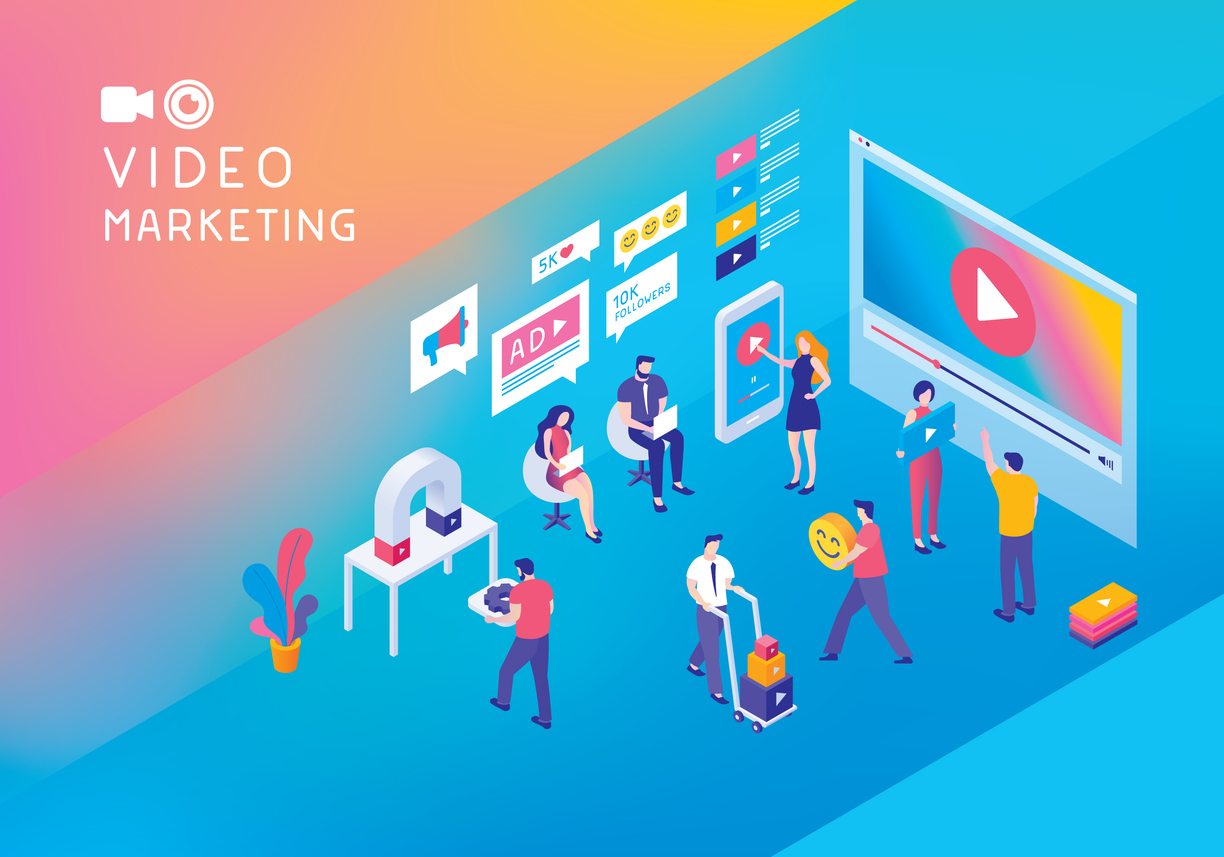
2. Video Marketing

For the most part, people are visual learners; we love pictures, graphics, and videos. That’s where video marketing comes into play! If your content efforts include videos, chances are some customers will click on them. It’s a fantastic way to highlight a company’s expertise and products. For example, a manufacturer of industrial robots could create video demonstrations showing how their robots operate on an assembly line. Additionally, these videos could highlight customer testimonials, showcasing how the product has improved efficiency in real-world applications.

Also Read Three Videos Every B2B Website Should Have

3. Case Studies & White Papers

There’s nothing quite as persuasive as a well-researched white paper or an in-depth case study. You can use them to highlight how your manufacturer’s products or services have successfully addressed challenges for other clients. For instance, an eco-friendly packaging supplier might create a case study that highlights how a customer reduced plastic waste by making the switch to their products. Meanwhile, the long-form format of a white paper allows for detailed technical specifications and quantifiable results. This makes them invaluable resources for decision-makers during the research and consideration stages.

Also Read Top Benefits of Using Case Studies For Your Business

4. Social Media Presence

Many brands are using social media to engage their audiences, grow their market share, and boost sales—so why not let manufacturing join in on the fun? While your company may already be leveraging platforms like LinkedIn to share industrial articles, there’s so much more social media can offer. A company specializing in renewable energy components could engage with followers by sharing industry insights, participating in discussions about sustainability, and posting videos from trade shows. This approach fosters real-time feedback and builds stronger relationships with both prospects and existing clients.

Also Read 5 Ways To Optimize Your Social Media

What Are the Benefits?

How does digital content marketing translate into growth for manufacturers? It boils down to three main advantages:

benefits ladder

1. Lead Generation

When potential customers come across articles, videos, or case studies that resonate with their needs and pain points, they’re more inclined to engage with your brand. This not only helps build trust but also transforms them into more qualified leads, encouraging them to progress further along their customer journey.

Also Read Perfect Your Inbound Marketing Strategy With Lead Nurturing

2. Better Customer Insights

By analyzing metrics such as views, shares, and comments, you can see what topics resonate most and what challenges your customers are facing. This information allows you to refine your content strategy, making it more relevant and tailored to your audience’s needs. Ultimately, understanding your customers better helps you create content that truly speaks to them, fostering stronger relationships and improving their overall experience with your brand.

Also Read Customer Engagement Strategy

3. Cost-Effective & Measurable

Unlike traditional methods, digital content marketing provides measurable results, enabling businesses to fine-tune their strategies and allocate resources more effectively. Plus, it typically costs less than traditional advertising while delivering higher returns, making it a smart investment for companies looking to maximize their impact.

Also Read Six Cost Effective Marketing Strategies To Grow Your Brand

Embrace the Digital Shift!

Gone are the days when you could only stand behind the stage; embracing digital content lets you step into the spotlight and connect directly with your audience’s interests and challenges.

The kicker? The digital landscape is always evolving, so staying agile and on top of trends is key. 

What’s the bottom line? Applying these digital content marketing strategies will transform how you navigate the manufacturing world. Don’t wait—seize the opportunity to stand out and thrive in the digital age by turning your efforts into a powerful, lasting strategy for success!


Inbound marketing will help you grow your business by attracting website visitors, converting them into leads and closing leads into customers

know your audience to improve copy

Boost Your Content: 6 Essential Tips for Improving Copywriting Quality

Good copy is crucial for many reasons. Its importance spans a wide range of mediums, from social media posts and blog articles to advertising materials and email campaigns. Good copy allows you to communicate with your audience more effectively and foster a deeper connection with them. Additionally, good copy aids in promoting your services and/or products. Therefore, good copy drives sales. Your copy’s topic and the copy itself both have to be quality to achieve these results. Here are 6 tips you should use to improve your copy overall:

Know your audience:

Understanding your audience is important when crafting effective copy. It’s crucial that your topic is not just relevant, but also resonates with your target audience. To achieve this, you need to know who you are writing for and what they care about. In order to do that, you should conduct research to build a profile of your target audience. You can analyze existing customer data, conduct surveys, and engage in conversations with current and potential customers. The insights you gain from this research will help you better understand your audience, and therefore help you understand what is relevant to them.

know your audience to improve copy

Edit Your Work:

Good copy reflects professionalism. Additionally, it enhances coherence, clarity, and overall impact. Therefore, it’s important to notice and fix any mistakes in your copy before your readers do. To do this you must proofread and edit your copy. Unfortunately, these two important elements in crafting good copy are often overlooked. After writing your copy, you have to proofread it to check for errors, but it is best to take a short break before doing so. This way, when you come back to your copy, it will be easier to find errors since you will have a fresh perspective. Once you return from your break to start proofreading, try reading your copy out loud. This will allow you to hear how the text flows, which can help you find grammatical errors in your writing. You can also have another person read the copy, since a fresh pair of eyes can catch errors that you might have missed.

edit copy

Strategically choose your wording:

Using adverbs can make your writing too wordy. If your message is still clear and impactful without the adverb, it is usually best to strike it from the copy. You should avoid using exaggeratory words, as it often comes across as trying too hard or disingenuous. This can diminish your credibility.  You should also strategically choose your wording based on your audience. Remember that different audiences require different approaches. While a creative audience might respond better to a conversational writing style, a business audience will likely respond better to precise and straightforward language.

Keep sentences short:

Get rid of unnecessary words. Shorter sentences are easier to read and understand. They allow readers to quickly understand your message. In digital content, where people’s attention spans are shorter, this is especially important. Remember, clear and concise writing is best. 

Use active voice:

When the subject of a sentence performs the action, that means that the sentence is written using active voice. Using active voice keeps sentences from being too wordy. It also makes sentences easier to understand.

Use a compelling headline:

The headline is the first thing your audience will read, and if it’s not well written, it might be the last. A well-written headline is engaging and persuasive. It needs to grab the reader’s attention immediately, enticing them to keep reading. A headline can do different things to achieve this, like promising value or piquing curiosity. Generally, the shorter your headline is, the better. Shorter headlines are often more effective because they can be absorbed and understood by readers more quickly. This is important in catching a reader’s attention. However, you shouldn’t sacrifice clarity to achieve a shorter headline length. Make sure that your headline conveys the main idea of your writing while being clear and concise.

Use the above 6 tips to improve your copy’s topic and your copy itself to communicate more effectively in addition to selling more services and/or products. When your copy’s topic and the copy itself are both of good quality, you have an ultimate combination that can significantly enhance your communication efforts and help you achieve your business goals.

AI driven strategies

Mastering AI Marketing: Essential Strategies & Applications for Modern Marketers

AI is no longer an emerging trend—it’s a core component of advanced AI marketing strategy. But how familiar are you with leveraging AI to optimize your campaigns? Think of your AIQ (Artificial Intelligence Quotient) as a measure of how effectively you incorporate AI into your marketing efforts. 


In this article, we’ll explore how you can boost your AIQ by understanding six of the most powerful applications of AI:

Ready to explore your AIQ? These strategies will guide you on your journey!

Key AI Marketing Strategies


1. AI-Powered Personalization: Tailoring Experiences for Every Customer

AI personalization strategyAI’s ability to process vast amounts of data in real-time is revolutionizing how brands personalize customer experiences. Particularly, you can leverage AI to analyze user behaviors and preferences, allowing your brand to deliver content that truly resonates with your audience—think of how Spotify curates your music playlists or how Netflix recommends movies. But today’s AI goes further than just product suggestions; it focuses on crafting a unique journey for each customer. Whether you’re sending personalized emails, tailoring website content, or providing individualized offers, AI helps ensure that the right message reaches the right person at just the right time. Have you explored how AI might enhance your personalization strategy and foster stronger connections with your audience?

2. Predictive Analytics: Data That Drives Actionable Insights

AI doesn’t just analyze past behavior—it takes things a step further by predicting future trends and customer actions. With predictive analytics, AI digs into historical data, identifying patterns that help marketers anticipate customer behaviors, like churn rates, buying habits, and product demand. You might think, “Well, predictive analytics has been around for years.” That’s true. What AI does differently is that it really supercharges the process, analyzing millions of data points in just minutes. This leads to faster, more accurate decision-making, giving marketers an edge in optimizing campaigns and strategies. For example, tools like HubSpot’s predictive lead scoring help prioritize high-potential leads, streamlining efforts to focus where it matters most. In this way, instead of relying on manual data analysis, AI now does the heavy lifting for you, making decision-making more efficient.

3. Sentiment Analysis: Measuring Customer Emotions at Scale

To maintain a strong reputation and build lasting trust, understanding how your audience feels about your brand is crucial. That’s where AI-powered sentiment analysis steps in. What is sentiment analysis? It’s the process of using AI to analyze customer feedback, social media activity, reviews, and other textual data to determine the emotional tone behind the words. This gives you actionable insights, allowing you to adjust your messaging and offerings in real-time. For instance, if customers start expressing dissatisfaction with a product or service, AI can flag the trend early, giving your team the opportunity to address issues before they escalate. Ultimately, this ability to read customer emotions on a large scale enables marketers to create a more authentic, customer-first strategy.

4. AI-Driven Ad Optimization: Precision Targeting in Real-Time

Ad campaign strategy

When it comes to optimizing your ad campaigns, it’s no longer just about trial and error. Instead, AI takes the guesswork out of ad targeting and budgeting by making real-time adjustments based on performance data. More specifically, AI-driven platforms tap into data like user behavior, engagement metrics, and demographic information to determine where and when your ads will hit the mark. On top of that, these platforms are always fine-tuning things—adjusting bids, placements, and creative elements—to help you get the most value from your investment. The end result? Smarter spending, higher engagement, and better overall ad performance!

5. Content Creation: The Balance Between AI Automation and Human Creativity

Businesses of all sizes can leverage AI as a supportive tool to enhance content creation—whether it’s generating ideas, producing drafts, spotting trends, or improving SEO strategies. As a result, marketers can shift their focus toward high-level strategies like creative development. However, it’s important to note that while AI streamlines these processes, it’s not without its limitations. For instance, AI can sometimes miss the mark on tone, making content sound impersonal or robotic. Issues like content quality or accuracy can also arise. To avoid these pitfalls and ensure the content feels genuine and aligns with your brand’s voice, human oversight is still crucial. After all, it’s about finding that sweet spot where technology and creativity work hand in hand!

6. Dynamic Pricing: Staying Competitive with AI-Driven Flexibility

AI’s ability to process data in real-time is a game-changer for dynamic pricing strategies that can adapt on the spot. Whether it’s shifts in supply and demand, changes in competitor pricing, or customer buying patterns, AI helps keep your prices competitive while maximizing profits. This is especially useful in e-commerce and retail. For example, if an item isn’t selling well, AI can lower the price in real-time to stimulate sales. This way, you can quickly respond to market trends and optimize your revenue. While AI dynamic pricing offers immense benefits, it’s important to also consider the ethical implications involved. To successfully navigate this future, businesses must prioritize transparency, fairness, and consumer trust. In this way, you can harness AI’s power to not only drive sales but also build lasting customer relationships and achieve long-term brand success!

Boosting Your AIQ for Marketing Success!

AI is fundamentally reshaping marketing, making processes more data-driven, precise, and efficient. By embracing AI marketing strategy—like personalized customer experiences, predictive analytics, sentiment analysis, and dynamic pricing—you can elevate your AIQ and keep your brand ahead of the competition. So, what role does AI play in your current marketing strategy, and what additional steps can you take to amplify its effectiveness?

Also Read Considering The Pros and Cons of Using Artificial Intelligence In Marketing


Smartphone With New Email Message Notification On Screen Lying On Laptop Keyboard

5 Ways to Revamp Your Email Marketing Strategy and Increase ROI

Email marketing is an affordable and effective tool to help your rand stay in touch with customers to ensure more revenue. In fact, studies show that robust email marketing strategies have an ROI of about 4400%.

If your email marketing performance is subpar, there are several strategies you can implement to ensure better results. The following tips can help improve your email marketing results and grow your business.

Ways to Revamp Email Marketing Strategy and Increase ROI

  1. Plan Your Emails

Your emails may contain helpful and resourceful content, but you may not get optimum results if they’re not well-planned.

The email subject line is the first aspect your recipient sees before opening the message. Ideally, the brief statement should grab your recipients’ attention and compel them to open and read your email.

Similarly, no one wants to read a disorganized email with a cluttered layout. This overwhelms your recipients, increasing the chances of abandonment.

Instead, plan and organize your layout to maximize user experience. This means you should incorporate white space and strategically place the visuals and text to make the email easy to navigate and digest.

  1. Build a Quality Email List

Building a quality email list is one of the most complex parts of email marketing strategies. However, you can simplify the task by determining your business’s best subscriber acquisition method.

If your website attracts many visitors, you can use it to convert the traffic to subscribers. Most importantly, even a slight increase in subscribers can impact the number of people that become your customers.

You can start by improving the exposure of your lead magnets by including them in relevant content across different channels. Alternatively, depending on your brand offers, you can develop quality lead magnets focused on the type of subscribers you want to attract.

The goal is to optimize the available opportunities for visitors to opt into your email list by ensuring your most popular content has valuable downloadable resources for your audience.

  1. Segment and Personalize Your Emails

When you send a similar message to your email list, you forego the opportunity to get optimum returns in your campaigns. Instead, break down the subscribers into different segments depending on their engagement levels and stages in the buyer journey.

Ideally, you can use the purchase frequency or other significant customer data to group your subscribers based on your goals.

Your subscribers want different content depending on their needs, so you should customize the messaging to serve their needs. However, this doesn’t happen in a day. Start with two segments –frequent customers and non-customers and proceed from there.

Personalization works in tandem with segmentation to ensure optimum email marketing performance. And since open and CTRs are the top KPIs in email marketing campaigns, personalization is critical to enhancing engagement rates. Typically, custom emails have a 26% higher open rate and generate more transactions.

For instance, addressing your audience by name can boost engagement due to higher open rates. Most importantly, using various data sets, like customer interests, demographics, and engagement behaviors, can enhance your personalization strategy. This helps establish and nurture a relationship with your audience, essential for higher conversions.

  1. A/B Test Your Emails

People often get comfortable once they establish a routine. While routines are critical in email marketing, tweaking the approach can be beneficial. It helps you gain the invaluable insight necessary for improvement.

You can pick an element in your email marketing strategies and adjust it to determine the performance. For instance, you can start with email length and format to see which version performs better. If your emails are concise, but some of your customers want more content, you can add more sections and observe the performance of your newsletters.

Regardless of the size, ensure the content is resourceful and awesome to ensure high customer engagement levels.

Also, you can test different subject lines for specific groups and analyze the performance. After some experiments, you can determine the best variation for different groups in your email list segments.

For instance, you can test different CTAs, like buttons and links. You divide the subscribers into two groups and send a different CTA for each group. After collecting and analyzing the data, you can quickly determine the most effective option since the two groups share specific characteristics.

The insights can inform your present and future decisions when adjusting or deploying your next email campaign. The idea is to pick the best format based on your results.

Also Read: Email Opening Lines That Actually Work

  1. Mobile Optimization

Most subscribers open and read emails on smartphones, accounting for 41% of email views. Therefore, mobile optimization is critical to maximizing your email marketing ROI.

Maximize your use of plain text and break content into scannable sections that fit into smaller screens. In addition, keep them brief to enhance engagement. Quantity doesn’t always win when it comes to mobile users.

High-resolution images may look stunning on a desktop, but they may work against you when targeting mobile users. Therefore, make sure to use lower resolution for mobile content.

However, you can still use high-resolution images with the right tools to compress the images based on the user’s device. It’s always a good practice to consider the resolution capability of most device users to ensure the images are crisp across all devices.

Bottom Line

The email marketing process consists of multiple parts that require careful planning. While the process can be overwhelming, you can make the project manageable by developing a robust strategy to implement and track your campaigns.

Most importantly, you should create email marketing strategies you can use to simplify things depending on your business goals. Regardless of your approach, it would be best if you implemented a measurable strategy that streamlines your efforts when creating targeted campaigns.


email marketing program


case study questions

Top Benefits of Using Case Studies For Your Business

Consumers are a lot less susceptible to fancy sales pitches in this day and age, which is why the use of case studies can be very effective in building brand trust. Many consumers will ask friends and family for recommendations or look up online reviews before doing business with a particular brand. They do this because they simply trust other consumers more than they are willing to trust a brand. It’s due to these reasons that you should consider using case studies. We’ve gone over the case study questions you should ask, but the following is some information on what they actually are and how case studies benefits your marketing efforts:

What are Case Studies?

Case studies are similar to testimonials in that they provide audiences with an account of previous customer experiences with the brand. However, testimonials are typically basic interviews that function as little more than positive reviews. Case studies are more in-depth and concern the entire process that the customer went through. Basically, it’s a depiction of their buyer journey and how your business helped to fulfill their needs from beginning to end. This allows for an element of storytelling that’s much more engaging

What are the benefits of Case Studies?

Although case studies require a lot more effort to put together than the typical testimonial, it’s well worth the time and resources required. Many businesses will even produce their case studies as video content that their audiences can watch. The following are just a few of the benefits of creating case studies:

Build brand trust

Case studies are extremely effective in building trust because of the very fact that they represent the viewpoint of your previous customers. Instead of you telling your audience how great your brand is and how effective your products or services are, you’re having your customers do it for you. Not only do audiences trust other consumers more than they trust companies, but by allowing your previous customers to tell their stories, they are basically endorsing your brand, which gives your business more credibility.

Engage through storytelling

Simply having customers tell the audience that your product is great is just a basic customer testimonial. It’s not that interesting, nor is it very engaging. Case studies are more concerned with telling the story of the customer. The customer is the hero, their problem is the conflict and your brand’s solution is the resolution. The use of storytelling helps to make a brand much more relatable and will allow your audience to see how you fulfilled that customer’s need at every stage of the buyer journey.

Click here to learn the six C’s of story branding

Identify brand evangelists

To find the subjects of your case studies, you’ll need to speak to several clients or customers and request that they participate. Those that are willing are your brand evangelists. They are offering to tell their story because they believe in your brand. Knowing who your brand evangelists are is helpful because they can help improve your brand reputation through word-of-mouth marketing.

Assist your sales team

Having an assortment of case studies available on your site can be hugely beneficial to your sales team. This is because they can recommend prospects to watch specific case studies of previous customers who may have had similar problems. This, in turn, can help them close deals.

As you can see, case studies can be very beneficial to your marketing efforts. If you are not already using case studies in your business, we encourage you to give them a try. They are a powerful tool that can help you achieve a variety of goals.

Not sure where your brand is headed? Our brand strategy services can help you define your voice, connect with your audience, and stand out. For more information contact us on 630-627-5200 or Request A Consultation Today!


lead generation tips


lead generation content marketing

The Importance of Lead Generation and Content Marketing Agencies

Your company is struggling to generate leads, and you’re looking for a quick and relatively simple solution. I have the solution, but you’ll probably groan because you’ve heard it before. “Content is king” might be an overused term, but that’s only because it’s proven to be true. A foolproof solution to your lack of leads as well as website foot traffic is lead generation content marketing.

Importance of Lead Generation and Content Marketing Agencies

Nowadays, the quality of your company’s content is more important than ever before. Granted, there is more space to generate content and share it on the Internet, but with increased space comes tougher competition. We as a marketing agency in Illinois, feel pressure to stand out from the pack with remarkable content that converts our website’s visitors into potential leads. Consistent, quality content will attract the attention of readers, as well as encourage them to trust your company. Content marketing agencies can also help you create effective content marketing strategies and manage your content channels.

A GUIDE TO EFFECTIVE MOBILE MARKETING TECHNIQUES

So what exactly is “quality” content?

Quality content has a specific purpose, format, and topic. The purpose should help the users find an answer to their questions or interests. The format you choose should fit your content well. In order to attract more leads, the content in the conversion stage should consist mainly of content offers.

Also Read: Content Marketing Misconceptions

Choose an appropriate formatContent_Marketing_Agencies 2

The format of the content offers can be a multitude of things; such as case studies, white papers, forms, calls-to-action, visuals, eBooks, emails, and landing pages. For example, if you want to demonstrate to users how a product works, you might use the template of a visual, such as a video or an image, rather than an eBook. On the other hand, if you wish to show your readers a how-to process that is also aesthetically pleasing, an eBook format would work better than a visual one.

In terms of topics, your content should be educational as well as specific. You should conduct market research and create content with your buyer personas in mind. Imagine you are your buyer persona: what problems do you need solutions for? How far are you in the buyer’s journey? What language would you use when typing keywords into the search engine? This can help you cater your content towards your target audience.

Similar Article: A Brief Guide to Sales Lead Generation

Be consistent

Another factor that makes content “quality” is frequent and consistent publication. If your readers know they can count on you to publish a semi-weekly blog in a specific time window, they are much more likely to see you as reliable. Webdam’s statistics show that blogging consistently has led to B2B marketers generating about 67% more leads marketers who do not, which is a huge advantage. After you’ve earned their trust, a number of your visitors will subscribe to you and convert to leads.

Lead generation content marketing is a proven way to get the word out about your company and have potential customers become interested in your business. Without good, consistent content, people will have little reason to visit your website or truly believe that you’re a leader in your field. Don’t let this happen to you.

Conclusion:

Effective lead generation and consistent, high-quality content marketing are essential for building trust, attracting the right audience, and driving business growth. Partnering with an experienced inbound marketing agency can make all the difference, helping your brand stand out, deliver real value, and convert visitors into loyal customers. Contact us at 630-627-5200 today for a free consultation and discover how we can make things happen for your business.

inbound marketing solutions

The Benefits of Inbound & Outbound Marketing

There are two main types of marketing: inbound and outbound. Inbound marketing involves positioning yourself to be found by your target audience, providing them with the content they need for self-informed decision-making. Examples include SEO and content marketing. On the other hand, outbound marketing is more traditional, advertising directly to a broad audience through channels like TV commercials, radio ads, and magazine ads instead of waiting to be found.

Many businesses tend to prefer one over the other. However, the most effective way to market to your target audience is to use a combination of both inbound and outbound. To understand why using both is a valuable investment to your business, you’ll need to understand the Benefits of Inbound and Outbound Marketing.

The Benefits of Inbound Marketing

Inbound marketing is a non-invasive advertising approach. In contrast, outbound marketing interrupts the audience’s activities (reading, listening to the radio, watching TV, etc.). One benefit of inbound marketing is avoiding annoyance by not disrupting experiences. It allows potential customers to move through the sales funnel at their own pace without pressure. Providing content for them to read at their convenience helps build brand loyalty, trust, and comfort. Notably, outbound marketing is short-term, while inbound is long-term. The website and content you create continue attracting new leads over time.

8 Important Questions To Ask When Hiring Inbound Marketing Agencies

The Benefits of Outbound Marketing

The biggest benefit to using outbound marketing is that you have the potential to reach a larger audience. This could be an audience who may not be familiar with your brand or the services you have to offer. They may not know that they have a need for your products or services until they see your ad and wouldn’t have known to search for your brand beforehand. It’s also a great way to reach audiences who do know about your brand but who may not have known about new products and services that you’re offering.

Using Inbound and Outbound Marketing Together

Using both forms of marketing provides short-term and long-term results and can complement each other. Here are examples of effective combined use of inbound and outbound marketing:

  1. Generate traffic via outbound: Consumers have smartphones or tablets even while watching TV. Running a TV commercial (outbound) can encourage viewers to visit your social media page or website (inbound). This applies to various outbound efforts, like putting your site on billboards or magazine ads, prompting in-store customers to follow you on social media, etc.
  2. Nurture leads before promoting live events: Inbound marketing can inform audiences about your brand and familiarize them with you. Before promoting live events in-store or at a tradeshow (outbound efforts), where they can pick up pamphlets or speak with sales reps in person, nurture leads through inbound efforts. Interested in learning more about lead nurturing? Using Lead Nurturing During the Consideration Stage Of The Buyer’s Journey

Inbound VS Outbound Marketing: What’s Better for You?

Which One Should I Choose?

As per above above-listed benefits of Inbound and Outbound marketing, there’s no reason to limit yourself to either inbound or outbound marketing. There’s no reason to limit yourself to either inbound or outbound marketing. Learning how to use both effectively can be a valuable skill for your business. The answer lies in recognizing the strengths of each and being able to leverage both effectively. Mastering this blend is not just a skill; it’s an important way to maintain a successful and impactful marketing approach.

Conclusion:

While outbound tactics provide quick visibility, the real long-term value lies in building trust and nurturing leads through inbound marketing services. By creating helpful, engaging content that meets audiences where they are, businesses can attract, convert, and retain loyal customers over time.

Inbound marketing will help you grow your business by attracting website visitors, converting them into leads and closing leads into customers
email opening lines

Email Opening Lines That Actually Work

In the digital age, emails have become a primary mode of communication, especially in professional settings. Email opening lines are crucial; they are the first thing the recipient reads and set the tone for the rest of your message. A well-crafted opening line can make the difference between your email being read or ignored. 

This blog will explore the best opening lines for an email suitable for different contexts, including formal, polite, professional, business, and friendly scenarios.

Formal Email Opening Lines

Formal emails are often used in professional settings where a respectful and serious tone is required. They are ideal when communicating with someone you don’t know well or in situations demanding a high level of professionalism.

Formal Opening Line for Email Examples:

  1. “Dear [Recipient’s Name], I am writing to you regarding…”
  2. “To Whom It May Concern, I wish to express my interest in…”
  3. “Dear [Recipient’s Title and Name], I write to seek your guidance on…”
  4. “Esteemed [Recipient’s Title], I am contacting you in relation to…”
  5. “Respected [Recipient’s Name], I am reaching out regarding our upcoming collaboration…”
  6. “Dear Sir/Madam, I am formally requesting assistance with…”
  7. “To the [Department/Team Name], I wish to submit my proposal for…”

These lines establish a formal tone, showing respect and professionalism, which is crucial in official matters.

Polite Email Opening Lines

Politeness is important in any form of communication, especially in emails. Having polite opening lines helps in fostering a positive relationship with the recipient.

Polite Opening Line for Email Examples:

  1. “I hope this message finds you well. I am reaching out to…”
  2. “Thank you for your attention. I would appreciate your input on…”
  3. “Good day, I hope this email finds you in good health. I wanted to discuss…”
  4. “Hello, I trust you are doing well. May I inquire about…”
  5. “Greetings, I hope you’re having a productive week. I’m writing to ask about…”
  6. “Hi there, I hope you had a great weekend. I’m reaching out because…”
  7. “Dear [Recipient’s Name], I hope this message finds you well. I am eager to hear your thoughts on…”

These lines demonstrate courtesy, enhancing the recipient’s receptiveness to your message.

Learn More About: How Personalization Can Improve Your Email Performance

Professional Email Openings

Professionalism in emails is about being concise and to the point while maintaining a respectful tone. These openings are perfect for day-to-day business communications.

Professional Opening Line for Email Examples:

  1. “Greetings, I would like to discuss…”
  2. “Hello, thank you for your email regarding…”
  3. “Greetings [Recipient’s Name], I am writing to follow up on our last conversation regarding…”
  4. “Hello [Recipient’s Name], I wanted to touch base about quickly…”
  5. “Hi [Recipient’s Name], I’m reaching out to provide an update on…”
  6. “Dear [Recipient’s Name], I have some news regarding our ongoing project…”
  7. “Good morning/afternoon, I want to clarify a few points about our recent meeting…”

These lines are straightforward yet courteous, suitable for regular business interactions.

email marketing program

Opening Sentences for Business Emails

Business emails demand clarity and a direct approach. The opening sentence should immediately convey the email’s purpose.

Opening Sentence Business Email Examples:

  1. “Regarding our upcoming project, I wish to update you on…”
  2. “Following our recent conversation, here is the information you requested…”
  3. “As agreed in our previous discussion, I am sending over the details of…”
  4. “Following up on our recent meeting, I have compiled the report on…”
  5. “In response to your request, here are my recommendations for…”
  6. “I would like to draw your attention to the recent developments in…”
  7. “Pertaining to our last conversation, I have a few updates regarding…”

These lines are clear and direct, indicating the email’s purpose right from the start, which is appreciated in business communications.

Friendly Email Opening Lines

When writing to someone you have a good rapport with, a friendly opening can be engaging—these lines are ideal for less formal, more personal communications.

Friendly Opening Line for Email Examples:

  1. “Hi [Name], I was just thinking about our last meeting and wanted to ask…”
  2. “Hey [Name], hope you’re doing well. I have some ideas to share regarding…”
  3. “Hey [Name], just a quick check-in. How’s everything going with…”
  4. “Hi [Name], I was just reminiscing about our last meeting and thought to follow up on…”
  5. “Hello [Name], I came across something that reminded me of our project. Have you got a minute to discuss?”
  6. “Hi there [Name], hope you’re doing well. Just wanted to share a quick update on…”
  7. “Hey [Name], I was thinking about what you said last time and wanted to explore the idea of…”

Also Read: Tips for Strong Email Subject Lines

What Else Should You Pay Attention To?

Crafting Opening Lines for Different Scenarios

It’s essential to tailor your opening line to the context of your email. The tone and formality should match the purpose of your email and the relationship you have with the recipient.

Common Mistakes to Avoid in Email Opening Lines

  1. Avoid overly casual or overly formal language in inappropriate contexts. 
  2. Starting an email with an apology can also weaken your position unless it’s necessary.

The Impact of a Well-Chosen Best Email Opening Lines

The best opening lines of email holds significant importance in determining its efficacy. A well-thought-out introduction sets the tone for your message, captures the recipient’s attention, and improves the likelihood of a positive response. The first line is an opportunity to establish a connection with the reader, convey the purpose of your email, and create a favorable impression. Hence, it is crucial to invest time and effort in crafting an opening line that is engaging, relevant, and tailored to your audience. By doing so, you can increase the chances of your email being read and responded to positively.

Also Read: How to Improve Your Email Open Rate and Click-Through Rate

Ready to transform your email marketing and overall digital strategy? Stevens & Tate offers comprehensive digital marketing strategy services to help you optimize your online presence, engage your audience, and drive sustainable growth. Contact us today for a free consultation and discover how we can make things happen for your business.

email opening line
4cs of marketing model

Introducing the 4C Marketing Model and why you should follow it

When it comes to marketing models, the 4P marketing model is the most traditional, business-oriented one — and the one you’re most likely familiar with. The 4Ps represent product, price, promotion, and place. For a more customer-oriented model, you may want to follow the 4C marketing model.

What Are the 4cs of Marketing?

The 4Cs of marketing — Customer, Cost, Convenience, and Communication – represent a customer-centric approach to marketing strategy. The 4Cs of marketing focus on understanding and meeting customer needs and it is customer-centric alternative to the traditional 4Ps. The 4C marketing model was first proposed by Bob Lauterborn in an article published in Advertising Age in 1990. He saw it as a possible effective alternative. The following is a brief breakdown of the 4C marketing model, which consists of consumer, cost, convenience, and communication.

4Cs of Marketing

Consumer

First, you have to know who your target customers are and what their needs and wants are. The consumer should drive all of your marketing efforts from here on out. Having knowledge about your target audience makes it easier to create a product that fulfills a need in the market. This is where your buyer personas come in. Buyer personas represent your ideal customer and once you understand them, you better understand your target audience. This leads to improved communication with your consumers and gives them the sense that you understand them as well, leading to improved sales. Of course, the product is an important focus in any marketing model, but always remember the value of the consumer.

Cost

In the 4Cs marketing model, the cost evaluates the cost considerations from the buyer’s perspective. Determining the cost involves performing detailed research into what customers are able and willing to pay. Additionally, do research into the cost of competing products. The research will aid you in figuring out whether selling your product at a cost that customers are willing to pay will be profitable or not. You will also need to take into account the added costs of purchasing your product outside its sticker price. For example, how much customers will need to pay in taxes, shipping costs or transportation costs.

One thing that’s important to keep in mind is that the price point of your product isn’t what necessarily convinces consumers to purchase your product. A low price point won’t always drive sales, after all. In the end, it’s the benefit of your product that will help support its costs.

Communication

Communication refers to how you will engage with your customers. You will want to find ways to engage with your target customers to build confidence in your brand and your product. Customers want to know how buying your product will benefit them and that’s what you need to focus on communicating. You should focus on providing relevant information to customers in order to help them figure out what their problems, needs, or challenges are. This will then allow you to position your product as a potential solution. This requires that you ask your customers questions and listen to what they have to say. Communication is a two-way street after all.

Promoting products is all about saying what you have to say and hoping the customer buys it. Communication is about strengthening your understanding of your customers and building trust in your brand. One of the best ways to do this is through social media.

Convenience

Convenience focuses on how easy it is for customers to purchase your product. You’ll want to identify potential barriers and figure out ways to remove those barriers in order to improve customer convenience. For example, maybe a poor user interface is preventing potential customers from using your e-commerce site. Providing quality customer support to help make the purchasing process easier is also an important facet of improving convenience.

Also Read: How To Outshine Your Competition with Effective Ecommerce Marketing

In today’s world, the consumer has more power than ever. As such, your marketing efforts will be more successful if you take a more customer-oriented approach. By understanding the importance and using the 4C marketing model, you’ll have more success targeting customers who are actually interested in what you have to offer. Not to mention that such an approach will help you build long-lasting relationships with your customers.

Conclusion:

Adopting the 4C Marketing Model allows businesses to shift their focus from simply selling products to truly understanding and connecting with their customers. If you’re ready to take your marketing to the next level and create a customer-first strategy, Strategy Marketing Agency like Stevens & Tate is here to help you develop tailored marketing solutions that deliver real results. Contact us at 630/627-5200 or Request your FREE Consultation Today!

Free Marketing Consultation