Tag Archive for: marketing strategy

hiring a full service advertising agency

Five Reasons To Hire An Advertising Agency Versus Staffing In-House

Marketing and advertising are essential for the success of any business. As your company grows, you will eventually be faced with the difficult decision of whether to build your own marketing group or to outsource to an advertising agency. Here are five benefits to hiring a full-service advertising agency. Read more

Marketing Blog

Digital Marketing Changed By Visual Search

Search marketing is constantly evolving, requiring businesses to adapt their digital marketing tactics or risk falling behind. Search engines continually refine their algorithms, often requiring SEO strategies to adjust accordingly. At the same time, new forms of search continue to emerge. While voice search has become more common, visual search is advancing rapidly and reshaping how consumers discover products and information online.

Visual search has grown into a powerful tool within the digital landscape. As consumers become increasingly reliant on smartphones and visual content, searching with images is becoming a natural extension of everyday online behavior. With that in mind, visual search should be considered an important component of modern digital marketing strategies.

Visual search is exactly what it sounds like — performing a search on the web using an image rather than text. While this may seem less practical on a desktop or laptop, it makes perfect sense on mobile devices. Consumers can simply take a picture using their smartphone camera of a product in-store or an object they encounter and instantly search for related information online.

If a company has optimized its content for visual search, users can quickly access product details, pricing, reviews, or similar items. Visual search is not limited to retail products, either. Someone might take a photo of a plant to identify it, snap a picture of furniture to find similar styles, or capture an outfit to discover where to purchase it. The possibilities continue to expand as technology improves.

What are the Benefits of Visual Search?

Brands that offer highly visual products have the most to gain from implementing visual search. Industries such as fashion, home décor, art, food, animals, and automotive naturally align with image-based discovery. However, nearly any brand can benefit from optimizing visual content.

Below are several advantages of incorporating visual search into your digital marketing strategy:

Improve the shopping experience

Visual search enhances the shopping journey by making product discovery faster and more intuitive. Instead of typing detailed descriptions into a search bar, users can upload or capture an image to find similar products instantly.

This simplifies comparison shopping and allows customers to explore alternative styles, colors, or price points. Retailers can also use visual data to provide personalized recommendations based on the visual characteristics customers engage with most. The result is a smoother, more personalized shopping experience that can improve satisfaction and conversion rates.

While many businesses monitor social media for mentions, but fewer leverage visual search to analyze how their brand appears in images across platforms. Visual monitoring allows companies to track logos, packaging, and product placements in real-world settings.

This type of insight can uncover unexpected trends, customer behaviors, or creative uses of products. Brands can then capitalize on these discoveries through targeted campaigns, user-generated content initiatives, or new product ideas. Visual search provides another layer of market intelligence that text-based monitoring alone may miss.

Identify influencers Digital_Marketing2

Building relationships with brand influencers is an effective way to gain access to large target audiences. However, discovering the right influencers can be challenging when relying only on text-based searches.

Because many influencers communicate primarily through visual content, image-based search tools can help brands find creators who feature relevant products or aesthetics. This approach often leads to more authentic partnerships by identifying individuals who are already organically aligned with the brand’s visual identity.

Engage users more effectively

People process and respond to visuals faster than text. By optimizing images for search and making visual discovery seamless, brands can engage users in a more natural and compelling way.

Visual search encourages interaction, exploration, and discovery. The ability to capture an image and receive instant results keeps users engaged and increases the likelihood of continued brand interaction. Strong visual content can also support higher conversion rates by reducing friction in the buyer journey.

Attract more mobile users

Mobile usage continues to dominate digital behavior, and visual search is inherently mobile-centric. Smartphones and tablets make it easy for users to snap photos anytime and anywhere.

Because visual search aligns so naturally with mobile functionality, it presents a strong opportunity for brands looking to attract and retain mobile users. Optimizing images, improving mobile site speed, and ensuring product visuals are high quality all contribute to stronger performance in visual search environments.

Final Thoughts

Visual search continues to grow in importance as consumer behavior shifts toward faster, more intuitive forms of online discovery. The ability to search using images enhances user experience, supports personalized engagement, and opens the door to new marketing insights.

If your business offers visually driven products or services, now is the time to consider how visual search fits into your broader digital marketing strategy. Brands that prioritize visual optimization today will be better positioned to meet evolving consumer expectations and stay competitive in an increasingly image-focused digital world.


30 Greatest Lead Generation Tips
user generated content

Sourcing User Generated Content

One source of content generation you may not have tapped into yet is user-generated content. Content marketing is a critical component of any successful marketing strategy. However, it can take a lot of resources to produce your own content on a regular basis. Even if you’ve managed to regularly generate high-quality content, you should look for other ways to create new content for variety’s sake, such as high quality user generated content.

What Is User-Generated Content?

User-generated content refers to content created by consumers and not brands. Such content includes videos, pictures, reviews, articles, and more. For instance, if a consumer takes a picture of themselves using your product and posts it on Instagram, that’s user-generated content. The following are just a few of the benefits of user-generated content:

  • Free publicity

Your audience is essentially promoting your brand on your behalf. As a result, user-generated content can help increase brand awareness.

  • Free content

Creating your own content requires a lot of resources. User-generated content requires none — your audience is creating the content for you. While you don’t own it, you can share it and reap the benefits of it.

  • Positive word of mouth

Customers trust other customers more than they trust brands. Positive user-generated content can, therefore, help to boost your brand reputation by creating trust.

How To Source Usable Generated-Content

Considering how beneficial this free content can be, you’ll want to do everything you can to encourage it. However, the biggest challenge lies in the lack of control you have over the content. You can’t control the message, format, or quality, after all. But there are a few ways that you can guide your audience to create the content that will benefit you most. The following are a few tips on how to source high-quality user-generated content:

  • Encourage 

Don’t just wait for your audience to create content relevant to your brand. You need to encourage it. For instance, hold a contest on social media in which users vote on the best submission. You can then give the winner a prize. There are many ways that you can encourage content generation.

Utilize Marketing Audiences on Pinterest Today

  • Provide clear guidelines

If you’re looking for a specific type of content, then you need to provide guidelines. For example, if you want user reviews, consider providing a basic review format. Such a format could list three broad questions that users can answer in order to generate a review.

  • Provide content creation tips

Your audience does not consist of professional content creators. As such, provide tips that they can use to create higher quality content. For instance, if you’re holding a video creation contest on YouTube or on Instagram, provide your users with a list of basic filming tips. Such tips can help cut down on the amount of poor quality content that you might receive.

  • Offer an example

If you’re looking for a specific type of content, then provide an example. When users see what you’re looking for, it will help them create the kind of content you want. For instance, if you’re hosting a picture taking contest, upload a few pictures of your own that would be considered exceptional examples. By providing an example, you also make sure that users understand your instructions more clearly.

  • Identify the channel

Make sure that your audience knows where to send it. The last thing you want is users posting their content on different platforms or sending it to you via different channels. If you’re promoting a contest, specify what platform they should post to or what hashtag they should use. Provide detailed instructions on how to submit content. By making it clear what channel you’re using, it will be easier for you to track and organize user-generated content.

  • Open a line of communication

Provide a channel through which your audience can contact you. This channel should be specifically for users who are creating content. You can do this by providing a specific support email address, a phone number, or a page they can DM on social media.

  • Monitor performance

Track how the content users create for your brand is performing. By doing so, you can identify what types are the most effective. You can then adjust your guidelines and instructions to encourage the creation of that type of content.

Enhance your Strategy Today

User-generated content can go a long way towards boosting brand trust. Not to mention that it’s a great way to expand your content marketing strategy. As such, make sure that you encourage the creation of high-quality user content. You can do this by providing your audience with general guidance and encouragement to drive effective user-generated content creation.

25 Website Must Haves

Using HubSpot Lead Flows To Improve Conversion Rates

There’s a common misconception in some businesses that pop-ups are always a bad idea.  It’s true that pop-up ads can be annoying, especially if they are disrupting the visitor’s website experience. However, they can also be very effective if you know how to implement them properly. For example, you’ll want to refrain from having pop-ups on every page of your site as this will probably annoy your visitors.

However, a strategically placed pop-up can actually make it easier to convert your leads. In fact, a recent study showed that pop-ups convert 1375 percent better than traditional opt-in forms. If you do decide to use pop-ups in an attempt to convert leads, be sure to use HubSpot’s Lead Flow feature.

What Is Lead Flow?

Lead Flows are HubSpot’s version of pop-up ads. Lead Flows can be accessed in both free and premium versions of HubSpot. They allow you to create custom pop-ups that will help you to engage visitors, increase web leads, and reconvert returning visitors. Not to mention that through the use of Lead Flows, you’ll also be able to collect contact insights and analytics. This makes it easier to nurture the leads that you’ve captured.

What Types Of Lead Flows Are There?

There is more than one type of pop-up. Lead Flows offers a variety of different types that you can customize to fit your needs. This includes the following:

  • Traditional Pop-Up Boxes – Traditional pop-ups are the best way to immediately get the attention of your visitors and are a good way to promote new content offers, grow your email list, highlight specific pieces of content on your site, and to promote your social presence.
  • Drop-Down Banners – Drop-down banners appear as thin, full-width bars near the top of your page. Although direct, they aren’t as disruptive as pop-up ads. They’re great for sales and special offers, growing your blog subscribers list, and promoting upcoming events or webinars.
  • Side-In-Boxes – Side-in boxes are ads that slide in at the bottom left or right side of your page. They’re more subtle than other types of Lead Flows and are effective for promoting content offers or growing your blog subscribers list.

What Are The Benefits Of Using HubSpot Marketing Automation Tools?

What Are The Lead Flow Triggers?

Instead of just having ads pop-up on every page, you can trigger your Lead Flows to appear based on certain actions that the visitor takes. This allows you to pinpoint what actions are more likely to result in a conversion. Thereby, allowing you to strategically present the visitor with a Lead Flow at an appropriate time. The following are the three types of triggers that you can set for your Lead Flows:website redesign process

  • Browser Exit Trigger – You can trigger the execution of a pop-up Lead Flow when a visitor exits their browser window. This gives you a last chance to capture leads who haven’t converted as they leave your site.
  • Elapsed Time Trigger – You can also set certain Lead Flows to trigger based on how much time the visitor has been on a certain page. The minimum amount of time you can set a Lead Flow trigger to is seven seconds.
  • 50 Percent Page Scroll – Last of all, you can trigger your Lead Flows when a visitor has scrolled past the halfway mark of a page (which shows that they are interested in the content of that page and are more likely to convert as a result).

There are plenty of other customization options available. For example, while pop-ups may be effective for website visitors, they may hurt the experience of mobile users. As a result, you can disable your Lead Flows for mobile visitors. By using HubSpot’s Lead Flows, you’ll also be able to track the leads who have filled out your Lead Flows. This makes it easy to follow up and to develop your strategy to ensure that your leads are being nurtured.

Contrary to popular belief, pop-ups can be effective if they are used appropriately and strategically. The best way to leverage pop-ups is through the use of HubSpot’s Lead Flows feature, which provides a variety of customization options to ensure that you can reach your leads without disrupting their website experience.

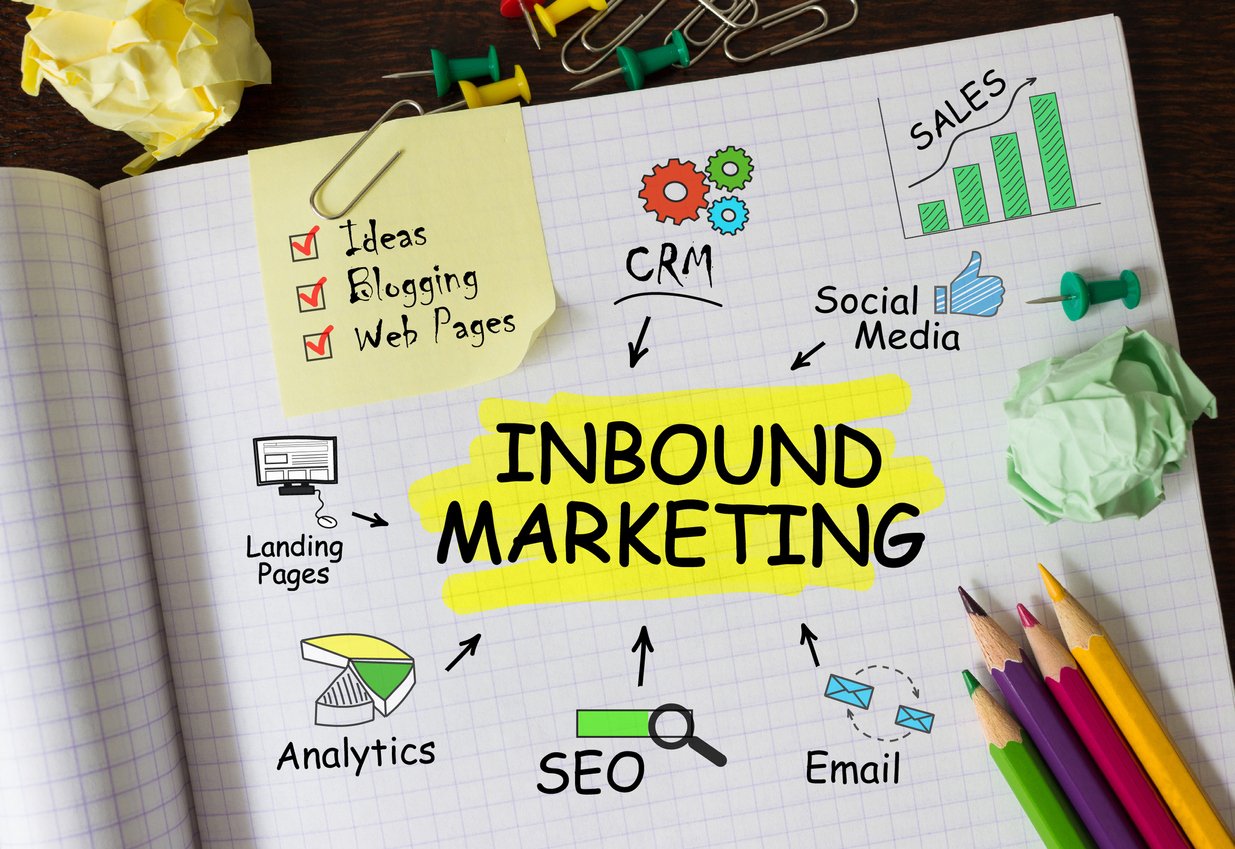
Inbound marketing will help you grow your business by attracting website visitors, converting them into leads and closing leads into customers
brand storytelling examples

How To Create A Brand Story

Storytelling is an ancient art form that has been scientifically proven to aid memory. This makes it the ideal vehicle for promoting products and creating successful branding. A well-told story not only captures attention but also engages the audience on a deeper level, making them more likely to remember and connect with the brand. Learning how to tell your brand story begins with understanding the role of characters.

At the heart of the story lays the characters. It is through your characters that you connect with your customers. If your story does not have believable characters, then your potential customers will not connect with you, find your branding believable, or create an emotional connection with your story.

How To Create A Brand Story

Starting with Archetypes

Your brand persona reflects your customers understanding of your brand’s behaviors and values. The persona must appear human and exhibit traits that the customer recognizes, such as courage, persistence, and imagination. They need to be able to create an emotional connection with your persona. Your story’s characters play a vital role in shaping this relationship.

super heroFor compelling brand story, it needs strong, well-drawn, and quickly recognized characters, which your customers can relate to and see themselves in. To achieve this, you need to begin with archetypes. Hero, villain, mentor, caregiver; these are archetypes that are easily recognizable and relatable to. They are found in all stories throughout history, from Ancient Greek classics to modern fantasy tales. However, an archetype on its own is two-dimensional, so it needs to be personalized to make it believable.

Developing a Believable Persona through Relatable Characters

Your characters must grow from these archetypes. Otherwise, they will remain flat and hold no emotional connection with the customer. Achieving this involves creating a brand story for your characters without losing consistency. This enables the customer to see them as multi-dimensional.

Through those character stories, you develop your brand persona’s attributes. The attributes your persona portrays will be the ones your customer associates with your company. So, these need to be chosen carefully. You might want to consider qualities such as courage, decisiveness, determination, work ethic, honesty, flexibility, responsibility, and curiosity.

An example of good brand storytelling and excellent character creation is Guinness. Consider the company’s latest campaign. It has the guys that have turned their backs on the gang culture of Compton instead saving horses. The archetypes are good versus evil, but the characters stories make them relatable and give an overall caring, yet brand persona for Guinness.

Defining Your True Brand Story and Bringing it to Life Online

Creating a Relatable Persona

As well as being believable, your brand persona must be relatable. If your target customer group is young women, then having a brand persona that your audience consider to be a middle-aged businessman is not going to make your brand relatable. If your customers cannot relate, then they will not feel connected to your brand and are unlikely to believe your promises, mission statement, or aims. You need to know who it is you want to connect with before you even begin to develop your persona.

The customer may never see any of this directly, but they will instinctively know if you have not considered these elements as it will show in the consistency–or lack thereof–of your brand storytelling. If you are unsure of the importance of characters in how to tell your brand story and create your brand persona, go back to your favorite work of fiction and imagine that work without the attention to detail that has been poured into each character. It’s through these nuanced portrayals that storytelling comes alive, ultimately demonstrating the importance of character-driven narratives in crafting a successful brand story.

Download Our White Paper Guide To Learn How To Perfect Buyer Personas For Your Business

Marketing Strategy

Creating a Marketing Strategy Without Overcomplicating the Process

Creating a marketing strategy doesn’t have to be overwhelming. If you’ve ever asked, “What is a marketing strategy, and how do I build one that actually works?”, you’re not alone. While many businesses struggle with overcomplicated plans, a streamlined approach focusing on clear objectives, customer insights, and practical execution can yield better results. This article explores the key elements of creating a marketing strategy and how expert consulting can simplify the process for long-term success.

1. Set Clear Objectives

smart goal setting

A strong marketing strategy starts with well-defined goals. These should align with your business objectives and be measurable. Whether you’re aiming to increase brand awareness, generate leads, or boost customer retention, your strategy should focus on achievable and impactful outcomes. Many businesses set too many vague goals and complicate the planning process. Instead, they should prioritize a few key metrics that directly impact business growth.

Learn more about: How to Develop SMART Goals

2. Understand Your Target Audience

Effective marketing is rooted in a deep understanding of your audience. Conduct market research, analyze customer behavior, and build detailed buyer personas to guide your messaging. When you understand customer needs and preferences, your efforts become more focused and effective.

buyer persona guide for business

3. Focus on Simplicity and Consistency

One of the biggest pitfalls in marketing strategy development is complexity. Many brands try to do too much at once, diluting their impact. Instead, maintaining a consistent message across all channels and sticking to a few well-executed tactics can drive better engagement and brand recognition. 

4. Align Strategy With Execution

A solid marketing strategy isn’t just about planning—it’s about execution. To avoid inefficiencies, ensure that your plan is actionable. This means having the right marketing automation tools, a clear timeline, and a strategy that your team can realistically implement.

Learn more about: How to Evaluate Your Marketing Strategy

5. Adapt and Optimize Over TimePerformance Analysis and Optimization

A great marketing strategy isn’t static. Regular performance analysis and adjustments based on data insights are crucial for long-term success. Monitoring key metrics, conducting A/B testing, and being willing to refine your approach will help keep your strategy relevant and effective in an ever-changing market.

Final Thoughts

Marketing strategy doesn’t have to be complicated to be effective. By focusing on clear goals, customer insights, consistency, and execution, businesses can create strategies that drive real results without unnecessary complexity. For expert guidance in developing a streamlined and effective marketing strategy, explore integrated marketing solutions from Stevens & Tate Marketing—tailored to meet your business goals and drive measurable results.

Schedule Your Free Consultation

Brand Positioning

Brand Positioning: How to Differentiate Without a Complete Rebrand

In an increasingly competitive marketplace, businesses must refine their brand positioning to stand out without undergoing a costly and time-intensive rebrand. But what is brand positioning in marketing, and why does it matter? This article explores strategies to strengthen brand positioning through customer insights, competitive differentiation, and messaging consistency—core elements we often refine in our brand strategy services.

Understanding Brand Positioning

Brand Perception

Brand positioning is the strategic process of establishing a unique and valuable place in the minds of your target audience. It defines how your brand is perceived compared to competitors and influences customer decision-making. A strong brand position clarifies what sets you apart and fosters long-term loyalty.

Learn more about: How to Develop a Brand


Strategies for Effective Brand Positioning

1. Leverage Customer Insights

Understanding your audience is the foundation of strong brand positioning. Conduct surveys, analyze customer feedback, and track engagement data to determine what your customers value most. These insights help shape messaging that aligns with their needs and expectations.

Example: A skincare brand finds that customers value science-backed ingredients over luxury appeal and emphasizes this in its messaging.

2. Conduct a Competitive Analysis

Assessing competitors helps identify market gaps and positioning opportunities. Analyze their strengths and weaknesses, brand messaging, and customer perception. Use this information to craft a distinct positioning strategy that highlights your unique strengths.

Example: If competitors focus on affordability, your brand might emphasize premium quality or superior customer service.

3. Strengthen Brand Messaging Consistency

Consistent messaging across all channels reinforces brand identity. Ensure your website, social media, and marketing materials align with your positioning statement. A clear and compelling message helps customers understand your brand at a glance.

Example: Apple consistently emphasizes innovation and simplicity, reinforcing its brand position across all touchpoints.

4. Emphasize Competitive AdvantagesBrand Components

Your competitive advantages differentiate your brand from competitors. Clearly define the specific benefits your brand offers that others do not. This could be exceptional customer service, innovative technology, or a unique company story.

Example: A luxury hotel might highlight its personalized guest experience as a key differentiator.

5. Adapt and Stay Relevant

Market trends evolve, and brand positioning should adapt accordingly. Regularly reassess your brand’s relevance to ensure it meets current consumer expectations without requiring a complete overhaul.

Example: A traditional retail brand may adopt an omnichannel approach to stay competitive in the digital age.


Final Thoughts

Brand positioning is not about reinventing your brand but refining its perception. By leveraging customer insights, competitive differentiation, and consistent messaging, businesses can enhance their positioning without the need for a full rebrand. A well-defined brand position builds customer trust, strengthens market presence, and drives long-term success.

Learn more about: How Branding & Marketing Work Together

Learn The StoryBranding Process

Want to Get Valuable Buyers? The Key is the “Ideal” Buyer Persona

As marketers, we all know that Buyer Persona provides valuable insights into our target audiences’ behaviors, motivations, and pain points. They help us shape messaging, refine our strategies, and create more personalized marketing campaigns. However, does that mean you should serve every buyer who fits your general profile?

The answer is NO! Not all buyers are equally valuable to your business. Some may engage with your brand but never convert. Others may make a one-time purchase without long-term commitment. This is why identifying your ideal buyer persona is crucial.

Rather than marketing to everyone, shift your focus to the RIGHT customers — those who are more likely to buy, stay loyal, and generate higher lifetime value. By prioritizing these high-value buyers, you can optimize your efforts, maximize ROI, and drive sustainable growth.

Buyer Persona vs. Ideal Buyer Persona:
Ideal Buyer Persona Win

ideal customer profile

Whenever we start to consider who our buyers are, we begin by giving them a name. We define their job, lifestyle, and buying behavior. These semi-fictional representations of a typical customer help guide our marketing strategies. They shape messaging, targeting, and outreach efforts. But general buyer personas don’t necessarily represent the most valuable customers.

An Ideal Buyer Persona, on the other hand, is a refined, data-driven version. It is based on high-value, high-converting customers. These individuals engage deeply, purchase repeatedly, and contribute to long-term profitability. By prioritizing the right buyers, you ensure smarter marketing investments. And further help you achieve stronger retention rates and higher ROI.

Buyer Persona IDEAL Buyer Persona
Focus Covers a broad audience, including low-value customers Targets customers with the highest lifetime value
Application
  • General marketing 
  • Messaging personalization
  • Optimized targeting
  • Sales efficiency
  • Business growth
Business Impact Lead to generic marketing strategies Strategically focuses efforts on the most profitable customer segments

How to Find Your Ideal Customer Persona

Identifying your ideal customer persona goes beyond surface-level demographics — it requires a strategic, data-driven approach to understanding your highest-value customers. By leveraging real insights from sales data, CRM analytics, and customer behavior, you can accurately pinpoint the audience segments most likely to engage, convert, and drive long-term business growth.

If the process feels overwhelming, don’t worry. This step-by-step guide will break it down, making it easier to get started.

  1. Dive Into the Data and Analyze Your Best Existing Customers

    Your ideal customer already exists within your current customer base. Start by identifying your highest-value customers based on:

    • RFM Analysis – This measures how recently a customer purchased, how often they buy, and how much they spend on your company’s products or services. Customers with high RFM scores are not only highly engaged but also among your most profitable buyers.
    • Revenue Contribution – Understanding who drives the most revenue or makes repeat purchases is key. Are they high-ticket buyers or frequent shoppers? Identifying these customers helps you refine your acquisition strategy and attract more of the right buyers.
    • Other KPIs – Beyond RFM and revenue, what additional metrics matter to your company? Customer Lifetime Value (CLV)? Engagement metrics? Churn rate? Any data-driven insights that indicate customer retention, brand loyalty, or long-term profitability can help pinpoint your most valuable buyers.
      Learn More About: How to Calculate Customer Lifetime Value
  2. Identify the key

    customer insights

    After distilling your most valuable buyers, the next step is to uncover the common attributes that define them. Start by examining both demographic and behavioral patterns to gain a clearer understanding of who they are. To go beyond surface-level insights, delve into their motivations, pain points, buying journey, and preferred communication channels. Think about what drives them to buy, which marketing messages resonate most, and how they interact with your brand across different touch points.
    Learn More About: Consumer Buying Journey

    In the next section, We’ll explore the key attributes you should consider when building your ideal buyer persona in the next section.

  3. Validate and Continuously Update Your Ideal Buyer Persona

    You can shape your communication message and marketing strategy around the key characteristics of your high-value buyers. However, defining your ideal buyer persona isn’t a one-time task—it’s an ongoing process that requires constant validation and refinement to remain relevant.

    As market trends shift, customer behaviors evolve, and new data becomes available, your ideal persona must also adapt to reflect these changes. To stay ahead, make it a priority to regularly revisit your CRM data, sales reports, and customer insights. By doing so, you can identify emerging patterns and shifts in buyer behavior, allowing you to fine-tune your strategy accordingly.

Important Characteristics Should be Included in an Ideal Buyer Persona

Everyone has a different background and unique characteristics. However, certain commonalities drive them to purchase the same product or service. These shared traits help define an ideal buyer persona. Take a look at the following Ideal Buyer Persona template, which outlines the key characteristics that should be considered when defining your ideal customers.

Demographics Geographics Psychographics Buying Behavior Communication Habit
  • Age range
  • Gender
  • Income level
  • Education level
  • Job title and industry
    (for B2B businesses)
  • Location
  • Urban vs. rural preferences
  • Cultural influences
  • Interests
  • Hobbies
  • Values
  • Beliefs
  • Goals
  • Buying frequency
  • Research habits
  • Decision influencers
    (Price, Quality, Social proof)
  • Platforms
  • Content formats
  • Messaging tone
  • Messaging style

In short, identifying your ideal buyer persona is not just about understanding your customers—it’s about refining your marketing efforts to target the right audience. Instead of casting a wide net and hoping for conversions, focusing on high-value, high-converting customers allows you to optimize your budget, increase engagement, and drive long-term profitability.

What’s Next?

Ready to define and implement your ideal buyer persona?

Let’s connect and see how we can help you optimize your marketing strategy for better results today!


Free Marketing Consultation
Multi-Touch Attribution image

How Multi-Touch Attribution Can Boost Your Marketing Strategy and ROI

Let’s imagine someone first discovered your company’s offer on Instagram, then joined your email list, and finally made a purchase on Amazon. It’s tempting to give all the credit to Amazon just because that’s where the sale happened. But that overlooks how Instagram sparked the initial interest and how your emails kept them engaged. If you only focus on that last touchpoint, you miss out on the bigger picture of how each platform contributed. A multi-touch attribution model uncovers the value of each channel. It helps you make smarter decisions about your omnichannel strategy and where to invest your time and budget.

What is Multi-Touch Attribution (MTA) Model

Multi-touch attribution is a marketing effectiveness measurement technique that factors in every touchpoint along the customer journey that contributes to a conversion. This includes channels, campaigns, and any interactions, ensuring that each one receives credit for its role.

As mentioned earlier, only focusing on the last touchpoint and ignoring earlier interactions means you risk misjudging which channels truly drive awareness, engagement, and trust. Not to mention, modern customers often have much longer buying journeys. Research shows that over 70% of consumers take a month or more from initial brand engagement to making a purchase. MTA offers a way to see how each channel works together so you can make more accurate, precise decisions about budget allocation, strategy, and communication tactics.

What Are Common Multi-Touch Attribution Models

1. Linear or Even-Weighted Model:

It is assigns equal credit to every touchpoint in the customer journey, ensuring that all marketing efforts are recognized. This is a simple and straightforward model while doesn’t account for the varying levels of impact that different touch points may have on the buyer’s decision-making process.

2. Time Decay Model:

It is gives more credit to touch points that occur closer to the moment of conversion. This approach assumes that interactions nearer to the purchase decision are more influential in driving the sale. While it effectively highlights recent, impactful activities, it may undervalue earlier touch points that are crucial for building awareness and interest.

3. Position-Based (aka U-Shaped or W-Shaped) Model:

It is distributes most of the credit to the first and last touchpoints, with the remaining credit allocated to key interactions in the middle of the journey. In a U-Shaped model, the first and last interactions receive significant credit. The W-Shaped model adds extra weight to important mid-funnel touch points, such as email sign-ups or white paper downloads. This balanced approach provides a comprehensive evaluation of marketing efforts.

4. Data-Driven Model:

Unlike the first three models, which rely on predefined rules, this model uses machine learning to determine the precise impact of each touchpoint on conversions. It assigns credit based on the actual influence each interaction has on driving sales or leads. This method offers the most accurate insights but requires robust data infrastructure and advanced analytical tools, making it more complex and resource-intensive to implement.

How to Get Started with Multi-Touch Attribution Model

team members sit around to discuss the marketing data analytic process

There are ton of benefits to adopting MTA to evaluate your marketing efforts and budgets. Don’t let this new concept intimidate you. Getting started with Multi-Touch Attribution doesn’t have to be overwhelming. By following a step-by-step approach, you can start small, implement the model effectively, and gradually gain more accurate and insightful marketing measurements.

Here’s how to get started:

  • Define Your Goals and KPIs:
    Are you measuring lead generation, online sales, or customer retention? Establishing clear goals and KPIs will help guide your attribution efforts and ensure alignment with your business objectives.
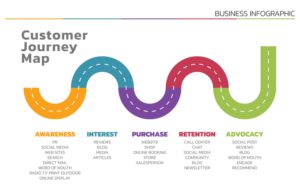
  • Map the Customer Journey:
    Identify all the touch points your customers interact with, from awareness to conversion. It is will help you track the right data and ensure no key interaction is overlooked.
    You May Also Want to Read: Core Difference Between Buyer Journey vs. Customer Journey
  • Choose the Right Attribution Model:
    Select an attribution model that fits your current needs and data capabilities. If you’re new to MTA, start with a simpler model like Linear model. For more advanced insights, consider Position-Based or Data-Driven models as your data infrastructure matures.
  • Invest in Your Marketing Performance Tracking Tools:
    Platform like google Analytics 4, HubSpot, Semrush or specialized attribution software are excellent options for you to collect necessary data using for MTA analysis.
    You May Also Want to Read: What’s New With Google Analytics – How To Measure Your Audience
  • Test, Monitor, and Optimize Your Model:
    Implementing an MTA model is just the beginning. Regularly test your attribution model by comparing its insights with actual performance data to ensure it aligns with your business goals. And make sure continually monitor key metrics to identify trends and pinpoint areas for further improvement and optimization.

Multi-Touch Attribution is a game-changer for marketers looking to understand the full value of their marketing and communication efforts across channels. By accounting for every interaction in the customer journey, it provides a more accurate, insightful view of what drives conversions, helping you allocate budgets effectively and optimize strategies. Don’t hesitate to explore this model—it could be the key to transforming your marketing success.
Ready to Elevate Your Marketing Strategy?  downward icon

Free Marketing Consultation

What’s Trending In Marketing For August 2023

Hello and welcome to our August 2023 edition of “What’s Trending,” where we bring you the most relevant marketing news and insights. This month, we dive into the revival of an infamous fast food mascot and explore current trends to watch out for in the summer of 2023. Stay informed and ahead of the game with our curated collection of marketing updates and reports.

Noteworthy Marketing News


Quiznos eyes comeback as they bring back Spongmonkeys mascots. 

In a new ad campaign from the famed sub sandwich company plans to bring back the creepy corporate mascots, the Spongmonkeys. After years of decline and a 2014 bankruptcy, Quiznos is making a comeback by franchising new locations. The quirky rodent-like characters aim to revive the brand’s popularity. With just over 150 locations left, Quiznos is determined to regain its place in the restaurant industry and attract customers with the nostalgic return of the Spongmonkeys. Read more here. 

Twitter loses almost half of advertising revenue since Elon Musk takeover.

Since Elon Musk’s $44bn acquisition of Twitter in October, the platform has faced a substantial 50% drop in advertising revenue. The company’s anticipated sales growth in June did not materialize, though July showed some promise. Musk’s cost-cutting measures, including laying off about half of Twitter’s staff, aim to address the platform’s struggles. Meanwhile, rival app Threads has gained traction with an estimated 150 million users, while Twitter grapples with heavy debt and negative cash flow. Despite challenges, Musk aims to turn the platform around. Linda Yaccarino, the new CEO, emphasizes video, creator, and commerce partnerships to boost ad sales. However, the road to recovery may be prolonged due to pre-Musk revenue declines and competition. Read more here.

Netflix scraps low-tier ad free plan.

Netflix’s ad-free $9.99/month basic plan is being discontinued in the US and UK, impacting both new and returning members. However, existing users have the option to keep their current plan until they decide to cancel. Alongside this move, Netflix is introducing a new $7/month plan with commercials. This decision is part of the company’s strategy to diversify its revenue streams and remain competitive in the rapidly evolving streaming market. Notably, Netflix’s recent emphasis on its ad-supported tier has yielded positive results, attracting nearly 5 million monthly users and creating an enticing opportunity for advertisers. Read more here.

Improving Your Marketing Program 


Core Difference Between Buyer Journey vs. Customer Journey.

Discover the core difference between the buyer journey and the customer journey in this insightful article. Uncover the stages consumers go through before making a purchase decision and how businesses can nurture relationships post-purchase to build brand loyalty and create brand ambassadors. Learn valuable strategies to engage customers and ensure the long-term success of your business. Don’t miss out on these essential insights! Click here to read the full article.
The Importance Of Lead Generation Content Marketing.

Learn the power of lead generation content marketing in boosting your business growth and attracting potential customers. Discover how to create compelling content that converts prospects into loyal leads, standing out from tough competition. Quality content with specific purposes and formats, along with consistent publication, helps build trust and credibility with your audience. Don’t miss this opportunity to transform your company’s online presence. For a consultation, visit the link below and take the first step towards a successful content marketing strategy. Click here to read more.

8 Reasons to Invest in OTT Marketing.

Discover the top 8 reasons to invest in OTT marketing. With close to 200 million streaming viewers expected in the next few years, OTT advertising reaches a massive audience. Target your audience more effectively using GPS and behavioral data. Unlike traditional TV ads, people engaged in streaming content are more likely to watch entire ads. Personalized OTT ads improve engagement and yield better data on viewers. Flexible campaigns allow real-time adjustments for improved results, and A/B testing helps fine-tune your strategy. Paying for ad views, OTT ads offer a cost-effective and high ROI approach to complement your inbound marketing efforts. Read more here. 

Recent Marketing Reports, Updates, and Trends


As we enter the peak of summer ’23, the advertising realm is abuzz with thrilling trends. Artificial intelligence continues to transform content creation with innovative and easy to use tools such as, chatGPT and Jasper.  Among Gen Z, Instagram Reels reigns supreme as the favored social medium, offering brands an avenue to showcase authenticity and engage viewers. Short-form videos dominate summer marketing campaigns, while Influencers maintain their impactful role in fostering genuine connections. These are just a few of the key trends shaping the industry this season. To discover more about these trends and beyond, explore the full article here.

How does ‘Estimated read time’ in your meta description impact SEO?

In a recent poll by Search Pilot, the impact of adding “estimated read time” to meta descriptions was examined. While many believed it wouldn’t affect organic traffic, some thought it could be positive. However, the majority’s prediction was correct, as the display of estimated read time had no noticeable impact on site traffic. This finding highlights the importance of SEO testing and being cautious when following competitors’ actions. The article showcases the significance of user polls in understanding marketing trends. Read more here. 

Hootsuite’s Social Media Trends 2023.

The 2023 social media marketing landscape presents challenges due to economic uncertainties. Despite this, social media marketers enjoy increased budget and autonomy, as the profession matures. Successful marketers will carefully assess opportunities and consider long-term impacts in their strategies. The 2023 social media trends report offers valuable insights to navigate this defining year in the industry. Embrace these trends to optimize marketing strategies amid the evolving social media landscape. Read more here. 


Free Marketing Consultation