
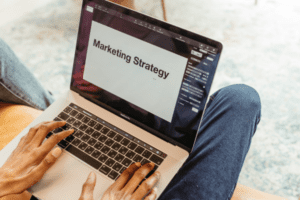
digital content marketing strategy

Top Digital Content Marketing Strategies for Manufacturers to Drive B2B Growth

Have you read tons of digital content marketing advice, only to find that most of it doesn’t quite fit your industry?

That’s because many resources tend to focus on sectors that target broader consumer bases. However, manufacturing is a whole different ballgame—it often serves niche markets with specific needs. That’s why a solid digital content marketing strategy for this sector should prioritize showcasing technical expertise, navigating longer sales cycles, and targeting distinct B2B audiences. And that’s where content marketing comes in—it’s a powerful way for manufacturers to offer valuable insights, educate potential buyers, and build trust.

It might sound complicated, but I promise it’s easier than it seems! 

This blog is your guide to mastering branding in this complex field, showing you how to weave impactful digital content marketing strategies into your brand.


In this post, we’ll cover four key content marketing strategies:

And, we’ll explore three major benefits:

  • Lead Generation
  • Better Customer Insights
  • Cost-Effective & Measurable

Ready to unlock new growth? These strategies will get you there!

Key Digital Content Marketing Strategies

First, let’s explore the types of content strategies manufacturers can leverage to boost brand growth:
digital marketing strategy

1. Blog Posts & Educational Content

If your business doesn’t have a blog, it’s definitely worth considering. In fact, B2B companies that use blogs often generate more leads than those that don’t. It provides a great platform for explaining complex processes and technical products in a way that’s easy to grasp. For instance, in the manufacturing sector, a company could publish a series of blog posts on best practices for maintenance or the latest technology trends. Not only can these blogs help develop an online presence, but they can also establish expertise and attract more qualified leads! Just remember, it’s important to target these posts to the key stages of the buyer’s journey. By doing so, you can ensure that the right content reaches the right audience at the right time.

Also Read Marketing Blog tips to Supplement your Digital Strategy

2. Video Marketing

For the most part, people are visual learners; we love pictures, graphics, and videos. That’s where video marketing comes into play! If your content efforts include videos, chances are some customers will click on them. It’s a fantastic way to highlight a company’s expertise and products. For example, a manufacturer of industrial robots could create video demonstrations showing how their robots operate on an assembly line. Additionally, these videos could highlight customer testimonials, showcasing how the product has improved efficiency in real-world applications.

Also Read Three Videos Every B2B Website Should Have

3. Case Studies & White Papers

There’s nothing quite as persuasive as a well-researched white paper or an in-depth case study. You can use them to highlight how your manufacturer’s products or services have successfully addressed challenges for other clients. For instance, an eco-friendly packaging supplier might create a case study that highlights how a customer reduced plastic waste by making the switch to their products. Meanwhile, the long-form format of a white paper allows for detailed technical specifications and quantifiable results. This makes them invaluable resources for decision-makers during the research and consideration stages.

Also Read Top Benefits of Using Case Studies For Your Business

4. Social Media Presence

Many brands are using social media to engage their audiences, grow their market share, and boost sales—so why not let manufacturing join in on the fun? While your company may already be leveraging platforms like LinkedIn to share industrial articles, there’s so much more social media can offer. A company specializing in renewable energy components could engage with followers by sharing industry insights, participating in discussions about sustainability, and posting videos from trade shows. This approach fosters real-time feedback and builds stronger relationships with both prospects and existing clients.

Also Read 5 Ways To Optimize Your Social Media

What Are the Benefits?

How does digital content marketing translate into growth for manufacturers? It boils down to three main advantages:

benefits ladder

1. Lead Generation

When potential customers come across articles, videos, or case studies that resonate with their needs and pain points, they’re more inclined to engage with your brand. This not only helps build trust but also transforms them into more qualified leads, encouraging them to progress further along their customer journey.

Also Read Perfect Your Inbound Marketing Strategy With Lead Nurturing

2. Better Customer Insights

By analyzing metrics such as views, shares, and comments, you can see what topics resonate most and what challenges your customers are facing. This information allows you to refine your content strategy, making it more relevant and tailored to your audience’s needs. Ultimately, understanding your customers better helps you create content that truly speaks to them, fostering stronger relationships and improving their overall experience with your brand.

Also Read Customer Engagement Strategy

3. Cost-Effective & Measurable

Unlike traditional methods, digital content marketing provides measurable results, enabling businesses to fine-tune their strategies and allocate resources more effectively. Plus, it typically costs less than traditional advertising while delivering higher returns, making it a smart investment for companies looking to maximize their impact.

Also Read Six Cost Effective Marketing Strategies To Grow Your Brand

Embrace the Digital Shift!

Gone are the days when you could only stand behind the stage; embracing digital content lets you step into the spotlight and connect directly with your audience’s interests and challenges.

The kicker? The digital landscape is always evolving, so staying agile and on top of trends is key. 

What’s the bottom line? Applying these digital content marketing strategies will transform how you navigate the manufacturing world. Don’t wait—seize the opportunity to stand out and thrive in the digital age by turning your efforts into a powerful, lasting strategy for success!


 

Inbound marketing will help you grow your business by attracting website visitors, converting them into leads and closing leads into customers

email personalization strategy

Email Design Tips That Boost CTR and Drive Engagement

Why Email Design Is Key to Boosting CTR and Engagement

Email marketing remains one of the most effective ways to engage customers and drive conversions. But with crowded inboxes, your emails need to stand out visually and functionally to get those all-important clicks. Thoughtful email design not only grabs attention but also guides readers naturally toward your call to action (CTA), improving both click-through rates (CTR) and overall engagement.

Here are the key design principles to help you create emails that convert:

Email Marketing

1. Craft a Clean, Scannable Layout That Guides Readers

  • Why it matters: Most readers skim emails quickly, so your design should make key points and actions obvious at first glance.
  • How to do it: Use a clear hierarchy with bold headlines, subheadings, and short paragraphs to break content into digestible chunks. Bulleted lists help highlight benefits or features.
  • Benefit: This structure makes it easier for readers to understand your message and find your CTA without feeling overwhelmed by walls of text or clutter. For more on this, see SmartBug Media’s email design tips to increase click-through rates.

2. Create Clear and Compelling Calls to Action (CTAs)

  • Why it matters: The CTA is the pivotal moment where readers decide to engage further or drop off.
  • How to do it: Use contrasting colors and large buttons to make CTAs stand out visually. Be direct in your language — phrases like “Download Now” or “Shop Today” reduce ambiguity.
  • Benefit: Clear and visually prominent CTAs increase the likelihood that readers will take the next step, boosting your CTR. HostArmada emphasizes the importance of effective CTA design in improving engagement.

Learn More About:

Effective CTA Designs to Generate More Leads

3. Harness the Power of Color Psychology

  • Why it matters: Colors influence emotions and behavior, often subconsciously affecting how readers perceive your brand and message.
  • How to do it: Stick to your brand’s primary palette for consistency and trust, but use accent colors strategically to draw attention to CTAs or key info. For example, red can create urgency, while blue builds trust.
  • Benefit: Thoughtful color use helps guide readers through your email and encourages them to engage where you want them to.

4. Design Mobile-Friendly Emails for a Seamless Experience

  • Why it matters: Over half of emails are opened on mobile devices, and poor mobile design leads to frustrated users and lost clicks.
  • How to do it: Use single-column layouts that fit smaller screens, large tappable buttons, and concise copy. Test your emails on various devices to ensure readability and functionality.
  • Benefit: Mobile-optimized emails provide a smooth experience, keeping readers engaged and more likely to click.email inbox

5. Incorporate Storytelling and Visual Elements to Connect

  • Why it matters: Engaging visuals and stories help your message resonate emotionally, making emails memorable and persuasive.
  • How to do it: Use images, GIFs, or videos that reflect your audience’s interests and reinforce your message. Pair visuals with storytelling that speaks to customer needs or aspirations.
  • Benefit: Emotional connection boosts engagement and motivates readers to act.

6. Test and Refine Your Email Designs Continuously

  • Why it matters: No design is perfect on the first try; user behavior offers the best insights for improvement.
  • How to do it: Conduct A/B tests comparing different layouts, colors, CTAs, and messaging. Use analytics and heat maps to see what drives clicks.
  • Benefit: Continuous optimization increases your email effectiveness and ensures you keep improving CTR over time.

Final Thoughts

By applying these email design principles—clean layouts, compelling CTAs, purposeful color use, mobile optimization, storytelling, and data-driven testing—you’ll craft emails that not only get opened but inspire action. If you want expert help to elevate your email marketing strategy, explore our email marketing services and integrated marketing solutions to start driving better engagement today.

Also Read:

How To Nurture Your Leads With Email Marketing

unique media platforms

Unique Media Platforms to Consider Heading Into 2026

We were looking for a digital billboard solution for a client but wanted something fresh that could stretch every penny of the budget. While scrolling through Instagram, I came across Caasie—a platform that lets you manage your own digital billboard placements. It felt like the kind of nimble, alternative media solution that more brands should know about. And it’s not the only one.

As competition grows and audiences fragment across channels, marketers in 2026 need to think beyond traditional media buys. Innovative, cost-efficient platforms are emerging that allow brands to reach audiences in smarter and more creative ways.

Why Explore Alternative Media Platforms?

Traditional channels like TV, radio, and even mainstream social media remain valuable, but competition and rising costs mean that smaller, more innovative platforms often offer better ROI. These platforms also empower brands with flexibility, self-serve tools, and hyper-local targeting options that weren’t possible just a few years ago.

Examples of Emerging Media Platforms

1. Self-Serve Digital Out-of-Home (DOOH) Advertising

Platforms like Caasie make billboard and digital signage advertising more accessible. Instead of negotiating through agencies or paying for lengthy campaigns, businesses can now log in, upload creative, and manage placements in real time—similar to buying digital ads. For B2B and B2C brands alike, this creates opportunities to make hyper-local connections at a fraction of the cost of traditional OOH campaigns.

2. Retail Media Networks

Retail media is booming, and by 2026, it’s expected to grow even more. From Amazon to Walmart to niche grocery chains, retailers are turning their digital real estate into ad networks. These platforms allow brands to place targeted ads directly where purchase decisions happen, offering both visibility and measurable conversion impact.

3. Audio Streaming & Podcast Marketplaces

With more people consuming on-demand audio, podcast marketplaces and self-serve ad platforms like Spotify Ad Studio or Acast Marketplace are growing in influence. They enable brands of all sizes to buy audio spots and even dynamically insert ads based on listener demographics or interests. For brands seeking engagement, audio provides a trusted, intimate channel.

4. In-App & Niche Community Advertising

Beyond Meta and Google, platforms are emerging that allow brands to connect directly with smaller, highly engaged communities. Think in-app ads in fitness, parenting, or even professional networking platforms. These offer less clutter and more authenticity compared to crowded mainstream social feeds.

5. Connected TV (CTV) and Programmatic Video

While not entirely new, CTV continues to expand as cord-cutting accelerates. Programmatic tools are now making it easier for smaller advertisers to access premium inventory once reserved for large brands. Heading into 2026, expect continued growth in shoppable video ads, interactive CTV formats, and niche streaming networks.

How Brands Can Prepare

  • Test Early & Often: Pilot campaigns on smaller platforms to see what resonates.
  • Leverage Self-Serve Tools: Take advantage of automation and control that these platforms provide.
  • Integrate With Broader Strategy: Don’t treat alternative platforms as side experiments—connect them with your brand storytelling and performance metrics.

Learn More About:

The Future of Paid Media Advertising: AI, Automation, and Means for You

The future of media isn’t just big networks and mass audiences. It’s nimble, hyper-targeted platforms that empower brands to connect with consumers on their terms. By exploring these unique opportunities now, marketers can stay ahead of competitors and unlock new ways to drive growth in 2026 and beyond.


Explore Platforms Mentioned:

Ready to rethink your media strategy? Contact us today for a free consultation and discover how we can help you leverage new platforms to maximize ROI.

Make A Difference

Beyond Pixels: Unconventional Non-Digital Marketing Ideas to Elevate Your Brand

In a world dominated by digital marketing, it’s easy to overlook non-digital strategies. While online platforms offer incredible reach and targeting options, there’s something uniquely effective about tangible, real-world interactions. In this article, we’ll explore some unconventional non-digital marketing ideas to boost your brand without relying on screens and algorithms. 

Non-Digital Marketing That Creates Direct Interaction:

Handwritten Thank You Notes:

These days most communication is digital, receiving a handwritten note can be a delightful surprise. Send personalized thank you notes to customers, partners, or supporters to show genuine appreciation. 

Host Workshops or Classes:

Share your expertise by hosting workshops, classes, or seminars related to your industry. This positions your brand as an authority and creates opportunities for in-person connections with potential customers. Home Depot does a great job at this by hosting free workshops that educate and bring visitors out to their stores. 

Pop-Up Shops or Experiences:

Set up temporary retail spaces or experiential installations in high-traffic areas. This allows you to directly engage with potential customers and create a memorable brand experience. IKEA did this by creating fun pop-up stores. Even if your brand isn’t retail, consider creating a simple pop-up tent experience. It’s a good way to bring an experience closer to potential customers. 

Vehicle Branding:

Turn your company vehicles into moving billboards by incorporating your brand’s logo, colors, and messaging. This not only advertises your brand, but also adds a professional touch to your business operations. If you don’t have the budget for a full vehicle wrap, displaying your brands website url or a QR code in the window is a good way to bring awareness to your brand. 

Non-Digital Marketing That Increase Brand Visibility

Branded Merchandise:

Create custom-branded merchandise like apparel, mugs, or tote bags that people can use in their everyday lives. This not only provides value to your audience, but also turns them into walking advertisements for your brand. A word of caution: It’s easy to want to order all the same things other companies do, like can koozies, pens, etc. Really think about what branded items will really parallel your brand. Also, cheap is not the best approach as well. Getting one premium item vs many less expensive items can make a big impression.  

Read more about branding: The Power of Story Branding

Unique Packaging and Presentation:

Your product’s packaging is an often overlooked marketing opportunity. Consider creating distinctive, eye-catching packaging that sets your brand apart on the shelves and leaves a lasting impression. This past Halloween consumers were bombard with custom packages and flavors, all appealing to the emotion that coincides with the holiday. 

Sponsorship and Partnerships:

Forge strategic partnerships with other businesses or events that align with your brand values. This could involve sponsoring local sports teams, community events, or collaborating with influencers in your industry. Additionally, more brands are embracing the use of influencers because they already have an audience and they create the content using your brand. 

Unconventional Non-digital ideas

Guerilla Marketing:

Guerrilla marketing involves unconventional and often surprise tactics to grab the attention of potential customers. This could include things like flash mobs, street art, or unexpected pop-up events. It’s a bold way to create memorable brand experiences. 

Street Art and Murals:

Commissioning local artists to create street art or murals that incorporate your brand can be a visually striking way to engage with the community and generate buzz around your products or services. 

While digital marketing remains a powerful tool, there’s a world of untapped potential in non-digital strategies. Implementing these creative ideas can help your brand break through the noise and establish a meaningful connection with your audience in a tangible, memorable way. By thinking outside of digital, you’ll not only differentiate your brand but also create experiences that resonate with your customers on a deeper level. 


reduced marketing budget

Creative Ways to Stretch a Reduced Marketing Budget

Many businesses believe cutting budget means cutting opportunity. But with strategy, creativity, and the right agency partner, even a lean budget can deliver strong returns. Below are ideas and actions that make every dollar count — especially with support from a partner who knows how to maximize resources.

Key Strategies for Maximizing Impact on a Tight Budgetmarketing budget

  1. Understand Your Audience Deeply

    • Do low-cost research: surveys, customer feedback, persona workshops (in-house or with agency help) to sharpen your messaging. Align what you say with what your customers value most (The Marketing Centre emphasizes this as foundational to good ROI strategy).
    • An agency can assist by running competitive audits, sentiment analysis, or interviews so you’re not guessing what resonates.
  2. Prioritize High-Impact, Low-Cost Activities

    • Use an impact-effort matrix to sort tactics by likely payoff vs cost. Focus first on items that promise high return with low cost (Elevated Marketing Solutions).
    • Examples: social media content, email campaigns, SEO optimization. These tend to cost less but can compound over time.
  3. Repurpose Existing Content

    • Take your best-performing content (blog posts, white papers, webinars) and convert into videos, infographics, social posts, etc. Stretch your work so it earns more impressions per asset.
    • Agencies can map out content calendars, identify repurposable pieces, and design formats to suit different channels.
  4. Use Free or Affordable Tools Wisely

    • Tools like Canva for design, basic email software, analytics dashboards, low-budget scheduling tools save money.
    • Agency partners often have access to premium tools/licenses or can train your team on best practices to avoid expensive mistakes.
  5. Test, Measure, Optimize

    • Small tests (A/B tests, pilot campaigns) help find what works before you spend big. Use real data.
    • Tracking KPIs (conversion rates, cost per lead) and adjusting spending away from underperforming channels is crucial. Agencies shine here by setting up dashboards and helping you interpret data.
  6. Focus on Retention & Existing Customers

    • Acquiring new leads is costlier than keeping ones you already have. Loyalty programs, personalized messaging, excellent service—these all help maintain revenue.
    • An agency can audit your customer journey and suggest touchpoints or campaigns to improve repeat use or referrals.
  7. Form Strategic Partnerships and Co-Marketing

    • Partner with complementary brands to pool resources, share audiences, cross-promote. Co-host webinars, joint giveaways, shared content.
    • Agencies often have networks and can help facilitate these partnerships, ensuring both brands benefit.

How an Agency Partner Adds Value

What the Agency Does How It Helps with a Tight Budget
Helps define clear goals & metrics Ensures every tactic aligns with outcomes, avoiding waste on ineffective channels.
Expert channel & tool selection Guides you toward tools/platforms that deliver good bang for buck.
Scaling small wins Takes what works (from small tests) and scales it without overspending.
Content production efficiency Agencies can often bundle or batch content, get design + copy done more efficiently.
Monitoring & optimization Provides regular check-ins, data analysis, adjustments so you don’t keep sinking money into poor-performing efforts.


Example Plan for Lean Budget Execution

Here’s what a simplified 6-month lean budget plan might look like, with your agency partner:

  • Month 1: Audience research + define personas + audit current content
  • Month 2: Prioritize channels (e.g. SEO, email, social) + set up tracking infrastructure
  • Month 3: Repurpose top content + launch pilot campaigns (one email, one social)
  • Month 4: Review data + double down on winning tactics + drop non-performing ones
  • Month 5: Partner/co-marketing campaigns + customer retention initiatives
  • Month 6: Evaluate results, refine message, and prepare next cycle with what’s working

Takeaway

A reduced marketing budget doesn’t have to mean reduced results. With a focused approach, prioritization, smart tool use, testing, and solid agency collaboration, you can still grow brand presence, engagement, and leads. It’s not about doing everything—it’s about doing what matters most, and doing it well.

Ready to get more from less? Contact us today for a free consultation to see how we can help stretch your marketing dollar and build a strategy with impact.


Learn More: 5 Things to Consider When Planning Your Advertising Budget 

Smartphone With New Email Message Notification On Screen Lying On Laptop Keyboard

5 Holiday Email Templates for Salespeople

When it comes to email marketing, you should always welcome the opportunity to do something a little bit different. Changing it up is a great way to keep it fresh and to keep your leads interested. One of the best times to do this is during the holiday season. The following are five email templates that you can use to send out emails appropriate for the holiday season that will help boost your open rate and that will engage your audience through email:

5 Holiday Email Templates

1. Gift Guide Email

Sending out a gift guide email is an excellent way to reach prospects who are still in the early stages of their customer journey. A gift guide email gives you the chance to stay in touch (and thereby, to stay on top of their minds) and to remind them who you are and what you have to offer. Using a gift guide format, you can list several of your products and services as well as how they might benefit the prospect. Considering the fact that the holiday season is very much gift-oriented, this is an appropriate way to connect with your prospects.

2. Discount Offer Email

Promotional content is not something that you want to send out too often, but it’s typically considered appropriate during the holidays due to the fact that it’s a very commercial season in which everyone is buying gifts. As such, it’s completely appropriate to send prospects discount opportunities to encourage them to purchase certain products or services. Avoid having your email come off as an advertisement by addressing the prospect in a more lighthearted manner (this tends to be okay to do during the holidays when people are less formal).

Also Read: Email Opening Lines That Actually Work

3. Holiday Checklist Email

If you’re working on a deal with a prospect, then sending out a holiday checklist email is a great way to help them stay on track so that they won’t fall behind on deadlines. Reminding prospects about upcoming deadlines can be a challenging task, especially since you don’t want to sound pushy. Providing a “holiday checklist” that lists the dates and the milestones that they should reach on those dates is a great way to not only remind your prospect about upcoming deadlines, but to give them an overview of all of their milestones and deadlines that they can refer back to at any point.

4. Upselling Email

Trying to close new sales shouldn’t be your only priority. The holiday season is also a great time to revisit old customers. Using their purchasing history, suggest products or services that may appeal to them. Besides simply trying to upsell them, thank them for their previous purchase and offer a discount that shows them how thankful you are to have them as a customer.

5. Personal Thank You Email

Thanksgiving is a great opportunity to send out thank you emails to your prospects and clients. Not only will they appreciate a brief email that thanks them for working with you or taking an interest in your brand, but it’s also an excellent way to stay on top of their minds and to touch base with those who you haven’t heard from in a while.

These are five examples of holiday email templates that can be quite successful during the holiday season. The holidays are an opportunity to not only be a little more playful with your email templates and to have the excuse to send out promotional material, but they are also a great opportunity for keeping your brand on the top of your audience’s minds and to stay in touch with both existing clients and prospects.

email marketing program
Social Media

The Ultimate Social Media Strategy Template for 2025: A Step-by-Step Guide to Grow Your Brand

Having a strong presence on social media is no longer optional—it’s essential. But diving in without a plan can waste time and resources. That’s where a social media strategy template comes in. It helps align your brand’s goals with consistent actions across platforms, so every post, comment, and campaign drives real results.

Whether you’re a small business or a growing enterprise, this step-by-step guide will walk you through everything you need to build a high-impact social media strategy using a proven template backed by expert insights.


Why You Need a Social Media Strategy Template

Social media performance

Without a clear plan, your social media efforts can feel scattered and ineffective. A strategy template ensures:

  • Clear, measurable goals
  • Consistent messaging and branding
  • Efficient content planning
  • Better engagement and ROI

According to Sprout Social, brands that develop a documented strategy are more likely to achieve their marketing objectives and understand their audience’s needs more deeply.


What to Include in Your Social Media Strategy Template

Here’s a breakdown of each section your template should include:

1. Define Your Goals (SMART Format)

Start by identifying what you want to achieve on social media. Common goals include:

  • Increasing brand awareness
  • Driving website traffic
  • Generating leads or sales
  • Growing your follower base
  • Boosting engagement rates

Use the SMART framework (Specific, Measurable, Achievable, Relevant, Time-bound) to stay focused. As HubSpot notes, every goal should map back to a broader business objective.

Read More: How to Set SMART Goals as a Marketer

2. Identify Your Target Audience

Who are you trying to reach? Define demographics, interests, behaviors, and platforms they use. You can gather insights through:

  • Platform analytics (Instagram Insights, X Analytics, LinkedIn Analytics)
  • Buyer personas
  • Website traffic tools (like Google Analytics)

This clarity helps tailor content and choose the right platforms to focus on.

Social Media Report

3. Choose the Right Social Platforms

Don’t try to be everywhere. Focus on 2–4 platforms where your audience is most active. Consider:

  • Instagram and TikTok for visual storytelling
  • LinkedIn for B2B networking and thought leadership
  • Facebook for community building and ads
  • X (formerly Twitter) for real-time updates

WordStream highlights the importance of aligning your content format and tone with the platform’s strengths.

4. Conduct a Social Media Audit

Before planning forward, look back. Review what’s working and what isn’t by analyzing:

  • Engagement rates
  • Follower growth
  • Post performance
  • Hashtag effectiveness

Use these insights to refine your strategy.

Social Media Marketing Guide

5. Plan Your Content Mix and Calendar

Create a content calendar to schedule and balance different types of posts:

  • Educational/informative
  • Promotional
  • User-generated content (UGC)
  • Behind-the-scenes
  • Trends/memes
  • Testimonials

Aim for consistency in tone, frequency, and brand voice. You can use tools like Sprout Social or Buffer to automate and visualize this process.

Read More: How to Create a Multi-Channel Content Marketing Plan

KPI

6. Track and Measure KPIs

Pick metrics that align with your goals:

  • Reach and impressions
  • Click-through rates (CTR)
  • Conversion rates
  • Engagement rate
  • Follower growth

Report monthly or quarterly to see what’s driving results and adjust accordingly.

Free Social Media Strategy Template: What It Looks Like

Here’s what a basic version of your template might include:

Section Details
Goals SMART goals mapped to business objectives
Target Audience Personas, platform preferences, engagement behaviors
Platform Focus Chosen channels with reason why
Audit Summary Insights from past performance
Content Plan Post types, calendar, frequency
Metrics & KPIs Success indicators and benchmarks
Tools & Workflow Scheduling tools, team responsibilities, approval processes

Final Thoughts

A well-crafted social media strategy template helps you move from reactive posting to intentional growth. By defining clear goals, understanding your audience, and planning content with purpose, you’ll boost ROI and brand relevance in 2025 and beyond.

Ready to build a smarter social media plan? Reach out to our team for help customizing your strategy, or grab our free template and get started today.

Schedule Your Free Consultation