

case study questions

Top Benefits of Using Case Studies For Your Business

Consumers are a lot less susceptible to fancy sales pitches in this day and age, which is why the use of case studies can be very effective in building brand trust. Many consumers will ask friends and family for recommendations or look up online reviews before doing business with a particular brand. They do this because they simply trust other consumers more than they are willing to trust a brand. It’s due to these reasons that you should consider using case studies. We’ve gone over the case study questions you should ask, but the following is some information on what they actually are and how case studies benefits your marketing efforts:

What are Case Studies?

Case studies are similar to testimonials in that they provide audiences with an account of previous customer experiences with the brand. However, testimonials are typically basic interviews that function as little more than positive reviews. Case studies are more in-depth and concern the entire process that the customer went through. Basically, it’s a depiction of their buyer journey and how your business helped to fulfill their needs from beginning to end. This allows for an element of storytelling that’s much more engaging

What are the benefits of Case Studies?

Although case studies require a lot more effort to put together than the typical testimonial, it’s well worth the time and resources required. Many businesses will even produce their case studies as video content that their audiences can watch. The following are just a few of the benefits of creating case studies:

Build brand trust

Case studies are extremely effective in building trust because of the very fact that they represent the viewpoint of your previous customers. Instead of you telling your audience how great your brand is and how effective your products or services are, you’re having your customers do it for you. Not only do audiences trust other consumers more than they trust companies, but by allowing your previous customers to tell their stories, they are basically endorsing your brand, which gives your business more credibility.

Engage through storytelling

Simply having customers tell the audience that your product is great is just a basic customer testimonial. It’s not that interesting, nor is it very engaging. Case studies are more concerned with telling the story of the customer. The customer is the hero, their problem is the conflict and your brand’s solution is the resolution. The use of storytelling helps to make a brand much more relatable and will allow your audience to see how you fulfilled that customer’s need at every stage of the buyer journey.

Click here to learn the six C’s of story branding

Identify brand evangelists

To find the subjects of your case studies, you’ll need to speak to several clients or customers and request that they participate. Those that are willing are your brand evangelists. They are offering to tell their story because they believe in your brand. Knowing who your brand evangelists are is helpful because they can help improve your brand reputation through word-of-mouth marketing.

Assist your sales team

Having an assortment of case studies available on your site can be hugely beneficial to your sales team. This is because they can recommend prospects to watch specific case studies of previous customers who may have had similar problems. This, in turn, can help them close deals.

As you can see, case studies can be very beneficial to your marketing efforts. If you are not already using case studies in your business, we encourage you to give them a try. They are a powerful tool that can help you achieve a variety of goals.

Not sure where your brand is headed? Our brand strategy services can help you define your voice, connect with your audience, and stand out. For more information contact us on 630-627-5200 or Request A Consultation Today!


lead generation tips


lead generation content marketing

The Importance of Lead Generation and Content Marketing Agencies

Your company is struggling to generate leads, and you’re looking for a quick and relatively simple solution. I have the solution, but you’ll probably groan because you’ve heard it before. “Content is king” might be an overused term, but that’s only because it’s proven to be true. A foolproof solution to your lack of leads as well as website foot traffic is lead generation content marketing.

Importance of Lead Generation and Content Marketing Agencies

Nowadays, the quality of your company’s content is more important than ever before. Granted, there is more space to generate content and share it on the Internet, but with increased space comes tougher competition. We as a marketing agency in Illinois, feel pressure to stand out from the pack with remarkable content that converts our website’s visitors into potential leads. Consistent, quality content will attract the attention of readers, as well as encourage them to trust your company. Content marketing agencies can also help you create effective content marketing strategies and manage your content channels.

A GUIDE TO EFFECTIVE MOBILE MARKETING TECHNIQUES

So what exactly is “quality” content?

Quality content has a specific purpose, format, and topic. The purpose should help the users find an answer to their questions or interests. The format you choose should fit your content well. In order to attract more leads, the content in the conversion stage should consist mainly of content offers.

Also Read: Content Marketing Misconceptions

Choose an appropriate formatContent_Marketing_Agencies 2

The format of the content offers can be a multitude of things; such as case studies, white papers, forms, calls-to-action, visuals, eBooks, emails, and landing pages. For example, if you want to demonstrate to users how a product works, you might use the template of a visual, such as a video or an image, rather than an eBook. On the other hand, if you wish to show your readers a how-to process that is also aesthetically pleasing, an eBook format would work better than a visual one.

In terms of topics, your content should be educational as well as specific. You should conduct market research and create content with your buyer personas in mind. Imagine you are your buyer persona: what problems do you need solutions for? How far are you in the buyer’s journey? What language would you use when typing keywords into the search engine? This can help you cater your content towards your target audience.

Similar Article: A Brief Guide to Sales Lead Generation

Be consistent

Another factor that makes content “quality” is frequent and consistent publication. If your readers know they can count on you to publish a semi-weekly blog in a specific time window, they are much more likely to see you as reliable. Webdam’s statistics show that blogging consistently has led to B2B marketers generating about 67% more leads marketers who do not, which is a huge advantage. After you’ve earned their trust, a number of your visitors will subscribe to you and convert to leads.

Lead generation content marketing is a proven way to get the word out about your company and have potential customers become interested in your business. Without good, consistent content, people will have little reason to visit your website or truly believe that you’re a leader in your field. Don’t let this happen to you.

Conclusion:

Effective lead generation and consistent, high-quality content marketing are essential for building trust, attracting the right audience, and driving business growth. Partnering with an experienced inbound marketing agency can make all the difference, helping your brand stand out, deliver real value, and convert visitors into loyal customers. Contact us at 630-627-5200 today for a free consultation and discover how we can make things happen for your business.

email opening lines

Email Opening Lines That Actually Work

In the digital age, emails have become a primary mode of communication, especially in professional settings. Email opening lines are crucial; they are the first thing the recipient reads and set the tone for the rest of your message. A well-crafted opening line can make the difference between your email being read or ignored. 

This blog will explore the best opening lines for an email suitable for different contexts, including formal, polite, professional, business, and friendly scenarios.

Formal Email Opening Lines

Formal emails are often used in professional settings where a respectful and serious tone is required. They are ideal when communicating with someone you don’t know well or in situations demanding a high level of professionalism.

Formal Opening Line for Email Examples:

  1. “Dear [Recipient’s Name], I am writing to you regarding…”
  2. “To Whom It May Concern, I wish to express my interest in…”
  3. “Dear [Recipient’s Title and Name], I write to seek your guidance on…”
  4. “Esteemed [Recipient’s Title], I am contacting you in relation to…”
  5. “Respected [Recipient’s Name], I am reaching out regarding our upcoming collaboration…”
  6. “Dear Sir/Madam, I am formally requesting assistance with…”
  7. “To the [Department/Team Name], I wish to submit my proposal for…”

These lines establish a formal tone, showing respect and professionalism, which is crucial in official matters.

Polite Email Opening Lines

Politeness is important in any form of communication, especially in emails. Having polite opening lines helps in fostering a positive relationship with the recipient.

Polite Opening Line for Email Examples:

  1. “I hope this message finds you well. I am reaching out to…”
  2. “Thank you for your attention. I would appreciate your input on…”
  3. “Good day, I hope this email finds you in good health. I wanted to discuss…”
  4. “Hello, I trust you are doing well. May I inquire about…”
  5. “Greetings, I hope you’re having a productive week. I’m writing to ask about…”
  6. “Hi there, I hope you had a great weekend. I’m reaching out because…”
  7. “Dear [Recipient’s Name], I hope this message finds you well. I am eager to hear your thoughts on…”

These lines demonstrate courtesy, enhancing the recipient’s receptiveness to your message.

Learn More About: How Personalization Can Improve Your Email Performance

Professional Email Openings

Professionalism in emails is about being concise and to the point while maintaining a respectful tone. These openings are perfect for day-to-day business communications.

Professional Opening Line for Email Examples:

  1. “Greetings, I would like to discuss…”
  2. “Hello, thank you for your email regarding…”
  3. “Greetings [Recipient’s Name], I am writing to follow up on our last conversation regarding…”
  4. “Hello [Recipient’s Name], I wanted to touch base about quickly…”
  5. “Hi [Recipient’s Name], I’m reaching out to provide an update on…”
  6. “Dear [Recipient’s Name], I have some news regarding our ongoing project…”
  7. “Good morning/afternoon, I want to clarify a few points about our recent meeting…”

These lines are straightforward yet courteous, suitable for regular business interactions.

email marketing program

Opening Sentences for Business Emails

Business emails demand clarity and a direct approach. The opening sentence should immediately convey the email’s purpose.

Opening Sentence Business Email Examples:

  1. “Regarding our upcoming project, I wish to update you on…”
  2. “Following our recent conversation, here is the information you requested…”
  3. “As agreed in our previous discussion, I am sending over the details of…”
  4. “Following up on our recent meeting, I have compiled the report on…”
  5. “In response to your request, here are my recommendations for…”
  6. “I would like to draw your attention to the recent developments in…”
  7. “Pertaining to our last conversation, I have a few updates regarding…”

These lines are clear and direct, indicating the email’s purpose right from the start, which is appreciated in business communications.

Friendly Email Opening Lines

When writing to someone you have a good rapport with, a friendly opening can be engaging—these lines are ideal for less formal, more personal communications.

Friendly Opening Line for Email Examples:

  1. “Hi [Name], I was just thinking about our last meeting and wanted to ask…”
  2. “Hey [Name], hope you’re doing well. I have some ideas to share regarding…”
  3. “Hey [Name], just a quick check-in. How’s everything going with…”
  4. “Hi [Name], I was just reminiscing about our last meeting and thought to follow up on…”
  5. “Hello [Name], I came across something that reminded me of our project. Have you got a minute to discuss?”
  6. “Hi there [Name], hope you’re doing well. Just wanted to share a quick update on…”
  7. “Hey [Name], I was thinking about what you said last time and wanted to explore the idea of…”

Also Read: Tips for Strong Email Subject Lines

What Else Should You Pay Attention To?

Crafting Opening Lines for Different Scenarios

It’s essential to tailor your opening line to the context of your email. The tone and formality should match the purpose of your email and the relationship you have with the recipient.

Common Mistakes to Avoid in Email Opening Lines

  1. Avoid overly casual or overly formal language in inappropriate contexts. 
  2. Starting an email with an apology can also weaken your position unless it’s necessary.

The Impact of a Well-Chosen Best Email Opening Lines

The best opening lines of email holds significant importance in determining its efficacy. A well-thought-out introduction sets the tone for your message, captures the recipient’s attention, and improves the likelihood of a positive response. The first line is an opportunity to establish a connection with the reader, convey the purpose of your email, and create a favorable impression. Hence, it is crucial to invest time and effort in crafting an opening line that is engaging, relevant, and tailored to your audience. By doing so, you can increase the chances of your email being read and responded to positively.

Also Read: How to Improve Your Email Open Rate and Click-Through Rate

Ready to transform your email marketing and overall digital strategy? Stevens & Tate offers comprehensive digital marketing strategy services to help you optimize your online presence, engage your audience, and drive sustainable growth. Contact us today for a free consultation and discover how we can make things happen for your business.

email opening line
4cs of marketing model

Introducing the 4C Marketing Model and why you should follow it

When it comes to marketing models, the 4P marketing model is the most traditional, business-oriented one — and the one you’re most likely familiar with. The 4Ps represent product, price, promotion, and place. For a more customer-oriented model, you may want to follow the 4C marketing model.

What Are the 4cs of Marketing?

The 4Cs of marketing — Customer, Cost, Convenience, and Communication – represent a customer-centric approach to marketing strategy. The 4Cs of marketing focus on understanding and meeting customer needs and it is customer-centric alternative to the traditional 4Ps. The 4C marketing model was first proposed by Bob Lauterborn in an article published in Advertising Age in 1990. He saw it as a possible effective alternative. The following is a brief breakdown of the 4C marketing model, which consists of consumer, cost, convenience, and communication.

4Cs of Marketing

Consumer

First, you have to know who your target customers are and what their needs and wants are. The consumer should drive all of your marketing efforts from here on out. Having knowledge about your target audience makes it easier to create a product that fulfills a need in the market. This is where your buyer personas come in. Buyer personas represent your ideal customer and once you understand them, you better understand your target audience. This leads to improved communication with your consumers and gives them the sense that you understand them as well, leading to improved sales. Of course, the product is an important focus in any marketing model, but always remember the value of the consumer.

Cost

In the 4Cs marketing model, the cost evaluates the cost considerations from the buyer’s perspective. Determining the cost involves performing detailed research into what customers are able and willing to pay. Additionally, do research into the cost of competing products. The research will aid you in figuring out whether selling your product at a cost that customers are willing to pay will be profitable or not. You will also need to take into account the added costs of purchasing your product outside its sticker price. For example, how much customers will need to pay in taxes, shipping costs or transportation costs.

One thing that’s important to keep in mind is that the price point of your product isn’t what necessarily convinces consumers to purchase your product. A low price point won’t always drive sales, after all. In the end, it’s the benefit of your product that will help support its costs.

Communication

Communication refers to how you will engage with your customers. You will want to find ways to engage with your target customers to build confidence in your brand and your product. Customers want to know how buying your product will benefit them and that’s what you need to focus on communicating. You should focus on providing relevant information to customers in order to help them figure out what their problems, needs, or challenges are. This will then allow you to position your product as a potential solution. This requires that you ask your customers questions and listen to what they have to say. Communication is a two-way street after all.

Promoting products is all about saying what you have to say and hoping the customer buys it. Communication is about strengthening your understanding of your customers and building trust in your brand. One of the best ways to do this is through social media.

Convenience

Convenience focuses on how easy it is for customers to purchase your product. You’ll want to identify potential barriers and figure out ways to remove those barriers in order to improve customer convenience. For example, maybe a poor user interface is preventing potential customers from using your e-commerce site. Providing quality customer support to help make the purchasing process easier is also an important facet of improving convenience.

Also Read: How To Outshine Your Competition with Effective Ecommerce Marketing

In today’s world, the consumer has more power than ever. As such, your marketing efforts will be more successful if you take a more customer-oriented approach. By understanding the importance and using the 4C marketing model, you’ll have more success targeting customers who are actually interested in what you have to offer. Not to mention that such an approach will help you build long-lasting relationships with your customers.

Conclusion:

Adopting the 4C Marketing Model allows businesses to shift their focus from simply selling products to truly understanding and connecting with their customers. If you’re ready to take your marketing to the next level and create a customer-first strategy, Strategy Marketing Agency like Stevens & Tate is here to help you develop tailored marketing solutions that deliver real results. Contact us at 630/627-5200 or Request your FREE Consultation Today!

Free Marketing Consultation

Email Marketing Customer Journey in the AI Era

In the rapidly evolving world of digital marketing, email marketing remains a cornerstone of effective customer engagement. With the advent of artificial intelligence (AI), email marketing has transcended traditional practices, leveraging AI to revolutionize how businesses interact with customers throughout their journey. From initial awareness to loyal advocacy, AI-driven tools are transforming the email marketing customer journey by enhancing efficiency, personalization, and predictive capabilities.

The AI-Enhanced Email Marketing Customer Journey

Awareness: Capturing Attention with AI-Driven Campaigns

The first stage of the email marketing journey focuses on making an impression. AI excels by analyzing user data to determine optimal send times, predict resonant content for different segments, and craft personalized messages that boost open rates. Tools like Mailchimp and Salesforce leverage AI to help marketers send emails that are not only noticed but also welcomed. Additionally, advanced segmentation enables micro-targeting using demographic, behavioral, and psychographic data, ensuring each message is highly relevant to its recipient.

Read more about: 6 Email Marketing Tips (Expert’s Advice)

Consideration: Personalized Content at Scale

Email Marketing Customer Journey

Once you’ve captured attention, the next step is nurturing interest. AI-powered systems track user interactions and behaviors, tailoring content to meet each recipient’s specific needs. Previously unthinkable, this level of personalization at scale is now achievable through advanced machine-learning algorithms. These tools refine content recommendations and adapt messaging strategies, dynamically adjusting email content in real time based on user actions, like browsing a product or service.

Read more about: 6 Types of Behavioral Data That Can Be Used For Segmentation

Decision: Predictive Analytics for Timely Offers

When a customer is on the cusp of making a decision, timing and relevance are crucial. AI’s predictive analytics come into play, forecasting the right moment to send a persuasive email that converts. By analyzing past purchase behavior and engagement metrics, AI tools can trigger emails with offers that are hard to ignore, precisely when the customer is most likely to make a purchase. This can include special promotions, limited-time offers, or exclusive previews that are tailored to the individual’s previous interactions with the brand.

email opening line


Retention: Keeping Them Engaged

After the sale, the focus shifts to retention. AI helps maintain interest and loyalty by automating follow-up emails, sending renewal reminders, or offering personalized discounts based on the customer’s purchase history. Predictive models identify at-risk customers, enabling proactive engagement to prevent churn. Automated re-engagement campaigns can reignite interest by recommending products similar to those previously purchased or by offering special incentives for feedback and reviews.

Read more about: Up Your Email Engagement: Consumer-Oriented Strategies

Advocacy: Encouraging Loyal Customers to Become Brand Advocates

Email Marketing

The final stage of the email marketing journey turns satisfied customers into advocates. AI tools analyze feedback and interaction patterns to identify potential advocates. Personalized campaigns thank customers for their loyalty and encourage them to share positive experiences online, which expands brand reach organically. These campaigns may include referral bonuses, prompts for user-generated content, or invitations to exclusive events—all aiming to build a stronger brand community.

Actionable Strategies for Leveraging AI in Email Marketing Customer Journey Optimization

To fully leverage AI in your email marketing strategy, consider the following:

  • Integrate AI tools that analyze data across customer touchpoints to gain a holistic view of the customer journey.
  • Employ AI-driven personalization to tailor messages based on user behavior, preferences, and predictive insights.
  • Use predictive analytics to optimize timing and content, ensuring that emails are sent when users are most receptive.
  • Automate routine tasks to focus on strategic decision-making and creative aspects of email marketing.
  • Continuously measure the effectiveness of AI implementations and adjust strategies based on real-time feedback and analytics.

email marketing program

Conclusion

AI is reshaping email marketing and setting new standards for customer interactions. By embracing AI-driven automation, personalization, and predictive analytics, marketers can create campaigns that are both efficient and deeply resonant at every stage of the customer journey. As we advance into the AI era, integrating these technologies into email marketing strategies isn’t just advantageous—it’s essential.

Multi-Channel Content Marketing Plan for Maximum Impact

Why a Multi-Channel Content Marketing Plan Matters in 2025

In today’s fragmented digital landscape, a single-channel approach no longer cuts it. A content marketing plan that spans multiple platforms ensures your brand meets audiences where they are—whether on social media, blogs, email, or video. According to Semrush, brands using 3+ channels see 2.5x higher engagement than those relying on one.

But how do you create a cohesive strategy without spreading resources too thin? Let’s break it down.

Step 1: Define SMART Goals for Your Content Marketing Plan

Start by aligning your content marketing plan with business objectives. Use the SMART framework:

  • Specific: “Increase organic traffic by 30% in Q4.”
  • Measurable: Track progress with tools like Google Analytics.
  • Achievable: Allocate budget for SEO and paid ads.
  • Relevant: Focus on channels where your audience spends time.
  • Time-bound: Set quarterly milestones.

Beak down your goals into smaller, actionable tasks. For example, if your goal is to increase organic traffic, focus on creating 2-3 high-quality blog posts per month targeting long-tail keywords. Additionally, ensure your goals are aligned with your overall business strategy. For instance, if your company is launching a new service, your content marketing plan should include promotional content to support that launch.

Step 2: Understand Your Audience and Buyer Personas

Before creating content, you need to know who you’re speaking to. Develop detailed buyer personas to guide your strategy:

  • Demographics: Age, location, income level.
  • Pain Points: What challenges do they face?
  • Content Preferences: Do they prefer blogs, videos, or infographics?

Use surveys, social media polls, and analytics data to refine your personas. Tools like HubSpot’s Make My Persona can help you create detailed profiles.  Use surveys, social media polls, and analytics data to refine your personas. Tools like HubSpot’s Make My Persona can help you create detailed profiles. Additionally, consider conducting interviews with your existing customers to gain deeper insights into their needs and preferences. 

Step 3: Audit Existing Content and Channels

Before launching new efforts, review what’s working:

  1. Analyze top-performing posts.
  2. Identify gaps (e.g., no video content despite high demand).
  3. Map content to buyer journey stages (awareness, consideration, decision).

Learn more by reading: Want to Get Valuable Buyers? The Key is the “Ideal” Buyer Persona

Need help auditing? Read our step-by-step walkthrough white book: Creating Buyer Personas For Your Business

Use tools like Screaming Frog or SEMrush to conduct a technical SEO audit and identify broken links, duplicate content, or missing meta tags. Additionally, analyze your competitors’ content to identify opportunities for differentiation. For example, if your competitors are focusing heavily on blog posts, consider creating video content to stand out.

Step 4: Tailor Content for Each Platform

Each platform demands unique content formats:

  • LinkedIn: Long-form thought leadership.
  • Instagram: Visual stories and Reels.
  • Email: Personalized newsletters with CTAs.

Repurpose content across platforms. For example, turn a blog post into a LinkedIn article, an Instagram carousel, and an email newsletter. Additionally, consider the timing of your posts. For instance, LinkedIn posts perform best during business hours, while Instagram posts may perform better in the evenings or on weekends.

Form CTA

1

Step 5: Create a Content Calendar

A well-organized content calendar ensures consistency and helps you stay on track. Include:

  • Publishing dates.Multi-Channel Content Marketing Plan
  • Content themes (e.g., seasonal real estate trends).
  • Platform-specific campaigns.

Use tools like Trello or Asana to collaborate with your team and assign tasks for each piece of content. Additionally, plan for seasonal content in advance. For example, create holiday-themed posts or year-end review articles well ahead of time to ensure they’re ready to go when the time comes.

Step 6: Optimize for SEO and Engagement

SEO is the backbone of any successful content marketing plan. Focus on:

  • Keyword research: Use tools like SEMrush or Ahrefs to find high-volume, low-competition keywords.
  • On-page SEO: Optimize meta titles, descriptions, and headers.
  • Internal linking: Guide readers to related content (e.g., SEO Tips for Your Websites).

Use schema markup to enhance your search engine visibility. For example, add FAQ schema to your blog posts to increase the chances of appearing in featured snippets. Additionally, focus on creating high-quality backlinks by reaching out to industry influencers or guest posting on reputable websites.

Step 7: Track and Optimize Performance

Use tools like Google Analytics, SEMrush, or HubSpot to:

  • Monitor traffic sources.
  • Measure conversion rates.
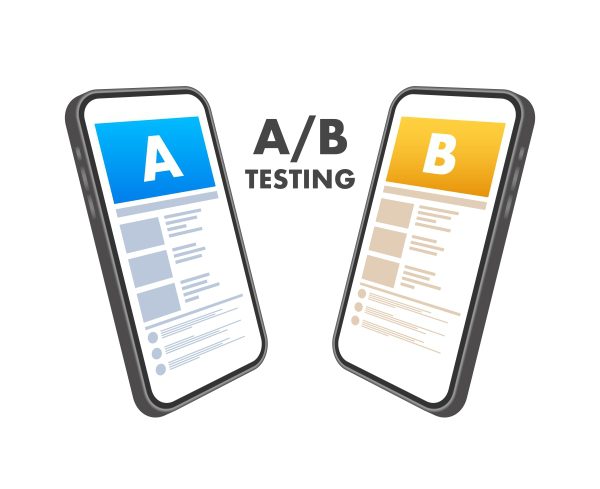
  • A/B test headlines and CTAs.

Set up custom dashboards in Google Analytics to track key metrics like bounce rate, time on page, and goal completions. Additionally, conduct regular performance reviews to identify trends and areas for improvement. For example, if you notice that video content is driving more engagement, consider allocating more resources to video production.

Step 8: Iterate and Scale

Regularly update your content marketing plan based on data. Conduct quarterly reviews of your content performance and adjust your strategy accordingly. For example, if video content is driving more engagement, allocate more resources to video production. Additionally, consider experimenting with new formats or platforms to stay ahead of the competition.

Tools to Streamline Your Content Marketing Plan

Here are some tools to make your life easier:

  • Content Creation: Canva, Adobe Spark.
  • SEO Optimization: Yoast SEO, SEMrush.
  • Social Media Scheduling: Hootsuite, Buffer.
  • Analytics: Google Analytics, HubSpot.

Conclusion

In today’s digital landscape, a well-crafted multi-channel content marketing plan is not just an option—it’s a necessity. By setting SMART goals, understanding your audience, auditing your existing content, and tailoring content for each platform, you can maximize engagement and reach your target audience effectively. 

Looking ahead, emerging technologies such as AI-driven content personalization, voice search optimization, and interactive media will further shape content marketing in 2024 and beyond. Brands that stay agile and embrace these innovations will gain a competitive edge.

Now is the time to refine your content marketing approach. Start by evaluating your current strategy, experimenting with new formats, and staying data-driven. With the right plan in place, your brand will not only capture attention but also drive meaningful engagement and conversions.

Digital_Marketing2

Traditional Marketing vs. Digital Marketing

No matter how big your business might be, whether it’s a small mom and pop store tucked away in a small town or a large corporation, advertising is an absolutely vital component of your success. If you do not invest in marketing your business, you’re unlikely to be able to spread any brand awareness. Not only will this make it difficult to grow your business, it will make it extremely difficult to keep it alive. When it comes to marketing your brand, you’re going to find that you have two main options–traditional marketing and digital marketing. The following is a breakdown of traditional marketing vs digital marketing.

Traditional Marketing vs. Digital Marketing

Before getting into the pros and cons of traditional marketing vs digital marketing, it’s important to understand how they differ in terms of strategy. Traditional marketing is about placing advertisements in places where your audience will have no chance of missing it. For example, TV ads, radio ads, magazine ads, newspaper ads, and billboards are all forms of traditional marketing. The idea is to put your brand at the top of mind of whoever sees your ad. Digital marketing is a bit different. It refers to the use of digital channels to market to consumers. For example, both online marketing and mobile marketing are forms of digital marketing. The following is a comparison/difference between traditional marketing and digital marketing to give you a better understanding of how both strategies work:

The marketing costs

Traditional advertising methods, such as creating videos and running them on TV or running print ads in the newspaper, tend to be relatively expensive. It’s going to be even more expensive when taking into account where you run it and when you run it. For example, a commercial that runs during prime time hours during a popular show is going to be more expensive than being shown on a local channel after midnight.

Digital marketing can get expensive as well. For example, posting video content on YouTube still requires that you produce that content–and while you can continuously run the same commercial for a while on TV, video content tends to have a shorter lifespan in the digital realm due to the need to continuously produce new content to keep drawing more traffic. One advantage that digital marketing does have is that it allows you to target more specific audiences, which means that if you’re targeting a specific niche, it could potentially be more cost-effective.

Reaching your audience

While traditional marketing allows you to reach a general audience, digital marketing makes it easier to reach your specific buyer persona. For example, you can use PPC advertising to specifically target potential customers who are searching for specific products that they want to buy. Due to the way PPC ads work in conjunction with keywords, the people that see your ad are all likely to be part of your target audience. With traditional marketing, it’s a bit more of a shot in the dark. While some consumers who are part of your target audience may be watching a certain channel when you run your commercial, many of those viewers may not be–and even if they are, they may not have a need or interest in your product.

Engaging the audience

One of digital marketing’s biggest advantages is that you can engage more directly with your audience. Audiences can interact with your content through social sharing and commenting, and you can engage directly with your audience for valuable feedback. Traditional marketing is a one-way street. You provide your message and your audience has no way to respond or interact.

Long-term vs Short-term

Once you stop running a commercial or a print ad, it’s over. This makes traditional marketing a short-term strategy. With digital marketing, your marketing efforts will live forever online. The content you created years ago can still be relevant and help bring in leads. This makes digital marketing a more effective long-term strategy.

As you can see, when comparing traditional marketing vs digital marketing, digital marketing has its share of advantages. But that’s not to say traditional marketing doesn’t work. In fact, many brands will combine the use of traditional marketing and digital marketing to great success. This is known as an omnichannel approach, and it’s an approach you should consider implementing as well.

A GUIDE TO EFFECTIVE MOBILE MARKETING TECHNIQUES

Components Of Web Design That Will Modernize Your Website

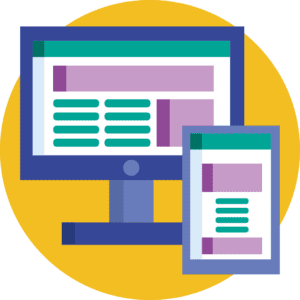
In today’s age, keeping your website up to date is incredibly important if you want to remain competitive and maintain visibility. Having a modern, compelling website can open doors for your company and transform your user’s experience in a positive way. Here are the following components of web design that will help in website modernization.

Top 5 Web Design Components To Modernize Your Website


1. Minimal Design

In some cases, especially when it comes to your website, less is considered more. Exactly what it sounds like, minimal design provides users with a greater sense of clarity and focus when visiting your site. This type of modern design makes your website more user friendly and will make navigating your website much easier for visitors; it will also encourage users to focus more strongly on important details on your website like your content. The less distractions on your site, the better you’ll be at converting leads. Minimal design also helps your company appear more professional.

2. Mobile Friendly


Accessing the Internet from a mobile device has become second nature to a majority of folks. Making your website mobile friendly is absolutely critical if you want to be able to communicate your brand’s value to a wider audience. By having a mobile friendly website, you’ll be able to access a greater number of potential customers, resulting in an increase in profits.

3. Clean Design Typography

Choosing the right typography for your website is not something you should take lightly, as it helps communicate to consumers what kind of brand you are. If you want to appear as a modern, forward-thinking brand, you should stick to using web-standard fonts that can easily be interpreted by everyone. But according to HubSpot, if you’re struggling to set your brand apart from competitors, you might want to consider using a unique font to help visitors identify you from the crowd. Modernizing your website also means avoiding using an excessive amount of colored fonts, making sure your line-spacing is suitable to improve readability, and using an appropriate text size (usually 16px).

4. Full-Screen Background Videos


Visitors won’t always want to read large chunks of text and since our brains process videos much faster than text anyways, incorporating a background video on your website is a smart way to share your brand’s story without having to overwhelm your visitors with loads of text. Having a video on your website will not only intrigue visitors but will also encourage them to click through to the main video. Adding a background video is not difficult and can be achieved by hard coding on HTML and CSS, or by using plugins.

Types Of Marketing Video You Should Use

5. Hero Images

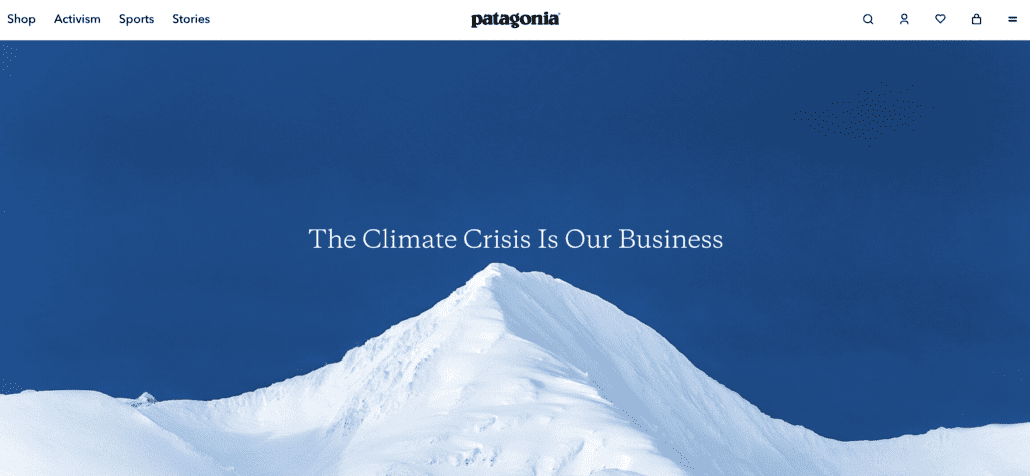
Google Trends foresees hero images to increase in popularity as a modern website design idea. Hero images are large banners that appear above or below the fold, or in the background with content overlaid on top of it. Hero images are great to help build a connection with visitors, and instead of drawing your visitor’s attention to social buttons or a CTA, using an image with text will encourage your visitors to want to scroll down to see more of your website. They also work to communicate your company’s story without adding a lot of text.

  25 Website Must Haves For Driving Traffic, Leads & Sales

smart goal examples

5 SMART Goal Example For Business Development

A SMART goal is basically what the acronyms from the name suggest. It is specific, measurable, attainable, and relevant and time bound. The Smart Goal process provides a frame where you can create a long term goal. It also provides a time limit for you to work on the same goal. By doing this business’ are 70% more successful in achieving their goals thanks to regular check-ins, updates and group accountability. Below are a few smart goals examples for business development that will help you understand the system better and enhance your business.

Smart Goal Examples for Business

  • “I Want To Increase My Profits”
  • “I Want To Improve My Response Time to Customer Complaints”
  • “I Want To Improve My Employee Retention”
  • “I Want To Be More Efficient In My Business Operations”
  • “I Want To Grow My Business Operation”


“I Want To Increase My Profits”

smart goal examples
Specific: I will increase revenue while cutting down on expenditure. Moving to a more affordable premise that will cut my rent by 7% will reduce the operational costs.

Measurable: I will increase sales over the next 3 months by signing in 5 more potential clients.

Attainable: I will improve my current customer relationships and promote the business through referrals, networking and through social networks. This will help me find more leads and therefore see to an increase in revenue for the business.

Relevant: moving to a cheaper establishment will reduce the operational cost of my business and therefore give room to the growth of profits.

Time-bound: I will have increased my profit by the end of the coming three months.

Also Read: Maximizing Profitability: How to Calculate and Improve Customer Lifetime Value

“I Want To Improve My Response Time to Customer Complaints”

smart goal examples
Specific: I will improve the response time to customer complaints by increasing my customer service staff from 3 to 8 in the next one year.

Measurable: the increase in customer service staff is scheduled to take place within one year. It should bring the number to a total of 8.

Attainable: as I plan on moving to a new establishment I will ensure the place has enough room to accommodate the additional staff members I intend to have in the next one year.

Relevant: I will find ways to manage the complaints meanwhile in order to maintain the customer base I have and strive to grow the client base even further to match the additional customer service staff.

Time-bound: I will have hired the customer service staff by the end of one year.

Learn More about: Creating Measurable Social Media Goals


“I Want To Improve My Employee Retention”

smart goal examples
Specific: I will improve the employee turnover by 15% in 90 days by putting up training for the new employees to let them know what is expected of them and have a program for them to get used to the operation systems. I will also have one-on-one meetings with employees so that I get to know what challenges they could be facing.

Measurable: the improvement in employee turnover is scheduled to be by about 15% and should take place within 90 days.

Attainable: trainings and one-on-one meetings will ensure the employees are prepared for what is expected of them when they get into production. It also give me a hint of what’s on their mind concerning general operations of the business.

Relevant: outstanding employees will be put up for a reward system. For the ones that might be having a difficult time, there will be motivation trainings for encouragement.

Time-bound: employee turnover will have improved within 90 days


“I Want To Be More Efficient In My Business Operations”

smart goal examples
Specific: I will improve my efficiency in business operations by challenging my sales department to increase their closing ratio from its current 45% to at least 60%. They could also work on improving the delivery time from 72hours to at least 12hours maximum.

Measurable: the sales people are supposed to increase their closing ratio from 45% to 60% and the delivery time improved to 12 hours from the initial 72hours

Attainable: I will conduct a survey to find out what both the clients and the sales team think about the idea. I will implement it as soon as the idea passes as valid.

Relevant: increasing the number of motorbikes and pickups that will do courier services for us will help make the plan a success

Time-bound: this should happen in one year.


“I Want To Grow My Business Operation”


Specific: open three more branches countrywide within five years

Measurable: the objective is to increase operations and revenue for the business. This will, in turn, facilitate the growth to three more branches.

Attainable: increasing my current selling space by 25% will mean more production. This can help me save for the planned growth to 4 branches countrywide.

Relevant: increasing production, operations and revenue will mean a larger client base thus the need for more branches will not be a wasteful idea after all.

Time-bound: establishing the branches should be within the next five years.

Learn More About: How Smart Goals Should Align With Your Business Goals


As much as an organization will work to ensure that its business goals are smart, they will never be flawless. It is, however, essential to ensure they give their teams tasks within their capability and make decisions using accurate data from their past operations while setting new smart business goals. The rest will work out just fine.

Form CTA

What AI means To B2B Marketing Strategies

Artificial intelligence is no longer just a concept explored through pop culture; it’s a very real thing that has become increasingly prevalent throughout society, even in the creation of B2B marketing strategies. In fact, the use of AI is practically commonplace now. For example, the use of AI is what allows Amazon to recommend personalized products based on your buying and browsing habits. It also allows your GPS to provide you with the best possible route. For business owners and marketers, AI has also become essential to improving B2B marketing strategies.

The Benefits of AI in B2B Marketing Strategies

The following are just a few ways that the use of AI can help to improve B2B marketing strategies:

Improve the customer experience via personalization

Businesses no longer directly interact with brands when they are doing product or service research. This means it can be difficult to mine information from potential clients or business partners. The use of AI technology for B2B Marketing can help you collect data that provides insight into the behavioral patterns of both existing and potential clients or partners. This means that your marketing efforts no longer have to be limited to certain sectors, you’ll be able to target specific businesses with messages designed to provide solutions to their specific needs, thereby improving the customer experience as well.

Improve your marketing strategy

The use of behavioral analysis and machine learning can help you to better understand what the pain points of your target audience is. Behavioral analyses also allows you to craft a more effective marketing strategy to reach and convert that audience.

Save money by saving time

The use of AI technology means that you don’t have to spend hours analyzing data. This type of data can be collected and analyzed by AI programs for you. It will allow you to dedicate more time to other aspects of your business.

Improve results with lead scoring

Trying to chase down every lead is typically a waste of time since not all leads are equal. The use of AI for b2b marketing strategies can allow you to score your leads using all of the behavioral data that you’ve collected. This, in turn, allows you to pinpoint businesses that are much more likely to convert. It allows for a better use of your resources since you can identify the best prospects and prioritize your most promising accounts.

The use of artificial intelligence will help to improve your B2B marketing strategies in any number of ways, whether it’s by helping you to collect and organize more valuable data that can be used to more effectively target qualified leads using personalization, or simply being able to make better use of your resources. Be sure to visit us at Stevens & Tate to take advantage of our free downloadable marketing tools, which can be leveraged to help improve your B2B marketing efforts.

For more resources on Attraction Marketing, click here.

Download Our White Paper Guide To Learn How To Perfect Buyer Personas For Your Business