

Make A Difference

Beyond Pixels: Unconventional Non-Digital Marketing Ideas to Elevate Your Brand

In a world dominated by digital marketing, it’s easy to overlook non-digital strategies. While online platforms offer incredible reach and targeting options, there’s something uniquely effective about tangible, real-world interactions. In this article, we’ll explore some unconventional non-digital marketing ideas to boost your brand without relying on screens and algorithms. 

Non-Digital Marketing That Creates Direct Interaction:

Handwritten Thank You Notes:

These days most communication is digital, receiving a handwritten note can be a delightful surprise. Send personalized thank you notes to customers, partners, or supporters to show genuine appreciation. 

Host Workshops or Classes:

Share your expertise by hosting workshops, classes, or seminars related to your industry. This positions your brand as an authority and creates opportunities for in-person connections with potential customers. Home Depot does a great job at this by hosting free workshops that educate and bring visitors out to their stores. 

Pop-Up Shops or Experiences:

Set up temporary retail spaces or experiential installations in high-traffic areas. This allows you to directly engage with potential customers and create a memorable brand experience. IKEA did this by creating fun pop-up stores. Even if your brand isn’t retail, consider creating a simple pop-up tent experience. It’s a good way to bring an experience closer to potential customers. 

Vehicle Branding:

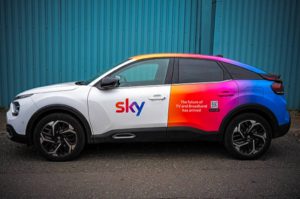
Turn your company vehicles into moving billboards by incorporating your brand’s logo, colors, and messaging. This not only advertises your brand, but also adds a professional touch to your business operations. If you don’t have the budget for a full vehicle wrap, displaying your brands website url or a QR code in the window is a good way to bring awareness to your brand. 

Non-Digital Marketing That Increase Brand Visibility

Branded Merchandise:

Create custom-branded merchandise like apparel, mugs, or tote bags that people can use in their everyday lives. This not only provides value to your audience, but also turns them into walking advertisements for your brand. A word of caution: It’s easy to want to order all the same things other companies do, like can koozies, pens, etc. Really think about what branded items will really parallel your brand. Also, cheap is not the best approach as well. Getting one premium item vs many less expensive items can make a big impression.  

Read more about branding: The Power of Story Branding

Unique Packaging and Presentation:

Your product’s packaging is an often overlooked marketing opportunity. Consider creating distinctive, eye-catching packaging that sets your brand apart on the shelves and leaves a lasting impression. This past Halloween consumers were bombard with custom packages and flavors, all appealing to the emotion that coincides with the holiday. 

Sponsorship and Partnerships:

Forge strategic partnerships with other businesses or events that align with your brand values. This could involve sponsoring local sports teams, community events, or collaborating with influencers in your industry. Additionally, more brands are embracing the use of influencers because they already have an audience and they create the content using your brand. 

Unconventional Non-digital ideas

Guerilla Marketing:

Guerrilla marketing involves unconventional and often surprise tactics to grab the attention of potential customers. This could include things like flash mobs, street art, or unexpected pop-up events. It’s a bold way to create memorable brand experiences. 

Street Art and Murals:

Commissioning local artists to create street art or murals that incorporate your brand can be a visually striking way to engage with the community and generate buzz around your products or services. 

While digital marketing remains a powerful tool, there’s a world of untapped potential in non-digital strategies. Implementing these creative ideas can help your brand break through the noise and establish a meaningful connection with your audience in a tangible, memorable way. By thinking outside of digital, you’ll not only differentiate your brand but also create experiences that resonate with your customers on a deeper level. 


HubSpot Marketing Automation Trends for 2025

In 2025, as marketing automation trends reshape the industry, businesses are turning to HubSpot AI marketing features to stay ahead. As AI-powered personalization, predictive marketing strategies, and seamless CRM integration redefine the digital landscape, marketers must adapt to stay competitive. This article dives into the latest advancements of HubSpot Marketing Automation—from AI-driven personalization to predictive analytics—and how they align with the evolving demands of a data-first world.

Trend 1: HubSpot AI Marketing Features Redefine Personalization

Modern consumers demand tailored experiences. HubSpot’s 2025 updates leverage AI to analyze behavior patterns and deliver dynamic content. For instance, segmented email campaigns now auto-adjust based on real-time engagement metrics.

  • Dynamic Content Optimization: Adjust website banners or emails in real time based on user behavior.
  • Voice-of-Customer Analysis: Use NLP to extract insights from reviews, surveys, and social media.
  • Automated A/B Testing: Let AI determine winning variants for CTAs, images, and headlines.

“Personalization isn’t just a trend—it’s the backbone of customer loyalty.”
Explore how AI enhances event marketing strategies here.

Click to Explore: The top benefits of using HubSpot’s marketing automation tools for growing businesses.

Trend 2: CRM and Automation Integration Unifies Teams

CRM and automation integration eliminates silos by:

  • Automated lead scoring: Prioritize leads based on engagement across email, social media, and webinars.
  • Cross-departmental alignment: Sync marketing, sales, and customer service teams with shared dashboards.
  • Real-time sentiment analysis: Track customer emotions during interactions to refine messaging.

Discover how to choose HubSpot CRM As Your CRM Solution.

Trend 3: Predictive Marketing Strategies Drive Proactive Campaigns

HubSpot’s predictive marketing strategies leverage:

  • Churn risk scoring to prioritize retention efforts.
  • Budget allocation models based on ROI forecasts.
  • Content calendars optimized for predicted engagement peaks.


“AI digs into historical data, identifying patterns that help marketers anticipate customer behaviors, like churn rates, buying habits, and product demand.” 

— Learn Key AI Marketing Strategy Insights for Every Marketer.

The Future: Customer Journey Automation with HubSpot

Upcoming innovations include:

  • AI-generated journey maps that adapt to real-time feedback.
  • IoT-triggered workflows (e.g., sending offers when a user enters a geofenced area)

Conclusion

As we approach 2026, HubSpot marketing automation continues to redefine the boundaries of what’s possible in digital marketing. The fusion of AI, predictive analytics, and seamless CRM and automation integration empowers businesses to operate with unprecedented precision and foresight. Marketers who adopt these tools will not only streamline operations but also build deeper, data-driven relationships with their audiences.

hubspot marketing automation

FAQs

Q: What is HubSpot marketing automation?

A: HubSpot marketing automation refers to a suite of tools that streamline and optimize marketing workflows using AI, predictive marketing strategies, and CRM integration. In 2025, it focuses on automating personalized customer journeys, data-driven campaigns, and cross-team collaboration to drive efficiency and ROI.

Q: What are the top HubSpot marketing automation trends in 2025?

A: Key marketing automation trends 2025 include AI-powered personalization, deeper CRM integration, predictive analytics for proactive decision-making, and advanced customer journey automation with HubSpot tools like voice-activated workflows and IoT connectivity.

Q: How does AI improve HubSpot’s automation features?

A: HubSpot AI marketing features enhance automation through dynamic content generation, sentiment analysis, and predictive modeling. AI optimizes email campaigns, forecasts customer behavior, and automates A/B testing, enabling marketers to deliver hyper-relevant experiences at scale.

Want to see how HubSpot automation can transform your 2025 strategy?

Contact us at 630-627-5200 today for a FREE consultation and discover how we can make things happen for your business.

Search Engine Marketing Services: The 2025 Playbook for High-Intent Leads

In 2025, Search Engine Marketing Services are more agile, automated, and conversion-driven than ever. As Google, Bing, and emerging platforms advance their algorithms, marketers are shifting strategies to capture high-intent leads at a lower cost per acquisition (CAC). Whether you’re an agency, a brand, or a growth team, staying on top of evolving SEM trends is the difference between ad fatigue and ROI gold.

“Brands that align SEM with real-time intent signals will dominate high-intent search verticals in 2025.”

Search Engine Land

1. Performance Max Is Here to Stay

Google’s Performance Max campaigns (PMax) continue to dominate ad strategies. By automatically optimizing ads across all Google properties—Search, Display, YouTube, Discover—PMax allows marketers to meet users wherever they are in the funnel. Expect more brands to combine first-party data with PMax for granular targeting.

2. AI-Powered Bidding Is Getting Smarter

Smart bidding isn’t new, but 2025 introduces intent-based automation layers. AI now analyzes micro-moments, device signals, and even voice searches to adjust bids in real time. This shift makes Search Engine Marketing Services more cost-efficient and scalable.Search Engine Marketing Services

“The rise of AI-powered bidding means fewer wasted impressions and more qualified clicks.” — PPC Hero

Figure out 10 AI-powered Marketing Tools here

3. Visual & Voice Search Are Growing SEM Channels

With platforms like Google Lens and voice assistants dominating younger demographics, visual and voice search optimization is no longer optional. Marketers are adapting keyword strategies for image metadata and conversational phrasing.

4. First-Party Data Is SEM’s New Fuel

With third-party cookies on the way out, Search Engine Marketing Services are leaning heavily on CRM data, email lists, and customer behavior to power custom audience segments. Integrated platforms now let you sync these datasets directly into campaigns.

5. Cross-Platform SEM Isn’t Optional Anymore

Amazon, TikTok, and even Pinterest now offer robust SEM-like ad platforms. Brands are learning that to win the search war, they need omnichannel intent capture—aligning paid search strategy with social commerce and video discovery.

Click To Explore How to Achieve Maximum Impact from a Multi-Channel Content Marketing Plan

Final Thoughts: SEM in 2025 Is All About Intent, Not Impressions

The goal is no longer just traffic—it’s qualified, converting traffic. As SEM evolves in 2025, the winners will be those who treat SEM as a dynamic engine, not a static channel.

📘 Want to explore the future of paid media strategies? Here’s a forecast.

🔮 Curious about the future of SEO content? Read this article.

Need Help Building Your 2025 SEM Strategy?

Let our team help you turn insights into high-intent leads. Contact us at 630-627-5200 today for a FREE consultation and discover how we can make things happen for your business.

Search Engine Marketing Services

Integrated Marketing Agency: The Key to Cohesive Customer Journeys in 2025

In today’s fragmented digital landscape, brands are stretched across countless platforms—social media, email, search, display, events, and more. But when messaging feels disjointed or inconsistent, customer trust erodes. That’s where an integrated marketing agency comes in. Acting as the central nervous system of your brand strategy, it ensures every touchpoint reinforces a unified, memorable customer journey.

Why Integrated Marketing Matters More Than Ever

Consumers are no longer loyal to platforms—they’re loyal to experiences. According to HubSpot, brands that prioritize consistent messaging across channels see a 23% increase in revenue. Yet achieving that consistency is no small feat. Many companies silo their teams: digital advertising here, content over there, and email in another corner.

An integrated marketing agency dismantles those silos. In a world overwhelmed by noise, cohesion becomes your biggest competitive advantage.

What Does an Integrated Marketing Agency Actually Do?

A great integrated agency doesn’t just run ads—it crafts brand experiences. Here’s what sets them apart:

  • Unified Strategy Development: They start with one core message and build it into creative assets for every touchpoint—from Instagram Reels to retargeting banners.
  • Cross-Channel Execution: Rather than focusing on one platform, they optimize the customer journey across paid, owned, and earned media.
  • Analytics and Attribution: These agencies use real-time data to track performance holistically, ensuring dollars are spent where they matter most.
  • Brand Consistency: Whether a user sees your brand on LinkedIn, YouTube, or in their inbox, the tone, visuals, and messaging feel instantly recognizable.

ROI Optimization Through Integration

In its 2024 industry report, PAN Communications found that B2B brands working with integrated agencies saw up to 3X improvements in marketing ROI. Why?

Because when media, messaging, and measurement align, every campaign becomes greater than the sum of its parts.

integrated marketing agency

An integrated marketing agency will often deploy tactics like:

  • Customer journey mapping to pinpoint when and where to engage.
  • Media mix modeling to identify the most effective channels.
  • A/B testing across platforms, not just within them, to optimize end-to-end performance.

Integrated Agencies in Action: A Real-World Example

A mid-sized health tech brand recently partnered with an integrated marketing agency to improve launch results for a new wearable product. Instead of running isolated paid ads or a disjointed PR push, the agency developed a 360-degree campaign:

The result? A 40% faster time to market and a 65% lift in sales compared to the brand’s previous product launch without agency support.

It can take a long time and a lot of effort to create and execute a successful marketing strategy — especially if you want long-term results”.

——Learn more about the Importance of hiring an Integrated Marketing Agency

Choosing the Right Integrated Marketing Agency

Not all agencies are created equal. When evaluating partners, look for:

  • A track record of multi-channel campaigns
  • Strong collaboration between strategy, creative, and analytics teams
  • Transparent reporting tools and ROI frameworks
  • Industry expertise in your vertical (e.g., tech, retail, healthcare)

In 2025, the question isn’t whether you need integration. It’s who you trust to deliver it. Working with an integrated marketing agency, like Stevens & Tate, isn’t just about convenience—it’s about creating customer journeys that convert, campaigns that resonate, and brands that endure.

New call-to-action

Final Thoughts

In a digital world where attention is scattered and loyalty is fragile, clarity is power. An integrated marketing agency gives you that power—not just to be present across platforms, but to be present with purpose.

Ready to future-proof your brand? Start crafting a strategy that connects, adapts, and endures—because in 2025, relevance is everything. Hire a marketing consultant to seamlessly blend traditional and digital strategies.

For more information, call us at 630-627-5200 or Request A Consultation Today!

5 Proven Brand Development Strategies to Future-Proof Your Business in 2025

In 2025, your competitors aren’t just launching new products—they’re telling better stories, connecting more deeply, and pivoting faster than ever. To thrive in today’s saturated market, your brand development strategy must do more than look good—it must resonate, adapt, and endure.

Drawing insights from leaders in branding and entrepreneurship, here are 5 proven strategies to future-proof your brand and make it unshakable in the face of disruption.

1. Tell a Story that Reflects Purpose, Not Just Product

People don’t connect with what you sell—they connect with why you sell it. Whether it’s sustainability, innovation, or inclusion, today’s consumers expect brands to stand for something more. Future-proof brands lead with mission, not marketing.

Action Step:
Build a brand manifesto that defines your mission, vision, and values—and integrate it across your campaigns, content, and customer experience.

Read more about: What is Brand Development and How Does It Work?

2. Develop a Distinctive Visual and Verbal Identity

Looking and sounding like everyone else is a recipe for invisibility in a crowded marketplace. A unique visual identity paired with a defined voice ensures your brand is instantly recognizable and emotionally memorable.

Canva’s guide stresses that consistent fonts, colors, logos, and tone-of-voice guidelines help build brand equity over time.

Action Step:
Create a brand style guide covering typography, color palette, logo usage, tone, and content dos and don’ts to ensure consistency across every touchpoint.

Your marketing team can help you determine what name, tagline and logo will resonate with your audience. Nike’s Just Do It! has become a staple of a strong statement just as “It’s Finger Lickin Good” or “Just like a Good Neighbor, State Farm is there.

—— What Is The Brand Development Process?

3. Build Micro-Community Loyalty, Not Just Mass Awareness

While many brands chase virality, future-proof brands focus on cultivating loyal niche communities.Brand Development Strategy These micro-group often become the loudest advocates and most consistent buyers. Engaging with specific communities—rather than broadcasting to the masses—leads to more authentic interaction and longer-term growth.
Action Step:
Identify your core audience segments and go deeper—create private groups, host AMAs, offer early access or exclusive content to reward loyalty and encourage co-creation.

4. Prioritize Emotional Connection Over Transactional Touchpoints

Winning brands don’t just meet needs—they stir emotions. Whether through humor, nostalgia, or empathy, creating an emotional connection builds brand stickiness.

HubSpot notes that emotionally connected customers have a 306% higher lifetime value. The key is mapping your customer journey and identifying moments that spark genuine human connection.

Action Step:
Use customer data and sentiment analysis to uncover what feelings your brand currently evokes. Adjust your messaging and campaigns to deepen emotional resonance.

5. Stay Agile—Design for Iteration, Not Perfection

Markets shift. Algorithms change. New competitors emerge. Your brand needs a flexible foundation that can evolve while staying true to its essence.

The importance of modular brand systems that allow for quick iteration without compromising identity.

Action Step:
Revisit your brand messaging and creative assets quarterly. Conduct brand audits, A/B test campaign variations, and be ready to pivot when consumer behavior shifts.

A good company always has ongoing research or audits to find out how to appraise their image, products, and services.“

——The Brand Development Process Demystified

Final Thoughts

A strong brand development strategy doesn’t just help you stand out in 2025—it equips your business to adapt, endure, and lead in the years beyond. By embracing authenticity, investing in emotional intelligence, and committing to consistency with agility, your brand won’t just survive saturation—it’ll shape the future of your industry.

Ready to future-proof your brand?

Start crafting a strategy that connects, adapts, and endures—because in 2025, relevance is everything. Hire a marketing consultant to develop a strong brand strategy from scratch.

For more information, call us at 630-627-5200 or Request A Consultation Today!

Measuring What Matters at Trade Shows Beyond Booth Traffic

Trade shows are a cornerstone of B2B marketing, offering a unique opportunity to engage with potential clients, showcase products, and strengthen relationships. However, many brands fall into the trap of measuring success solely by booth traffic. A busy booth may look impressive on the surface, but it doesn’t necessarily translate into meaningful business outcomes. The real power of trade shows lies in how well you convert interactions into engagement, qualified leads, and measurable ROI.

Why Booth Traffic Isn’t Enough

While counting attendees who stop by your booth is easy, it’s a superficial metric. Not every visitor is a potential customer, and relying solely on foot traffic can give a false sense of success. Skyline emphasizes that trade show lead generation is most effective when the attendee journey is intentionally designed to identify and engage qualified prospects. This involves understanding who is most likely to benefit from your products or services and ensuring your booth and messaging speak directly to those attendees (blog.skyline.com).

Trade Show Metrics That Truly Matter

To measure trade show success accurately, brands should focus on metrics that reflect real business impact:

1. Qualified Leads Captured

Capture the right contacts, not just anyone with a badge. Use tools or pre-qualifying questions to ensure leads align with your target audience. The quality of leads is far more important than quantity, and these qualified prospects have a higher likelihood of converting to customers.


Learn More About:

How to Identify Valuable Buyers through an Ideal Buyer Persona

2. Engagement Quality

Track meaningful interactions, such as conversations that demonstrate interest or uncover specific business needs. Longer discussions indicate higher intent and should be prioritized for follow-up.

3. Pipeline Contribution & ROI

According to Cvent, linking trade show activity to tangible outcomes—like opportunity creation, MQLs, and revenue—is essential. Measuring how your event participation contributes to the sales pipeline provides a clear view of ROI and helps justify the investment (cvent.com).

4. Post-Show Brand Lift

Metrics beyond the booth can also indicate success. Track increases in website traffic, social engagement, media mentions, or newsletter signups after the event. These reflect how well your brand resonated with attendees and can influence long-term perception.

How to Implement Meaningful Metrics

To move beyond surface-level measures, brands can take the following steps:

  • Define Clear Objectives: Establish whether your goal is lead generation, brand awareness, relationship-building, or a combination. Align KPIs to your objectives to ensure measurement reflects true success. 
  • Use Smart Lead Capture Tools: Modern lead capture systems can qualify prospects in real time, record notes from conversations, and automatically sync with your CRM, streamlining post-show follow-up. 
  • Train Booth Staff for Engagement: Encourage staff to ask targeted questions, understand visitor needs, and highlight solutions that match their challenges. Engaged staff turn casual visits into meaningful conversations. 
  • Enable Rapid Post-Show Follow-Up: Skyline emphasizes that leads lose momentum quickly. Implement personalized follow-up strategies immediately after the event, whether through email, phone calls, or digital content tailored to their expressed interests. (Skyline, “Keys to Trade Show Lead Generation”) 
  • Track Revenue Attribution: Ensure you can connect trade show activity to real business outcomes. Use CRM and analytics tools to monitor which leads convert into opportunities, customers, and revenue over time. 

Best Practices for Maximizing Trade Show ROI

  1. Pre-Event Marketing: Promote your booth and sessions via email campaigns, social media, and personalized invitations to attract your target audience. 
  2. Interactive Booth Design: Encourage visitors to engage with demos, touchscreens, or product samples. Memorable experiences help ensure your brand stands out. 
  3. Data-Driven Decisions: Use insights from past events to refine your strategy. Identify which sessions, booth locations, or messaging approaches led to the highest engagement and adjust accordingly. 

Final Thoughts

Booth traffic alone is a misleading indicator of success. Instead, B2B brands should prioritize metrics that reflect real business impact: lead quality, engagement depth, pipeline contribution, and post-show brand lift. By combining targeted strategy, smart technology, and timely follow-up, trade shows become more than an event—they become a measurable driver of growth and revenue.

The brands that move beyond vanity metrics and focus on what truly matters are the ones that turn trade show participation into a competitive advantage. Contact us today for a free consultation and discover how we can help you go beyond booth traffic to generate measurable results for your brand.


Read More On:

How to Improve Your B2B Marketing Strategies

How Video Marketing Analytics Drives Performance and ROI

Video has emerged as an undisputed powerhouse in digital marketing. It captures attention, builds connections, and consistently delivers higher ROI than many traditional channels. But simply creating videos isn’t enough. The difference between a video that gets views and a video that drives business lies in one thing: video marketing analytics.

Ignoring your video data is like a ship captain navigating in the dark. Analytics provide the data needed to optimize your content, boost engagement, and prove the true return on your investment. 93% of marketers say video marketing has given them a good ROI.

So, what are the most important metrics to track? And how do you use them to transform your video strategy?


Key Metrics That Matter for Business Growth

To move beyond vanity metrics like “total views,” you need to focus on data that tells you what your audience is doing and whether your video is working (sprinklr, 2025).

  • Engagement Rate & Watch Time: These metrics are far more important than a raw view count. A video with 1,000 views and a high watch time is more valuable than one with 10,000 views and a low watch time. Platforms like YouTube and TikTok favor content with higher watch time, boosting its visibility in search results and feeds.
  • Click-Through Rate (CTR): This metric measures how effectively your video compels viewers to take a specific action, such as visiting your website or signing up for a newsletter. A high CTR indicates that your call-to-action (CTA) is clear, persuasive, and well-timed.
  • Conversion Rate & ROI: These are the ultimate business-oriented metrics. Your conversion rate tracks how many viewers complete a desired action, like making a purchase or filling out a form. Calculating the ROI of your video campaign tells you whether the investment in production, promotion, and distribution is truly paying off.
  • Completion Rate & Retention Curves: This is where you gain deep insight into your content. The completion rate tells you what percentage of viewers watch your video all the way through. Retention curves, which show you where viewers drop off, are even more powerful. A steep drop-off early in the video may mean the intro isn’t engaging enough, while a gradual decline might point to pacing issues.

How to Use Analytics to Enhance Your Video Strategy

Data is only useful if you know how to act on it. By leveraging video analytics, you can transform your content creation from a creative gamble into a strategic engine that scales results.

1. Refine Your Content

Your analytics dashboard is a treasure trove of information about what your audience likes. Discover which topics, formats, and edits are keeping viewers engaged. If your audience consistently watches your long-form interview series but drops off quickly from your short-form explainers, you know where to focus your resources. A/B test different video lengths, editing styles, or even background music to see what resonates best.

Learn More About:

Different Types of Marketing Videos

2. Tailor Your Messaging

Use demographic data to personalize your videos. If your analytics show that your primary viewers are 35-44 year-old professionals, your messaging should be tailored to their specific pain points and goals. Understanding your audience’s viewing behavior—for example, where they live or what devices they use—allows you to create content that feels personally relevant to them.

3. Improve Your Optimization

Test different CTAs, thumbnails, and opening shots. If you have two different video thumbnails, you can use analytics to see which one drives a higher CTR. If you notice a high drop-off right after your opening shot, consider re-editing your video to get straight to the point. Every piece of data gives you a chance to make small, incremental improvements that can have a massive impact on your results.


Final Thoughts

Video marketing without analytics is a shot in the dark. It’s a costly gamble that leaves you with no real way to measure success or learn from your efforts. But when you measure the right metrics—from watch time and engagement to conversions and ROI—you gain the clarity, impact, and evidence-backed results you need to grow your business.

By leveraging video analytics, you transform content creation from a creative act into a strategic engine that informs, converts, and scales results.

Ready to take your video strategy from guesswork to greatness? Contact us today for a free consultation to learn how we can help you with a data-driven approach.

Read More On:

How to Use Storytelling in Video Marketing

Marketing Strategy

Creating a Marketing Strategy Without Overcomplicating the Process

Creating a marketing strategy doesn’t have to be overwhelming. If you’ve ever asked, “What is a marketing strategy, and how do I build one that actually works?”, you’re not alone. While many businesses struggle with overcomplicated plans, a streamlined approach focusing on clear objectives, customer insights, and practical execution can yield better results. This article explores the key elements of creating a marketing strategy and how expert consulting can simplify the process for long-term success.

1. Set Clear Objectives

smart goal setting

A strong marketing strategy starts with well-defined goals. These should align with your business objectives and be measurable. Whether you’re aiming to increase brand awareness, generate leads, or boost customer retention, your strategy should focus on achievable and impactful outcomes. Many businesses set too many vague goals and complicate the planning process. Instead, they should prioritize a few key metrics that directly impact business growth.

Learn more about: How to Develop SMART Goals

2. Understand Your Target Audience

Effective marketing is rooted in a deep understanding of your audience. Conduct market research, analyze customer behavior, and build detailed buyer personas to guide your messaging. When you understand customer needs and preferences, your efforts become more focused and effective.

buyer persona guide for business

3. Focus on Simplicity and Consistency

One of the biggest pitfalls in marketing strategy development is complexity. Many brands try to do too much at once, diluting their impact. Instead, maintaining a consistent message across all channels and sticking to a few well-executed tactics can drive better engagement and brand recognition. 

4. Align Strategy With Execution

A solid marketing strategy isn’t just about planning—it’s about execution. To avoid inefficiencies, ensure that your plan is actionable. This means having the right marketing automation tools, a clear timeline, and a strategy that your team can realistically implement.

Learn more about: How to Evaluate Your Marketing Strategy

5. Adapt and Optimize Over TimePerformance Analysis and Optimization

A great marketing strategy isn’t static. Regular performance analysis and adjustments based on data insights are crucial for long-term success. Monitoring key metrics, conducting A/B testing, and being willing to refine your approach will help keep your strategy relevant and effective in an ever-changing market.

Final Thoughts

Marketing strategy doesn’t have to be complicated to be effective. By focusing on clear goals, customer insights, consistency, and execution, businesses can create strategies that drive real results without unnecessary complexity. For expert guidance in developing a streamlined and effective marketing strategy, explore integrated marketing solutions from Stevens & Tate Marketing—tailored to meet your business goals and drive measurable results.

Schedule Your Free Consultation

The Future of Paid Media Advertising: AI, Automation, and Means for You

In today’s fast-changing digital world, paid media advertising is transforming. Tools powered by artificial intelligence (AI) and automation are helping businesses show ads to the right people at the right time, saving money and improving results. But even as technology advances, human creativity and oversight remain essential. Let’s break down how these tools work and why teamwork between humans and machines is key.

How AI Is Changing Paid Media Advertising

Predicting What Customers Want

AI can analyze past customer behavior to guess what people might buy next. Think of it like a weather forecast for shopping trends—it helps businesses prepare by focusing their ad budgets on what’s likely to work.

Paid Media Advertising

Personalized Advertising for Millions at Once

Imagine showing a dog food ad to dog owners and a travel ad to adventurers—all automatically. AI tools adjust ad text, images, and calls-to-action (like “Buy Now”) for different audiences in real time. This means a single paid media advertising campaign can feel personal to millions of people.


Read more about: Ways You Can Improve Your Email Personalization

Keeping Paid Media Advertising Safe and Honest

AI helps spot fake clicks and unsafe websites where ads might appear. This ensures ads are shown to real people in appropriate places, protecting both budgets and brand reputations.

Automation: Letting Machines Handle Repetitive Work

Buying Ads Without the Hassle

Automation handles the buying and placing of ads across websites, apps, and streaming services. Instead of negotiating manually, machines instantly find the best places to show ads based on your goals.

Managing Paid Media Advertising Across All Platforms

Tools now let businesses run ads on Google, social media, and other channels from one place. Automation adjusts budgets automatically—spending more on what’s working and less on what’s not.

Simplifying Reports

AI tools gather data from all your ad campaigns and summarize results in easy-to-read dashboards. This saves hours of manual work and helps teams focus on improving campaigns.

Working Together: AI and Human Creativity

While AI handles repetitive tasks and data crunching, humans bring irreplaceable skills:

  • Strategy: Setting goals (like brand awareness or sales) and ensuring ads align with a company’s values.
  • Creativity: Writing relatable ad copy, designing eye-catching visuals, and telling stories that connect emotionally.
  • Ethics: Checking that AI tools don’t accidentally reinforce stereotypes or ignore privacy rules.

For example, AI might generate 100 ad headlines in seconds, but humans choose the ones that sound authentic and match the brand’s voice. Similarly, AI can suggest where to place ads, but humans decide if those places align with the brand’s image.

Read more about: 10 AI Marketing Tools for Optimizing Your Marketing Strategy

What’s Next in Paid Ads?

Voice Search Ads

As more people use voice assistants like Alexa, ads will need to answer conversational questions (“Where’s the nearest coffee shop?”). AI helps optimize ads for these spoken queries.

Paid Media Advertising

Immersive Experiences

Augmented reality (AR) lets users “try” products digitally—like seeing how a sofa looks in their living room. These interactive ads blend the digital and physical worlds.

Eco-Friendly Paid Media Advertising

Businesses are increasingly using tools to track and reduce the environmental impact of their ads, such as energy used in online campaigns.

Challenges to Keep in Mind

  • Privacy: Laws now require businesses to be transparent about how they use customer data. Tools exist to help manage consent and stay compliant.
  • Training Teams: As AI becomes essential, companies need to train employees to use these tools effectively.
  • Fairness: Regularly checking that AI tools don’t favor or exclude certain groups unfairly.

Getting Ready for the Future of Paid Media Advertising

  1. Review your current tools to see if they support AI and automation.
  2. Train your team on basic AI advertising tools.
  3. Experiment with new ad formats, like interactive video or AR.

the_future_of_paid_media

Conclusion

The future of paid media advertising isn’t about replacing humans with machines—it’s about combining their strengths. AI handles speed, scale, and data analysis, while humans provide creativity, ethics, and strategic direction. By working together, businesses can create ads that are not only efficient but also meaningful and trustworthy.

Brand Positioning

Brand Positioning: How to Differentiate Without a Complete Rebrand

In an increasingly competitive marketplace, businesses must refine their brand positioning to stand out without undergoing a costly and time-intensive rebrand. But what is brand positioning in marketing, and why does it matter? This article explores strategies to strengthen brand positioning through customer insights, competitive differentiation, and messaging consistency—core elements we often refine in our brand strategy services.

Understanding Brand Positioning

Brand Perception

Brand positioning is the strategic process of establishing a unique and valuable place in the minds of your target audience. It defines how your brand is perceived compared to competitors and influences customer decision-making. A strong brand position clarifies what sets you apart and fosters long-term loyalty.

Learn more about: How to Develop a Brand


Strategies for Effective Brand Positioning

1. Leverage Customer Insights

Understanding your audience is the foundation of strong brand positioning. Conduct surveys, analyze customer feedback, and track engagement data to determine what your customers value most. These insights help shape messaging that aligns with their needs and expectations.

Example: A skincare brand finds that customers value science-backed ingredients over luxury appeal and emphasizes this in its messaging.

2. Conduct a Competitive Analysis

Assessing competitors helps identify market gaps and positioning opportunities. Analyze their strengths and weaknesses, brand messaging, and customer perception. Use this information to craft a distinct positioning strategy that highlights your unique strengths.

Example: If competitors focus on affordability, your brand might emphasize premium quality or superior customer service.

3. Strengthen Brand Messaging Consistency

Consistent messaging across all channels reinforces brand identity. Ensure your website, social media, and marketing materials align with your positioning statement. A clear and compelling message helps customers understand your brand at a glance.

Example: Apple consistently emphasizes innovation and simplicity, reinforcing its brand position across all touchpoints.

4. Emphasize Competitive AdvantagesBrand Components

Your competitive advantages differentiate your brand from competitors. Clearly define the specific benefits your brand offers that others do not. This could be exceptional customer service, innovative technology, or a unique company story.

Example: A luxury hotel might highlight its personalized guest experience as a key differentiator.

5. Adapt and Stay Relevant

Market trends evolve, and brand positioning should adapt accordingly. Regularly reassess your brand’s relevance to ensure it meets current consumer expectations without requiring a complete overhaul.

Example: A traditional retail brand may adopt an omnichannel approach to stay competitive in the digital age.


Final Thoughts

Brand positioning is not about reinventing your brand but refining its perception. By leveraging customer insights, competitive differentiation, and consistent messaging, businesses can enhance their positioning without the need for a full rebrand. A well-defined brand position builds customer trust, strengthens market presence, and drives long-term success.

Learn more about: How Branding & Marketing Work Together

Learn The StoryBranding Process