

Your Practical Playbook to Growing Through Digital Marketing
In today’s competitive landscape, a well-built digital marketing strategy is no longer optional—it is essential for sustainable growth. Businesses that take a structured, data- driven approach consistently outperform those that rely on disconnected tactics. At Steven’s and Tate, we have seen firsthand how the right mix of strategy, creativity, and analytics can transform marketing from a cost center into a growth engine.
This practical playbook will walk you through the essential steps to grow your brand through digital marketing—strategically, efficiently, and measurably.
1. Start with Strategy, Not Tactics
Too often, businesses jump straight into paid ads, social media posts, or email campaigns without defining clear goals. Growth begins with clarity.
A solid foundation includes:
• Clearly defined business objectives
• Audience research and persona development
• Competitive analysis
• Defined KPIs tied to revenue
Before launching campaigns, align your marketing with broader business goals. If your goal is lead generation, your tactics will differ from an eCommerce revenue-driving strategy.
2. Build a Conversion-Ready Website
Your website is your digital headquarters. Every campaign—paid, organic, social, or email—should lead back to a site improved for conversions.
Key essentials include:
• Clear messaging above the fold
• Mobile responsiveness
• Fast load speeds
• Strategic calls-to-action
• Landing pages aligned to campaigns
A beautiful website means little if it does not convert. Every page should guide users toward a measurable action.
3. Leverage Content as a Growth Engine
Content marketing fuels every part of your digital presence. SEO, email marketing, social media, and paid campaigns all rely on high-quality content.
Effective content should:
• Address customer pain points
• Answer high-intent search queries
• Demonstrate authority and trust
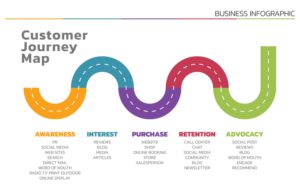
• Support each stage of the buyer journey
When executed properly, content builds organic traffic, nurtures lead and supports sales enablement.
4. Optimize for Search Visibilty (SEO) 
Search engine optimization ensures your audience can find you when they need you most.
Your SEO playbook should include:
• Keyword research aligned to user intent
• On-page optimization (titles, headers, meta descriptions)
• Technical SEO improvements
• Link-building strategies
• Ongoing performance tracking
SEO is not a one-time effort; it is a long-term growth investment. Companies that consistently optimize outperform competitors in visibility and authority.
5. Amplify with Paid Media
Organic growth builds authority—but paid media accelerates results.
Effective paid campaigns require:
• Audience targeting precision
• Compelling creative
• Conversion-focused landing pages
• Ongoing A/B testing
• ROI analysis
Paid search, display, and social advertising can quickly generate traffic and leads when aligned with your larger digital marketing strategy.
6. Nurture Leads Through Email Marketing
Email is still one of the highest-ROI digital channels.
To maximize performance:
• Segment your lists
• Personalize messaging
• Automate nurture sequences
• Test subject lines and CTAs
• Monitor engagement metrics
An integrated CRM and automation system allows you to move prospects through the funnel efficiently while supporting personalized communication.
7. Use Data to Drive Continuous Growth
The most successful brands treat marketing as a cycle of testing, learning, and optimizing.
Track:
• Traffic sources
• Conversion rates
• Cost per acquisition
• Customer lifetime value
• Engagement metric
Regular reporting and analysis allow you to double down on what works and eliminate inefficiencies.
At Steven’s and Tate, data is not just reporting—it is a roadmap for smarter decisions and scalable growth.
8. Integrate Your Marketing Channels
Digital marketing performs best when channels work together—not in silos.
For example:
• SEO supports content strategy
• Content fuels social media• Social drives email signups
• Email nurtures leads
• Paid media accelerates everything
Integration ensures consistent messaging and maximizes ROI across every touchpoint.
Digital Marketing Strategy FAQs
What is a digital marketing strategy?
A digital marketing strategy is a plan that outlines how a business uses online channels—such as search engines, social media, email marketing, and paid advertising—to achieve goals like increasing website traffic, generating leads, or driving sales.
Why is digital marketing important for business growth?
Digital marketing helps businesses reach targeted audiences online, improve brand visibility, generate qualified leads, and measure performance through data and analytics.
How long does it take to see results from digital marketing?
Results depend on the tactics used. Paid advertising can generate traffic quickly, while strategies like SEO and content marketing typically take several months to build sustainable growth.
What metrics should businesses track in digital marketing?
Common metrics include website traffic, conversion rates, cost per acquisition (CPA), and engagement metrics such as email open rates and click-through rates. Tracking these helps businesses evaluate performance and optimize campaigns.
Final Thoughts: Growth Is Intentional
Digital growth doesn’t happen by accident. It requires planning, execution, measurement, and refinement. A cohesive digital marketing strategy aligns every tactic with your broader business objectives and creates a scalable path forward. Whether you’re refining your current efforts or starting fresh, the key is consistency and strategic alignment. By following this practical playbook—and leveraging expert insights from Steven’s and Tate—you can transform your marketing into a measurable driver of long-term business growth.