

internet marketing strategy

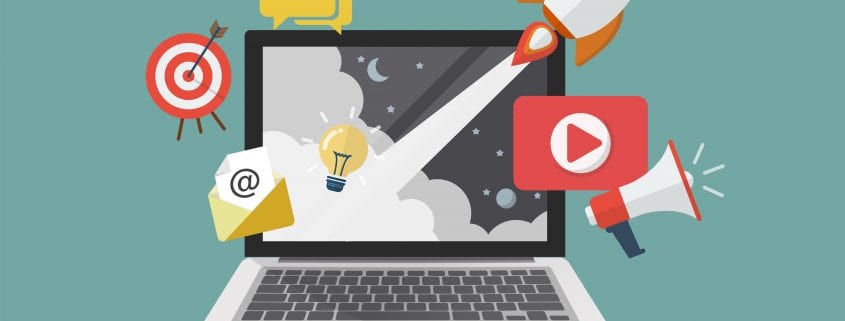
5 Ways to Update Your Internet Marketing Strategy in 2020

The end of the year is quickly approaching. This means that you should take time to review the progress of your marketing efforts this year. You should also think about adjusting your internet marketing strategy and improving upon it. Even if your internet marketing strategy was successful this year, there are always ways you can improve. This is especially true when you consider how quickly internet marketing evolves and changes. With that in mind, the following are five ways that you should consider updating your internet marketing strategy for next year:

1. Update Your Web Design

Your web design has a big impact on whether visitors will stay on your website and continue to explore. The thing is, many businesses don’t update their web design for years. What might have been considered a cutting edge web design three or four years ago may be significantly outdated now. Your website should be easy to read and easy to navigate on both desktop and mobile. As a result, modern web designs tend to go with a cleaner, more minimalistic approach. Take a look at the websites from some of your competitors or from other businesses within your industry to see what they’re doing. If it’s been more than a year or two since you last updated your web design, there’s a good chance that it could do with a few improvements.

2. Personalize Your Email Marketing Efforts

Email marketing might be an old internet marketing strategy, but it’s certainly not an outdated one. Email marketing is one of the most cost-effective ways to not only nurture your leads, but to continue building relationships with existing customers. Be sure to segment your email lists based on the personal data and user behavior data you have access to so that you can personalize your emails more effectively. The more personalized your emails are, the more relevant they’ll be.

Check out our article: Email Opening Lines That Actually Work

3. Make Better Use Of Social Media

A lot of companies have social media pages, but they don’t do anything with them. Use your social pages to your advantage. Link new content to your social pages. Encourage conversations about your brand or your industry by asking your followers questions. Contribute to conversations that are relevant to your brand. By engaging with your followers, you build brand trust.


While using social media to engage with your followers should be a priority, there are other ways that you can take advantage of social media as well. For example, find influencers within your industry and connect with them. Building relationships with influencers can expose you to even bigger audiences and can help to boost your reputation.

4. Create New Content

New forms of content catch on quickly. Because of this, don’t limit yourself to just writing blog articles. While you should certainly continue with your existing content marketing tactics if they’re working for you, you should also look to vary your content. For example, if you haven’t started creating video content yet, then there’s a good chance you’re already falling behind the competition. If you don’t have the resources to create high-quality video content, consider recording podcasts.

Creating new content in a variety of formats will help to extend your reach and will go a long way towards building your brand authority. You may even want to source some of your content from your users. Consumers often connect more with user-generated content, after all. You can do this by holding contests on social media and awarding prizes to the best user-generated content (such as the best picture submitted on Instagram or the best video on YouTube).

5. Continue Finding Ways To Improve SEO

One of the most common online marketing mistakes people make is to assume that once they optimize their content for SEO, that they no longer have to worry about it. However, SEO optimization should be continuous. You should continue doing keyword research in order to optimize new content that you publish. You should monitor your page speed and improve it when it slows down. Also, work on off-page SEO, such as earning backlinks from respectable sources (such as by getting influencers to share links to your content). Remember that SEO isn’t just about optimizing your website. Your SEO strategy will only improve if you compliment it with your content marketing and social media strategies.

When it comes to your internet marketing strategy, it’s important to take note of what worked and what didn’t at the end of every year. Focus on improving marketing efforts that you feel fell short of expectations or of the goals you set. Even if you’re happy with how your marketing strategy performed, look for possibilities for improvement. As such, keep these five ways to improve your internet marketing strategy in mind for 2020.

The Rising Importance of Voice Search Marketing

Search marketing has long been a primary focus in the marketing strategies of many businesses. A good search engine optimization (SEO) strategy can help increase your website’s exposure and bring in more organic traffic from search engines. However, as technology has advanced, search engines have as well. Keywords are not the only way that users perform search queries anymore. Voice search is quickly becoming a priority for search engines, especially with the rising popularity of virtual assistants, such as Alexa and Siri. As such, you will need to adapt your search marketing strategy to include a voice search strategy.

Why is Voice Search Marketing So Important?

Voice search makes searching the web much more convenient for customers. It takes far less time to ask a question vocally than it does to type it into a search bar. Voice search isn’t perfect, but it has improved significantly year by year and will only continue improving. It’s estimated that 65 percent of consumers between the ages of 25 and 49 use voice search-activated devices at least once a day. It’s also estimated that roughly half of all searches will be voice searches by next year.

On top of this, mobile optimization has become a must as a result of Google’s decision to rank pages based on the mobile version of a site instead of the desktop version. While typing in search queries on a computer is relatively easy, it’s more challenging on a smartphone, which is why consumers generally use their phones for voice search more often. By optimizing for voice search, you’ll be optimizing for your mobile audience as a direct result.

Tips On Optimizing Your Strategy For Voice Search

The following are a few essential tips on how to optimize your search marketing strategy for voice search:

  • Use language that sounds natural

    Voice search allows users to speak like they do in their daily lives. This means that the language being used to perform search queries is going to be more natural. When writing content, write using natural language and avoid sounding overly formal, if possible. This greatly improves your chances of being matched to their voice search query.

  • Use questions throughout your content

    Try to incorporate questions that users might have as part of your content. Many businesses are formatting their content’s headers as questions. This will help improve the chances of your content being matched with user voice search queries. For example, if they ask, “How do I get a wine stain out of my carpet?” and you have the header, “How do you get wine stains out of your carpet?” in a blog post on stain removal methods, your post is more likely to come up.

  • Consider user intent

    You can’t solely focus on keywords and hope that they will match. You have to consider the intent of the user in order to write high-quality content that’s relevant to their needs. Doing so will allow your content to be inherently optimized for voice search.

  • Use long-tail keywords

    When a user types in a query on Google, they tend to type in as little as possible. For example, if they are looking for a local plumbing service, they will likely type in “plumber” or “plumber” + their location. However, when performing a voice search, they will say something like, “I need a plumber near me in Detroit.” It’s more convenient to speak longer sentences than to type them. However, this means that you should focus on long-tail keywords more than single-word or small phrase keywords.

Learn more about keywords and SEO: Are Keywords Still Required To Increase SEO Rankings?

  • Make sure your site is mobile-friendly

    Because voice search is primarily used on mobile devices, you need to make sure that your website is mobile-friendly. There’s no point in attracting leads through voice search if they’re going to leave your site immediately because of a lack of responsiveness. Use responsive design to ensure that your site displays properly on small screens. Make sure your website loads quickly as well.

  • Optimize local SEO

    A large number of voice searches are going to be local. Customers who are out and about will perform voice searches while they are doing other tasks as they search for a specific business in their area. By optimizing for local search, you’ll not only have a better chance at attracting such customers, but you’ll be able to provide instant results so that they don’t necessarily need to visit your site. Submit your NAP (name, address, phone number) to local listings and set up a Google My Business listing to optimize for local SEO.

It’s no secret that voice search is the future. Begin optimizing your website for voice search marketing today or you’ll find yourself falling behind the times — and your competition — as a result.

A GUIDE TO EFFECTIVE MOBILE MARKETING TECHNIQUES
Notepad with generation z on the wooden table.

5 Tips on How to Market to Gen Z

When it comes to marketing strategies and marketing trends, millennials receive a great deal of attention these days. However, they are not the only generation that businesses should focus on. Generation Z already has buying power, and it won’t be long until they overtake the Millennial generation as the largest generation. In fact, anyone born after 1996 is considered part of Generation Z, which means that there have already been five years worth of Gen Z adults that you should be marketing to. The following are five tips to take note of on how to market to Gen Z.

1. Stand For Something

While focusing on how your products and services fulfill the needs of your customers is important, it will be difficult to stand apart from the crowd when it comes to getting Gen Z’s attention. They were raised on the Internet, so doing research and finding solutions to their problems is second nature to them. They have no trouble finding multiple options. In fact, the options are practically limitless for them. Consequently, they care more about what a brand stands for.

Gen Z is more aware of environmental, socio-economic, and political issues at their age than arguably any other generation. They look for brands that are eco-friendly or support their political views. This means that you can’t remain neutral. Stand for what your company believes in and you’ll be more likely to gain the support of your Gen Z audience.

2. Focus on earning brand loyalty through engagement

Gaining a new customer is far more difficult — and more expensive — than retaining an existing customer. This means you should focus on building brand loyalty among Gen Z customers. The best way to do this is by engaging with them in a meaningful and authentic way. The challenge lies in the fact that Gen Z is much less brand-oriented. They are more likely to become loyal to your company as a result of how you interact with them than any other tactic (such as offering loyalty rewards).

First of all, don’t push your products on them. When engaging with Gen Z customers, make sure it’s a two-way street. Listen to what they say. Don’t use sales jargon and don’t lie. Be personable. Offer them opportunities to participate, whether it’s by hosting brand-sponsored events, allowing them to submit ideas or feedback, or even letting them contribute content.

Explore more about How Businesses Are Using Brand Ambassador Programs To Increase Brand Awareness And Trust

3. Emphasize Mobile Marketing

Most of Gen Z won’t remember a time when they didn’t use mobile devices, such as smartphones or tablets. A survey published by IBM indicates that Gen Z prefers using their smartphones over other devices by 75 percent. Take advantage of this by making sure your website is mobile-friendly and that you employ mobile marketing techniques. You may want to develop an app to improve their user experience on their smartphones even more.

4. Understand How They Use Social Media

When it came to previous generations, figuring out social media wasn’t that difficult — everyone was on Facebook and Twitter. While Gen Z still uses these channels, many prefer other platforms. Channels like Facebook aren’t popular with younger consumers because of the fact that they are more family-oriented. Gen Z is more interested in visual-based social media channels that allow them to engage in a more personal way with others and that provide a creative outlet. With that in mind, it’s no surprise that Snapchat and Instagram are the two most popular channels among the Gen Z crowd.

5. Invest In Influencer Marketing

Even though certain tactics, such as Google and Facebook Ads, can still be effective, Gen Z tends to respond more to influencer marketing. Influencers on platforms like Instagram have huge amounts of sway with their followers. Their significance makes them a great tool for promoting your products and services to a younger audience that’s relevant to your brand.

Keep these five tips in mind when marketing to Gen Z. While many members of Gen Z aren’t adults yet, we know more Gen Z individuals will become adults in the coming years. As such, they should be the generation that you focus more of your marketing on, which is why learning how to market to Gen Z is so important. Get a head start on your competition by beginning to tailor your marketing efforts to the needs of Gen Z now.

Learn To Use Social Media To Find New Leads
what is brand strategy

Long-term essentials: What is a brand strategy?

The term brand gets thrown around a lot these days. When people think about a brand, they often think about the name of the company and its logo. For example, Nike and its swoosh. However, these are just elements of their brand. Your brand encompasses much more than just your name and logo. Your brand is about your unique selling proposition, what your company stands for, how you engage with consumers, and more. As a result, you’re going to need to create a brand strategy. What is a brand strategy? A brand strategy involves building your brand identity and reputation as well as increasing brand awareness. A good brand strategy will consist of the following eight essentials:

1. Establish Your Brand Strategy Goals

Without goals, a strategy isn’t a strategy. How are you supposed to measure the performance of any of your branding efforts if you don’t have any goals to measure them against, after all? As such, you need to establish clearly defined goals at the outset. These need to be long-term goals. What are your main business goals? Do you want to reach a new audience? Do you want to be an industry leader? Your brand strategy will vary based on what your main goals are — and while every company’s goal is to “make money,” you need to get a little more specific than this.

2. Maintain Brand Consistency

In order to increase brand awareness, you need to strengthen your brand identity. One of the most important elements of a strong brand identity is consistency. All of your branding efforts need to be consistent across all platforms. If your tone is generally somber (for example, if your company provides funeral services or sells anxiety medication), then posting wacky memes or pictures of cats onto your Facebook page isn’t going to be consistent with your brand. Doing so will only confuse your audience, especially if they jump from one platform to another. For instance, if they’re on your Facebook page and they decide to visit your website and your branding isn’t consistent, they’ll be unsure as to whether they’re in the right place. A lack of consistency causes doubt into what your company is and does, which is not going to help you retain your audience or capture new leads.

The key to maintaining brand consistency is to maintain the same tone and to always keep your message in mind. All of your branding efforts should align with that message. Even the aesthetic of your brand needs to remain consistent. You can’t just have different logos or different color schemes for each platform you use. Consistency is important because it helps to contribute to brand recognition, which is vital when it comes to building customer loyalty.

Learn more about brand development: Why Brand Development Matters and How it Works

3. Avoid Short-Term Brand Building

While getting immediate results would be nice, you don’t want to sacrifice long-term brand building for short-term results. Successful brands take years to build and require continuous work and consistency. It can be easy to lose focus of your long-term goals when you see other companies implement branding tactics that appear to be successful. Just because it works for one company doesn’t mean it will work for you — especially if what they’re doing doesn’t align with your goals. For example, one brand might put out a video that goes viral. Creating a similar video does not guarantee similar results, especially if it’s not in line with your existing branding efforts. You should also be careful about following the latest trends within your industry. Many branding trends are often short-term tactics that may hurt your long-term strategy.

4. Create An Emotional Connection

Branding isn’t just about putting information about your company out into the world in the hopes that consumers remember why your product or service is the best one available. Consumers don’t always use rational thought to justify their purchases, after all. It’s why you need to engage consumers on an emotional level. Not only are they more likely to purchase products from a brand that they can relate to emotionally, but they are more likely to be loyal as a result. The reason behind this is simple: humans have an innate need to belong and to feel a connection.

When building your brand, you need to figure out how you can foster such an emotional connection. It’s why you need to make sure your branding efforts engage consumers on a personal level. Many businesses employ a more informal marketing strategy as a result as its easier to connect to. Developing a brand personality or even putting a face behind your brand makes it easier for audiences to connect to you as well. Take, for example, Apple’s commercials in which a young actor wearing casual clothes and speaking in a friendly, informal manner represented Apple, while an older actor dressed in a suit with a more formal demeanor represented Microsoft. Apple used these commercials to connect to their younger audience, essentially showing younger, hipper consumers that they were just like them.

5. Involve Your Employees

One of the most important ways to maintain brand consistency is by involving your employees. You’ll want to make sure that everyone is on the same page when it comes to the tone and message of your brand. For example, if you’re pushing a more informal and playful tone on your social media pages, then you’ll want your customer service reps to follow that tone. The last thing you want is for someone who follows your brand on social media to call your company only to speak with someone who is incredibly dry and informal. This lack of consistency may not fool consumers, but it will hurt your ability to build brand loyalty.

Consumers are expecting a certain kind of experience and engagement as a result of your branding and if they don’t get something similar when actually interacting with your employees, they will likely be let down. It’s why you should make sure that your employees understand your message, goals, and tone so that they can accurately represent your brand when speaking or engaging with consumers, whether it’s over the phone, via email or online chat, or even in your physical location.

6. Reward Loyalty

Customers who have already showcased loyalty to your brand can help strengthen your brand. Such customers will often go out of their way to recommend your brand to others, whether it’s by writing reviews, providing testimonials, or simply recommending products and services to friends and colleagues over social media. There is nobody consumers trust more than another consumer. That is why you should turn to these types of customers to act as brand ambassadors on your behalf.

Reach out to customers who have made multiple purchases with a personal thank you note. Ask them to write a review for you. Thank them for any reviews that they have written. Engage them on social media. You can even reward their loyalty with something like a discount or a special offer. These kinds of efforts don’t go unnoticed and will help to further encourage their loyalty. Making such efforts in public (such as on social media) can help highlight your relationship with your best customers, which will strengthen your brand’s reputation and entice other consumers.

7. Track Your Competitors

Your competition is likely targeting the same audience you are. It’s why it’s worth your effort to keep an eye on what they’re doing to build their brand. While you don’t necessarily want to copy their ideas and tactics (remember, short-term tactics may not benefit you in the long run if they don’t align with your goals), you do want to track what their strategy is and whether or not their tactics prove to be effective. This can help you identify tactics that work and to figure out why they worked or didn’t work. This information can be incredibly beneficial for your own branding strategy since it can allow you to avoid certain pitfalls.


You can also track your competition by following what consumers are saying about them. You can see what positive things people are saying about your competition and use that information to your advantage. Negative comments can also be helpful as they can allow you to address a need your competition isn’t addressing. For instance, if you notice that consumers are complaining because a competitor is difficult to get a hold of, you can make sure that this won’t be the case for you by offering various channels of communication to your audience.

8. Be Flexible

While you don’t want to jump on the latest branding tactics just because they’re trending, you do want to remain flexible. For example, your branding goals may end up changing over time, so you’ll want to adjust your branding strategy accordingly. Additionally, some short-term branding tactics may actually align with your goals and could benefit your long-term strategy. You shouldn’t be afraid to deviate from your existing strategy in order to adopt such tactics. Flexibility is important to your brand’s continuous success.


No brand strategy is the same, nor should it be. Your brand strategy should align with what your goals are. However, these are eight essential tips to keep in mind when creating your brand strategy. Just remember, don’t expect overnight results. Building your brand is a long-term strategy that never ends — you should continue to build your brand even as you gain success. While consistency is important, change is inevitable, whether it’s your products and services that change, your customers that change, or your market that changes.

buyer persona guide for business

Using Organic Marketing To Reach Your Audience

There are many ways to go about marketing your business. Paid marketing (such as through the use of Google AdWords or Facebook Ads) can be effective, but there’s only so much you can do with it, as it’s more short-term oriented. You’ll want to implement more organic marketing strategies. Organic marketing is a way to generate more traffic to your website in a more natural, unforced manner. Additionally, anything that you don’t directly spend money on can be considered organic. Of course, it’s worth noting that all marketing costs money in one way or another. However, there are a lot of benefits to using organic marketing that go beyond the cost.

Reasons to Implement Organic Marketing

There are two major reasons why you should implement organic marketing into your marketing strategy. First of all, it’s a more long-term strategy than any paid marketing strategy is. The efforts you make executing your organic marketing strategy can help drive traffic to your website for a long time to come. They can also go a long way in helping to strengthen your brand identity and build up your brand reputation, both of which will have positive long-term effects as well. Finally, organic marketing gives you the opportunity to learn more about your customers and to better understand what their needs are. This is something that cannot be discovered via paid marketing, which is completely one-sided.

Learn about another type of marketing: Why Inbound Marketing Solutions Are Integral To Your Success

How You Can Make it Work

The following are a number of different tips on how to implement organic marketing successfully.

  • Make sure your website is engaging

    Your website is usually what will convince potential leads to further engage with your brand. Make sure it’s user-friendly, meaning that it’s easy to read, easy to scan, and easy to navigate. In addition to your homepage, consider creating an about page, a testimonial page, a contact page, a blog page, and an FAQ page. You may want to implement a chat feature as well so that visitors can interact with you whenever they want to.

  • Create evergreen content

    Evergreen content is content that will never grow out of date. For example, an article about how to save money will always remain relevant for a financial advisor’s website. Evergreen content will continue to be of use to visitors, which means it will organically attract new leads over time.

  • Use hashtags

    Hashtags make it easier for people to find your content on social media and also shows consumers that you’re up to date on trends and current events.

  • Build relationships with social media influencers

    Social media influencers can unlock the doors to large audiences that you haven’t reached yet. Find the influencers in your industry and engage with them on social media.

  • Engage with followers on social media regularly

    Always respond to commends or feedback that people leave on your social pages, even if they are negative. This will greatly help your reputation and shows people that you care and that your social media presence isn’t just for show. Keep in mind that engagement isn’t just about posting content — it’s about listening to what your customers have to say. Ask questions and respond to concerns in a timely manner.

  • Contribute to social media discussions

    Look for groups, communities, and conversations occurring across social media concerning not just your brand, but your industry as a whole. Engage with these conversations. Doing so will naturally get your name out there and will generate interest in your brand (as long as you have worthwhile things to say, of course).

  • Use local SEO

    One of the best ways to naturally attract local customers is by implementing a local SEO strategy. Use local keywords (meaning, geo-centered keywords) and generate content that’s relevant to your area. Submit your NAP (name, address, and phone number) to local directories as well. This will make it much easier for local customers to find you organically.

  • Find ways for customers to participate

    By finding ways for customers to participate, you create a more engaging experience for them. This can help build brand loyalty as well as generate more interest from new leads. For example, set up contests on social media. Something as simple as sweepstakes can be quite effective. For something a bit more engaging, consider photo contests on platforms like Instagram.

  • Request customer feedback

    Routinely ask customers for their opinions about your products, services, and brand. You can do this by asking visitors to fill out surveys on your site, sending out net promoter scores through email, or asking followers directly on social media.

Organic marketing does take some effort, but it’s less expensive than paid marketing tactics and will have a much bigger impact over the long term. These organic marketing tips should help you to drive more traffic and, eventually, generate more sales as a direct result.

Integrating Social Media & SEO Efforts For Enhanced Search Engine Results

5 Noteworthy User Generated Content Examples & Benefits

Content marketing is an essential component of any successful online marketing strategy. The success of your content marketing depends on a variety of factors. Your content has to be relevant, informative, and of high quality. However, it also has to be varied. Creating content takes a lot of effort and it can sometimes be a challenge to create content that’s both new and exciting. One type of content that you should focus on is user generated content. User generated content adds to your content’s variety and provides benefits. Before going into some user generated content examples, it’s important that you understand what those benefits are.

The Benefits of User Generated Content

The following are a few ways in which user generated content can benefit your marketing strategy:

  • Free content – Constantly creating new content is a challenge for any business. However, user generated content does it for you for free. For example, asking your audience to submit creative content such as artwork or stories relevant to your brand creates a positive experience for both parties. Also, free content can boost your SEO and your social media reach.
  • Build brand trust – Consumers are naturally skeptical about anything that businesses have to say to them. It’s why they tend to trust the word of other consumers more. User-generated content, such as brand hashtags, gives users the opportunity to share their positive feedback about your company in a more authentic form. The content comes from the consumer’s point of view, which means that they’ll be more likely to trust it.
  • Engage customers – Allowing your customers to create content for your brand is a great way to get them involved. Brand engagement lets customers participate directly in your marketing efforts, which also boosts brand loyalty. Engagement helps customers feel like they’re communicating with real people, rather than just a business.

Learn more about content creation from Stevens & Tate: How To Create Content For Each Sale Funnel Stage

5 User Generated Content Examples

Now that you know the benefits of user generated content, take a look at some examples of brands putting it into action:

  1. T-Mobile

    T-Mobile attempted to steal customers away from its competitors by offering to pay for the early termination fees charged by carriers for any customers who switched over. In addition to being a stellar unique selling proposition, it was accompanied by an excellent marketing strategy that focused on user generated content. They invited customers of other carriers to submit break-up letters that highlighted why they were leaving their existing carriers for T-Mobile. Not only were many of these letters hilarious, they also highlighted the weaknesses of their competition. Over 113,000 letters were written, resulting in close to 70 million social impressions.

  2. Warby-Parker

    Roughly five years ago, Warby-Parker launched a campaign in which customers were allowed to request five pairs of glasses online to try on at home. This allowed them to try the glasses, pay for the pair they liked most and send the others back. It was an effective way to promote their online store. Additionally, they encouraged participants to post photographs on line of them trying on the glasses. Customers then gave and obtained feedback from each other, thereby driving engagement between customers and their brand.

  3. GoPro

    GoPro uniquely allows users to capture incredible footage using small cameras that can be strapped to their heads. To highlight the GoPro’s capabilities, GoPro used the footage that their customers filmed using their products as part of their marketing campaign. It was such a successful endeavor that you can now find over 40 million results for the word “GoPro” on YouTube, and GoPro itself has almost 8 million YouTube subscribers.

  4. Adobe

    This popular design software company ran a campaign not long ago called the Art Maker Series. During the campaign, they asked their users to share the work they did using Adobe products. Adobe used this content to promote their software. The campaign was incredibly effective as it allowed Adobe to show off their software capabilities while providing exposure to talented designers.

  5. Starbucks

    Starbucks ran a similar campaign to Adobe in terms of highlighting the creativity of their customers. They did this by running a Twitter contest called #WhiteCupContest. The contest encouraged participants to draw on their white coffee cups and submit them. Starbucks used the winning cup as a limited edition reusable cup design. They received over 4,000 submissions in just three weeks. It was so successful that Starbucks ran several similar contests after that.

User generated content is a great way to develop more content and help build your credibility with consumers. It also encourages consumers to participate, thereby building brand loyalty. Hopefully, these five user generated content examples inspired you to encourage your consumers to help create content for your brand.

17 SEO Myths
New call-to-action
A marketer's guide to advanced automation

A Marketer’s Guide to Advanced Automation

Using marketing automation solutions can greatly improve your marketing capabilities. Automation saves time on repetitive, mundane tasks, giving you more time to focus on more pressing matters. Additionally, automation helps improve the customer experience by making client data better organized and easier to access. However, using basic automation will no longer provide you with a huge advantage over your competition. Few companies exist that do not employ some kind of automation solution. If you want a real advantage, you need to begin using more advanced automation tools. The following are some of the advanced automation tactics that you should think about adopting:

1. Advanced Email Segmentation

Basic email segmentation, which involves sectioning your email list based on things like gender or information pertinent to your products and services, is quite common. However, the use of advanced email segmentation personalizes your marketing even more. Advanced email segmentation allows you to segment your email list even further based on things like content opened, location, engagement with your brand, the device used, their stage of the buyer’s journey, and more.

2. Date-Based Automation

advanced automation emailing

Many companies use action-based automation to deliver certain emails. For example, if a customer makes a purchase on your e-commerce page, you might automatically deliver a thank you email to their inbox. Many businesses use this basic form of action-based email automation. Another form of email automation worth using is date-based automation. Date-based automation tools allow you to automatically send off certain emails to certain recipients on specified dates. For example, if your opt-in form asks for a birthdate, use date-based automation to automatically send an email wishing a happy birthday to your leads and customers when their birthday comes around.

3. Lead Scoring

Lead scoring hasn’t quite caught on with the average marketer because it can take some time to set up. However, lead scoring helps make it easier to identify the quality of your leads. This, in turn, prevents your marketing and sales team from engaging with uninterested leads. It also helps prevent your marketing and sales teams from missing out on leads that were ready to convert. The way lead scoring works is simple. For every action a lead takes, or for every piece of information they provide, they are automatically assigned points. These actions or bits of information can be worth different values. For example, downloading an eBook might be worth more than liking a blog post on social media. Certain actions or information can be worth negative points as well.

You’ll have to decide at what point the total of their score determines that they are an MQL (marketing qualified lead) or a SQL (sales qualified lead). As you can imagine, having scores on all your leads can be incredibly helpful; however, your marketing and sales teams will have to work together to come up with a scoring system.

Learn more about how marketing automation can benefit you: How Marketing Automation Can Improve Your Lead Nurturing Process

4. Personalized Offers

Using an advanced automation eCommerce recommendation tool, you can automatically create dynamic emails that suggest relevant products to customers based on their past behavior. Some of these behaviors may include what they purchase, how much they spend, and how often they make purchases. The email is only generated after assessing the customer and it can go a long way towards increasing sales.

5. Chatbots

People often have basic questions when exploring a new website. A chat feature allows them to ask these questions without having to call or email you. Unfortunately, you may not have the resources to personally engage with visitors on your website 24/7 via the chat feature. That’s why you should consider implementing chatbots. Chatbots can be programmed to answer the most common questions automatically so that you don’t need a human to engage directly with every visitor. Even social channels such as Facebook are beginning to implement automated chat features.

Automation doesn’t just help make time-consuming tasks less time-consuming to do. It organizes valuable data, making it easier for you to improve your ability to engage with customers. Automation can even help improve the customer experience directly. Any business that’s looking to grow should go beyond the basics of automation and implement these advanced automation tactics into their marketing strategy.

25 Website Must Haves
types of digital marketing strategies

Types of Digital Marketing Strategies Your Business Should Use

If you have a website for your business, then there’s a good chance you’re familiar with SEO (search engine optimization). You know how the use of keywords can help increase your site’s exposure on search engines. However, when it comes to digital marketing, SEO is not the only valid strategy. In fact, there are many types of digital marketing tactics that you should consider employing in order to boost awareness of your brand and bring in more web traffic. The following are a few examples of different types of digital marketing to consider implementing into your marketing strategy:

Social Media Marketing

By creating a social media marketing strategy, you have the opportunity of reaching more people to expand your audience. Of course, you will need to do more than just set up some social media pages. First, you need to figure out where your target audience can be found. Different people use different social media channels, after all. For example, you’re probably not going to find an audience over the age of 60 on Snapchat. In addition to setting up a social page, you’ll need to post content, engage with relevant content posted by others, interact directly with users, and more. Social media is a great way to not only engage directly with your audience, but also to listen to what they have to say.

PPC Advertising

If you’re a smaller business owner with limited resources, the idea of PPC advertising may not appeal to you at first glance. After all, it stands for “pay per click.” While creating a website doesn’t cost much–and neither does running a social media page or posting content to a blog–eventually, you’re going to need to invest money into those strategies in order to expand your company’s reach. However, PPC advertising is something you have to put money into right away. Yet it’s something you should strongly consider doing because of how cost-effective PPC advertising is.

The way PPC ads work is you create an ad based around a keyword. You then bid on that keyword. Depending on your bid, your ad may show up on the results of someone who performed a search using your keyword. What makes these PPC ads so effective is that even though they show up and the user sees them, you don’t have to pay for them unless they click on the ad — and the amount you pay is the amount you bid. You’re basically only paying for results. You can run PPC ads on most search engines, although Google Adwords is the most popular. Social channels, such as Facebook, also offer PPC advertising.

Email Marketing

Email marketing is one of the oldest types of digital marketing. It’s still around because of how effective it is. It has also evolved significantly over the years. Email marketing is a great way to build relationships with your leads and nurture them through the sales funnel. The data you collect from your email marketing efforts can be incredibly insightful as well. For example, you can track email open rates, click-through-rates, and more to identify what kind of content your recipients care most about and what types of calls-to-action are working. Email marketing also helps you maintain the relationships you’ve built with existing customers, turning them into brand evangelists.

Content Marketing

Last, but not least, is content marketing. Without content, none of your other digital marketing strategies are even possible. Content is king, as they often say. You need to create content that is relevant to your audience and that is helpful — not overly promotional. Content helps inform your audience about their problems and needs as well as introduce them to potential solutions. Common types of content that can be posted on your blog, your website, your social pages, in your emails, and more, include articles, images, videos, infographics, eBooks, white papers, and much more.

These four strategies along with SEO make up the five main types of digital marketing strategies you can implement. However, these strategies are incredibly broad. Each strategy can include hundreds of different tactics, if not more. Not to mention that for each type of digital marketing strategy to be as effective as possible, they need to work together. For example, social media marketing depends heavily on content marketing, while content marketing depends heavily on SEO. If your current focus is on SEO, consider implementing these other types of digital marketing strategies as well.

Integrating Social Media & SEO Efforts For Enhanced Search Engine Results

Mobile Marketing Automation

The Benefits of Mobile Marketing Automation

According to the Pew Research Center, around 81 percent of adults in the U.S. have a smartphone. First off, if your online presence isn’t optimized for mobile use at this point, this is something you need to update immediately. Secondly, consumers who have smartphones are easier to reach because people tend to have their smartphones on them at all times. There are many ways you can reach them, including through text, the web, email, and in-app messaging. As a result, you need to implement a mobile marketing strategy. However, mobile marketing can take up a lot of resources, which is why you’ll want to consider mobile marketing automation. The following are six mobile marketing automation benefits you should know about:

1. Improve Accountability

Marketing automation allows you to see the overall effectiveness of your marketing and sales departments by providing birds-eye view reporting of your pipeline. This makes it easy to pinpoint issues, and to determine what is causing them. Not only does this mean that it’s easier to hold your marketing and sales personnel accountable, but it allows you to address bottlenecks in your pipeline.

2. Reduce Staffing Costs

You can automate many of your mobile marketing campaigns based on certain triggers, such as actions taken by your leads. One of the advantages of being able to do this (besides saving a significant amount of time) is that a single employee can handle tasks that would normally take dozens of employees to complete. Since you won’t have to hire more employees to handle time-consuming tasks, you’ll save a lot of money on staffing.

3. Increase Revenue

You can set up specific messaging based on actions that your leads or customers take. If a client purchases a specific software solution, you can use automation to automatically send recommendations for additional, services that are related to their purchase. This can help to increase up-sells and cross-sells. Not only can this increase short-term revenue, but effective follow-ups help increase the lifetime value of your B2B customers.

4. Improve Effectiveness

Mobile marketing automation will help improve the effectiveness of your mobile marketing efforts in numerous ways. It can help you reach leads at the right time, and help personalize interactions to improve your chances of converting.

5. Reduce Repetitiveness

Without automation, your staff would spend a lot of their time on mundane tasks. When tasks are mundane and repetitive, your staff will be more likely to make errors. Automation prevents these errors from occurring. Additionally, repetitive tasks can be incredibly boring and are not creatively fulfilling. Allowing your staff to focus their time on more important aspects of marketing will make them more productive. This is true especially when their tasks actually require them to take full use of their creative abilities.
These are five reasons you should consider implementing mobile marketing automation. Because of how prevalent mobile use is these days, mobile marketing is a must. The best way to engage with your audience effectively is through the use of mobile marketing automation.


Inbound marketing will help you grow your business by attracting website visitors, converting them into leads and closing leads into customers
earned media vs paid media

Understanding the Difference Between Earned Media vs. Paid Media And Embracing The PESO Model

When it comes to digital marketing, there are four main types of media. The first, owned media, is relatively obvious. Owned media refers to the media that you own, such as your website, your blog, or your social media pages. Then there’s paid media, which often comes to mind first. However, you could argue that earned media is just as important. The following is a breakdown of earned media vs paid media as well as the importance of following the PESO model, which implements all forms of media for a more balanced digital marketing strategy.

Earned Media vs Paid Media

Paid media consists of the marketing elements that you pay for. Traditionally, paid media consisted of things like TV commercials and magazine ads. However, these days, they also include PPC (per-per-click) ads, social media ads, and display ads. To get the most out of your paid media, you have to plan your marketing strategy carefully and make sure that you’re targeting the right audience. However, paid media can be quite effective at helping to increase brand exposure and web traffic. earned media vs paid media

Earned media is essentially a form of marketing that you do not pay for and do not own. Customers and brand advocates generate earned media. In a way, it’s like a digital form of “word-of-mouth.” Earned media can include having reviews written by customers as well as professional product review sites or having news stories published about your company. Any kind of publicity that you didn’t pay for is earned media. Earned media is an excellent way to increase brand recognition even though you don’t have direct control over it; however, earned media is also free.

What Is The PESO Model?

Earned media and paid media are not the only types of media you should be concerned with. Owned media, which includes marketing elements that you have direct ownership and full control over (such as your website and your business blog) as well as shared media, which is the media you earn through social media engagement (shares, likes, and comments), both play an important part in helping to grow your brand. The mistake many businesses make is to focus more on one type of media than the other.

Similar Article: Using The Right Media Mix During Each Stage Of The Buyer’s Journeys

Gini Dietrich stressed the importance of integrating all four forms of media with her PESO (paid, earned, shared, owned) model. By implementing the PESO model, you integrate all four forms of media to strengthen your ability to attract leads and convert customers. For example, the use of paid media and shared media can help draw the attention of prospects. Earned media helps to establish the credibility of your brand so that those prospects trust you. Owned media, such as eBooks or whitepapers, help showcase the value of your brand.

While knowing the difference between earned media vs. paid media is important, it’s also important that you don’t value paid media over earned media or vice versa. They, along with shared media and owned media, play an important part in helping to grow your brand. Finding the right balance can take some time, but as long as you keep the PESO model in mind as you create your marketing strategy, you’ll end up having a more balanced and effective marketing campaign.

social media marketing