

The Ultimate Guide to Creating a Press Release

In today’s dynamic media landscape, establishing brand trust has become increasingly critical. The 2021 Edelman report highlights the growing significance of consumer trust in making purchasing decisions. A well-crafted press release plays a vital role in conveying information to the public and building that crucial trust. It holds immense value for businesses, organizations, and individuals alike. By generating substantial media attention, a meticulously crafted press release not only amplifies brand presence but also expands outreach to a wider audience. However, creating an impactful press release necessitates thoughtful planning and flawless execution.

This guide aims to equip you with the essential elements, structure, and writing techniques necessary to create an effective press release that captures attention and delivers your message with impact.

Understanding the Purpose and Audience

Before embarking on creating a press release, it is vital to grasp its intended objective and target readership. A press release functions as a concise and informative announcement regarding noteworthy events, product launches, or organizational advancements. It encompasses customized content to captivate journalists, editors, and media establishments. Identify your specific target audience and contemplate the angles that would most effectively pique their interest. By doing so, you can craft a press release that is both engaging and pertinent, resonating with your intended readership.

Essential Elements of a Press Release

Attention-Grabbing Headline: Craft a compelling headline that concisely summarizes the main message of your press release and piques the interest of the reader.

Dateline: Incorporate the date and location of the press release’s origination, accompanied by a compelling lead sentence that succinctly captures the essence of the news.

Introduction Paragraph: Expand upon the lead sentence to provide a concise overview, addressing the who, what, when, where, why, and how aspects.

Body Paragraphs: Elaborate on the main points, offering supporting details, statistics, and quotes from relevant sources. Utilize clear and succinct language, avoiding technical terms or jargon that may confuse readers.

Boilerplate: Wrap up the press release by including a concise description of your company or organization, incorporating vital information such as contact details, website address, and links to social media platforms.

Media Contact Information: Share the name, job title, phone number, and email address of the designated contact person for additional inquiries or interview requests.

Structuring a Press Release

Inverted Pyramid Structure: Arrange the information in order of importance, with the most critical details at the beginning, followed by supporting details and background information.

Concise and Focused Writing: Keep the press release concise, typically between 400-600 words. Use clear, simple language and avoid excessive promotional language or industry jargon.

Use Quotes: Incorporate quotes from key individuals involved in the news, such as executives or experts. Quotes add credibility and provide a human element to the story.

Supporting Facts and Data: Include relevant facts, figures, and statistics to reinforce the significance and newsworthiness of the information presented.

Visual Elements: Incorporate high-resolution images, videos, or infographics to enhance the visual appeal and engagement of your press release.

Hyperlinks: Include hyperlinks to relevant websites, landing pages, or supporting documents to provide additional information or resources for the readers.
Writing Techniques for an Effective Press Release

Develop a Compelling Headline

The headline is the first impression your press release makes, so it must be attention-grabbing. It should succinctly summarize the key message of your release and entice readers to delve deeper. Aim for a concise, catchy headline that piques curiosity and highlights the newsworthy aspect of your story. Incorporating strong action verbs or posing thought-provoking questions can also increase its impact. Remember to keep it within 60-80 characters for optimal readability and easy distribution on digital platforms.

Craft a Strong Opening Paragraph

Following the headline, the opening paragraph is critical for hooking readers and capturing their attention. Within this segment, address the fundamental inquiries of journalism: who, what, when, where, why, and how. Employ precise and succinct language to effectively communicate the key details while ensuring the content remains engaging to captivate readers and encourage further exploration. Avoid overly promotional language and focus on presenting the news objectively. Journalists prefer to receive factual information that they can use to develop their own stories.

Provide Newsworthy and Relevant Information

The body of your press release should expand on the information introduced in the opening paragraph. Offer additional details, relevant facts, statistics, quotes, or testimonials that support the main message. Ensure the information provided is concise, pertinent, and tailored to resonate with your intended audience. Capture the attention of journalists by offering a distinctive perspective, connecting to ongoing trends, or providing valuable insights to their readers. Moreover, carefully consider the timing of your press release to maximize its impact. Additionally, consider the timing of your release. If possible, try to tie it to a larger event or news cycle to increase its relevance.

Use Quotes Effectively

Including quotes from key individuals involved in the story can add credibility and provide a human element to your press release. Quotes should be concise, impactful, and provide valuable insights or perspectives. Ensure the quotes enhance the narrative and are attributed to the appropriate individuals. If possible, obtain quotes from recognized experts or authorities within your industry, as this can increase the chances of media attention.

Include Relevant Contact Information

As you conclude your press release, incorporate a segment containing pertinent contact details for media inquiries. This section should encompass the name, role, email address, and telephone number of an appointed representative capable of furnishing additional information or coordinating interviews. By providing easily accessible contact details, journalists can reach out for additional information or clarifications, increasing the likelihood of coverage.

Bottom Line

Creating a press release effectively requires a strategic approach and attention to detail. Remember to craft a strong opening paragraph, utilize quotes effectively, and include relevant contact information to facilitate communication with journalists. It is advisable to meticulously review your press release to guarantee its flawlessness and effective communication of your intended message. By meticulously strategizing and implementing your press release, you can harness its potential as a powerful tool for generating awareness, bolstering your brand’s standing, and driving media attention.

How To Outshine Your Competition with Effective Ecommerce Marketing

While not all businesses have an e-commerce page, many do. If you’re selling products or services online, you’ll want to make sure that you have an effective ecommerce marketing strategies. If you don’t, it’s going to be difficult to stand out from all the other e-commerce sites out there. Through the use of digital marketing strategies, you can build awareness of your ecommerce page as well as generate more traffic. Thereby, you can improve your chances of closing sales. The following are a number of effective ecommerce marketing tips that will help you do just that:

Ecommerce Marketing Tips

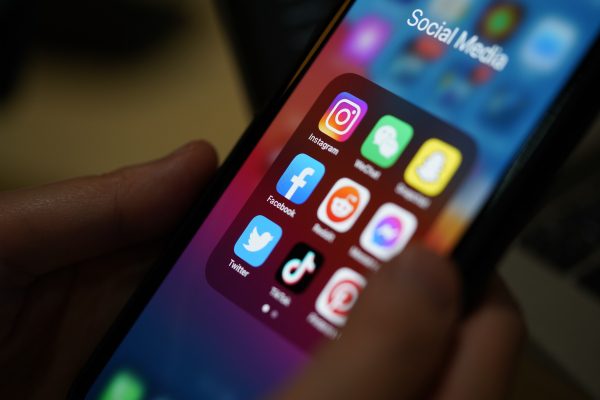
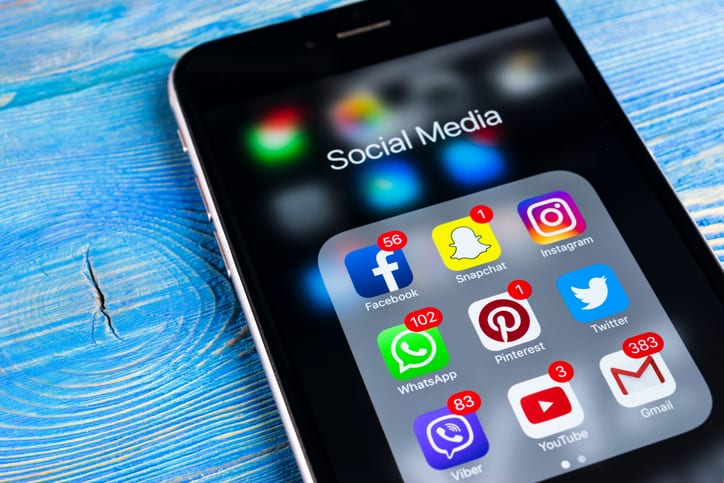
social media

Diversify Your Social Media Presence:

One of the big challenges of ecommerce marketing is figuring out what social media platforms work best for certain markets. You won’t want to pour all of your resources into one or two social media platforms, only to realize that they are ineffective for your e-commerce site. Instead, diversify. Establish a presence on several social channels and use analytics to determine which platforms are successful and which aren’t. Finally, ditch those that don’t work and focus on those that do.

Create Original Content:

Some companies will use existing content because they want to focus more on other business tasks. However, unique content is much more likely to have an impact on potential customers. Creating original content will help improve engagement with prospects, and bring more potential customers to your e-commerce page. Additionally, you can use the content you create to teach consumers about your products and services.

Personalize Your Content:

Personalizing content, such as the emails you send to your leads, can contribute to an increase in revenue. This is because content will be more engaging if you address the lead by name, and tailor content to meet their needs by using collected information. If it feels like you’re actually writing to your leads, and not just sending out advertisements to everyone on your email list, you’ll be more likely to capture their attention and improve your odds of conversion.

Similar Article: Improve Your Marketing Strategy By Asking These 4 Questions

Implement A Loyalty Program:

As focused as you may be on finding new customers, don’t forget about your existing customers. The majority of your revenue will come from regular customers. Regular customers are important because they are more likely to act as brand ambassadors that can help drive more potential customers to your site. Implement a loyalty program that rewards them for their business. This can include offering special promotions based on their purchase history, or offering some sort of reward point program.

Optimize For Mobile Use:

Many customers shop for products and services on their mobile devices, such as smartphones or tablets. It’s also how they consume content and engage on social media. If your e-commerce site isn’t optimized for mobile use, you will miss out on a significant number of potential customers.

 Automate Social Networks:

To successfully leverage social media and bring in more customers, you’ll need to have much more than just a social presence. You’ll also need to engage on a regular basis by posting content regularly. Otherwise, followers will forget about you and your social presence will become irrelevant. However, this can be quite time-consuming, which is why you should automate some of your social media tasks. For example, you can use automation tools to post content at specific times based on your schedule.

Digital marketing is a must for any business that maintains an e-commerce site if they want to stand out. These are six marketing tips for ecommerce you should follow to improve your ability to attract and retain customers.

Inbound marketing will help you grow your business by attracting website visitors, converting them into leads and closing leads into customers
buyer persona

How To Implement A Customer Retention Program for Long-Term Success

Customer retention program that allows you to continue to engage with existing customers so that they will continue being your customer. Inbound marketing is a very involved, long-term strategy that businesses put a lot of time and resources into – as they should. However, one of the issues that many companies have is that they focus so much on attracting new leads and nurturing them that once they finally close the sale, they act like they crossed the finish line. This is a huge mistake. The best customers aren’t the new customers, they’re the existing customers that continue to make purchases. In fact, it’s estimated that improving your customer retention by as little as five percent could potentially increase your profits by as much as 95 percent.

The following are a few tips on how to implement a successful customer retention program.

Regularly Ask For Feedback media mix

Ask for customer feedback, whether it’s about the quality of your products or services, their experience dealing with your customer service, what would make your service better, or even about the function of your website. You can do this via email (NPS surveys are great for this), social media, or even a feedback page on your site. Feedback lets you see where you stand with your existing customers.

If someone had a less than stellar experience, you can even reward them for providing you with honest feedback with a special promotional offer (thereby helping offset the less than stellar experience and hopefully showing them that you’re taking their feedback seriously). Not only are you showing customers that you want to know how their experience was, but it actually provides you with a lot of insight into how you can improve the customer experience to increase customer retention in the future.

Establish A Customer Loyalty Program

A loyalty program is one of the best ways to retain customers, yet many small businesses don’t have one. There are many ways that you can implement a loyalty program. You can provide discounts or free shipping based on how many purchases they’ve made or you can establish a rewards program based on points earned for purchases that they can use towards other products or services.

Similar Article: How To Develop Content To Build Customer Loyalty

Provide Live Chat On Your Website

While a chatbot can be helpful as well, having a live chat feature on your site will allow your customers to speak with an actual human. You can choose what pages to have your live chat box appear, such as your customer support page or your client login page. By offering this feature, you greatly improve the experience your customers have since they’ll be able to ask questions or report any issues that they might be having without having to wait to speak with someone.

Follow Up On Dormant Customers

Pay attention to customers who haven’t made a purchase in a while. Make sure you follow up with these customers just to keep your brand on the top of their mind. For example, you could email them an offer on a product that they bought before to encourage them to buy it again. Or send them content that can enhance the use of your product or service.

Customer retention programs are essential to the success of your marketing efforts. Without customer retention programs, you’ll end up losing the customers that you spend so much time and effort obtaining. These are a few tips on how you can implement effective customer retention programs into your marketing strategy.

Free Marketing Consultation

Simple Ways that Small Businesses Can Use Data to Build Better Customer Relationships

In this day and age, it’s pretty difficult for consumers to not be inundated with dozens of advertisements. As such, targeting your audience has become more important than ever, especially when it comes to running a smaller business. The most effective way to target your audience is to make use of the consumer data that you have access to. Knowing how to use the data you have can go a long way towards building customer relationships.

However, having consumer data is a lot different than knowing how to make it actionable, which can make the data you have very intimidating. The following are the three steps that you should take to so that you can leverage your data to build strong customer relationships:

1. Organize

Collecting data is the easy part. You can obtain valuable customer data from a variety of sources, including your opt-in forms, customer surveys, and even by simply asking direct questions on social media. Organizing this data is another matter. You’ll want to use the data you’ve collected to segment your audience based on shared traits. For example, you could organize your customers by their location, by their level of engagement, or by their purchase behaviors. This allows you to personalize your content much more and is especially helpful for strategies such as email marketing.Customer Relationships

2. Find Insights

When organizing the data you’ve collected, you can find insights into your customers that you may not have noticed before.  If you’re segmenting your audience by location, you may find that a significant part hails from one area you didn’t know about. For instance, say you’re based out of Chicago and you sell winter clothes. You may have been focusing mostly on marketing your products to the midwest. However, from the data you’ve collected, you may find out that you actually have a significant amount of customers located in the NYC area. You can use this information to your advantage to increase your reach. One way would be by sending content to these customers based on their time zone. You could create content that’s more relevant to them, or even consider opening a store in the area.

3. Use Visuals

When leveraging the insights you’ve gathered into your customers from the data that you’ve collected and organized, you should strongly consider creating more visual content. While written content can be effective as well, it’s worth noting that the human brain processes imagery 60 times faster than it’s capable of processing text. If you want to take advantage of those insights, you should create more visual content. Even adding pictures to your written content can be extremely helpful when it comes to engaging your audience.

One of your main marketing goals should be building better customer relationships. To do this, you need to make effective use of the customer data that you already have access to. Use the customer data that you’re constantly collecting by organizing it and gathering insights based on it. Then leverage it to your advantage by creating visually engaging content.

Integrating Social Media & SEO Efforts For Enhanced Search Engine Results
Omnichannel Personalization

Omnichannel Personalization: Creating a Seamless Customer Experience

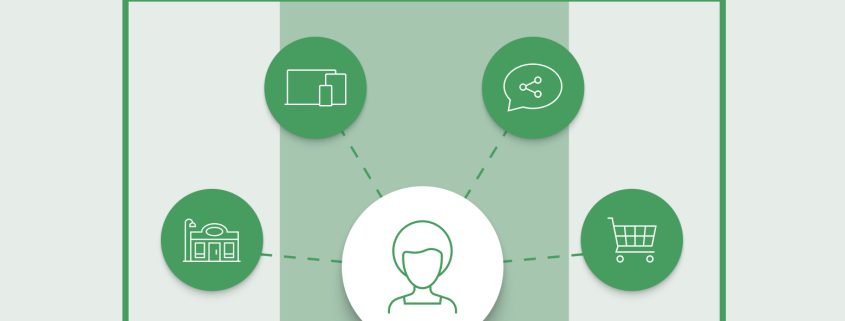
As customers become more connected, their expectations for a seamless and personalized experience continue to change. Nowadays, customers use multiple channels to research, compare, and purchase different products, creating a complex web of touchpoints that businesses must navigate. That’s where omnichannel personalization comes in to help businesses deliver unique experiences to each customer, regardless of where they are in their customer journeys.

In the sections below, you’ll learn more about omnichannel marketing and personalization, including tips for creating a seamless customer experience that drives loyalty and revenue.

Understanding Omnichannel Personalization 

Omnichannel personalization is a customer-centric marketing approach that uses data and technology to create a more personalized and relevant shopping experience for customers. It involves collecting and analyzing data from multiple channels, including online and offline interactions, to gain insights into customer behavior and preferences.

This marketing approach enables businesses to create a consistent customer journey that meets varied and unique customer expectations. By providing a more personalized experience, businesses can increase customer loyalty, reduce churn, and drive more revenue.

What Makes Up Omnichannel Marketing and Personalization 

Over the years, disruptive technologies such as Machine Learning, big data, and data science have given rise to hyper-personalization. Here, businesses are expected to deliver cross-channel experiences tailored to the customers’ needs, behaviors, and preferences. Below are the key factors you should implement if you are looking to provide the best possible customer experience.

1. Marketing Automation 

Marketing automation involves using software to automate repetitive tasks such as social media posting and email marketing. It saves time and helps provide a more personalized experience for customers. Benefits of marketing automation include increased sales productivity and a reduction in marketing overhead.

Companies using marketing automation to nurture prospects see a significant increase in qualified leads, which results in larger purchases. A survey by Annuitas Group found that businesses that use marketing automation see up to a 451% increase in qualified leads. These leads also make purchases that are 47% larger than the non-nurtured leads.

2. Customer Data Collection 

Collecting relevant customer data is crucial to refining your marketing strategy and improving the customer experience. This data can be quantitative, like website bounce rates, or qualitative, like customer reviews. With the right analytics tools, you can gather information about demographics, customer behavior, and brand sentiment.customer data collection

Customer data collection helps retailers better understand their customers and provide an omnichannel experience. To do this effectively, you need a robust customer data platform to gather, store, and analyze the available data.

3. Optimized Website Design

When optimizing your website design, you should create web pages that work well on mobile devices, tablets, and desktops. If your website isn’t responsive, it won’t display properly on smaller screens. Always ensure that your website provides a consistent experience to every customer, regardless of which device they use to view it. You should also prioritize website navigation design to ensure users can easily browse your website, find what they’re looking for, and easily make purchases.

4. Social Media Integration

As the name suggests, social media integration extends your marketing efforts by directing your social media followers to your website or app. It’s also a way of making your social platforms more accessible to your target audience and customers. Brands must integrate all their customers’ social media networks into their omnichannel setup.

Ecommerce brands, for instance, can use social media integration tools to import and display user-generated content on their ecommerce sites automatically. This can help build trust with potential customers and drive conversions.

5. Multichannel Analytics

Multichannel analytics is a process that merges data from different sources into a single location. This makes it easier for businesses to monitor sales across multiple channels. For instance, if a business owner owns three online stores, they can aggregate the data from each store into one location with the help of multichannel analytic tools.

By doing so, they can understand their customers and their behavior on the website, which can help them plan effective promotion campaigns that are more likely to convert. Multichannel analytics also allows businesses to track the effectiveness of their omnichannel marketing strategy, so they can optimize performance while reducing cost.


Website Redesign Checklist
New call-to-action


Benefits of Omnichannel Personalization 

Personalizing customer experiences and prioritizing their needs and expectations can greatly impact your business. Below are some of the key benefits of embracing a customer-centric marketing approach.

1. Enhanced Customer Experience 

Omnichannel marketing enables businesses to offer customers personalized experiences tailored to their preferences and behaviors. By leveraging data from multiple touchpoints, brands can send customized messages, showcase relevant products, and provide exceptional customer service. A seamless and personalized experience boosts customer satisfaction and improves loyalty.

2. Increased Sales and Conversions  

Personalized customer experiences increase the likelihood of converting prospects by providing relevant and timely interactions. By catering to each customer’s unique preferences, businesses can improve the customer journey and encourage purchases. Omnichannel marketing and personalization have been shown to increase annual sales and customer lifetime value, directly boosting business growth.

3. Lower Customer Acquisition Costs

Creating a personalized omnichannel experience helps retain customers and reduces customer acquisition costs. By providing relevant interactions, businesses can increase customer loyalty and target their advertising spending more efficiently. This approach helps companies optimize their marketing budget and reduce the cost of acquiring new customers.

4. Cost Optimization

By analyzing customer behavior data, brands can identify the most effective channels to reach their target audience. With this knowledge, businesses can optimize their marketing stack, streamline processes, and reduce costs associated with operating multiple channels. Omnichannel personalization helps to optimize resources, reduce waste, and ensure efficient use of budgets while delivering a seamless customer experience.

Getting Started With Omnichannel Personalization 

Implementing an omnichannel marketing strategy is a complex process requiring technological and organizational alignment. To get started, you need to get buy-in from top management, set measurable goals, and build a strategy around those goals. You should also conduct a data inventory to understand the available data and how to use it to achieve your objectives. Additionally, it’s important to establish an internal governance model for executing your omnichannel strategy before creating a roadmap.

To simplify the implementation process, you can start small by focusing on the most valuable use cases and existing touchpoints. This approach is more practical and essential as the boundaries between the digital and physical worlds continue to merge. By taking small, manageable steps towards omnichannel personalization, you can gain a competitive edge and improve customer experience across all touchpoints.


Free Marketing Consultation


visual storytelling

5 Brand Storytelling Examples To Learn From

Your brand identity goes beyond your name, logo, and the products or services you provide. A brand identity is all-encompassing: it also includes your goals, your beliefs, and the feelings you elicit from your audience. To create a strong brand identity, you need to create a narrative that’s consistent across all channels. This is where brand storytelling comes in. Brand storytelling involves using storytelling techniques that bring together both facts and emotions to create your brand identity. The following are five brand storytelling examples that you should use as inspiration to help create and drive your own brand story:

1. Apple

Apple is arguably one of the greatest examples of successful marketing in the history of marketing. They were able to capture a small corner of a market dominated by Microsoft and, through the use of incredibly effective brand storytelling, turn themselves into a behemoth. Knowing that they were up against Microsoft, Apple decided that their message would be to go against the grain. They would position themselves as a revolutionary innovator. Their “think different” tagline showcases this, as does all of their other advertising. Their most famous ad is the most obvious example: the 1984 ad in which a woman defiantly smashes the screen with a sledgehammer.

How to Share Your Message With A New Brand Strategy

2. Ikea

Ikea has built its brand on the functionality and simplicity of its products, which they showcase using lighthearted humor. Their most famous commercial “Lamp” highlights this. It’s a commercial showing an old lamp being replaced and being thrown away. It’s a sob story until a narrator shows up to exclaim that the viewer is crazy to feel bad about the old lamp since it doesn’t have feelings, and the new one is much better. It gets a great laugh and emphasizes the need to update old products with newer, higher-quality versions.Brand Storytelling

3. Old Spice

Old Spice used to be a brand associated with older men. The word “old” certainly didn’t help. They altered their brand storytelling to emphasize that the scent of old spice was how men should smell. They used humor and great writing to convey this, but what made the storytelling particularly effectively was that they didn’t target men — they targeted women. Old Spice essentially focused on delivering a message to women about how their men should smell, so that they could influence men on Old Spice’s behalf.

4. SoulCycle

What’s interesting about SoulCycle is that it basically consists of a class full of people riding exercise bikes. That’s it. There’s nothing more to it. But their brand storytelling has lifted this simple service into something much greater. They have positioned themselves as a high-end fitness service that’s not just a service, but a lifestyle. This lifestyle includes the use of teachers who are essentially fitness influencers and classes that are almost club-like in their atmosphere. Members feel like they belong to a community, not a gym. Without their incredibly effective brand storytelling, you could argue that they would be a glorified gym with limited equipment.

5. Warby Parker

Warby Parker is a frame manufacturer that has positioned itself as a company that sells fashionable frames at reasonable prices. Their storytelling focuses on how they build their frames and on the customers that buy them. In fact, much of their content is user-generated, which helps emphasize that they are frames built for everyone. Their message gets across because they keep their brand storytelling simple and focused.

These are a few brand storytelling examples to keep in mind when crafting your brand story strategy. Successful brand storytelling will strengthen your company’s identity, thereby making it easier to evoke an emotional response from your audience and to build long-lasting connections with them. By implementing an effective brand storytelling strategy, you’ll be more likely to increase your company’s visibility, impact, and — eventually — profit.

Learn The StoryBranding Process

What’s Trending In Marketing For August 2023

Hello and welcome to our August 2023 edition of “What’s Trending,” where we bring you the most relevant marketing news and insights. This month, we dive into the revival of an infamous fast food mascot and explore current trends to watch out for in the summer of 2023. Stay informed and ahead of the game with our curated collection of marketing updates and reports.

Noteworthy Marketing News


Quiznos eyes comeback as they bring back Spongmonkeys mascots. 

In a new ad campaign from the famed sub sandwich company plans to bring back the creepy corporate mascots, the Spongmonkeys. After years of decline and a 2014 bankruptcy, Quiznos is making a comeback by franchising new locations. The quirky rodent-like characters aim to revive the brand’s popularity. With just over 150 locations left, Quiznos is determined to regain its place in the restaurant industry and attract customers with the nostalgic return of the Spongmonkeys. Read more here. 

Twitter loses almost half of advertising revenue since Elon Musk takeover.

Since Elon Musk’s $44bn acquisition of Twitter in October, the platform has faced a substantial 50% drop in advertising revenue. The company’s anticipated sales growth in June did not materialize, though July showed some promise. Musk’s cost-cutting measures, including laying off about half of Twitter’s staff, aim to address the platform’s struggles. Meanwhile, rival app Threads has gained traction with an estimated 150 million users, while Twitter grapples with heavy debt and negative cash flow. Despite challenges, Musk aims to turn the platform around. Linda Yaccarino, the new CEO, emphasizes video, creator, and commerce partnerships to boost ad sales. However, the road to recovery may be prolonged due to pre-Musk revenue declines and competition. Read more here.

Netflix scraps low-tier ad free plan.

Netflix’s ad-free $9.99/month basic plan is being discontinued in the US and UK, impacting both new and returning members. However, existing users have the option to keep their current plan until they decide to cancel. Alongside this move, Netflix is introducing a new $7/month plan with commercials. This decision is part of the company’s strategy to diversify its revenue streams and remain competitive in the rapidly evolving streaming market. Notably, Netflix’s recent emphasis on its ad-supported tier has yielded positive results, attracting nearly 5 million monthly users and creating an enticing opportunity for advertisers. Read more here.

Improving Your Marketing Program 


Core Difference Between Buyer Journey vs. Customer Journey.

Discover the core difference between the buyer journey and the customer journey in this insightful article. Uncover the stages consumers go through before making a purchase decision and how businesses can nurture relationships post-purchase to build brand loyalty and create brand ambassadors. Learn valuable strategies to engage customers and ensure the long-term success of your business. Don’t miss out on these essential insights! Click here to read the full article.

The Importance Of Lead Generation Content Marketing.

Learn the power of lead generation content marketing in boosting your business growth and attracting potential customers. Discover how to create compelling content that converts prospects into loyal leads, standing out from tough competition. Quality content with specific purposes and formats, along with consistent publication, helps build trust and credibility with your audience. Don’t miss this opportunity to transform your company’s online presence. For a consultation, visit the link below and take the first step towards a successful content marketing strategy. Click here to read more.

8 Reasons to Invest in OTT Marketing.

Discover the top 8 reasons to invest in OTT marketing. With close to 200 million streaming viewers expected in the next few years, OTT advertising reaches a massive audience. Target your audience more effectively using GPS and behavioral data. Unlike traditional TV ads, people engaged in streaming content are more likely to watch entire ads. Personalized OTT ads improve engagement and yield better data on viewers. Flexible campaigns allow real-time adjustments for improved results, and A/B testing helps fine-tune your strategy. Paying for ad views, OTT ads offer a cost-effective and high ROI approach to complement your inbound marketing efforts. Read more here. 

Recent Marketing Reports, Updates, and Trends


As we enter the peak of summer ’23, the advertising realm is abuzz with thrilling trends. Artificial intelligence continues to transform content creation with innovative and easy to use tools such as, chatGPT and Jasper.  Among Gen Z, Instagram Reels reigns supreme as the favored social medium, offering brands an avenue to showcase authenticity and engage viewers. Short-form videos dominate summer marketing campaigns, while Influencers maintain their impactful role in fostering genuine connections. These are just a few of the key trends shaping the industry this season. To discover more about these trends and beyond, explore the full article here.

How does ‘Estimated read time’ in your meta description impact SEO?

In a recent poll by Search Pilot, the impact of adding “estimated read time” to meta descriptions was examined. While many believed it wouldn’t affect organic traffic, some thought it could be positive. However, the majority’s prediction was correct, as the display of estimated read time had no noticeable impact on site traffic. This finding highlights the importance of SEO testing and being cautious when following competitors’ actions. The article showcases the significance of user polls in understanding marketing trends. Read more here. 

Hootsuite’s Social Media Trends 2023.

The 2023 social media marketing landscape presents challenges due to economic uncertainties. Despite this, social media marketers enjoy increased budget and autonomy, as the profession matures. Successful marketers will carefully assess opportunities and consider long-term impacts in their strategies. The 2023 social media trends report offers valuable insights to navigate this defining year in the industry. Embrace these trends to optimize marketing strategies amid the evolving social media landscape. Read more here. 


Free Marketing Consultation


Keys Successful Price Reduction Strategy

There are many reasons why you might be thinking about reducing the prices of a product or service. There are usually two main reasons: the product or service isn’t selling as well as you had hoped, or you’re looking to increase your customer base. A price reduction can help interest potential customers who may not have been interested before. However, if you plan on cutting prices, you need to implement effective price reduction strategy marketing.

Why is Price Reduction Strategy Marketing Important?

There are two critical reasons why you can’t just slash prices without a price reduction marketing strategy in place. First of all, nobody will know about the price change. Secondly, you don’t want those who do know to make the wrong assumptions about why you are changing the price.

Generating Awareness Of Your Price Reduction

If you don’t market the fact that you’re reducing your prices, nobody will know about it. This then defeats the purpose of lowering your prices in the first place. For example, if you are reducing the cost of a product because it isn’t selling well, then it’s still not going to sell well if nobody is aware of the price cut.

Informing Customers Why You Are Reducing Prices

If people don’t know why you cut prices, they will make assumptions. This can hurt your brand image. For instance, some customers might think that you’re discontinuing a product and are trying to get rid of the last of what you have left. Customers don’t want to buy a product if a newer version is coming out soon after.

What Are The Keys To Effective Price Reduction Strategy Marketing?

When you cut the price of a product or service, you should have a goal in mind. After all, why else would you reduce prices? Whatever your goal might be, you’ll want to keep it in mind as you develop your marketing strategy. A good price reduction marketing strategy should include the following:

  • Provide A Reason

If you don’t justify your price cut, your target audience may become skeptical about why you’re doing it. You need to have a good reason. For example, maybe you’re just having a sale to reward your customers. Or maybe it’s an ethical reason (such as temporarily lowering prices during the COVID-19 pandemic). If you’re permanently reducing the price, you should provide an explanation as well.

  • Research Your Competition

If you’re trying to price your product more competitively, then you should do some competitive research. How much are your competitors charging for similar products or services? If you’re temporarily reducing prices, then you might want to make them even lower than your competition. Doing so can help you steal customers who are willing to try your product or service due to the low price.

  • Establish A Timeline

Is your price cut going to be permanent or temporary? If it’s temporary, you should market it as such. You’ll want to note exactly when you plan on reducing the price. You should also mention how long it will remain at that price point. This way, customers who want to take advantage of your price reduction won’t miss out. The last thing you want is for customers to not make the purchase because they didn’t know that your price cut was temporary.

  • Consider Your Buyer Personas

Consider how a price change will affect your buyer personas. You might not realize it, but reducing the price isn’t always the best way to increase sales. This is especially true if your buyer personas are on the wealthier side. These personas are likely looking for a premium product or service. If you lower the cost of your product significantly, it may lose the perception of luxury.

Why Are Buyer Personas So Important?

  • Focus On Features

One of the biggest mistakes that companies make is to focus solely on the price cut. While the price reduction will attract many customers, it’s not the main reason why they will make the purchase. It’s the features of your product or service. Focus on the features that make your product or service worthwhile. The features are what provide the real value, after all.

Implement A Successful Price Reduction Marketing Strategy Today

Reducing the price of your product or service can help you increase sales and your customer base. If you take the time to develop an effective price reduction marketing strategy, it will result in both a short-term impact and a long-term impact (even if you’re only reducing prices temporarily).

buyer persona guide for business
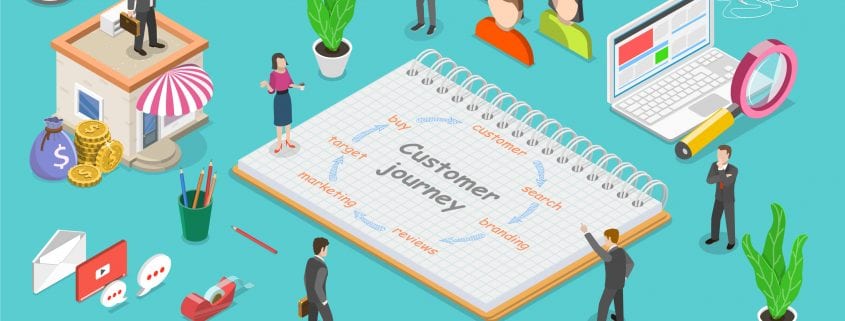
Customer Journey vs Buyer Journey

Core Difference Between Buyer Journey vs. Customer Journey

You’ve probably heard a lot about consumer lifecycles and the different terms used to describe said lifecycles, such as buyer journey and sales funnel. They can be a little overwhelming and a little confusing. You might even wonder why some terms seem to describe the same thing, such as buyer journey and customer journey. Don’t be fooled–the buyer journey is very different from the customer journey and it’s important that you know what the difference is. The following is a breakdown of the buyer journey vs. the customer journey.

The Buyer Journey

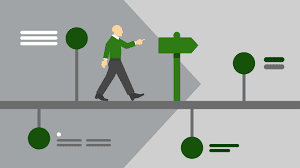
As we’ve previously discussed, the buyer journey makes up the stages that a consumer goes through up to their decision to purchase a specific product or service from a specific company. This includes the awareness stage, during which they realize that they have a problem; the consideration stage, during which they identify the solution to their problem; and the decision stage, during which they decide what product or service is the best solution to their problem.

The Customer Journey

During the buyer journey, the consumer doesn’t become a customer until the end of the very last stage (the decision stage). However, your relationship with your customers doesn’t end the moment they’ve made a purchase. The real success of a business depends on return customers, after all. This is where the customer journey comes into play.

During the customer journey, you should focus on further developing relationships with your customers through regular engagement. Building relationships will help to increase trust in your brand, which, in turn, will improve customer retention.customer journey

Read about How to Use the Buyer’s Journey to Create Great Content

But getting customers to purchase your products and services again isn’t the only goal. You’ll want to establish customer loyalty, which means that they will only buy those products and services from you–and, eventually, will turn to your company for whatever needs you can offer solutions to.

Nurturing Customers into Brand Ambassadors

Once you’ve managed to build that loyalty, you’ll be able to nurture that customer into a brand ambassador. Consumers tend to trust other consumers much more easily than they trust companies, which is why brand ambassadors offer so much value. Keeping all of this in mind, the following are a few tips to help you nurture your customers through their customer journeys:

  • Initiate engagement following purchases – It’s important that you initiate contact with customers as soon as possible following a purchase. Many businesses use automation to send emails thanking customers for their purchase and even recommending similar products (in an attempt to cross-sell or upsell).
  • Send them relevant content – Continue nurturing your customers by sending them emails with content that is relevant to their engagement history (including their purchases and website behavior). The content you send should be informative and should help improve their brand experience. For example, tips on how to use the product that they purchased or general content relevant to their purchase.
  • Request and listen to feedback – Send your customers surveys or request that they leave reviews. Listen to what they have to say. Customer feedback is valuable to improving your business and can help you improve your relationship with your customers as well.
  • Reward referrals – You can encourage your customers to become brand ambassadors by implementing a referral program. For example, you can offer a discount for every customer that they refer to you.

Also Read How Businesses Use Brand Ambassador Programs To Increase Brand Awareness And Trust

The difference between the buyer journey and the customer journey is that the buyer journey leads up to the purchase whereas the customer journey continues following the purchase. It’s important that you have strategies in place to accommodate consumers during both journeys to help ensure the success of your business.


Inbound marketing will help you grow your business by attracting website visitors, converting them into leads and closing leads into customers


lead generation content marketing

The Importance Of Lead Generation Content Marketing

Your company is struggling to generate leads, and you’re looking for a quick and relatively simple solution. I have this solution, but you’ll probably groan because you’ve heard it before. “Content is king” might be an overused term, but that’s only because it’s proven to be true. A foolproof solution to your lack of leads as well as website foot traffic is lead generation content marketing.Lead generation in content marketing can fuel your business growth and establish a strong customer base. Learn how to create compelling content that attracts and converts prospects, maximizing your marketing efforts.

Nowadays, the quality of your company’s content is more important than ever before. Granted, there is more space to generate content and share it on the Internet, but with increased space comes tougher competition. We as marketing agencies feel pressure to stand out from the pack with remarkable content that converts our website’s visitors into potential leads. Consistent, quality content will attract the attention of readers, as well as encourage them to trust your company.

So what exactly is “quality” content?

Quality content has a specific purpose, format, and topic. The purpose should help the users find an answer to their questions or interests. The format you choose should fit your content well. In order to attract more leads, the content in the conversion stage should consist mainly of content offers.

Also Read: Different Types Of Content Marketing For Lead Generation

Choose an appropriate format

The format of the content offers can be a multitude of things, such as case studies, white papers, forms, calls-to-action, visuals, eBooks, emails, and landing pages. For example, if you want to demonstrate to users how a product works, you might use the template of a visual, such as a video or an image, rather than an eBook. On the other hand, if you wish to show your readers a how-to process that is also aesthetically pleasing, an eBook format would work better than a visual one.

In terms of topics, your content should be educational as well as specific. You should conduct market research and create content with your buyer personas in mind. Imagine you are your buyer persona: what problems do you need solutions for? How far are you in the buyer’s journey? What language would you use when typing keywords into the search engine? This can help you cater your content towards your target audience.

Also Read: Cornerstone Content & Why You Need It

Be consistent

Another factor that makes content “quality” is frequent and consistent publication. If your readers know they can count on you to publish a semi-weekly blog in a specific time window, they are much more likely to see you as reliable. Webdam’s statistics show that blogging consistently has led to B2B marketers generating about 67% more leads marketers who do not, which is a huge advantage. After you’ve earned their trust, a number of your visitors will subscribe to you and convert to leads.

Lead generation content marketing is a proven way to get the word out about your company and have potential customers become interested in your business. Without good, consistent content, people will have little reason to visit your website or truly believe that you’re a leader in your field. Don’t let this happen to you. For a consultation, please visit the link below.

Inbound marketing will help you grow your business by attracting website visitors, converting them into leads and closing leads into customers