lead generation content marketing

The Importance of Lead Generation and Content Marketing Agencies

Your company is struggling to generate leads, and you’re looking for a quick and relatively simple solution. I have the solution, but you’ll probably groan because you’ve heard it before. “Content is king” might be an overused term, but that’s only because it’s proven to be true. A foolproof solution to your lack of leads as well as website foot traffic is lead generation content marketing.

Importance of Lead Generation and Content Marketing Agencies

Nowadays, the quality of your company’s content is more important than ever before. Granted, there is more space to generate content and share it on the Internet, but with increased space comes tougher competition. We as a marketing agency in Illinois, feel pressure to stand out from the pack with remarkable content that converts our website’s visitors into potential leads. Consistent, quality content will attract the attention of readers, as well as encourage them to trust your company. Content marketing agencies can also help you create effective content marketing strategies and manage your content channels.
A GUIDE TO EFFECTIVE MOBILE MARKETING TECHNIQUES

So what exactly is “quality” content?

Quality content has a specific purpose, format, and topic. The purpose should help the users find an answer to their questions or interests. The format you choose should fit your content well. In order to attract more leads, the content in the conversion stage should consist mainly of content offers.

Also Read: Content Marketing Misconceptions

Choose an appropriate formatContent_Marketing_Agencies 2

The format of the content offers can be a multitude of things; such as case studies, white papers, forms, calls-to-action, visuals, eBooks, emails, and landing pages. For example, if you want to demonstrate to users how a product works, you might use the template of a visual, such as a video or an image, rather than an eBook. On the other hand, if you wish to show your readers a how-to process that is also aesthetically pleasing, an eBook format would work better than a visual one.

In terms of topics, your content should be educational as well as specific. You should conduct market research and create content with your buyer personas in mind. Imagine you are your buyer persona: what problems do you need solutions for? How far are you in the buyer’s journey? What language would you use when typing keywords into the search engine? This can help you cater your content towards your target audience.

Similar Article: A Brief Guide to Sales Lead Generation

Be consistent

Another factor that makes content “quality” is frequent and consistent publication. If your readers know they can count on you to publish a semi-weekly blog in a specific time window, they are much more likely to see you as reliable. Webdam’s statistics show that blogging consistently has led to B2B marketers generating about 67% more leads marketers who do not, which is a huge advantage. After you’ve earned their trust, a number of your visitors will subscribe to you and convert to leads.
Lead generation content marketing is a proven way to get the word out about your company and have potential customers become interested in your business. Without good, consistent content, people will have little reason to visit your website or truly believe that you’re a leader in your field. Don’t let this happen to you.


Conclusion:

Effective lead generation and consistent, high-quality content marketing are essential for building trust, attracting the right audience, and driving business growth. Partnering with an experienced inbound marketing agency can make all the difference, helping your brand stand out, deliver real value, and convert visitors into loyal customers. Contact us at 630-627-5200 today for a free consultation and discover how we can make things happen for your business.

email personalization strategy

Ways You Can Improve Your Email Personalization

Email marketing is one of the time-tested marketing strategies used by many businesses. And while it’s popular, many business owners and marketers struggle to get their email marketing campaigns to deliver the desired results. For many, their emails often go unnoticed or ignored by their audience. If this is the case, you’re not alone. The vast amount of emails people send and receive daily means that it’s easy for your message to get lost in the shuffle. And that is where email personalization comes in.

By tailoring your emails to each recipient, you can ensure your message stands out and grabs their attention. In a recent McKinsey report, 71% of consumers expected businesses to offer personalized communication, and 76% said they would likely feel frustrated if this didn’t happen. So, let’s discuss email personalization and explore effective ways to implement it in your marketing strategy.

email personalization

What is Email Personalization?

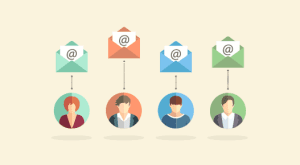
Email personalization is a powerful marketing technique that allows businesses to connect personally with their customers. It involves using subscriber data to create tailored email content that speaks directly to each recipient. This can include anything from addressing the recipient by name to sending personalized recommendations based on their shopping preferences.

The goal is to make the email more relevant and engaging for the recipient, increasing the likelihood that they will open it, read it, and take action. Personalizing emails also means sending out relevant, timely, and irresistible content to the recipient. This helps businesses improve their relationship marketing strategies, deliver value and drive more sales.

Why Personalize Your Emails?

Email marketing is an essential tool for businesses of all sizes, but it doesn’t always yield the expected results. This is especially true if you fail to personalize the emails to connect with the audience more deeply. Here are some reasons you should consider personalizing your emails.

  • It increases email’s open rates. Personalizing your emails, especially the subject line, can significantly increase the open rates. Making your emails more personal will make a better first impression and encourage more people to open up and engage with your content.
  • It drives engagement. When you personalize your emails, you’re showing your subscribers that you value them as individuals. This can build trust and encourage engagement with your brand. By providing a personalized experience, you’re more likely to foster long-term customer relationships.
  • It boosts your revenue. One of the most compelling reasons to personalize your emails is that it can increase revenue. People are likely to spend money with businesses that appreciate them and provide a personalized experience.

Email Personalization Strategies 

Now that you know the benefits of personalizing your email marketing, let’s explore some common strategies you can implement. It’s worth noting that personalization is the future of digital marketing, and now is the time to rethink how you communicate and interact with prospects. Here’s how you can make email personalization work for you.

Use Segmentation 

Customer segmentation is the foundation of most personalized email marketing strategies. It involves grouping subscribers or prospects into segments based on shared characteristics, such as gender, location, or organizational role. Using the data collected to segment subscribers, you can make each email seem like it was written specifically for them.

segmentation

To collect segmentation data, you must create an email sign-up form that is quick and easy to fill out. You must also collect useful information such as demographics, email frequency preferences, psychographics, etc. Additionally, you can use interactive elements and surveys to collect more data and refine your messaging to contacts. Integrating your email marketing tools with your CRM can also offer timely insights. This can help you send targeted messages based on what your subscribers do online.

Use Triggered Emails 

Triggered emails fall into the category of behavioral marketing and are a great way to make subscribers feel like you know them. You can send these emails based on subscribers’ actions, such as abandoning a cart, registering for an event, or changing profile information.

To make the most out of triggered emails, you want to send them at important moments, such as when a customer engages with your product or reaches a personal goal. You can also add subscriber tags to segment and target subscribers based on their actions. This will help you send relevant messaging to your contacts as their interests and needs change.

Use Personalized Content 

When your emails feel like they’re coming from a friend, subscribers will be more likely to engage with your brand or content. To achieve this, you should make your email copy friendlier. You should also avoid jargon and use language that your customers will understand and relate to.

Another way to add personality to your emails is to use humor. Humor is an excellent icebreaker and can help to establish a rapport with your prospects. By injecting a little humor into your emails, you can create a relaxed and enjoyable experience for your customers.

But personalization goes beyond just being friendly and personable. It also means being relevant. You need to use the data you gather about your customers to craft content tailored to their interests and needs. By sending them relevant information, you show that you care about their needs and are committed to providing value.

Use Dynamic Content

Another way to take your email marketing to the next level is to use dynamic content. With dynamic content, you can personalize certain parts of your email to resonate with specific recipients. That means different people will see different content based on their interests or preferences.

The beauty of dynamic content is that it allows you to deliver the right message to the right subscriber at the right time. Remember, displaying the content your subscribers are interested in can improve engagement and drive more conversions.

Send Emails from a Person

If you want to make a real impact with your email marketing, it’s time to start sending emails from a person, not just a business. Research shows that people trust and engage more with emails from a real person than a faceless corporation.

Using a real person’s name and photo in the “From” field can add a personal touch to your emails that will help your business stand out from the competition. Several companies have tested this strategy, and it’s proven to work. It’s also a simple yet effective way to build trust and engagement with subscribers.

Get Started Today 

In today’s digital marketing age, email communication is prevalent, and personalization is often the key to effectively connecting with consumers. Personalizing your emails increases open rates, drives engagement, and boosts revenue. The strategies we highlighted above can help you deliver value more effectively while establishing long-term customer relationships.

Ready to take your email personalization to the next level? Contact our marketing strategy consultancy today to learn how we can help you craft targeted campaigns that resonate with your audience and drive results. Let us help you unlock the full potential of your email marketing efforts!

Contact us or call us at 630-627-5200

Website Redesign Process

Learning from the Best: 10 Examples of Great Website Design 

Building a website is simple. But designing a website that meets all the modern web design requirements and works for your unique customers and business is challenging. Most companies create compelling websites but end up sacrificing performance or the user experience. Others prioritize simplicity and convenience but end up with poorly optimized sites. In the sections below, you’ll explore 10 examples of great website designs to inspire your creativity the next time you design a website.

10 Examples of Great Website Design

1. Dropbox


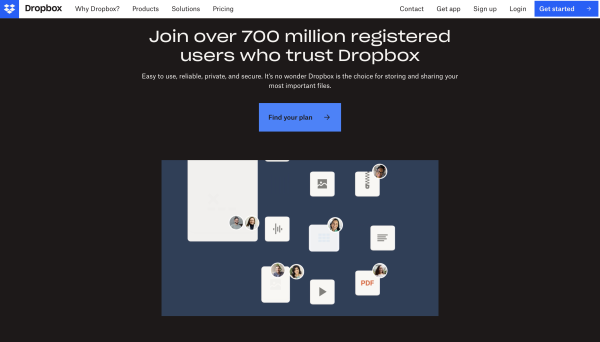
If there’s one website that has done a great job designing a super rsponsive website, it’s got to be Dropbox. This cloud storage and file hosting company has made sure that every site visitor, regardless of the device they use to access the site, enjoys the best navigation, graphics, and content.

Every aspect of the site design, from the font color to the navigation buttons, has been carefully customized for every device, ensuring compatibility and interactive experiences for the varying screen sizes.

For instance, on the desktop, a small arrow directs users to scroll down for more content, helping to minimize the bounce rate. However, this is absent on the mobile version, as users are more likely to scroll down easily.

2. Freshbooks


Freshbooks is an accounting website with one of the best homepage designs, thanks to the simple and minimalist copy, inspiring visuals, and the strategic use of white space in web design. The site also uses a perfect blend of colors with easy-to-spot CTA buttons. There’s also a well-organized navigation system that makes it easier for first-time site visitors to find solutions to their complex accounting problems.

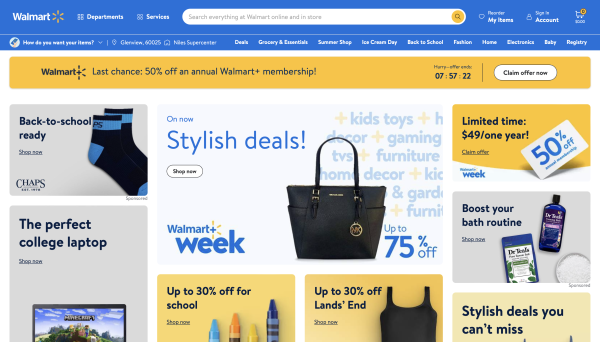
3. Walmart


Walmart is one of the leading online marketplaces offering a one-stop shopping experience. The retail giant has prioritized convenience by streamlining the checkout process. Once you’ve selected the items you want to buy, you won’t be taken to a new checkout page. Instead, an on-page checkout sidebar allows you to complete your shopping without even signing up. A cart storage option saves your cart for up to three days if you forget to complete the checkout process or are distracted while on the site.

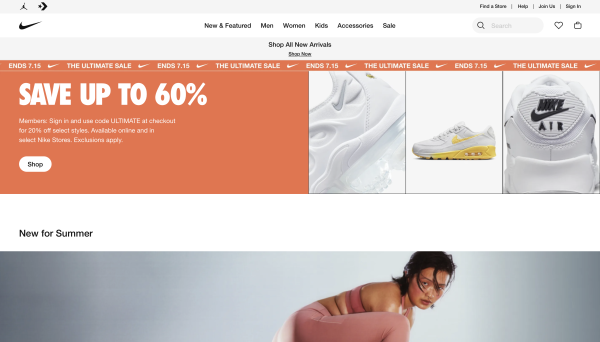
4. Nike


Nike is one of the leading sportswear companies whose success is rooted in simplicity and convenience. The same is reflected on its website, which prioritizes a minimalist design and easy navigation. Nike’s checkout process, for instance, is one of the simplest yet super interactive. If you enter the correct information during checkout, a green checkmark appears, allowing you to continue shopping.

There’s also an auto-fill address feature that saves you time during checkout. By simplifying the time-consuming steps and focusing on web design principles that boost conversions, Nike has successfully attracted and even retained more converting prospects.

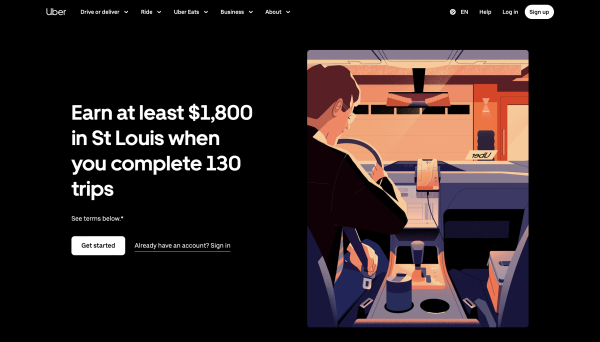
5. Uber


Uber falls into the category of companies that prioritize their homepage design, and it’s obvious why. Imagine landing on the Uber website and reading through needless copy, images, or videos before requesting your ride. Now think of a ride-sharing or service company that has made its home page simple, straightforward, and effective. You need to choose what you want, and you’re directed to the service almost instantly without going through the tedious sign-up process.


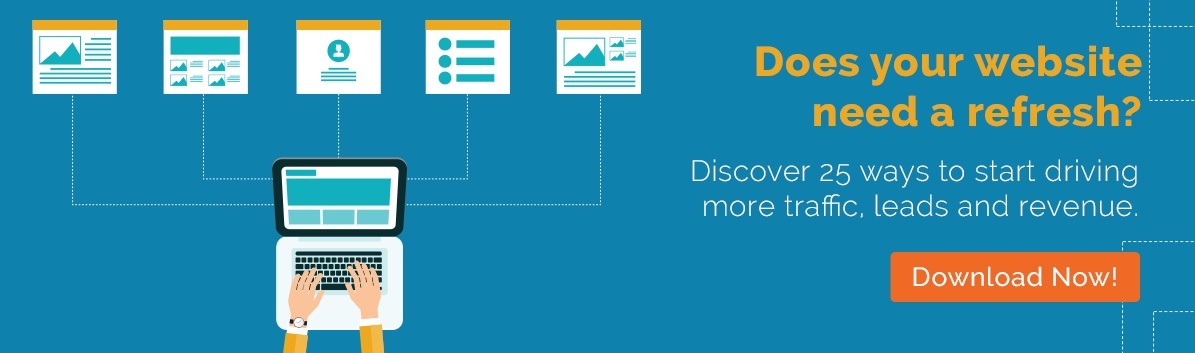
  25 Website Must Haves For Driving Traffic, Leads & Sales


6. Wired


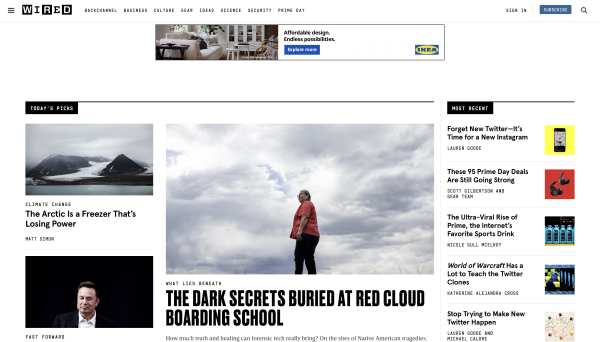
WIRED, a leading technology magazine and online publication, is among the many sites that have done a lot to improve the user experience. When you browse through the site using a PC or desktop, you’ll find multiple columns and a handy sidebar, but switching to your mobile transforms into a single column for smooth navigation.

The company also pays keen attention to details, such as adjusting image ratios to fit perfectly on each device. And for even more simplicity on mobile, they’ve combined search and newsfeed filter icons into one button.

7. Slack


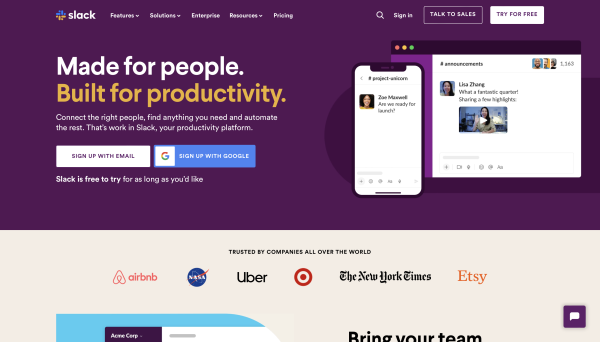
Slack is a business messaging app that’s been in the market for nearly a decade. The brand is known for its focus on simplicity, and they have successfully made it one of their competitive advantages. Slack has ensured that its site is easy to access and navigate, no matter the screen size of your device.

You’ll see customer logos in a neat three-column layout on a computer. But they have switched it to a single-column design on mobile phones for better viewing. And their call-to-action buttons? They span the whole column on tablets and mobiles, so you won’t accidentally click something else.

8. Shopify


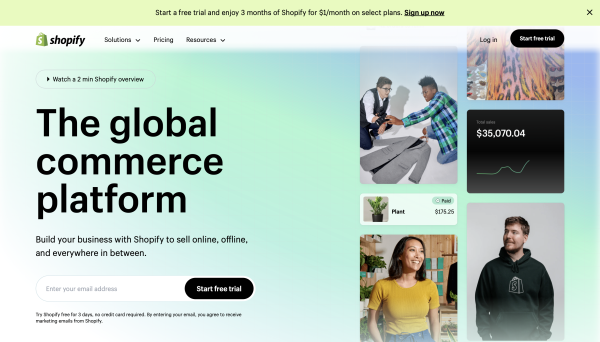
Shopify has built a reputation as one of the leading e-commerce website builders thanks to its robust features, comprehensive support, and intuitive user interface. The Shopify website is one of the few that has managed to strike a delicate balance between site consistency across devices and enhanced user experience.

If you access the official Shopify website from a desktop or phone, you’ll find that most things remain unchanged except for the CTA buttons and a few menus. Additionally, Shopify is among the few sites that enjoy impressive web page speeds despite using graphics-intensive image carousels.

Also Read: 3 Helpful Tips To Improve Your CTAs To Generate More Leads

9. IBM


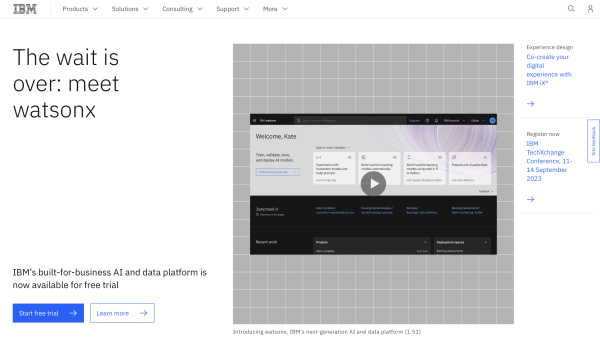
As one of the leading technology companies, IBM has set an excellent example for companies looking to create a fully-immersive site experience. The company has gone the extra mile to make its site not only responsive but also interactive, unique, and modern.

When you land on IBM’s homepage, you’ll be greeted with a responsive background, interactive videos, and a bold CTA. And while the IBM website is far from simple, it has incorporated complex design tools, from AI features to game-like functions, to create an immersive site experience.

10. Airbnb


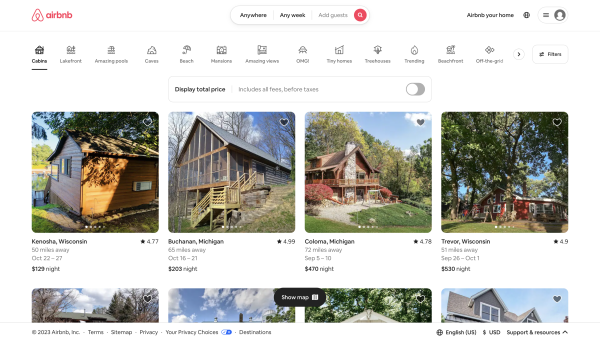
Airbnb uses some of the best design strategies, such as easy navigation, a consistent color scheme, and text minimization, to ensure user-centricity and enhance the customer experience. The homepage, for instance, displays lightweight graphics consisting of images and short, engaging videos.

All the media elements on the homepage have been carefully chosen to engage and convert without compromising site performance. The images of stunning rentals, from all across the globe, for example, create a sense of urgency and encourage site visitors to book their dream Airbnb.

Bottom Line

In today’s interconnected world, online presence significantly influences marketing, customer engagement, brand identity, and business growth. However, the discussed 10 examples of great website design emphasize that merely having an online presence for the sake of it is insufficient.

To truly make an impact, you must rethink every aspect of your online presence, considering not only how your website looks but also how customers can access, browse, and interact with it. Moreover, it is essential to incorporate these considerations into your digital strategy and plan regular updates to your website and its features.


Free Marketing Consultation


user generated content

The Power of an Influencer Marketing Strategy: How and Why It Works

We’ve all been through it—you’re scrolling through your social media feed when suddenly you come across an individual passionately endorsing a product or service. What’s more? They have a massive following. You notice this is different from the typical celebrity endorsements. That is because the individual you are seeing is a social media influencer, which makes the premise of an influencer marketing strategy so much more unique.

As a true millennial who’s seen its effects, I can attest to how important it is to be leveraging social media to enhance your marketing efforts. The following is an outline of everything you need to know about Influencer Marketing. This includes how much it costs to hire an influencer, the top social media platforms to run an influencer campaign, how to measure the success of this marketing strategy, and examples of how it’s been done successfully.

What is an Influencer?

An influencer is somebody who has the ability to “influence” potential buyers by endorsing the offerings on social media. There are several factors that indicate whether or not someone is an influencer. However, the most telling one could be that the individual’s followers fit into a particular niche, and there is active engagement between them and the actual influencer.

Rather than just being “marketing tools”, influencers are assets to a company’s social relationships with whom they can collaborate to accomplish their Marketing goals. This is what makes a social media influencer entirely different from a celebrity endorsement, and perhaps, more successful.

In celebrity product endorsements, there is less of an emphasis on engagement and more on capitalizing on the person’s fame and name recognition to benefit a brand. In short, the objective is to capture the attention of a broader audience, unlike the niche audience of the influencer.

The Cost of Influence

As you may assume, influencers can be costly and there is no set rate for incorporating them into your campaign. It’s a common practice for digital marketers to follow the “one cent per follower rule”. Some marketers know this as the $100 per 10,000 followers rule. Factors to consider include engagement rate, client budget, and campaign lengths. However, according to Instagram Influencer, Matt Crump (who has composed his own rates), creative mandates, production costs, timeline, and rights affect the cost of hiring him for your campaign. Crump explained that the price range per sponsored post varies based on the number of followers he has during that time period. The price can be as low as $100-$500 for 5-10k followers, and as high as $10,000 for over 1,000,000 followers.

Top Social Media Platforms

It’s important for marketers to identify which platform will bring the greatest Return on Investment for their influencer marketing campaign. According to Linqia, over 68% of marketers recognize Instagram as the most effective social network for an influencer strategy in 2019. Coming in second was Facebook with 51% with YouTube, Blogs, Pinterest, Twitter, and Snapchat following behind. The takeaway is simple: If you’re considering an Influencer Marketing strategy, Instagram is the place to start!

Similar Article: 5 Ways To Optimize Your Social Media

How to Measure Success

Although over 60% of marketers are primarily focused on driving brand awareness, engagement, and impressions (Linqia), it’s still important to track sales generation from such campaigns as well as conversions, audience sentiment, and clicks. Since influencer marketing is an ever-evolving industry. Marketers need to consistently evaluate their measurement practices to ensure they’re held to the same standards as other media investments.

Similar Article: Effective Inbound Marketing Strategies

3 Examples of Successful Influencer Marketing

Now that you have an understanding of what an influencer is, how much they cost, the top social media platforms to use for your influencer marketing campaign, and how to measure its success, it’s time to take a look at influencer marketing strategies in action. The following are four examples of successful influencer marketing:

Naked Juice –

When seeking to raise their brand awareness, even more, Naked Juice decided to collaborate with Instagram influencers, Beth Norton and Kate La Vie, through sponsored Instagram posts. Kate La Vie features images of her outfits and beauty essentials. This made it easy for the brand to strategically collaborate with her snapshots. The campaign saw much success. According to Social Bond, within 24 hours the Instagram post generated more than 2,000 likes and comments combined. Additionally, this campaign enabled Naked Juice to position itself as more of a “premium juice” brand. Following the success of the campaign, the company made $57.4 million in revenue by the end of 2017.

Sperry Boat Shoes At the end of 2016, the popular boat shoe brand, “Sperry” collaborated with more than 100 Instagram “micro-influencers”. The key influencers here were “Sperry Enthusiasts”. To create engaging content with its audience, Sperry identified fans on Instagram who were already sharing pictures of their shoes. Subsequently, the brand invited these users to develop content for its Instagram account. The strategy worked. According to Curalate, Sperry’s most engaged photo of 2016 got 8,278 likes. How did they do this? The photo was taken by influencer Slava Daniliuk who had 4,500 Instagram followers at the time. Additionally, Daniliuk posted with the brand’s trademark hashtag, #OdysseysAwait which increased engagement even more.     

Walmart –

As proven by a successful retail company, influencer marketing can also be highly effective when promoting philanthropic incentives as well. Walmart took a “Cause Marketing” approach when embarking on its “Feeding America” mission with several influencers on Instagram. The strategy was simple: For each like, #FightHunger comment, or post share, 0.90 cents would be donated to the organization. Logan Paul’s most-liked post from the campaign generated over one million likes. Due to the success of these influencers in the #FightHunger campaign, Walmart raised close to $1.65 million in addition to boosting positive sentiment for their brand.

Similar Article: Social Media Campaigns for Attracting Prospects and Generating Leads

With the numerous advantages that influencer marketing provides, it’s no secret why so many brands are going with this strategy. As soon as you scroll through your social media feed once again, you’ll come across one of these campaigns. However, you’ll now have a better understanding of what an influencer marketer is and all of the marketing elements involved. 

30 Greatest Lead Generation Tips
AI Marketing Tool

Empowering and Transforming Digital Marketing with AI

Introduction to AI in Digital Marketing

Artificial Intelligence (AI) is not just a buzzword but a pivotal game-changer. AI and digital marketing are increasingly intertwined, revolutionizing how marketers approach their strategies. Embracing AI can significantly enhance your marketing efforts, from personalized customer interactions to streamlined operations.

Personalization at Its Best

AI excels in creating personalized experiences for users. By analyzing vast amounts of data, it enables:

  • Tailored Content: The ability to understand and act on user preferences changes the game. This smart system crafts content that feels tailor-made, from recommendations akin to Netflix’s model to targeted advertising, enhancing user engagement significantly. Stevens & Tate offers insights on leveraging such capabilities in Creating Content That Resonates.
  • Predictive Analysis: This technique is reshaping how strategies are formed. By analyzing user interactions, this technology forecasts future needs, allowing businesses to stay a step ahead. The result? Campaigns that not only meet but anticipate customer desires, as discussed in Predictive Analysis in Marketing.

Cost-Effective Marketing Solutions:

The deployment of this technology has been transformative across sectors:

  • Automated Customer Service: Virtual assistants and chatbots, working round the clock, have redefined customer service in retail, banking, and healthcare, significantly cutting costs. Retailers use this technology for real-time recommendations, while banks offer instant account assistance. Healthcare and telecommunications benefit similarly, enhancing efficiency without sacrificing quality. The impact of AI in customer service is further explored in AI and Customer Service: A New Frontier.

These systems constantly evolve, learning from past interactions to improve future engagements, thus becoming an indispensable tool in customer service.

  • Efficient Resource Allocation: This smart technology dives deep into the outcomes of various campaigns to pinpoint the most effective marketing channels. By doing so, it ensures that every dollar spent is used in the most efficient way possible, leading to a more impactful marketing strategy and improved financial outcomes. This precision in resource allocation not only saves money but also amplifies the reach and effectiveness of marketing efforts.

Streamlining Marketing Efforts:

  • Enhanced Lead Generation: By leveraging advanced data analytics, this technology sifts through data to identify high-potential leads with remarkable accuracy. This process not only streamlines the targeting process but also enriches the sales funnel with quality prospects. The result is a more efficient marketing strategy that not only captures interest but also fosters lasting engagement, leading to better retention and conversion rates.
  • Optimized Ad Campaigns: With the ability to make real-time adjustments, this technology ensures that advertising campaigns are always performing at their best. By continuously analyzing engagement and conversion data, it keeps campaigns aligned with audience preferences and behaviors, leading to more effective engagement and a higher return on investment. This adaptability means that marketing messages remain fresh and relevant, deepening the connection between brand and audience.

Customization of Products and Services:

  • Predictive Product Development: By staying one step ahead of market trends, this technology empowers businesses to develop products that are ready for the future. It uses predictive analytics to forecast upcoming market demands, enabling companies to innovate proactively. This forward-thinking approach is essential for staying competitive and relevant in rapidly changing markets.
  • Service Personalization: This technology takes personalization to the next level by analyzing individual customer data to tailor services and products. By understanding the unique preferences and needs of each user, it enables businesses to offer highly personalized experiences that resonate on a personal level. This customization not only enhances customer satisfaction but also fosters loyalty, making users feel truly valued and understood.

For further exploration of AI’s impact on digital marketing, resources such as Marketing AI Institute and Forbes Insights on AI provide comprehensive information and case studies.


Click Here to Read More About WPBakery AI

Overcoming the Cons of AI in Marketing

While AI offers numerous benefits, it’s crucial to address its limitations:

  • Human Touch in Chatbots: While AI-powered chatbots provide efficiency, integrating human customer service ensures a balanced approach. This combination offers the quick resolution of simpler queries through AI, while more complex issues are handled by humans. This hybrid model ensures that while technology streamlines the process, the human element preserves empathy and understanding, crucial in customer relations.
  • Balance Between AI and Human Creativity: While it is true that AI offers valuable data-driven insights, it cannot replace human creativity and intuition. The most effective marketing strategies combine AI’s analytical strengths with human creativity and emotional intelligence. This synergy ensures that marketing campaigns are not only data-efficient but also creatively appealing, resonating with the human aspect of the target audience.
  • Accuracy of Algorithms: The effectiveness of AI is contingent on the quality of data it processes. Inaccurate or biased data can lead to flawed outcomes. Therefore, continuous monitoring, updating, and refining of AI algorithms are essential. This vigilance ensures that AI remains an accurate and reliable tool in marketing, adapting to new data and evolving market trends.

The use of AI in digital marketing offers a wide variety of useful benefits. From personalized customer experiences to cost-effective strategies and streamlined operations, AI is reshaping the marketing landscape. However, it’s crucial to maintain a balance between automated AI processes and the irreplaceable human touch. By thoughtfully integrating AI into your marketing strategies, you can stay ahead in the competitive digital arena, turning leads into loyal customers more efficiently.


Digital Communication Tools to Help Build a Human Brand

The success of your brand depends on much more than just convincing a potential customer to try your product. In the past, the customer experience has been based solely around the product being offered. These days, you need to look at the big picture. It’s not just about the customer experience in regards to your product. Instead, it’s about the emotional connection that customers are able to form with your brand.

Customers don’t just want a product, they want a relationship with the brand that is selling them that product. You need to focus on fostering an emotional connection with them instead of just trying to build awareness for a certain product. Fortunately, building an emotional connection with your audience is easier than ever before with the number of digital communication tools that are at your disposal.

relationship communication heart shape hands

The Importance Of An Emotional Connection

Customers are more than just transactions or data points. They are human beings with hopes, dreams, and feelings. In a world where their product choices are practically limitless, they will want much more out of a brand. They do not want to engage with a corporation. Customers want to engage with a brand that relates to them on a personal level. Their desire to have a connection with a brand in a world with product options that are virtually limitless is not surprising. A brand that is able to touch their customers emotionally is going to make their customers more engaged.

There are many ways that you can achieve this, like reinforcing the beliefs or perspective of your audience, supporting the goals or perspective of your audience, or challenging your audience to do greater things.

5 Marketing Tactics You Should Be Using in 2019

How Digital Communication Tools Can Help Foster An Emotional Connection

Engaging on an emotional level with your audience is easier than it’s ever been, as long as you make the effort to do so. The following are just a few ways that digital communication tools can help you to connect with your audience emotionally and to build meaningful relationships with them:person looking at digital communication

  • Video content

    When it comes to content, few other forms are able to engage audiences on an emotional level like video content. There are numerous reasons for this. Firstly, people consume visual content much more easily than written content. They also consume visual content much more quickly than written content. Secondly, you can use actors or even real figures that audiences can relate to on a personal level. This will create a sense of empathy and connection. Thirdly, you can emphasize certain emotions much more effectively through video. The color grading, visual style, and cinematography of the video all help set the emotional tone. The sound effects and music used in the video further enhance its emotional impact. They can also be used to create atmospheres that evoke certain feelings. YouTube is the most popular platform for sharing video content.

  • Segmentation

    Segmenting your leads and customers based on the data you’ve collected (via opt-in forms, surveys, and more) will provide you with valuable insight into who your audience is. This will tell you how you can connect with them. Once you have segmented your leads, you can create content that speaks to each group’s needs and interests. Effectively personalizing your content will allow you to catch your audience’s attention. It will also make it easier to drive engagement.

  • Social interaction

    The use of social channels makes it easy to engage with your audience in a personal and direct manner. You can promptly answer their questions, respond to their comments, and address their concerns. Customers appreciate brands that listen and respond to their needs. You’ll have a bigger emotional impact on those who witness the interactions on social media as well. Remember, personal and direct interactions make it easier to build meaningful relationships with your audience.

Building a human brand will help you build long-term relationships with your audience based on real emotional connections. Use digital communication tools available to you, like video content, segmentation, and social interaction, to emphasize emotion in your marketing efforts. Doing so will help your audience relate to you on a more personal level, thereby driving engagement with your brand.

Free Marketing Consultation

What’s Trending in Marketing of April 2024

Step right into our April 2024 edition of “What’s Trending in Marketing,” your portal to the freshest marketing trends and insights. Stay ahead of the curve with our collection of marketing trends and reports for the 2024 year.

Additions in AI Advertisements

Meta, the parent company of Facebook and Instagram, is making it easier for brands to reach consumers with AI-powered tools. They’re introducing new features to personalize advertising campaigns, like creating multiple versions of ads tailored to individual users. Additionally, they’re offering personalized product recommendations based on what users have browsed and liked. These tools are available on both Facebook and Instagram, aiming to make shopping experiences more seamless and impactful. Read more here. 

people on arrow pointing to target

Brands Values and Their Customers

To keep your customers happy, it’s important for your brand to reflect their values. Most shoppers want brands to share their beliefs. Many have stopped buying from companies whose values clash with their own. To stay connected with customers, brands will focus on showing what they stand for. A survey found that nearly half of marketers plan to invest more in creating content that highlights their brand’s values. Only a small minority will decrease their investment. This shows the increasing importance of authenticity and alignment in fostering lasting relationships with customers. Read more here. 

The Rise of Podcasts

Given the surging popularity of podcasts and online audio, marketers are increasingly recognizing the value and potential of these platforms for reaching and engaging with audiences. In a survey conducted on marketing trends for 2024, 82% of marketers expressed their intentions to either increase or maintain their investment in podcasts and audio content. This signifies a strategic shift in marketing strategies. More emphasis is placed on leveraging the power of audio to connect with consumers in meaningful ways. Overall, the continued growth of podcasts and audio content presents an opportunity for marketers to expand their reach and build brand awareness. It also allows them to foster deeper connections with their target audience in the evolving digital landscape. Read more here.

Interactive Email Marketing Trends

In today’s competitive online marketing scene, you have to stand out. To do this, businesses are turning to interactive email strategies. These interactive emails go beyond traditional text and attachments. They offer engaging features like animated GIFs, navigational menus, integrated forms, rotational banners, and sliders. Not only do these elements add visual appeal, but they also improve the overall user experience. This encourages active engagement and interaction with the brand’s message. Google’s enhanced compatibility ensures seamless viewing across devices, while emerging trends like key frame animation and cinema-graphs add even more excitement. Interactive emails not only catch customers’ attention but also streamline user experience, making them a vital tool in modern marketing strategies. Read more here.

Innovative Video Strategies to Transform Your Senior Living Marketing

Digital technology has revolutionized marketing for senior living communities, offering unprecedented opportunities to engage potential residents and their families. Video content, in particular, is a powerful tool for showcasing the amenities, values, and lifestyle senior living communities offer. As seniors increasingly embrace digital platforms, mastering video marketing is crucial. Videos can tell authentic stories, educate viewers, and provide virtual tours, all of which are essential for attracting and informing prospective residents. Leveraging digital strategies like SEO optimization and YouTube presence enhances the reach and impact of video marketing efforts, allowing communities to connect meaningfully with their audience and foster trust in the decision-making process. Read more here.

How Brands Market To the Different Generations

Generational marketing targets different age groups in order to better meet their unique needs and preferences. Each generation has distinct characteristics that influence their consumer behavior and how they interact with marketing efforts. Baby boomers, for instance, value quality and respond well to email and TV ads, while Generation X prioritizes convenience and brand loyalty, engaging with social media and video content. Millennials seek authenticity and personal connection, favoring social media and influencer marketing, while Generation Z, the youngest segment of consumers, prefers an omnichannel approach and values brand ethics and authenticity. Understanding each generation’s characteristics is crucial for creating marketing strategies tailored to their behaviors and preferences, which allows you to effectively reach and engage with them. Read more here.

Nano- or Micro-Influencer Marketing

More brands are leaning towards collaborating with nano- and micro-influencers instead of celebrities or big social media stars because they charge lower rates and still generate high engagement. Reports show that marketers prefer working with small-scale influencers, with nano-influencers charging between $5 to $25 for a TikTok post and micro-influencers asking for $25 to $125. These smaller influencers also boast higher engagement rates, meaning their followers are more likely to take action based on their recommendations. To ensure a positive return on investment, it’s crucial to collaborate with influencers whose followers match your target audience. Read more here.

woman using social media

Companies in Partnership Marketing

More brands are teaming up with others in their industry because it helps both parties achieve their goals. This collaboration can involve co-producing webinars, appearing on each other’s podcasts, or sharing each other’s social media content. For instance, Videowise partnered with other brands to promote their ebook. Partnership marketing allows brands to reach more potential customers by tapping into each other’s audience, connect with industry leaders for insights and assistance, and gain access to valuable resources like customer insights and industry data to enhance marketing campaigns. Read more here.

User-Generated Video Content

We’re likely to see more user-generated video content because potential customers trust it more than highly-produced brand videos. These videos, created by real customers who have used the product or service, carry authenticity that resonates with audiences and increases the likelihood of conversion. To encourage customers to share their experiences, brands can ask for honest reviews, host giveaway contests for video testimonials, or collaborate with creators who can provide genuine opinions in exchange for a fee. This approach saves time, money, and effort compared to creating highly-produced videos from scratch. By leveraging user-generated content, brands capitalize on the credibility and relatability that real customer experiences offer. This fosters stronger connections with their audience and drives engagement across digital platforms. Read more here.

Viral Content, Social Activity and Smm

Mastering the Art of Integrated Digital and Social Media Marketing

Mastering the art of digital and social media marketing is no longer an option. It’s a must. Digital and social media marketing form the backbone of successful brand strategies, offering unparalleled opportunities for engagement, reach, and conversion. Let’s delve into how digital and social advertising work hand-in-hand. We will also explore the myriad ways they complement each other to amplify your brand’s online presence.

Combining Tactics

Digital and social media marketing are two sides of the same coin, each enhancing the effectiveness of the other. Here’s how they create a synergistic effect:

  • Content Amplification: The content you create as part of your digital marketing initiatives possesses significant potential. This potential can be magnified exponentially through social media platforms. By sharing content on various social networks, you can extend its reach far beyond your immediate followers. This allows you to tap into new audiences and spark conversations, which enhances engagement with your brand. It also drives traffic back to your original content, increasing its overall impact and visibility.
  • Data-Driven Insights: The rich reservoir of user data available through social media platforms is a goldmine for marketers seeking to refine their digital marketing strategies. By analyzing patterns in engagement, preferences, and user behavior, you can gain invaluable insights. These insights will inform the creation of more targeted and effective content. This data-driven approach allows for the optimization of ad placements, therefore ensuring that your marketing efforts resonate with the right audience at the right time. This maximizes ROI.
  • Brand Consistency: Achieving a harmonious brand voice and message across all your online platforms is crucial for building a strong and recognizable brand identity. Consistency in your messaging and visuals across digital and social media channels reinforces your brand’s core values and promises. It also fosters a sense of reliability and trust among your audience. This uniformity ensures that regardless of how or where a customer interacts with your brand, they receive a coherent and memorable experience. This experience will strengthen their connection to your brand.

smart phone social media apps

Leveraging the Power of Social Media in Digital Marketing

To harness the full potential of digital and social media marketing, consider the following inbound and outbound marketing strategies:

  • Targeted Advertising: The advanced targeting capabilities of social media platforms allow for the delivery of highly personalized advertisements directly to specific audience segments. By leveraging detailed user data, marketers can craft tailored messages that resonate deeply with their target audience. Detailed user data includes demographics, interests, and online behaviors. This precision ensures that your advertising budget is utilized more efficiently, reaching those most likely to engage with your brand. Consider hiring specific social media influencers that can reach your desired target market.
  • Engagement and Interaction: Social media stands out for its unique ability to foster immediate and direct interaction between brands and their audiences. This interactive environment is perfect for engaging with followers in real-time, soliciting their feedback, answering questions, and even addressing concerns. By actively participating in these conversations, brands can build a loyal community and enhance customer satisfaction. They can also humanize their brand, making it more relatable and trustworthy to their audience.
  • Content Diversity: The dynamic nature of social media platforms makes them an ideal testing ground for a wide array of content types. From engaging videos and informative live streams to interactive polls and captivating stories, the diversity of content formats available allows brands to keep their digital marketing strategies fresh and engaging. This variety helps attract a wider audience. It also helps maintain the interest of the audience over time, therefore leading to increased engagement rates and a stronger online presence.

Best Practices for Integrated Campaigns

For a seamless integration of digital and social media marketing, follow these best practices:

  • Unified Goals: It’s crucial that your digital marketing and social media strategies share common objectives. These objectives can be enhancing brand visibility, attracting more visitors to your website, or increasing sales figures. This alignment ensures that all your marketing efforts are pulling in the same direction, maximizing the impact of your campaigns.
  • Cross-Platform Analytics: Leveraging analytics tools to monitor your brand’s performance across various digital and social platforms is essential. This approach provides a holistic view of your marketing activities, helping you understand what’s working and what needs adjustment, thereby optimizing your strategies for better results.
  • Responsive Engagement: Promptness and authenticity in your interactions on social media can significantly boost your brand’s image. Being responsive shows that you value your audience’s input. Additionally, it fosters a positive brand perception, encouraging your followers to become vocal advocates for your brand.

Crafting a Cohesive Narrative

Your brand’s narrative should flow effortlessly across digital and social media platforms. It should tell a consistent story that resonates with your audience. Here’s how to achieve this:

  • Consistent Messaging: Maintaining a uniform message across all your marketing channels is vital. It’s important to tweak the tone and style to suit each platform’s unique environment though. This ensures your brand’s core message is conveyed clearly, regardless of where your audience encounters it, therefore enhancing message retention and brand loyalty.
  • Visual Branding: Employing a consistent set of visual elements such as logos, color schemes, and imagery across your digital and social media outputs is key to building a strong brand identity. This visual consistency makes your brand easily recognizable, fostering a sense of familiarity and trust among your audience. The obvious platform that can help you achieve these goals is Instagram.
  • Integrated Campaigns: Designing campaigns that effectively bridge digital and social media channels can leverage the inherent strengths of each platform, thereby ensuring a cohesive and impactful marketing effort. This integrated approach ensures that your campaign’s message is amplified. The amplified message will reach a broader audience and drive towards your unified marketing objectives.

Embracing the Future of Marketing

people around computer notifications

As we look toward the future of marketing in 2024, the integration of digital and social media marketing will only become more vital. Staying ahead of the curve requires a commitment to ongoing learning, adaptability, and a willingness to experiment with new technologies and platforms. By embracing the synergies between digital marketing and social media advertising, you can craft compelling, cohesive campaigns that captivate your audience. These campaigns will also drive meaningful results.

The interplay between digital and social media marketing is not merely a strategic advantage but a necessity in today’s digital landscape. By understanding and leveraging this integration, you can elevate your brand’s online presence. You can also engage more deeply with your audience, and achieve your marketing objectives with greater efficiency and impact. The journey towards digital marketing mastery is ongoing. At its heart lies the powerful duo of digital and social media marketing. The two work in concert to propel your brand to new heights.

Factors That Influence Consumer Purchasing Decisions

What Are Marketing Qualified Leads And Why Do They Matter?

How are you handling your marketing qualified leads (MQLs)? Once you have a lead at the top of the sales funnel, you can’t just stop marketing and hope that initial lead turns into a sales-qualified lead (SQL). You need to keep your eye on that in-between stage where your MQLs are. You should nurture and engage with them while they are in this stage.

marketing qualified leads sales qualified leads blocks

What is a Marketing Qualified Lead?

A Marketing Qualified Lead (MQL) is a type of lead in which the potential customer will engage with your brand which you have provided to them through your marketing efforts.

Don’t Forget the Lead in the Middle

Prospects, also known as contacts and leads, are the consumers at the top of your sales funnel. They have an initial interest in your product or service and might provide an email address or first name, in exchange for a report or other premium offer. However, they are only at the browsing stage and are definitely not ready to make a purchase yet.

At the bottom of your sales funnel are your sales qualified leads, also known as SQLs. These leads are ready to make a purchase. This stage is when your sales people need to be in contact with them, ready to provide additional information and incentives to finalize the sale.

There is plenty of room between the prospect and the SQL. This stage of transition between browsing and making a purchase is where the marketing qualified lead (MQL) sits.

An MQL has moved beyond the browsing stage and is seriously evaluating whether your product or service meets certain criteria. The are looking for detailed information, like customer testimonials and product specifications, to aid them in making the best decision. MQLs are looking at your competition as well, assessing how you measure up. They are getting third-party opinions and reading product reviews to choose the option that best suits their needs. This is when your marketing needs to shift. Nurture your MQLs by following up with them regularly. Tailor content like whitepapers and case studies to them. This tailored content should show your MQLs how and why your product or service is best for them. MQLs need detailed information about your products and services. They also need to know how you differ from the competition. Having a strong brand identity can help set you apart. This information will help the MQL move towards the decision-making point.

Read More: How to nurture leads with email marketing

How Can You Tell if a Lead is Marketing Qualified?

To tell when a lead is moving from the prospect stage towards the MQL stage, you need to gather pertinent data from the lead and monitor his/her activity on your website. Then, compare this information to past sales opportunities to determine what direction the prospect is moving towards. Ideally, they are moving towards becoming an SQL.

  • Demographic data from the lead, such as location, industry, and business size, makes a difference. Also, how much money do they want to spend? Is your product or service within their budget needs? If it is, the lead is more likely to become an MQL.
  • What types of actions are they taking on your website? Frequent visits combined with downloading whitepapers, requesting demos, or other interactions with content is a good sign that the lead will become an MQL.
  • How similar are they to your past sales opportunities that have already transitioned from leads into MQLs? Similarities can help you predict the likelihood of the lead becoming an MQL. If your typical customers are established companies with a large budget, a start-up with a limited budget may not be a good fit. However, that doesn’t mean the start-up won’t make a purchase, it just means that it is less likely to happen.

marketing qualified leads notebook

The exact definition of what an MQL means to your company is something only you can define. But, no matter how you define MQLs, you cannot forget them in your marketing process. Forgetting them means less SQLs, which means less final sales. And that defeats the purpose of marketing in the first place. The next step is learning how to engage marketing qualified leads until they move to being an SQL.

Inbound marketing will help you grow your business by attracting website visitors, converting them into leads and closing leads into customers

Digital Marketing for Manufacturers

7 Reasons Why Digital Marketing for Manufacturers is Critical to Success

Manufacturers often use traditional marketing to advertise their services and find new customers. Whether it’s TV commercials, direct mail, or even cold calls, traditional marketing can still be effective. However, it’s crucial that you also adopt a digital marketing for Manufacturers Company.

7 Reasons Why Digital Marketing for Manufacturers is Important

The following are seven reasons why digital marketing for manufacturers is so essential:

1. Generate New Leads Over The Long-Term

Digital marketing allows manufacturers to generate new leads over the long term. While traditional marketing efforts help you garner immediate attention, they won’t generate new leads consistently over time. For example, TV commercials won’t have a lasting impact on lead generation. Once they stop running, they’ll stop reaching an audience.

Digital marketing strategies, such as content marketing and search engine optimization (SEO), can help put your business in the position to be found online for years to come.

2. Reach Your Target Audience With Greater Success

One of the limitations of traditional marketing is that you don’t have much control over who your audience is. With digital marketing, you can specifically target your audience in various ways. For example, you can segment your target audience to reach specific types of leads. You can also optimize your content for SEO or using targeted advertising (such as Google AdWords or Facebook Ads).

3. Digital Marketing Is Cost-Effective digital marketing

The marketing landscape is constantly changing, making it difficult to know how to budget effectively. While traditional marketing efforts like TV ads or billboards can reach many people at one time, they are also expensive. Digital marketing is more cost-effective because you can target a specific audience and spend less on each impression.

Additionally, digital marketing tactics, such as blogging or SEO optimization, will continue to have a long-term impact. As a result, they will provide a greater return on investment (ROI) over the long run. For example, email marketing has an average ROI of $42 for every $1 spent.

4. It’s Easier To Track And Adjust Digital Marketing Efforts

One of the biggest marketing challenges is knowing if your strategies are working. You can use various analytics tools to monitor key performance indicators (KPIs) with digital marketing. This makes it easier to track the performance of your marketing efforts to determine what channels work and what tactics need to be adjusted.

5. Establish Your Business As A Brand Authority

Digital marketing for manufacturers is beneficial for increasing brand authority. One of the best ways to establish yourself as an authority is by regularly publishing content on subjects related to manufacturing services. Such content can include everything from blog posts to white papers.

As you build up your library of content, Google may recognize you as an authority on the subject.  As a result, people searching for manufacturers online will be more likely to find your company. The reputation you build due to that brand authority will increase brand trust, making it easier to close sales. It will also help you stand out from your competition.

6. Nurture Your Leads In A Pressure-Free Environment

When you create compelling content and invest in SEO, you’ll generate leads without putting pressure on potential customers. Outbound marketing (which includes a lot of traditional marketing strategies) is considered “interruption” marketing. This is because you’re forcing your message on an audience without their permission.

Inbound marketing (including many digital marketing efforts) allows you to attract leads and nurture them without engaging with them right away. Inbound is known as “permission” marketing because your leads are viewing your marketing materials on their own accord. They will engage with you when they are ready.

By not having to pressure your leads into sales, you can spend time building trust, which is more likely to result in a long-term relationship.

Also Read: Inbound VS Outbound Marketing: What’s Better for You?

7. Build Relationships With Existing Customers build relationships

Digital marketing is more effective in building relationships with existing customers. For example, you can use email marketing to keep in touch, whether by sending your customers personalized email content or sending them cross-selling or up-selling opportunities. The ability to stay in touch and continue nurturing existing customers helps build long-term relationships, resulting in steady sales.

If you’re running a manufacturing business, you should strongly consider implementing digital marketing into your overall marketing strategy. Although traditional marketing may still suit you well, there are advantages to digital marketing that traditional marketing can’t offer. In this day and age, to be successful as a manufacturer, your marketing strategy should consist of a mix of traditional and digital marketing efforts.

30 Greatest Lead Generation Tips