Strategies and Trends for Effective Digital Advertising

Every business, regardless of its niche or size, relies on marketing to build brand awareness, reach a target audience, foster customer relationships, and increase sales. But marketing is broad and relies on several networks, platforms, and systems. Digital advertising, for instance, is a form of marketing that is constantly evolving and proving to be quite effective when combined with other forms of digital marketing.

What is Digital Advertising?

Before a customer purchases a product or service, they often go through three critical stages, namely: the awareness stage, the consideration stage, and the decision stage. During these stages, they take their time to understand the business, the team behind it, and how that product or service stands out from the competition.

If a prospective customer doesn’t know of your product or service, you can bet they won’t consider you for business. Therefore, digital advertising plays a critical role in the awareness stage. It ensures that your product or service has a name in the market.

Digital or online advertising relies on various platforms such as social media, search engines, mobile apps, and websites to build brand awareness, engage audiences, and drive desired actions or conversions.

Digital Advertising vs. Digital Marketing 

Many people use the phrases digital advertising and digital marketing interchangeably. And while the two are related, they mean two different things. Simply put, digital marketing is an umbrella term that encompasses all marketing efforts using digital platforms or channels. It involves various strategies and activities to promote business, build awareness, and drive conversations.

Digital marketing may include offline and online tactics such as Search engine optimization, email marketing, content marketing, social media marketing, influencer marketing, etc.

Digital advertising, however, is a subset of digital marketing, specifically focused on promoting products or services using online advertising channels. It often involves paid placements or ads designed to reach a specific target demographic.

If you are keen enough, you have probably seen a steady change in how businesses advertise their products and services. These changes or trends are no accidents or coincidences. Rather, they are a result of careful adaptation to the evolving digital landscape and the ever-changing consumer behaviors.

Today, for instance, you will find personalized, five-seconds video ads instead of random 5-minutes videos. Ads are also becoming more dynamic, with some incorporating variables such as the current weather, location, or time of day to enhance the user experience and increase the effectiveness of advertising campaigns. Here are the other digital advertising trends to keep an eye on:

  • Interactive ad formats: This is a technique where you involve users or viewers in the ad experience. Standard procedures include incorporating polls, quizzes, interactive videos, or mini-games to encourage user engagement and participation. Another advantage of interactive ads is that you can collect critical data and insights into the audience’s behaviors and preferences.
  • Behavioral targeting: Random ads aren’t effective in engagement and conversion since they don’t speak to the interests and preferences of the target audience. By tracking online interactions and user actions, such as previous purchases, website visits, and search history, it’s possible to deliver personalized and more effective ads.
  • Mobile dominance: The number of mobile users in 2023 is estimated at 6.8 billion, representing an average annual increase of 4.2%. These figures are pushing marketers to rethink their ad campaigns with a specific focus on optimizing them for mobile screens and utilizing mobile apps.
  • Intelligent advertising: AI and automated algorithms are pushing the boundaries of what’s possible in digital marketing. Today, AI in digital marketing enables cost-efficient ad placement across multiple channels and allows for precise user targeting.
  • AR and VR Integration: Several companies, such as IKEA, Adidas, and Volvo, increasingly embrace AR and VR technologies in their advertising campaigns to demonstrate products and provide virtual try-on experiences. These technologies increase engagement and boost conversion.

Ways of Advertising Online

Digital or online advertising comes in various forms. However, they are often categorized into two main groups: display ads and native ads. Display ads are the digital evolution of flyers and billboard ads. They feature an ad copy, images or graphics, and a CTA. Examples of display ads include:

  • Popup ads: These are often considered very annoying since they interrupt browsing and require the user to take the specified action or manually close them. Popup ads are still in use, but there are ways you can make them less disruptive.
  • Video ads: include video commercials, TV ads, and Facebook and YouTube ads. Modern video ads across social media channels are highly engaging, personalized, and interactive.
  • Banner ads: These are image-based ads often displayed to the side or above the web content.
  • Rich media ads: Rich media ads may feature text fields, scroll or swipe functionality, and even 360-degree rotatable images.

Native ads, on the other hand, are designed to blend seamlessly with the platform or content used. And as the name suggests, native ads should speak to the audience in a way that makes sense to them. Examples of native ads include:

  • Paid search ads: As a website owner, you pay Google to rank your web pages on the first pages of the Google Search Results Pages (SERPs).
  • Social media ads: You pay your favorite social media platforms, such as Facebook or Instagram, to get posts to rank higher in the platform’s algorithm and appear in the feeds of non-followers with similar browsing or shopping habits.
  • Promoted listings: You pay a listing site to rank your business at the top of the platform’s search results page.
  • Sponsored content: You sponsor a podcast or video, and the owner features your business or displays an ad letting the audience know about your business.
  • Influencer partnership: You pay or partner with a social media influencer who creates awareness for your brand. This technique is powerful, but you need a solid influencer marketing strategy to make this work for your business.

Bottom Line

Now that you know how online advertising works, its examples, and its benefits, it’s time to put everything into action. Typically, you want to have a plan or strategy for how you’ll drive your digital advertising campaign.

This involves understanding your goals and KPIs and knowing your target audience, distribution channels, content materials, and budget. If you are new to digital marketing and online advertising, seek expert help from an experienced and reputable digital marketing firm.

Free Marketing Consultation
Omnichannel Personalization

Omnichannel Personalization: Creating a Seamless Customer Experience

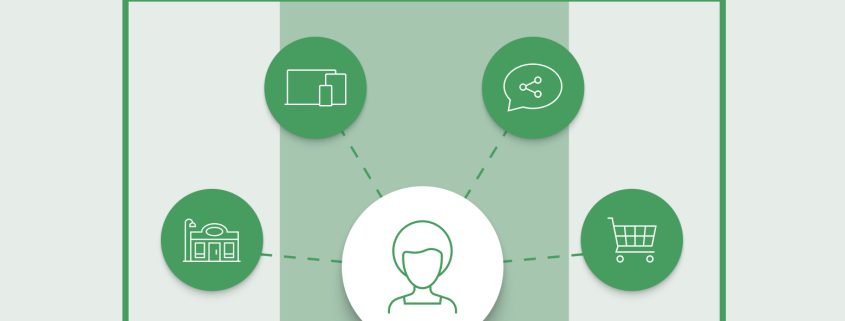
As customers become more connected, their expectations for a seamless and personalized experience continue to change. Nowadays, customers use multiple channels to research, compare, and purchase different products, creating a complex web of touchpoints that businesses must navigate. That’s where omnichannel personalization comes in to help businesses deliver unique experiences to each customer, regardless of where they are in their customer journeys.

In the sections below, you’ll learn more about omnichannel marketing and personalization, including tips for creating a seamless customer experience that drives loyalty and revenue.

Understanding Omnichannel Personalization 

Omnichannel personalization is a customer-centric marketing approach that uses data and technology to create a more personalized and relevant shopping experience for customers. It involves collecting and analyzing data from multiple channels, including online and offline interactions, to gain insights into customer behavior and preferences.

This marketing approach enables businesses to create a consistent customer journey that meets varied and unique customer expectations. By providing a more personalized experience, businesses can increase customer loyalty, reduce churn, and drive more revenue.

What Makes Up Omnichannel Marketing and Personalization 

Over the years, disruptive technologies such as Machine Learning, big data, and data science have given rise to hyper-personalization. Here, businesses are expected to deliver cross-channel experiences tailored to the customers’ needs, behaviors, and preferences. Below are the key factors you should implement if you are looking to provide the best possible customer experience.

1. Marketing Automation 

Marketing automation involves using software to automate repetitive tasks such as social media posting and email marketing. It saves time and helps provide a more personalized experience for customers. Benefits of marketing automation include increased sales productivity and a reduction in marketing overhead.

Companies using marketing automation to nurture prospects see a significant increase in qualified leads, which results in larger purchases. A survey by Annuitas Group found that businesses that use marketing automation see up to a 451% increase in qualified leads. These leads also make purchases that are 47% larger than the non-nurtured leads.

2. Customer Data Collection 

Collecting relevant customer data is crucial to refining your marketing strategy and improving the customer experience. This data can be quantitative, like website bounce rates, or qualitative, like customer reviews. With the right analytics tools, you can gather information about demographics, customer behavior, and brand sentiment.customer data collection

Customer data collection helps retailers better understand their customers and provide an omnichannel experience. To do this effectively, you need a robust customer data platform to gather, store, and analyze the available data.

3. Optimized Website Design

When optimizing your website design, you should create web pages that work well on mobile devices, tablets, and desktops. If your website isn’t responsive, it won’t display properly on smaller screens. Always ensure that your website provides a consistent experience to every customer, regardless of which device they use to view it. You should also prioritize website navigation design to ensure users can easily browse your website, find what they’re looking for, and easily make purchases.

4. Social Media Integration

As the name suggests, social media integration extends your marketing efforts by directing your social media followers to your website or app. It’s also a way of making your social platforms more accessible to your target audience and customers. Brands must integrate all their customers’ social media networks into their omnichannel setup.

Ecommerce brands, for instance, can use social media integration tools to import and display user-generated content on their ecommerce sites automatically. This can help build trust with potential customers and drive conversions.

5. Multichannel Analytics

Multichannel analytics is a process that merges data from different sources into a single location. This makes it easier for businesses to monitor sales across multiple channels. For instance, if a business owner owns three online stores, they can aggregate the data from each store into one location with the help of multichannel analytic tools.

By doing so, they can understand their customers and their behavior on the website, which can help them plan effective promotion campaigns that are more likely to convert. Multichannel analytics also allows businesses to track the effectiveness of their omnichannel marketing strategy, so they can optimize performance while reducing cost.


Website Redesign Checklist
New call-to-action


Benefits of Omnichannel Personalization 

Personalizing customer experiences and prioritizing their needs and expectations can greatly impact your business. Below are some of the key benefits of embracing a customer-centric marketing approach.

1. Enhanced Customer Experience 

Omnichannel marketing enables businesses to offer customers personalized experiences tailored to their preferences and behaviors. By leveraging data from multiple touchpoints, brands can send customized messages, showcase relevant products, and provide exceptional customer service. A seamless and personalized experience boosts customer satisfaction and improves loyalty.

2. Increased Sales and Conversions  

Personalized customer experiences increase the likelihood of converting prospects by providing relevant and timely interactions. By catering to each customer’s unique preferences, businesses can improve the customer journey and encourage purchases. Omnichannel marketing and personalization have been shown to increase annual sales and customer lifetime value, directly boosting business growth.

3. Lower Customer Acquisition Costs

Creating a personalized omnichannel experience helps retain customers and reduces customer acquisition costs. By providing relevant interactions, businesses can increase customer loyalty and target their advertising spending more efficiently. This approach helps companies optimize their marketing budget and reduce the cost of acquiring new customers.

4. Cost Optimization

By analyzing customer behavior data, brands can identify the most effective channels to reach their target audience. With this knowledge, businesses can optimize their marketing stack, streamline processes, and reduce costs associated with operating multiple channels. Omnichannel personalization helps to optimize resources, reduce waste, and ensure efficient use of budgets while delivering a seamless customer experience.

Getting Started With Omnichannel Personalization 

Implementing an omnichannel marketing strategy is a complex process requiring technological and organizational alignment. To get started, you need to get buy-in from top management, set measurable goals, and build a strategy around those goals. You should also conduct a data inventory to understand the available data and how to use it to achieve your objectives. Additionally, it’s important to establish an internal governance model for executing your omnichannel strategy before creating a roadmap.

To simplify the implementation process, you can start small by focusing on the most valuable use cases and existing touchpoints. This approach is more practical and essential as the boundaries between the digital and physical worlds continue to merge. By taking small, manageable steps towards omnichannel personalization, you can gain a competitive edge and improve customer experience across all touchpoints.



Free Marketing Consultation


OTT Marketing 1

8 Reasons to Invest in OTT Marketing

OTT marketing is a form of marketing in which ads play during the streaming of content provided via high-speed Internet connections. Because it’s so important to stay on top of the latest trends in order to avoid falling behind your competition, OTT marketing is something every business should explore. As new technologies emerge, new marketing opportunities tend to present themselves. For example, the rapid adoption of streaming services, from Netflix to Hulu, over the past few years has led to the growth or OTT marketing (over-the-top marketing). Of course, that’s not the sole reason why you should consider implementing an OTT marketing strategy. The following are some of the major benefits of investing in OTT advertising:

1. Reach A Huge Audience
2. Target Your Audience More Effectively
3. People Will See Your Ads
4. Improve Engagement
5. Obtain Better Data
6. OTT Campaigns Are Flexible
7. You Can Test Your Campaigns
8. OTT Ads Are Cost-Effective

1. Reach A Huge Audience

It’s estimated that there will be close to 200 million streaming viewers within the next few years. This means that you’ll likely be able to reach a huge part of your target audience via OTT advertising. Not only are streaming channels, incredibly popular, but more streaming platforms are launching every year; both Disney and Google recently launched their own channels. Additionally, users have the ability to stream content on these platforms from almost any device, including TVs, computers, smartphones, and tablets.

Integrating Social Media & SEO Efforts For Enhanced Search Engine Results

2. Target Your Audience More Effectively

OTT advertising essentially combines the effectiveness of TV ads with the ability to target specific audiences that digital marketing tends to provide. For example, OTT marketing allows you to target viewers in specific areas using GPS data. You can also leverage behavioral data based on the platform viewers are using as well as the content they are streaming. Additionally, you can also target viewers based on demographics.

3. People Will See Your Ads

OTT Marketing2

Whereas people often change the channel when watching something on cable whenever there is a commercial break. people who are streaming content rarely do this. This is because they can’t just flip back to the stream they were watching after the commercials have ended. Switching streams is inconvenient and most people are too engaged with the content that they are streaming to constantly switch back and forth. Because of this, people who are streaming content are more likely to watch the entirety of the ads that are shown. In fact, it’s estimated that roughly 98 percent of OTT viewers watch the entire ad that’s shown to them. This means that your OTT efforts are more likely to have an impact on their intended audience.

4. Improve Engagement

Many streaming platforms allow their viewers to choose between OTT ads during content breaks. This helps to personalize their experience; however, it also means that they will likely be more engaged with the ads that play since they chose to view them. As such, OTT ads are a good way to get your message across more successfully.

5. Obtain Better Data

When it comes to traditional TV advertising, viewing data is based on larger sample sizes. OTT marketing provides much more helpful data in terms of who is watching your OTT content. Some of the data that you’ll have access to includes what demographics were watching your content, what it was that they were watching, exactly when they were watching it, and from what device they were streaming on. All of this data is invaluable in regards to adjusting your OTT campaigns for better results.

Also Read Traditional Marketing vs. Digital Marketing

6. OTT Campaigns Are Flexible

You’re not locked in when you pay for OTT advertising. Many platforms allow you to start, stop, and resume your OTT campaigns at any point in time. This means you can manage your campaign settings and the commercials you’re running in real-time to obtain better results. As a result, you can leverage the data that you’re collecting on your OTT campaign to make improvements.

7. You Can Test Your Campaigns

Because OTT campaigns are often flexible, you can test your campaigns by targeting different audiences and ads to see what works best. Think of it as a form of A/B testing except for OTT marketing.

8. OTT Ads Are Cost-Effective

Instead of paying for the placement of your ads, you’re paying for actual ad views. Because you’re also able to target specific audiences more effectively, your ads will also likely result in a higher ROI. As a result, OTT ads are actually very cost-effective, especially when you take into account the fact that OTT ads engage viewers and can be adjusted throughout the campaign as well.

These are some of the main benefits of investing in OTT marketing. Although traditional TV advertising can still be effective, OTT marketing is an excellent way to reach your target audience and to complement your existing and future inbound marketing efforts.

Digital Communication Tools to Help Build a Human Brand

Whether you’re a brand looking to establish a human connection with your audience or an individual seeking to engage with peers and build professional networks, leveraging these digital communication tools will undoubtedly enhance your ability to connect, collaborate, and succeed in the digital age.

The success of your brand depends on much more than just convincing a potential customer to try your product. While in the past the customer experience has been based around the product being offered, these days, you need to look at the big picture. It’s not just about the customer experience in regards to your product. It’s about the emotional connection that they are able to form with your brand.

Customers don’t just want a product, they want a relationship with the brand that is selling them that product.  You need to focus on fostering an emotional connection instead of just trying to build awareness for a certain product. Fortunately, building an emotional connection with your audience is easier than ever before with the number of digital communication tools that are at your disposal.

The Importance Of An Emotional Connection

Customers are human beings. They have hopes, dreams, and feelings. In a world where their product choices are practically limitless, they will want much more out of a brand. They do not want to engage with a corporation. Customers want to engage with a brand that’s relatable on a personal level. Their desire for connection in such a world is not surprising. A brand that is able to touch them emotionally is going to make them more engaged.

There are many ways that you can do this; reinforcing the beliefs or perspective of your audience, supporting the goals or perspective of your audience, or challenging your audience to do greater things.

Creating a Brand with Social Listening and What Tools To Use

How Digital Communication Tools Can Help Foster An Emotional Connection

Engaging on an emotional level with your audience is easier than it’s ever been, as long as you make the effort to do so. The following are just a few ways that digital communication tools can help you to connect with your audience emotionally and to build meaningful relationships with them:

  • Video content – When it comes to content, few other forms are able to engage audiences on an emotional level like video content. There are numerous reasons for this. First of all, people consume visual content much more easily than written content. Secondly, you can use actors or even real figures that audiences can relate to on a personal level. Thirdly, you can emphasize certain emotions much more effectively through the production of video, from the look of how it was filmed to the type of music that’s used to how the video is edited.
  • SegmentationSegmenting your leads and customers based on the data you’ve collected (via opt-in forms, surveys, and more) will provide you with valuable insight into who your audience is and how you can connect with them. It also allows you to personalize your content much more effectively, which will make it easier to drive engagement.
  • Social interaction – The use of social channels makes it easy to engage with your audience directly. Direct interaction makes it easier to build meaningful relationships. You’ll have a bigger emotional impact on those who witness the interactions on social media as well.

How to Improve Your Social Signals for SEO

Building a human brand will help you build long-term relationships with your audience based on real emotional connections. Use the digital communication tools available to you to emphasize emotion in your marketing efforts. Doing so will help your audience relate to you on a more personal level, thereby driving engagement with your brand.

Free Marketing Consultation
Web Design

6 Web Design Principles to Increase Conversions

Putting thought into your web design is a must if you have any ambitions to grow your business. While the content that you host on your site and the strength of your SEO strategy will help you attract leads, your web design will play a big part in your ability to convert leads. Keeping that in mind, the following are six web design principles for conversions:

1. Use A Responsive Design

If you’re not using a responsive design, it means that although your website may load properly on desktops, it may not be displayed correctly on smaller screens, such as those on smartphones and tablets. If your website doesn’t load properly on a smartphone, it will require the user to not only scroll up and down but also left to right — and to zoom in and out. Few mobile users will have the patience to deal with a site like this, which will lead to a significant bounce rate. Use a responsive design so that you don’t lose your mobile leads.

2. Ensure That Your Pages Load Quickly

Even if your site does load properly, few visitors will have the patience for pages that load slowly. It should take no more than one to two seconds for your site to load. If it takes three or more seconds, you’re in trouble. Leads will get frustrated and will likely abandon your site. Test your page speeds to ensure that they load quickly.

3. Don’t Include Too Many Choices

Too many choices can make it difficult for visitors to figure out what they want or to find what they’re looking for. For example, a navigation menu is a great addition. It lets visitors find your blog, contact page, product page, etc. However, if you fill up that navigation menu with dozens upon dozens of links, it becomes overwhelming. Not only will it actually be more difficult for visitors to find what they’re looking for, but too many choices requires them to commit more of their time to make a decision. To capture leads, you need to help guide their decision making–offering too many choices does the opposite. Keep it simple.

Why are call-to-action phrases so important? Learn more by clicking here!

4. Use Negative Space

The visual design of a page should be kept relatively simple to prevent visitors from becoming overwhelmed. The last thing you want is a page covered in text, links, images, videos, and more. This makes it hard to find anything amidst the clutter. To avoid this, make sure that there’s plenty of negative space throughout each page. Negative space helps reduce clutter, gives your site a clean and elegant look, and makes your page easier to scan.

5. Choose Colors Carefully

The way you use color is psychologically important. Colors evoke different emotions and reactions from your visitors. For example, blue indicates trust, which is why it’s a color often used for CTA buttons. However, the colors you choose should reflect the content on your page as well as your brand in general. Just make sure you keep your colors consistent and that you don’t go overboard using colors. You should stick to a few main colors and their variations. Typically, it’s best if you choose one color along with a second that offers some contrast.

6. Use An F-Layout

Studies have shown that the attention of users is focused in an F-pattern. This means that when they first come to a page, they will be most focused on the top left and top right parts of your page. This slowly diminishes as they work their way down, which means the bottom right of a page gets the least amount of attention. Designing your pages so that they display information in an F-layout is therefore a good way to ensure that the information you want to convey is consumed by your visitors. For example, having the bulk of your content on the left side, positioning important links on the top right side, and then adding your CTA to the bottom left will create an effective F-layout.

The design of your website is essential to not only keeping your visitors engaged, but to keep them on your website for as long as possible. The longer you’re able to keep your visitors on your site, the better of a chance you have of converting them. These are six web design principles for conversions that you should consider implementing.

Website Redesign Checklist
New call-to-action

Vital Factors to Consider When Implementing a Growth Driven Web Design

A well-designed site is vital to the online success of your business. Recent studies show that at least 94% of respondents rarely trust websites with poor designs. On the other hand, a growth driven web design is intuitive and positively impacts brand perception and lead conversion.

Growth-driven design is a revolutionary approach to creating high-performance websites founded on analytics and designed with specific objectives for continuous improvement.

Here are some important considerations when implementing a growth driven website design.

1. Customer Needs and Wants

Develop a clear picture of your target audience’s needs and wants, and determine the best way to fulfill them.

This sets the essential foundation for a growth driven web design. Start by developing a clear, focused strategy that pivots on the needs and wants of your ideal customer. While your website will launch with a simple version, focusing on customer needs helps you plan future updates and the continuous process cycle.

Understanding your customer needs requires creating accurate buyer personas. Buyer personas represent your ideal customers and website users. They help your team determine the best ways to communicate with empathy and personalize customer interactions.

In addition, a persona establishes a common messaging tone among your marketing team since they have a clear picture of your website’s end user.

You can start by running internal and external interviews to gather information from employees and past clients representing your ideal audience. Email surveys and phone calls are common when gathering information to finetune your buyer persona.

2. Customer Journey

The customer journey charts the road map for your website users and customers seeking solutions to their problems. Growth driven web design makes it easy to identify different stages of the customer journey and provide appropriate tools and solutions to help customers make quick decisions.

Determining the exact stage in the customer journey is essential in determining appropriate offers, website features, and supporting content for optimum conversions. The goal is to get a comprehensive view of your customer’s actions throughout your sales funnels and ensure satisfaction.

3. Fundamental Assumptions

In growth driven web design, fundamental assumptions are like the foundation for a house. Therefore, you must determine the aspects that exert the most weight on the foundation.

Establishing a strong foundation is essential to ensure the website is versatile and long-lasting. Ideally, ensure the design is aligned with your goals and has the right content to guide your team.

You can accomplish this by combining personas, customer journeys, and analytics to develop fundamental assumptions to guide your design and marketing approach for the best results.

4. Short-term and Long-term Goals

This stage involves establishing goals based on buyer persona data and customer research. Each goal is anchored in business metrics and analytics to ensure the website has all the necessary features. However, it’s essential to know what you want to achieve with your growth driven design web. Your overall business objectives guide the process by creating a clear road map.

In addition, you can brainstorm a wish list of things that might improve your website’s impact on your business and customers. Think about additional integrations, modules, features, and functionality.

This process starts by identifying elements that create the highest impact. Typically, it involves identifying the must-have and nice-to-have elements so you can cross out anything that can be added later. This process allows you to identify the core purpose of your website.

Most importantly, it helps finetune your strategy blueprint for the perfect design based on your business needs. However, your team’s collaboration between the strategist, designer, and project manager is essential to ensure the strategy aligns with your business objectives.

5. Content Development

Effective content strategy is among the key elements of a robust online presence to achieve business goals. While the minimum viable design aims at launching a functional site, it’s critical to determine the ideal content to answer user queries and move customers through the sales funnel. Ideally, you should create memorable content that connects with users and solves their problems.

ReportsThe information should be simple, well-organized, and easy to understand. Visual hierarchy helps in content structure to ensure it’s logical and meaningful. This ensures that important information gets the most emphasis while less important information gets the least emphasis.

You can achieve content hierarchy by implementing visual techniques like contrast, color, white space, size, movement, and alignment. Content hierarchy improves information digestion and guides users to find important information quickly to fulfill their intentions.

6. Process Cycle

Once you’ve launched the website, it’s important to review its performance to determine the impact on your business goals. The process involves stakeholder feedback to gain insights into traffic sources and visitor behaviors. Real user data is invaluable at every stage as it gives you a clear picture of website activity.

Depending on the analysis results, you can determine the next action based on the items on your wish list.

Possible actions may include:

  • Improving conversions by influencing users to take specific actions
  • Boost the user experience by enhancing user interaction with the site to ensure easier navigation. Periodic updates are necessary to streamline the design and content.
  • Visitor personalization by leveraging user data to implement changes that suit evolving needs, including content offers and calls to action.
  • Integrating marketing assets like signup forms, social platforms, resources, and tools to provide more value to users and enhance engagement

7. User Experience

Regardless of your site’s design and the available information, user experience determines its success. You might have invaluable resources on your website, but if the user experience hardships navigating and finding what they want, you risk losing valuable prospects.

While outstanding website usability may go unnoticed by the users, poor usability has immediate impacts. Therefore, your website design must be intuitive, navigable, mobile-friendly, and accessible. Ideally, you should anticipate visitors’ actions and help them achieve their goals effortlessly.

While visual aesthetics are essential across multiple devices, upholding a consistent brand image is critical. The website should represent your business fully and create a strong connection with users.

The Bottom Line

Most businesses are shifting from traditional designs and moving towards growth driven web design. Besides enjoying additional flexibility, the companies experience more success in lead conversion and user experience.

Instead of redesigning and launching a new website every two years, growth driven web design creates an upgrade-ready design that evolves with your business. Moreover, decisions are based on data analytics to ensure upgrades are based on real customer needs.

Creating Creative Video Campaign

The Super Bowl is undoubtedly one of the most celebrated sporting events. It can draw millions of viewers across digital channels and traditional TV platforms. This one-day event with a history of high-profile commercials often means a lot to marketers and business owners. And while many wait a few weeks before the Super Bowl to begin working on their video campaign idea, it’s best to prepare early enough. To create the best video campaigns for the next Super Bowl, you’ll need to review and learn from previous events. That means exploring various video marketing campaigns, including the best and worst Super Bowl commercials.

In the sections below, we’ll discuss a few Super Bowl video marketing ideas and how you can use them to improve your overall video marketing campaigns.

Create a Memorable Pre-game Teaser

You’ve probably watched those super bowl ads that went on to feature in every article for the rest of the year and attracted lots of social media attention. And perhaps you know of some big-time super bowl advertisement fails. The difference between these two sets of video commercials may not be so pronounced and could lie in the finer details.

Making a thirty-seconds pre-game teaser memorable takes a lot of expertise and some trial and error. It also requires understanding emotional advertising, creativity, and proper timing. Sometimes the best ads turn out to be a complete flop, so only after testing them can you confirm the ads will work for your specific audience.

Before consolidating your resources to create a pre-game teaser, you want to focus on delivering the right message in the shortest possible time. A rule of thumb is to be unique while driving the point home. Here are a few tips to keep in mind:

  • Ensure your video is relevant to the event. Super-bowl is highly anticipated; you want to capture the thrill and excitement. Everything about your video, from the visuals to the sound, should be engaging, dynamic and compelling.
  • Use suspense. There’s a lot to fit in a 30-second pre-game teaser, and your video should convey just the relevant information without being deemed boring. You can use the various elements of suspense, such as conflict, empathy, and anticipation, to drive the point home.
  • Make the video shareable. Your pre-game teaser won’t be as impactful if it’s not optimized for sharing. Consider promoting your Super Bowl teaser across various social media channels. You can leverage influencers to share your teaser and invite your audience to share their thoughts.

Utilize Humor to Make an Impact

There’s something about humor that makes it irresistibly powerful, especially in the video marketing niche. People anticipating the super bowl want to share in the fun and excitement of their favorite team engaging in a competitive sporting event that’s deeply rooted in their culture. What you don’t want to do is bring in some dull vibes and spoil their uplifted spirit.

Besides making your brand and message more memorable, humor also connects with the audience personally, making them laugh and feel good and relaxed. It also keeps viewers wanting more, it makes your super bowl commercial more sharable across social media and other platforms.

And while everyone knows that humor is critical to a successful viral marketing campaign, most marketers are yet to leverage this low-hanging fruit. But the problem isn’t using humor for video marketing, but how well to integrate humor into a 30-second commercial.

The common mistake many people make when incorporating humor into their marketing is being insensitive to their audience. A good old joke you often circulate in your department can be offensive to certain groups of people. This often comes with a hefty price and could quickly damage your brand’s reputation. Many marketers try to copy past commercials or successful Super Bowl ads, and they end up hurting their image. As much as you want to add humor to your commercial, try not to overdo it.

Leverage Social Media

Not so long ago, Super Bowl ads were meant for the big screens. Large media houses had the monopoly of showcasing whatever ads were lined up during the commercial breaks. This, however, is no longer the case. Nowadays, millions of people watch the Super Bowl from the comfort of their smartphones.

For video marketers, this means a lot as far as video marketing ideas are concerned. Instead of designing Super Bowl ads just for the big screens, you want to design them for social media platforms such as YouTube, Twitter, Facebook, Instagram, and TikTok.

Before creating a Super Bowl ad or teaser, you must carefully plan the delivery. You must also ensure the audience can easily share the video across all social media channels. Most Super Bowl commercials that go viral are well-optimized for social media. They are short and visually stunning and appear on various social media platforms, encouraging people to share the videos and discuss what they think about the game and the video commercials.

The other video marketing ideas you can implement are: posting some sneak previews and behind the scene-videos of the ads on social media. You can also source user-generated content by developing a social media challenge relating to your ad where you invite users to edit the videos for sound and graphics, with the best editor earning some prize, e.g., branded merchandise, the next super bowl ticket, etc.

Make Video Marketing Work for You

Creating an effective video marketing campaign takes a lot of practice and expertise. Unless you can create an informative, visually appealing video that speaks to your audience, you’ll have difficulty selling your products or services. Whether you are a marketer, a business executive, or a business owner, it’s crucial to understand the basics of video marketing. Combining several video marketing ideas and seeking expert advice could mark the difference between failed branding and a golden opportunity to create a memorable ad that steals the show and gets the attention you’ve been longing for.

Why You Should Consider Using YouTube Videos For Senior Living Marketing

When it comes to choosing what platforms to leverage in order to reach senior living audiences, you may have skipped over YouTube assuming that this particular platform is aimed at younger audiences. However, this is actually not true. You may want to give YouTube another look as it turns out YouTube videos are an excellent way to reach older audiences. The following are just a few of the reasons why you should incorporate YouTube videos into your senior living content marketing strategy:

1. Seniors Use YouTube Frequentlydigital marketing tactics

The idea that YouTube is for younger generations is a misconception that simply isn’t true. In fact, YouTube is the number one video platform of choice for the Baby Boomer generation. According to YouTube’s Trends Dashboard, more than 60 million Baby Boomers over the age of 55 view content on YouTube every month. In fact, four times as many Baby Boomers visit YouTube than people under the age of 18. This means that creating YouTube videos is actually an excellent way to reach your target demographics.

2. Seniors Are Social

By 2013, there were already 39 million people 65 and older that were using Facebook, Twitter, and Skype. At the time, this made them the fastest growing age demographic for these social channels. Considering the fact that there are more senior citizens than ever, incorporating social into your content marketing strategy is a must–and YouTube is a social platform. When you create YouTube videos, you can post them to Facebook, after all. Seniors can then comment, like, and share your YouTube videos, helping to increase brand awareness amongst their social circles, which are likely to be filled with family members as well as friends in the senior citizen age range.

marketing senior living

3. Seniors Prefer Visual Storytelling

The best way to reach senior citizens is through the use of visual storytelling (according to multiple studies on the subject). There’s no more effective way to tell a story in a visual manner than through video. For example, you could use video to tell the story of a resident and their journey to find a home at your senior living facility. By making a resident the main character in your video, you would make your content more relatable to your audience.

4. YouTube Videos Allow Pre-Roll Ads

Pre-roll ads have become quite common on YouTube videos. They are the 5 to 30-second spots that run before the video and that usually can’t be skipped until 5 seconds in. While they can be a real annoyance for a lot of viewers, they can actually be very effective if they are relevant to your video content. This is especially true if you already have video content available on your site.

Read More Related Article: 4 Senior Living Video Marketing Ideas That Will Improve Engagement

You can create effective pre-roll ads by cutting short 15 or 30-second spots out of existing video testimonials or video tours of your senior living facility. This way, when someone watches one of your YouTube videos (especially those that are instructional or informative and not promotional), your pre-roll ads will showcase your senior living facility so that they know who you are.

5. YouTube Videos Can Drive Traffic

YouTube isn’t just a platform to host videos. It can be used to help drive viewers to your website for more information. Curate your YouTube page so that you have a lot of YouTube videos audiences can go through, but make sure that it’s obvious that it’s your senior living facility’s page and include a link from your YouTube channel to your website. You should also add links to your video descriptions and clickable links embedded within the videos themselves towards the end. Doing so can help drive a significant amount of traffic to your website.

YouTube videos can be extremely effective at reaching a senior living audience, which is why you should incorporate YouTube into your content marketing strategy. It’s also worth mentioning that YouTube is owned by Google, which means that properly optimized YouTube videos can help to boost your SEO as well, thereby increasing your page rankings and helping to drive more organic traffic to your YouTube channel as well as your main website.


30 Greatest Lead Generation Tips

tiktok engagement group

How to Use TikTok to Reach Your Engagement Group: An Insight Into the Algorithm

Arguably the primary goal of social media marketing is to reach as many people in your engagement group as possible and to interact with them. As such, it’s important that you establish a presence on social channels on which this is possible. While almost all businesses use social platforms like Facebook and Twitter, there are a few others to consider as well; for example, TikTok.

What Is TikTok?

TikTok is a video-based social platform that has exploded in popularity over the last couple of years. What makes the platform so unique is that users can only upload videos that are 15 seconds long. There is, however, an option to edit together multiple 15-second clips into a minute long video. It gained traction among teens because they could upload videos of themselves lip-syncing, doing comedy bits, and dancing. At first, the marketing opportunities on the platform seemed limited. However, the size of the audience simply cannot be ignored:

  • There are over one billion monthly active users worldwide.
  • There have been over 2.6 billion downloads of TikTok since its creation.
  • In January 2021, there were 62 million downloads of TikTok alone.
  • Users spend an average of 52 minutes on TikTok every day.
  • 83 percent of users have posted videos to TikTok.

TikTok’s advertising strategies are becoming more common. Read more here.

Why Should You Market On TikTok?

Advertising on social media platforms can cause numerous issues for users. The user experience can often be disrupted for the sake of the ad. Users on those platforms are often less likely to engage when annoyed by a barrage of advertising. TikTok is different in that ads are almost no different than the regular content posted on the platform. They can’t be longer than 15 seconds and they’ll appear on user feeds just like regular videos do. The user experience is not hurt because of this, as they appear just like other videos.

Why Should You Consider Using TikTok for Your Engagement Group?

Many people do not even realize they’re watching ads (especially if the content created by the brand is of particularly high quality). With this in mind, the following are just a few other reasons to consider using TikTok:

  • Reach younger generations – Younger generations rarely want to follow in the footsteps of their parents, which is why you won’t find a lot of Generation Z users on Facebook or Twitter. Instead, you’ll find them on TikTok, which is where a lot of Millennials are fleeing to as well. If you’re looking for a younger audience, TikTok is where you’ll find them.
  • Multiple marketing options – Despite the platform’s limitations (which were by design), there are still a few ad types that you can choose from, including in-feed videos, branded augmented reality (such as custom filters, stickers, and more), TopView ads (which appear at the top of user feeds), branded hashtag challenges, and sponsored content.
  • Flexible CPM – The cost-per-thousand impressions becomes cheaper the broader your audience is. The more you target your audience, the more it will cost; however, the ads will be more effective at engaging users as a result.
  • A level playing field – TikTok’s algorithm is based on identifying content that’s based on each user’s location, preferences, and viewing patterns. That is why user-created content goes viral so often on TikTok and it is why marketing businesses have a better chance of going viral as well.
  • Better chances of engagement – Outside of the algorithm, TikTok also allows you to go live once you reach a thousand followers. What makes this option particularly effective is that you can see how many followers are currently active so that you can determine when the best time to go live is.

use tiktok to reach engagement group

Tips For Using TikTok To Reach Your Engagement Group

There are some serious benefits to using TikTok; however, your success depends on your ability to leverage the platform effectively. The following are a few basic tips for using TikTok:

  • Know your audience – Develop your buyer personas so that you can more effectively target users that will be more likely to engage.
  • Identify influencers – TikTok influencers often have millions of followers. You can get them to post sponsored content that their users will see.
  • Create challenges – TikTok users love challenges. Branded hashtag challenges are a great way to get people to engage with your brand without being overly promotional. It’s also a great way to generate user-made content.
  • Go live – Going live on TikTok at the right time can make it easier to engage with followers who will drop everything to view to ensure that they don’t miss out.

Leverage TikTok To Reach Your Engagement Group Today

TikTok has a massive audience and is growing significantly year-by-year. Due to the algorithm’s design, companies have a level playing field against other businesses that already leverage TikTok. Just keep in mind that if you focus on creating high-quality content that engages your target audience, the chances of success on TikTok will be much greater.


social media marketing