
5 Proven Brand Development Strategies to Future-Proof Your Business in 2025

In 2025, your competitors aren’t just launching new products—they’re telling better stories, connecting more deeply, and pivoting faster than ever. To thrive in today’s saturated market, your brand development strategy must do more than look good—it must resonate, adapt, and endure.

Drawing insights from leaders in branding and entrepreneurship, here are 5 proven strategies to future-proof your brand and make it unshakable in the face of disruption.

1. Tell a Story that Reflects Purpose, Not Just Product

People don’t connect with what you sell—they connect with why you sell it. Whether it’s sustainability, innovation, or inclusion, today’s consumers expect brands to stand for something more. Future-proof brands lead with mission, not marketing.

Action Step:
Build a brand manifesto that defines your mission, vision, and values—and integrate it across your campaigns, content, and customer experience.

Read more about: What is Brand Development and How Does It Work?

2. Develop a Distinctive Visual and Verbal Identity

Looking and sounding like everyone else is a recipe for invisibility in a crowded marketplace. A unique visual identity paired with a defined voice ensures your brand is instantly recognizable and emotionally memorable.

Canva’s guide stresses that consistent fonts, colors, logos, and tone-of-voice guidelines help build brand equity over time.

Action Step:
Create a brand style guide covering typography, color palette, logo usage, tone, and content dos and don’ts to ensure consistency across every touchpoint.

Your marketing team can help you determine what name, tagline and logo will resonate with your audience. Nike’s Just Do It! has become a staple of a strong statement just as “It’s Finger Lickin Good” or “Just like a Good Neighbor, State Farm is there.

—— What Is The Brand Development Process?

3. Build Micro-Community Loyalty, Not Just Mass Awareness

While many brands chase virality, future-proof brands focus on cultivating loyal niche communities.Brand Development Strategy These micro-group often become the loudest advocates and most consistent buyers. Engaging with specific communities—rather than broadcasting to the masses—leads to more authentic interaction and longer-term growth.

Action Step:
Identify your core audience segments and go deeper—create private groups, host AMAs, offer early access or exclusive content to reward loyalty and encourage co-creation.

4. Prioritize Emotional Connection Over Transactional Touchpoints

Winning brands don’t just meet needs—they stir emotions. Whether through humor, nostalgia, or empathy, creating an emotional connection builds brand stickiness.

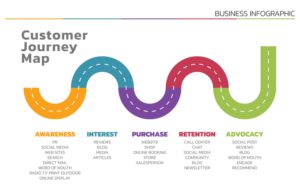
HubSpot notes that emotionally connected customers have a 306% higher lifetime value. The key is mapping your customer journey and identifying moments that spark genuine human connection.

Action Step:
Use customer data and sentiment analysis to uncover what feelings your brand currently evokes. Adjust your messaging and campaigns to deepen emotional resonance.

5. Stay Agile—Design for Iteration, Not Perfection

Markets shift. Algorithms change. New competitors emerge. Your brand needs a flexible foundation that can evolve while staying true to its essence.

The importance of modular brand systems that allow for quick iteration without compromising identity.

Action Step:
Revisit your brand messaging and creative assets quarterly. Conduct brand audits, A/B test campaign variations, and be ready to pivot when consumer behavior shifts.

A good company always has ongoing research or audits to find out how to appraise their image, products, and services.“

——The Brand Development Process Demystified

Final Thoughts

A strong brand development strategy doesn’t just help you stand out in 2025—it equips your business to adapt, endure, and lead in the years beyond. By embracing authenticity, investing in emotional intelligence, and committing to consistency with agility, your brand won’t just survive saturation—it’ll shape the future of your industry.

Ready to future-proof your brand?

Start crafting a strategy that connects, adapts, and endures—because in 2025, relevance is everything. Hire a marketing consultant to develop a strong brand strategy from scratch.

For more information, call us at 630-627-5200 or Request A Consultation Today!

a marketer is using ai to manage Facebook ads

Meta AI Tools in Facebook Ads: A Game Changer for B2B Marketing Campaigns

AI is revolutionizing digital marketing, and Facebook Ad Manager, backed by Meta AI innovations, is at the forefront of this transformation. With advanced AI tools, Facebook is enabling B2B marketers to enhance campaign management, improve ad creative and achieve better results. This blog highlights the most impactful AI-powered features in Facebook Ad Manager and examines how these innovations are reshaping B2B advertising. 

The Newest AI-Powered Video Editing Feature (Testing)a person is working on video editing

Meta is currently testing innovative AI-powered video editing tools designed to simplify content creation for advertisers. 

  • Video Expansion: Automatically expands video frames by generating additional pixels, making content compatible with various placements (e.g., Instagram Stories, Facebook Feed) without manual resizing.
  • Image Animation: AI transforms static images into dynamic animations, enabling businesses to create eye-catching video content even when original footage isn’t available.

For B2B marketers, these tools are game-changers: they reduce production costs, save time and maximize the impact of video ads. With these capabilities,  B2B brands can now deliver professional, dynamic content without the need for expensive video production teams.

Automated Creative Recommendations and Dynamic Content Placement

Facebook’s AI simplifies the creative process with automated recommendations and dynamic content delivery.

  • Creative Recommendations: AI suggests optimal ad creatives by testing variations of headlines, images and text to identify what resonates best with your audience.
  • Dynamic Content Placement: AI ensures ads are tailored to different placements (Stories, Feeds, Reels), automatically adjusting creatives to fit each format seamlessly.

For B2B campaigns, this means delivering the right message to the right audience at the right time, enhancing engagement and driving conversions with minimal effort.

Also Read Enhancing Creative Output in Your Advertising Strategy

AI-Assisted Content Creation

Generative AI tools in Facebook Ad Manager allow marketers to create multiple ad variations quickly and efficiently.

  • Automate background changes or minor tweaks in visuals to improve creative consistency.

This innovation is particularly useful for B2B marketers managing large-scale campaigns, as it reduces manual effort while ensuring creative quality remains high.

Smart Audience Insights

Facebook’s AI tools offer deeper audience insights by analyzing behaviors, preferences and engagement trends.

  • Smart insights identify which messaging, creatives and targeting approaches work best for specific B2B audiences.
  • Marketers can refine their strategies to improve personalization and ensure ads resonate with their target audience.

These insights empower B2B marketers to make data-driven decisions and create highly targeted campaigns that align with audience expectations.

Also Read Do You Know Your AIQ? Key AI Marketing Strategy Insights for Every Marketer

Audience Targeting and Optimizationtwo people planning on audience targeting strategy

Leveraging insights from smart audience data, Meta AI then enhances audience targeting by analyzing trends and forecasting user behavior.

  • Smart Audience Segmentation: AI identifies high-value audience segments and ensures ads are shown to the most relevant users.
  • Predictive Targeting: AI learns from past campaign performance to refine targeting strategies for future campaigns.

For B2B marketers, this means reaching key decision-makers, industry professionals and niche audiences with precision, improving ROI and reducing wasted ad spend.

Campaign Budget Optimization (CBO)

Campaign Budget Optimization (CBO) is an AI-driven feature that automatically allocates your budget across ad sets to maximize performance.

  • CBO analyzes campaign data in real time and adjusts budget allocation to the best-performing ad sets.
  • For B2B marketers running multi-segmented campaigns, CBO ensures budgets are optimized without the need for manual adjustments.

This feature enables businesses to achieve the best results for their budget while saving time on campaign management.

Also Read Optimizing Your Advertising Budget: 5 Essential Factors for Success

AI-Powered Analytics and Reporting

AI in Facebook Ad Manager doesn’t stop at campaign execution; it also enhances reporting and analytics.

  • Real-Time Insights: AI continuously analyzes campaign performance and provides meaningful insights to help refine strategies and improve results.
  • Outcome Predictions: Predictive analytics help forecast performance and guide optimization strategies.

For B2B marketers, these tools simplify decision-making and ensure campaigns are consistently refined for better outcomes.

Some Final Thoughts

Facebook Ad Manager’s AI-powered features are transforming how B2B marketers create, manage and optimize ad campaigns. For B2B businesses, leveraging these AI tools means achieving higher ROI with less manual effort. As Meta AI in Facebook ads continues to evolve, staying ahead of these trends will be critical for businesses looking to maintain a competitive edge in the digital advertising landscape.


Measuring What Matters at Trade Shows Beyond Booth Traffic

Trade shows are a cornerstone of B2B marketing, offering a unique opportunity to engage with potential clients, showcase products, and strengthen relationships. However, many brands fall into the trap of measuring success solely by booth traffic. A busy booth may look impressive on the surface, but it doesn’t necessarily translate into meaningful business outcomes. The real power of trade shows lies in how well you convert interactions into engagement, qualified leads, and measurable ROI.

Why Booth Traffic Isn’t Enough

While counting attendees who stop by your booth is easy, it’s a superficial metric. Not every visitor is a potential customer, and relying solely on foot traffic can give a false sense of success. Skyline emphasizes that trade show lead generation is most effective when the attendee journey is intentionally designed to identify and engage qualified prospects. This involves understanding who is most likely to benefit from your products or services and ensuring your booth and messaging speak directly to those attendees (blog.skyline.com).

Trade Show Metrics That Truly Matter

To measure trade show success accurately, brands should focus on metrics that reflect real business impact:

1. Qualified Leads Captured

Capture the right contacts, not just anyone with a badge. Use tools or pre-qualifying questions to ensure leads align with your target audience. The quality of leads is far more important than quantity, and these qualified prospects have a higher likelihood of converting to customers.


Learn More About:

How to Identify Valuable Buyers through an Ideal Buyer Persona

2. Engagement Quality

Track meaningful interactions, such as conversations that demonstrate interest or uncover specific business needs. Longer discussions indicate higher intent and should be prioritized for follow-up.

3. Pipeline Contribution & ROI

According to Cvent, linking trade show activity to tangible outcomes—like opportunity creation, MQLs, and revenue—is essential. Measuring how your event participation contributes to the sales pipeline provides a clear view of ROI and helps justify the investment (cvent.com).

4. Post-Show Brand Lift

Metrics beyond the booth can also indicate success. Track increases in website traffic, social engagement, media mentions, or newsletter signups after the event. These reflect how well your brand resonated with attendees and can influence long-term perception.

How to Implement Meaningful Metrics

To move beyond surface-level measures, brands can take the following steps:

  • Define Clear Objectives: Establish whether your goal is lead generation, brand awareness, relationship-building, or a combination. Align KPIs to your objectives to ensure measurement reflects true success. 
  • Use Smart Lead Capture Tools: Modern lead capture systems can qualify prospects in real time, record notes from conversations, and automatically sync with your CRM, streamlining post-show follow-up. 
  • Train Booth Staff for Engagement: Encourage staff to ask targeted questions, understand visitor needs, and highlight solutions that match their challenges. Engaged staff turn casual visits into meaningful conversations. 
  • Enable Rapid Post-Show Follow-Up: Skyline emphasizes that leads lose momentum quickly. Implement personalized follow-up strategies immediately after the event, whether through email, phone calls, or digital content tailored to their expressed interests. (Skyline, “Keys to Trade Show Lead Generation”) 
  • Track Revenue Attribution: Ensure you can connect trade show activity to real business outcomes. Use CRM and analytics tools to monitor which leads convert into opportunities, customers, and revenue over time. 

Best Practices for Maximizing Trade Show ROI

  1. Pre-Event Marketing: Promote your booth and sessions via email campaigns, social media, and personalized invitations to attract your target audience. 
  2. Interactive Booth Design: Encourage visitors to engage with demos, touchscreens, or product samples. Memorable experiences help ensure your brand stands out. 
  3. Data-Driven Decisions: Use insights from past events to refine your strategy. Identify which sessions, booth locations, or messaging approaches led to the highest engagement and adjust accordingly. 

Final Thoughts

Booth traffic alone is a misleading indicator of success. Instead, B2B brands should prioritize metrics that reflect real business impact: lead quality, engagement depth, pipeline contribution, and post-show brand lift. By combining targeted strategy, smart technology, and timely follow-up, trade shows become more than an event—they become a measurable driver of growth and revenue.

The brands that move beyond vanity metrics and focus on what truly matters are the ones that turn trade show participation into a competitive advantage. Contact us today for a free consultation and discover how we can help you go beyond booth traffic to generate measurable results for your brand.


Read More On:

How to Improve Your B2B Marketing Strategies

The Power of Storytelling in Real Estate Lead Generation

In the competitive world of real estate, standing out from the crowd is essential. While traditional marketing tactics like listing photos and open houses are still important, real estate lead generation is increasingly driven by the power of storytelling. By crafting compelling narratives around your listings, testimonials, and brand, you can engage potential clients on a deeper emotional level, build trust, and ultimately drive more conversions.

Why Storytelling Matters in Real Estate

Storytelling is not just about selling a property; it’s about selling a lifestyle, a dream, and an emotional connection. When potential buyers or sellers can envision themselves in the story you’re telling, they’re more likely to take action. According to a study by Virtuance, listings that incorporate storytelling elements see a 20% increase in engagement compared to those that rely solely on facts and figures.

But storytelling isn’t just about engagement—it’s also about differentiation. In a market saturated with listings, a well-told story can make your property or brand memorable. Think about it: when a buyer is scrolling through dozens of listings, the one that tells a story about a family enjoying their first holiday in a new home is far more likely to stick in their mind than a listing that simply states “3 bedrooms, 2 bathrooms.”

Read more about: 5 Brand Storytelling Examples To Learn From

Crafting Compelling Narratives for Listings

When it comes to real estate lead generation, your listings are your first opportunity to tell a story. Instead of simply listing the features of a property, focus on how those features can enhance the buyer’s life. Here are some tips for crafting compelling narratives:

Highlight the Lifestyle

real-estate marketing

Instead of saying “3-bedroom, 2-bathroom home,” try “A cozy family home with a spacious backyard perfect for weekend barbecues and a bright, sunlit kitchen where you can enjoy your morning coffee.” Paint a picture of the life the buyer could lead in this home.

Use Real Estate Testimonials

Share stories from previous clients who found their dream home through your services. Testimonials add credibility and help potential clients see themselves in a similar success story. For example, “The Smith family was able to find their forever home in just three weeks thanks to our personalized approach.”

Focus on Emotions

Buyers often make decisions based on emotions rather than logic. Use descriptive language to evoke feelings of comfort, excitement, or nostalgia. For example, “Imagine waking up to the sound of birds chirping in your private backyard oasis.”

Leveraging Digital Platforms and Social Media

In today’s digital age, real estate lead generation is heavily influenced by online presence. Platforms like Instagram, Facebook, and LinkedIn offer unique opportunities to tell your brand’s story and engage with potential clients.

Real Estate Social Media Stories

Use Instagram Stories or Facebook Live to give virtual tours of properties, share behind-the-scenes content, or highlight client success stories. These platforms allow you to connect with your audience in real-time and create a sense of urgency. For example, a Facebook Live tour of a new listing can generate immediate interest and inquiries.


Read more about: Mastering the Art of Integrated Digital and Social Media Marketing

Content Creation

Regularly publish blog posts, videos, and infographics that provide value to your audience. For example, a blog post titled “5 Tips for First-Time Homebuyers” not only positions you as an expert but also keeps your audience engaged with your brand. You can also create video content, such as “A Day in the Life of a Real Estate Agent,” to humanize your brand and build trust.

Engage with Your Audience

Don’t just post content—engage with your followers. Respond to comments, answer questions, and participate in conversations. This builds a sense of community and makes your audience feel valued.

lead generation tips

Strategic Content Creation Tips

To maximize your real estate lead generation efforts, your content should be both informative and emotionally engaging. Here are some tips:

Use Visuals

Incorporate high-quality images and videos into your content. Visual storytelling is incredibly powerful and can help potential buyers visualize themselves in the property. For example, a video tour of a home with soft background music and a voiceover describing the lifestyle the home offers can be far more compelling than static images.

Incorporate Data

While storytelling is important, don’t forget to back up your narratives with data. For example, you could reference Resimpli’s blog on 80 Real Estate Lead Generation Statistics to add credibility to your content. Data can help reinforce the emotional appeal of your story with hard facts.

Call-to-Actions (CTAs)

Always include a clear CTA in your content. Whether it’s encouraging readers to schedule a consultation, download a guide, or follow you on social media, a strong CTA can help convert leads into clients. For example, at the end of a blog post, you could include a CTA like “Ready to find your dream home? Contact us today to schedule a consultation!”

The Role of Storytelling in Brands

Your brand is more than just your logo or tagline—it’s the story you tell about who you are and what you stand for. In real estate, your brand story can set you apart from the competition and attract the right clients.

Define Your Brand Story

What makes your real estate agency unique? Is it your personalized approach, your deep knowledge of the local market, or your commitment to client satisfaction? Define your brand story and weave it into all of your marketing materials.

Consistency is Key

Your brand story should be consistent across all platforms, from your website to your social media profiles to your email newsletters. Consistency helps reinforce your brand identity and makes it easier for potential clients to recognize and remember you.

Showcase Your Values

Use storytelling to showcase your values and what you stand for. For example, if community involvement is important to you, share stories about how you’ve contributed to local charities or organized neighborhood events.

Conclusion

In the world of real estate lead generation, storytelling is a powerful tool that can set you apart from the competition. By crafting compelling narratives, leveraging digital platforms, and building trust through strategic content creation, you can engage potential clients on a deeper level and drive more conversions. Remember, it’s not just about selling properties—it’s about selling dreams, lifestyles, and emotional connections.

How Video Marketing Analytics Drives Performance and ROI

Video has emerged as an undisputed powerhouse in digital marketing. It captures attention, builds connections, and consistently delivers higher ROI than many traditional channels. But simply creating videos isn’t enough. The difference between a video that gets views and a video that drives business lies in one thing: video marketing analytics.

Ignoring your video data is like a ship captain navigating in the dark. Analytics provide the data needed to optimize your content, boost engagement, and prove the true return on your investment. 93% of marketers say video marketing has given them a good ROI.

So, what are the most important metrics to track? And how do you use them to transform your video strategy?


Key Metrics That Matter for Business Growth

To move beyond vanity metrics like “total views,” you need to focus on data that tells you what your audience is doing and whether your video is working (sprinklr, 2025).

  • Engagement Rate & Watch Time: These metrics are far more important than a raw view count. A video with 1,000 views and a high watch time is more valuable than one with 10,000 views and a low watch time. Platforms like YouTube and TikTok favor content with higher watch time, boosting its visibility in search results and feeds.
  • Click-Through Rate (CTR): This metric measures how effectively your video compels viewers to take a specific action, such as visiting your website or signing up for a newsletter. A high CTR indicates that your call-to-action (CTA) is clear, persuasive, and well-timed.
  • Conversion Rate & ROI: These are the ultimate business-oriented metrics. Your conversion rate tracks how many viewers complete a desired action, like making a purchase or filling out a form. Calculating the ROI of your video campaign tells you whether the investment in production, promotion, and distribution is truly paying off.
  • Completion Rate & Retention Curves: This is where you gain deep insight into your content. The completion rate tells you what percentage of viewers watch your video all the way through. Retention curves, which show you where viewers drop off, are even more powerful. A steep drop-off early in the video may mean the intro isn’t engaging enough, while a gradual decline might point to pacing issues.

How to Use Analytics to Enhance Your Video Strategy

Data is only useful if you know how to act on it. By leveraging video analytics, you can transform your content creation from a creative gamble into a strategic engine that scales results.

1. Refine Your Content

Your analytics dashboard is a treasure trove of information about what your audience likes. Discover which topics, formats, and edits are keeping viewers engaged. If your audience consistently watches your long-form interview series but drops off quickly from your short-form explainers, you know where to focus your resources. A/B test different video lengths, editing styles, or even background music to see what resonates best.

Learn More About:

Different Types of Marketing Videos

2. Tailor Your Messaging

Use demographic data to personalize your videos. If your analytics show that your primary viewers are 35-44 year-old professionals, your messaging should be tailored to their specific pain points and goals. Understanding your audience’s viewing behavior—for example, where they live or what devices they use—allows you to create content that feels personally relevant to them.

3. Improve Your Optimization

Test different CTAs, thumbnails, and opening shots. If you have two different video thumbnails, you can use analytics to see which one drives a higher CTR. If you notice a high drop-off right after your opening shot, consider re-editing your video to get straight to the point. Every piece of data gives you a chance to make small, incremental improvements that can have a massive impact on your results.


Final Thoughts

Video marketing without analytics is a shot in the dark. It’s a costly gamble that leaves you with no real way to measure success or learn from your efforts. But when you measure the right metrics—from watch time and engagement to conversions and ROI—you gain the clarity, impact, and evidence-backed results you need to grow your business.

By leveraging video analytics, you transform content creation from a creative act into a strategic engine that informs, converts, and scales results.

Ready to take your video strategy from guesswork to greatness? Contact us today for a free consultation to learn how we can help you with a data-driven approach.

Read More On:

How to Use Storytelling in Video Marketing

Role of Creative Copywriting

The Role of Creative Copywriting in Customer Decision-Making

In today’s marketing landscape, where consumers are constantly bombarded with messages, creative copywriting emerges as a powerful differentiator. It’s not just about stringing words together — it’s about tapping into the psychology of decision-making and guiding consumers toward action. Here’s how it works.

1. Copywriting Builds Emotional Connection

At its core, effective copywriting speaks to the emotions that drive decisions. People don’t just buy products—they buy the feelings or transformations those products promise. As one insightful analysis explains:

“When this is done properly, copywriting can captivate readers, spark engagement and influence our purchasing decisions” by tapping into motivations like comfort, prestige, and security.
Haddington Creative

By using sensory-rich language and highlighting emotional triggers—whether it’s relief, belonging, or success—creative copy fosters a connection that precedes logic.

2. Messaging Influences How We Think

Effective copy plays with human cognitive biases and psychological principles to steer decisions:

  • Anchoring and cognitive ease: Presenting benefits simply and clearly makes your message easier to process and more persuasive.
    Pel Hughes
  • Scarcity and urgency triggers: Phrases like “Only 5 left” or time-sensitive messaging can spur immediate action based on FOMO.
    Pel Hughes

These techniques reduce decision fatigue and nudge audiences toward responding—or buying—sooner.

3. Storytelling Frames the Customer as the Hero

Story-driven copy transforms generic messaging into resonant narratives. By positioning the customer as the hero of their own journey—with your product or service as the guide—copywriters foster deeper engagement and clarity in decision-making. Well-crafted stories help audiences visualize success and feel ownership of the result.
Scarlett Royce Agency

4. Social Proof Builds Trust and Comfort

Copy that incorporates real reviews, testimonials, or user stories leverages social proof—a powerful motivator rooted in our tendency to follow the crowd. Demonstrating that others have benefited builds credibility and eases hesitation.

Why This Matters for Your Strategy

  • Boosted Conversion: Creative copy triggers the right emotions and reduces friction, increasing click-through and conversion rates.
  • Brand Loyalty and Memorability: Messages that stir feelings stick—and stickier brands win repeat customers.
  • Trust and Authenticity: Copy that speaks to the customer’s experience and uses credible proof nurtures trust and long-term loyalty.

Final Thoughts

Creative copywriting isn’t about clever wordplay—it’s a strategic craft rooted in psychology. By combining emotional resonance, cognitive ease, storytelling, and social validation, skilled copywriters influence decision-making at every stage. As digital landscapes become more crowded, the words you choose may be the reason someone chooses—you.

Need help refining your brand’s message with strategic copy? Let me know!

References:

  • How persuasive copywriting taps into psychology, emotion, and behavior influences. Haddington Creative
  • The psychological effects of strategic word choice, urgency, and cognitive ease. Pel Hughes
Video Marketing on Social Media

Current Video Trends on Social Media for Service Businesses to Succeed

Summary

Video content is essential for service businesses looking to connect with customers and grow their social media presence. Video trends on social media, such as short-form videos, behind-the-scenes content, live streams, and user-generated videos, are shaping engagement today. By leveraging these strategies, businesses can enhance their brand, build trust, and drive sales.

  • Short-form videos – Quick, engaging content on TikTok, Instagram Reels, and YouTube Shorts
  • Behind-the-scenes (BTS) content – Showcasing employees, daily operations, and service processes
    • Interactive live streams – Hosting Q&As, service demos, and exclusive promotions
  • User-generated content – Encouraging customer testimonials and shared experiences
  • Micro-storytelling with text overlays – Creating engaging, silent-friendly videos with captions
  • Hyperlocal & personalized content – Highlighting community involvement and local customers
  • AI-enhanced video editing – Using AI tools for subtitles, smart editing, and voiceovers

Why Video Matters for Service Industry Businesses

With so many screens vying for our attention, video content isn’t just an option—it’s a necessity. Service businesses like senior living communities, restaurants, salons, fitness centers, and auto repair shops can use video to engage audiences, showcase expertise, and build lasting relationships with customers.

Video Marketing on Social Media

1. Short-Form Video Dominance

Short-form videos, typically between 15 to 60 seconds, have become the go-to format for quick engagement. Platforms like TikTok, Instagram Reels, and YouTube Shorts make it easy to share:

  • Quick tutorials
  • Customer testimonials
  • Before-and-after service transformations
  • Industry-related trends and challenges

2. Behind-the-Scenes (BTS) Content

BTS videos help humanize brands by showcasing what happens behind closed doors. This type of content builds trust and makes businesses more relatable. For example, some ideas include:

  • A day in the life of an employee
  • Service preparation or work in progress
  • How products are sourced, made, or delivered

3. Interactive & Educational Live Streams

Live videos create real-time engagement and foster direct interactions with customers. For instance, effective live content ideas include:

  • Q&A sessions to address customer concerns
  • Live service demonstrations
  • Virtual tours of facilities
  • Limited-time offers and exclusive promotions

4. User-Generated Content & Customer Stories

Authenticity is key on social media, and nothing is more convincing than real customer experiences. Therefore, businesses can:

  • Encourage customers to share video testimonials
  • Feature user-generated content in marketing campaigns
  • Host video contests to increase brand engagement

5. Micro-Storytelling with Text Overlays

Since many users watch videos without sound, captions and on-screen text help ensure engagement. Specifically, popular styles include:

  • Mini case studies showing customer transformations
  • FAQs presented in a visual, engaging way
  • Stories told through quick text animations

6. Hyperlocal & Personalized Video Content

Service businesses thrive on local engagement. Consequently, creating region-specific content makes brands feel more personal and relevant. Ideas include:

  • Highlighting local partnerships
  • Featuring community events and involvement
  • Showcasing local customers and employees

7. AI-Generated & Enhanced Video Editing

AI-powered tools make video editing more accessible and professional-looking. In particular, businesses are using AI for:

  • Auto-captioning for better accessibility
  • AI-generated voiceovers for multilingual content
  • Smart editing tools for smoother transitions and effects

For service industry businesses, video marketing is both essential and affordable. By incorporating short-form videos, behind-the-scenes content, live streams, and AI-enhanced editing, brands can engage audiences, grow their reach, and boost customer trust.

Marketing Strategy

Creating a Marketing Strategy Without Overcomplicating the Process

Creating a marketing strategy doesn’t have to be overwhelming. If you’ve ever asked, “What is a marketing strategy, and how do I build one that actually works?”, you’re not alone. While many businesses struggle with overcomplicated plans, a streamlined approach focusing on clear objectives, customer insights, and practical execution can yield better results. This article explores the key elements of creating a marketing strategy and how expert consulting can simplify the process for long-term success.

1. Set Clear Objectives

smart goal setting

A strong marketing strategy starts with well-defined goals. These should align with your business objectives and be measurable. Whether you’re aiming to increase brand awareness, generate leads, or boost customer retention, your strategy should focus on achievable and impactful outcomes. Many businesses set too many vague goals and complicate the planning process. Instead, they should prioritize a few key metrics that directly impact business growth.

Learn more about: How to Develop SMART Goals

2. Understand Your Target Audience

Effective marketing is rooted in a deep understanding of your audience. Conduct market research, analyze customer behavior, and build detailed buyer personas to guide your messaging. When you understand customer needs and preferences, your efforts become more focused and effective.

buyer persona guide for business

3. Focus on Simplicity and Consistency

One of the biggest pitfalls in marketing strategy development is complexity. Many brands try to do too much at once, diluting their impact. Instead, maintaining a consistent message across all channels and sticking to a few well-executed tactics can drive better engagement and brand recognition. 

4. Align Strategy With Execution

A solid marketing strategy isn’t just about planning—it’s about execution. To avoid inefficiencies, ensure that your plan is actionable. This means having the right marketing automation tools, a clear timeline, and a strategy that your team can realistically implement.

Learn more about: How to Evaluate Your Marketing Strategy

5. Adapt and Optimize Over TimePerformance Analysis and Optimization

A great marketing strategy isn’t static. Regular performance analysis and adjustments based on data insights are crucial for long-term success. Monitoring key metrics, conducting A/B testing, and being willing to refine your approach will help keep your strategy relevant and effective in an ever-changing market.

Final Thoughts

Marketing strategy doesn’t have to be complicated to be effective. By focusing on clear goals, customer insights, consistency, and execution, businesses can create strategies that drive real results without unnecessary complexity. For expert guidance in developing a streamlined and effective marketing strategy, explore integrated marketing solutions from Stevens & Tate Marketing—tailored to meet your business goals and drive measurable results.

Schedule Your Free Consultation

The Future of Paid Media Advertising: AI, Automation, and Means for You

In today’s fast-changing digital world, paid media advertising is transforming. Tools powered by artificial intelligence (AI) and automation are helping businesses show ads to the right people at the right time, saving money and improving results. But even as technology advances, human creativity and oversight remain essential. Let’s break down how these tools work and why teamwork between humans and machines is key.

How AI Is Changing Paid Media Advertising

Predicting What Customers Want

AI can analyze past customer behavior to guess what people might buy next. Think of it like a weather forecast for shopping trends—it helps businesses prepare by focusing their ad budgets on what’s likely to work.

Paid Media Advertising

Personalized Advertising for Millions at Once

Imagine showing a dog food ad to dog owners and a travel ad to adventurers—all automatically. AI tools adjust ad text, images, and calls-to-action (like “Buy Now”) for different audiences in real time. This means a single paid media advertising campaign can feel personal to millions of people.


Read more about: Ways You Can Improve Your Email Personalization

Keeping Paid Media Advertising Safe and Honest

AI helps spot fake clicks and unsafe websites where ads might appear. This ensures ads are shown to real people in appropriate places, protecting both budgets and brand reputations.

Automation: Letting Machines Handle Repetitive Work

Buying Ads Without the Hassle

Automation handles the buying and placing of ads across websites, apps, and streaming services. Instead of negotiating manually, machines instantly find the best places to show ads based on your goals.

Managing Paid Media Advertising Across All Platforms

Tools now let businesses run ads on Google, social media, and other channels from one place. Automation adjusts budgets automatically—spending more on what’s working and less on what’s not.

Simplifying Reports

AI tools gather data from all your ad campaigns and summarize results in easy-to-read dashboards. This saves hours of manual work and helps teams focus on improving campaigns.

Working Together: AI and Human Creativity

While AI handles repetitive tasks and data crunching, humans bring irreplaceable skills:

  • Strategy: Setting goals (like brand awareness or sales) and ensuring ads align with a company’s values.
  • Creativity: Writing relatable ad copy, designing eye-catching visuals, and telling stories that connect emotionally.
  • Ethics: Checking that AI tools don’t accidentally reinforce stereotypes or ignore privacy rules.

For example, AI might generate 100 ad headlines in seconds, but humans choose the ones that sound authentic and match the brand’s voice. Similarly, AI can suggest where to place ads, but humans decide if those places align with the brand’s image.

Read more about: 10 AI Marketing Tools for Optimizing Your Marketing Strategy

What’s Next in Paid Ads?

Voice Search Ads

As more people use voice assistants like Alexa, ads will need to answer conversational questions (“Where’s the nearest coffee shop?”). AI helps optimize ads for these spoken queries.

Paid Media Advertising

Immersive Experiences

Augmented reality (AR) lets users “try” products digitally—like seeing how a sofa looks in their living room. These interactive ads blend the digital and physical worlds.

Eco-Friendly Paid Media Advertising

Businesses are increasingly using tools to track and reduce the environmental impact of their ads, such as energy used in online campaigns.

Challenges to Keep in Mind

  • Privacy: Laws now require businesses to be transparent about how they use customer data. Tools exist to help manage consent and stay compliant.
  • Training Teams: As AI becomes essential, companies need to train employees to use these tools effectively.
  • Fairness: Regularly checking that AI tools don’t favor or exclude certain groups unfairly.

Getting Ready for the Future of Paid Media Advertising

  1. Review your current tools to see if they support AI and automation.
  2. Train your team on basic AI advertising tools.
  3. Experiment with new ad formats, like interactive video or AR.

the_future_of_paid_media

Conclusion

The future of paid media advertising isn’t about replacing humans with machines—it’s about combining their strengths. AI handles speed, scale, and data analysis, while humans provide creativity, ethics, and strategic direction. By working together, businesses can create ads that are not only efficient but also meaningful and trustworthy.

Brand Positioning

Brand Positioning: How to Differentiate Without a Complete Rebrand

In an increasingly competitive marketplace, businesses must refine their brand positioning to stand out without undergoing a costly and time-intensive rebrand. But what is brand positioning in marketing, and why does it matter? This article explores strategies to strengthen brand positioning through customer insights, competitive differentiation, and messaging consistency—core elements we often refine in our brand strategy services.

Understanding Brand Positioning

Brand Perception

Brand positioning is the strategic process of establishing a unique and valuable place in the minds of your target audience. It defines how your brand is perceived compared to competitors and influences customer decision-making. A strong brand position clarifies what sets you apart and fosters long-term loyalty.

Learn more about: How to Develop a Brand


Strategies for Effective Brand Positioning

1. Leverage Customer Insights

Understanding your audience is the foundation of strong brand positioning. Conduct surveys, analyze customer feedback, and track engagement data to determine what your customers value most. These insights help shape messaging that aligns with their needs and expectations.

Example: A skincare brand finds that customers value science-backed ingredients over luxury appeal and emphasizes this in its messaging.

2. Conduct a Competitive Analysis

Assessing competitors helps identify market gaps and positioning opportunities. Analyze their strengths and weaknesses, brand messaging, and customer perception. Use this information to craft a distinct positioning strategy that highlights your unique strengths.

Example: If competitors focus on affordability, your brand might emphasize premium quality or superior customer service.

3. Strengthen Brand Messaging Consistency

Consistent messaging across all channels reinforces brand identity. Ensure your website, social media, and marketing materials align with your positioning statement. A clear and compelling message helps customers understand your brand at a glance.

Example: Apple consistently emphasizes innovation and simplicity, reinforcing its brand position across all touchpoints.

4. Emphasize Competitive AdvantagesBrand Components

Your competitive advantages differentiate your brand from competitors. Clearly define the specific benefits your brand offers that others do not. This could be exceptional customer service, innovative technology, or a unique company story.

Example: A luxury hotel might highlight its personalized guest experience as a key differentiator.

5. Adapt and Stay Relevant

Market trends evolve, and brand positioning should adapt accordingly. Regularly reassess your brand’s relevance to ensure it meets current consumer expectations without requiring a complete overhaul.

Example: A traditional retail brand may adopt an omnichannel approach to stay competitive in the digital age.


Final Thoughts

Brand positioning is not about reinventing your brand but refining its perception. By leveraging customer insights, competitive differentiation, and consistent messaging, businesses can enhance their positioning without the need for a full rebrand. A well-defined brand position builds customer trust, strengthens market presence, and drives long-term success.

Learn more about: How Branding & Marketing Work Together

Learn The StoryBranding Process