PR Strategy for Inbound Marketing

How a Strong Public Relations (PR) Strategy Can Benefit Your Inbound Marketing Efforts

Inbound marketing focuses heavily on increasing brand awareness and building brand trust. As such, people sometimes confuse inbound marketing strategies with public relations (PR) strategies. After all, public relations is about maintaining the integrity of your brand. However, they are actually different from one another — although they do depend heavily on each other for success. The following is a breakdown of the differences between inbound marketing and PR and how they can work together.

The Difference Between Inbound Marketing And Public Relations

Inbound marketing is a multi-faceted strategy that consists of a range of tactics for promoting products and services as well as for educating consumers. The ultimate goal of inbound marketing is to attract and convert more leads in order to generate more customers. The goal of PR isn’t to generate and convert leads and customers. The goal of PR is to maintain and improve the public perception of your brand. Basically, a good PR strategy will help you build a favorable reputation. Unlike inbound, PR focuses as much on targeting shareholders and employees as it does on potential and existing consumers or clients.

Also Read: Your Brand Reputation and Public Relations

How Good PR Can Benefit Your Inbound Marketing Campaign

Trust is vital to your ability to convert new leads. The more brand trust you generate, the easier it becomes to close new sales. As such, a good PR strategy can supplement your inbound strategy. When it comes to PR, it’s not just about putting out good publicity and improving your brand reputation — it’s also about preventing a bad reputation.

PR requires that you get on top of situations that can damage your rep. For instance, if customers are leaving bad feedback on your social media pages, you can’t just ignore it or it will hurt your public perception. As part of a successful PR strategy, you would address poor feedback. Show that your brand cares about the experience of its customers. In fact, if you handle such feedback effectively, you could even turn it into a win that actually boosts your brand trust.

PR also includes publishing notices about new products and services, or about upcoming events. These announcements double as promotional content for your business. This can pique the interest of your target audience, thereby bolstering your inbound marketing capabilities.
inbound marketing efforts

Public Relations (PR) Strategies That Can Boost Your Inbound Marketing Success

The following are a few of the public relations (PR) strategies that can go a long way towards improving your inbound marketing efforts:

  • Publish high-quality content – PR is a form of content creation. As such, you’ll want to make sure that whenever you release a press release. Make sure it is well written, properly optimized, and targeting a specific audience. Your PR content can double as inbound content, after all.
  • Focus on executives – Putting a face on your brand can help improve brand trust. As such, use your executives for interviews and quotes when releasing new PR content. Doing so can also help establish the people behind your brand as thought leaders, thereby increasing brand authority.
  • Promote award wins – When your company or the people in your company win industry awards, be sure to announce those wins. Such content will showcase your company’s expertise, which will improve your reputation as well as your authority and trust.
  • Publish press releases – Your press releases can help drive new leads to your inbound marketing or sales assets (as long as those press releases are of high quality).

Implement A PR Strategy As A Part Of Your Inbound Marketing Efforts Today

A good PR strategy can help you control the public perception of your brand, thereby ensuring that you maintain a good reputation. Such a reputation is vital to building brand trust and, as such, can help to bolster your inbound marketing efforts.

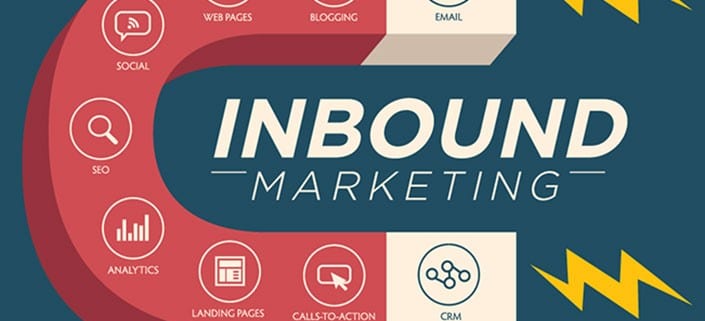
Inbound marketing will help you grow your business by attracting website visitors, converting them into leads and closing leads into customers
AI Marketing Tool

Empowering and Transforming Digital Marketing with AI

Introduction to AI in Digital Marketing

Artificial Intelligence (AI) is not just a buzzword but a pivotal game-changer. AI and digital marketing are increasingly intertwined, revolutionizing how marketers approach their strategies. Embracing AI can significantly enhance your marketing efforts, from personalized customer interactions to streamlined operations.

Personalization at Its Best

AI excels in creating personalized experiences for users. By analyzing vast amounts of data, it enables:

  • Tailored Content: The ability to understand and act on user preferences changes the game. This smart system crafts content that feels tailor-made, from recommendations akin to Netflix’s model to targeted advertising, enhancing user engagement significantly. Stevens & Tate offers insights on leveraging such capabilities in Creating Content That Resonates.
  • Predictive Analysis: This technique is reshaping how strategies are formed. By analyzing user interactions, this technology forecasts future needs, allowing businesses to stay a step ahead. The result? Campaigns that not only meet but anticipate customer desires, as discussed in Predictive Analysis in Marketing.

Cost-Effective Marketing Solutions:

The deployment of this technology has been transformative across sectors:

  • Automated Customer Service: Virtual assistants and chatbots, working round the clock, have redefined customer service in retail, banking, and healthcare, significantly cutting costs. Retailers use this technology for real-time recommendations, while banks offer instant account assistance. Healthcare and telecommunications benefit similarly, enhancing efficiency without sacrificing quality. The impact of AI in customer service is further explored in AI and Customer Service: A New Frontier.

These systems constantly evolve, learning from past interactions to improve future engagements, thus becoming an indispensable tool in customer service.

  • Efficient Resource Allocation: This smart technology dives deep into the outcomes of various campaigns to pinpoint the most effective marketing channels. By doing so, it ensures that every dollar spent is used in the most efficient way possible, leading to a more impactful marketing strategy and improved financial outcomes. This precision in resource allocation not only saves money but also amplifies the reach and effectiveness of marketing efforts.

Streamlining Marketing Efforts:

  • Enhanced Lead Generation: By leveraging advanced data analytics, this technology sifts through data to identify high-potential leads with remarkable accuracy. This process not only streamlines the targeting process but also enriches the sales funnel with quality prospects. The result is a more efficient marketing strategy that not only captures interest but also fosters lasting engagement, leading to better retention and conversion rates.
  • Optimized Ad Campaigns: With the ability to make real-time adjustments, this technology ensures that advertising campaigns are always performing at their best. By continuously analyzing engagement and conversion data, it keeps campaigns aligned with audience preferences and behaviors, leading to more effective engagement and a higher return on investment. This adaptability means that marketing messages remain fresh and relevant, deepening the connection between brand and audience.

Customization of Products and Services:

  • Predictive Product Development: By staying one step ahead of market trends, this technology empowers businesses to develop products that are ready for the future. It uses predictive analytics to forecast upcoming market demands, enabling companies to innovate proactively. This forward-thinking approach is essential for staying competitive and relevant in rapidly changing markets.
  • Service Personalization: This technology takes personalization to the next level by analyzing individual customer data to tailor services and products. By understanding the unique preferences and needs of each user, it enables businesses to offer highly personalized experiences that resonate on a personal level. This customization not only enhances customer satisfaction but also fosters loyalty, making users feel truly valued and understood.

For further exploration of AI’s impact on digital marketing, resources such as Marketing AI Institute and Forbes Insights on AI provide comprehensive information and case studies.


Click Here to Read More About WPBakery AI

Overcoming the Cons of AI in Marketing

While AI offers numerous benefits, it’s crucial to address its limitations:

  • Human Touch in Chatbots: While AI-powered chatbots provide efficiency, integrating human customer service ensures a balanced approach. This combination offers the quick resolution of simpler queries through AI, while more complex issues are handled by humans. This hybrid model ensures that while technology streamlines the process, the human element preserves empathy and understanding, crucial in customer relations.
  • Balance Between AI and Human Creativity: While it is true that AI offers valuable data-driven insights, it cannot replace human creativity and intuition. The most effective marketing strategies combine AI’s analytical strengths with human creativity and emotional intelligence. This synergy ensures that marketing campaigns are not only data-efficient but also creatively appealing, resonating with the human aspect of the target audience.
  • Accuracy of Algorithms: The effectiveness of AI is contingent on the quality of data it processes. Inaccurate or biased data can lead to flawed outcomes. Therefore, continuous monitoring, updating, and refining of AI algorithms are essential. This vigilance ensures that AI remains an accurate and reliable tool in marketing, adapting to new data and evolving market trends.

The use of AI in digital marketing offers a wide variety of useful benefits. From personalized customer experiences to cost-effective strategies and streamlined operations, AI is reshaping the marketing landscape. However, it’s crucial to maintain a balance between automated AI processes and the irreplaceable human touch. By thoughtfully integrating AI into your marketing strategies, you can stay ahead in the competitive digital arena, turning leads into loyal customers more efficiently.


Digital Communication Tools to Help Build a Human Brand

The success of your brand depends on much more than just convincing a potential customer to try your product. In the past, the customer experience has been based solely around the product being offered. These days, you need to look at the big picture. It’s not just about the customer experience in regards to your product. Instead, it’s about the emotional connection that customers are able to form with your brand.

Customers don’t just want a product, they want a relationship with the brand that is selling them that product. You need to focus on fostering an emotional connection with them instead of just trying to build awareness for a certain product. Fortunately, building an emotional connection with your audience is easier than ever before with the number of digital communication tools that are at your disposal.

relationship communication heart shape hands

The Importance Of An Emotional Connection

Customers are more than just transactions or data points. They are human beings with hopes, dreams, and feelings. In a world where their product choices are practically limitless, they will want much more out of a brand. They do not want to engage with a corporation. Customers want to engage with a brand that relates to them on a personal level. Their desire to have a connection with a brand in a world with product options that are virtually limitless is not surprising. A brand that is able to touch their customers emotionally is going to make their customers more engaged.

There are many ways that you can achieve this, like reinforcing the beliefs or perspective of your audience, supporting the goals or perspective of your audience, or challenging your audience to do greater things.

5 Marketing Tactics You Should Be Using in 2019

How Digital Communication Tools Can Help Foster An Emotional Connection

Engaging on an emotional level with your audience is easier than it’s ever been, as long as you make the effort to do so. The following are just a few ways that digital communication tools can help you to connect with your audience emotionally and to build meaningful relationships with them:person looking at digital communication

  • Video content

    When it comes to content, few other forms are able to engage audiences on an emotional level like video content. There are numerous reasons for this. Firstly, people consume visual content much more easily than written content. They also consume visual content much more quickly than written content. Secondly, you can use actors or even real figures that audiences can relate to on a personal level. This will create a sense of empathy and connection. Thirdly, you can emphasize certain emotions much more effectively through video. The color grading, visual style, and cinematography of the video all help set the emotional tone. The sound effects and music used in the video further enhance its emotional impact. They can also be used to create atmospheres that evoke certain feelings. YouTube is the most popular platform for sharing video content.

  • Segmentation

    Segmenting your leads and customers based on the data you’ve collected (via opt-in forms, surveys, and more) will provide you with valuable insight into who your audience is. This will tell you how you can connect with them. Once you have segmented your leads, you can create content that speaks to each group’s needs and interests. Effectively personalizing your content will allow you to catch your audience’s attention. It will also make it easier to drive engagement.

  • Social interaction

    The use of social channels makes it easy to engage with your audience in a personal and direct manner. You can promptly answer their questions, respond to their comments, and address their concerns. Customers appreciate brands that listen and respond to their needs. You’ll have a bigger emotional impact on those who witness the interactions on social media as well. Remember, personal and direct interactions make it easier to build meaningful relationships with your audience.

Building a human brand will help you build long-term relationships with your audience based on real emotional connections. Use digital communication tools available to you, like video content, segmentation, and social interaction, to emphasize emotion in your marketing efforts. Doing so will help your audience relate to you on a more personal level, thereby driving engagement with your brand.

Free Marketing Consultation
website strategy

Web Design Tips to Generate More Leads Online

Building a website for your company is great, but building a website that doesn’t generate any leads online is, well, not so great.  Fortunately designing a site that brings in leads doesn’t have to be too hard or overwhelming. Follow our web design tips below on how to design a user-friendly website that will draw people in and convert them on the spot.

Web Design Tips for More Leads

1. Know Your Audience

The first step before designing your site is to know your audience. You’ll want to create a persona that is a fictitious person that encompasses the characteristic of your typical customer. You can include demographics like age, gender, interests, purchasing habits, online behavior, job positions, hobbies or any other characteristics that you think will influence your target audience’s purchasing decisions. Once you have your personas developed you will be able to create your content based on what would be interesting to them.

This will save you a lot of time and effort that would have been wasted going after people that have little to no interest in what you have to offer. You wan to provide value with your content so it should be centered on how you solve the challenges and problems of your persona so that when they’re looking for solutions they find you.

According to HubSpot, using marketing personas can make your website 2-5 times more effective.

2. Make sure your website is well optimized

That last part brings us to our next tip – optimizing your website. Your audience is researching solutions to their challenges online way before they ever contact you. Website optimization or SEO is how they find your website when conducting their research.

To get the most out of your SEO you’ll want to design your content around your audience and not around search engines.  Publishing content without value to your audience is not going to get you anywhere.  Look for your target audience’s pain points, what they are searching for, and what terms or keywords are they interested then match the keywords in your content to the same terms. You’ll want to look for:

  • Keywords with a high number of searches
  • Keywords with a low competition

Download our guide for more on website optimization techniques.

3. Have compelling CTAs

Driving leads online to your site that don’t convert is essentially useless so you’ll want to capture their contact information.  In order to push your website traffic to the sales funnel you’ll want to have compelling CTAs on pages that cause users to take a specific action. Your call to action must offer your user something they would want in exchange for their information.  This will allow you to follow up and nurture the site traffic into customers long after they have left your site pages. The most compelling CTAs that cause users to convert include:

  • A visible position
  • A clear offering
  • An image or other visible component to grab attention
  • A link to a landing page where they will fill in their information to receive offer
  • A landing page that matches what the CTA had to offer
  • A simple form on the following landing page
  • A strong follow-up email

4. Add Testimonials and Case Studies To Your Website- Video is Best

Testimonials are a great way to attract and convert more leads. People love to see success stories and would be more compelled to contact you if they see that you helped solve problems for companies that were facing the same challenges they’re facing. Video testimonials are the best way to convey your success stories as they put a face and voice behind your success and instantly become more believable. Seeing the face of a happy smiling customer will make you seem trustworthy in the eyes of your potential customers compelling them to want to work with you to achieve the same results.

5. Measure and Test, Test, Test

This is a simple step but sadly often overlooked. Be sure to test everything on your site for bugs as nothing can make your audience flee faster than a broken link or bad user experience. A/b test different website page or content offers to see which one is more of interest to your visitors and consistently add new content to your site to improve your site.

Keep these tips in mind when designing your site and you’ll have an online “salesperson” that drives in qualified online leads ready to convert.

Inbound marketing will help you grow your business by attracting website visitors, converting them into leads and closing leads into customers

Senior Living Advertising

The Secret to SEO and 5 Tips on Optimizing Your Results

Search Engine Optimization (SEO) is the strategy of improving your website’s ranking on search engine results pages (SERPs). Doing so helps to increase visibility and explores the secret to SEO. If you do any online marketing, then the odds are you have some basic understanding of SEO. For instance, you’re likely aware that the use of keywords can help you attract new visitors.

However, the use of keywords isn’t the only factor that determines SEO rankings. The secret to SEO is that Google uses countless factors to determine website rankings. With that in mind, the following five lesser-known SEO optimization tips you should apply to improve your website’s rankings:

Top 5 Optimization Tips to Unlock the Secret to SEO

1. The Most Important Secret To SEO Is Knowing Your Audience

Your SEO rankings rely heavily on the quality of your content and the strength of your keywords. However, neither is possible if you don’t first know who your target audience is.

If you’re not creating content that’s relevant to your target audience, then that content isn’t going to rank well over the long term no matter how well optimized it is. You may get short-term results, but you’ll attract poor-quality leads that aren’t actually interested in your brand.

You need to create content that’s relevant to your target audience and addresses their specific needs. Doing so will not only help you rank better over the long run, but it will lead to more conversions. Creating buyer personas is an effective way to ensure that you understand who your target audience is.

2. The Overall User Experience Matters

When trying to improve your SEO, there’s more to focus on than just your website’s content. The overall user experience is also a major factor that search engines take into account when determining rankings.

For instance, if your website has great content but it loads slowly or is difficult to navigate, then users will have a poor experience. Not only will this result in higher bounce rates, but it will hurt your conversion rate and reduce return visitors.

To ensure a good user experience, you need to have a fast-loading website that’s easy to navigate. It should also have logical menus and no broken links. Additionally, should make sure that your website is mobile-friendly so that your site is easy to use on mobile devices.

Finally, you should provide links to off-site resources that can help educate your visitors further. Doing so will help you build a reputation as a selfless, trusted authority in your industry.

secrets to having a good SEO

How Your Web Page Speed Effects Your SEO and Google Ads Performance

3. Your Website Needs To Be Secure

Having a secure website is absolutely critical to maintaining the trust of your visitors, your leads, and your customers. Poor security can leave everyone vulnerable to data theft. If someone hacks your website, it can irreparably damage your reputation.

Furthermore, Google has stated that having an SSL (Secure Sockets Layer) certificate is now a ranking factor. An SSL certificate encrypts the data transmitted between your website and its visitors. This encryption helps to protect sensitive information like credit card numbers and login credentials.

A lack of an SSL certificate will only have a small impact on your ranking. However, if a security breach occurs because you don’t have an SSL certificate, it can hurt your reputation. As a result, you may experience a massive drop-off in return visitors, which will ultimately hurt your SEO rankings.

Last, but not least, having HTTPS (Hypertext Transfer Protocol Secure) in the address bar of your website also helps to build trust with visitors as it’s a sign that your site is secure. The more trust your brand creates, the more conversions, return visits, and social shares you will get.

4. Off-Site SEO Is Crucial To Your Overall Ranking Results

Google’s ranking system focuses on determining the quality and relevance of any given webpage. As such, they pay attention to off-site signals that provide an indication of your website’s popularity and authority. In other words, the more popular and authoritative your website is, the higher it will rank.

One of the best ways to improve your off-site SEO is by actively working on building relationships with other websites and bloggers in your industry. You can do this by guest blogging, leaving comments on other blogs, participating in forums, and more. You should also share your content across your social media channels to increase its reach and visibility.

Additionally, you should try to get other websites to link back to yours where relevant. You can do this by creating high-quality content that’s worth linking to. You can also reach out to other website owners and simply ask them to link to your site.

local SEO

5. SEO Strategies Should Never Be Set In Stone

The SEO landscape is constantly changing, which means what worked yesterday may not work today. As such, you should regularly review your SEO strategy to see what’s working and what isn’t.

One way to do this is by using Analytics tools to track various metrics and monitor the performance of your website. For example, you can track your website’s traffic, conversion rate, bounce rate, and more. You can also use Google Search Console to see how your website is performing in the SERPs and to get insights into any potential SEO issues.

Additionally, you should stay up-to-date with the latest SEO trends, implementing those that will strengthen your strategy. Regularly reviewing your existing strategy and updating it will ensure that your website has the best chance of ranking well.

The higher your website ranks on search engines, the better. This much is obvious. What’s not obvious is how to make your website rank higher. The secret to SEO is much more complex than just using keywords to attract visitors.

The secret to SEO is that a comprehensive long-term SEO strategy is needed — and these five tips are crucial to making sure you address a number of SEO ranking factors that Google looks for.

17 SEO Myths
New call-to-action
best times to post on social media

When Are the Best Times to Post On Social Media?

There are currently more than 5.02 billion people using social media. In 2025, that number is expected to grow to around 6.07 billion. Additionally, those people spend an average of 145 minutes a day using social media. If these numbers tell you anything, it’s that your business has to use social media as a way to reach and expand your target audience. Most businesses have some kind of social media presence at this point; however, to successfully grow and optimize your social media, you need to remain active by regularly posting to your social pages. The thing is, to reach as big of an audience as possible, you need to know the best times to post on social media.

The Importance Of Social Media Engagement and The Best Times To Post

When you post to social media is important because it directly affects the level of engagement you’ll receive. Although you may have numerous social media marketing goals, increasing engagement is arguably the most crucial. Engaging your followers is what’s going to keep them interested in your brand. Engaged followers will be more likely to share your content, visit your website, and, eventually, convert. If the content you’re posting isn’t relevant, it won’t be engaging. Additionally, if your followers simply miss your posts, you miss your chance of engaging them.

Social Media Campaigns for Attracting Prospects and Generating Leads

Knowing When To Post To Social Media

When you post content to your social pages, you’ll want to make sure it’s seen by as many people as possible. If you post content at a time when none of your target audience is online, it won’t do very well. Timing is everything. There are a number of factors to take into consideration when figuring out when to schedule your posts.

First, different social media channels have different user bases. People may be more active at night on one platform than they are on another. Second, you need to know your target audience. Different demographics tend to use social media at different times of the day. With this in mind, the following is a general breakdown of when to post on various social media platforms:

  1. Facebook

    Many people will check Facebook towards the end of their workdays as they wind down and get ready to stop working. As such, posting between 3 PM and 4 PM will often result in a lot of exposure. You’ll likely reach that same audience between 1 PM and 4 PM at the end of the workweek as well, on Thursdays and Fridays. However, typically speaking, users are less active before 2 PM.
    best times to post on social media

  2. Twitter

    Like Facebook, Twitter gets the most engagement during regular work hours. It’s especially active from 12 PM to 1 PM and during commuting times. Basically, people check Twitter when they have some free time available away from home. Twitter posts see less engagement outside of working hours, especially in the evenings and on weekends.

  3. Instagram

    Instagram does have a younger audience than Twitter and Facebook. As such, you’ll get much more engagement in the evenings from 7 PM to 9 PM. Midday (11 AM to 1 PM) is also a good time to post to Twitter. Instagram engagement also tends to spike on Wednesdays. However, like Facebook and Twitter, Instagram posts see less engagement on the weekends.

  4. LinkedIn

    Because LinkedIn is a professional social platform, posts tend to do best during work hours. There tends to be a significant drop-off in activity after 5 PM. Posts due best on LinkedIn when published between Tuesday and Friday. People often stay away from LinkedIn on weekends and are too busy on Mondays to engage on LinkedIn substantially.

linkedin

Schedule Your Posts Appropriately To Improve Engagement

Use this general breakdown to get an idea of when the best times are to post to social media. Just keep in mind that your specific audience plays a big part in when you should post. For instance, older audiences are less likely to engage on social media late at night, while younger audiences are.

social media marketing
50 powerful call to action phrases

The Benefits of Inbound Marketing

Inbound Marketing is all about empowering potential customers. It provides a shift in marketing tactics that can make a real difference in how consumers react to a company. Inbound strives to create marketing that people will love. The goal of inbound marketing is to give consumers content that will be helpful to them, rather than simply giving them a sales pitch. The following are some inbound marketing benefits.

inbound marketing

Benefits of Inbound Marketing

  • Long Lasting Relationships
  • The Buyer’s Journey
  • Brand Credibility

Read more

website redesign process

20 Tips To Improve Your Website Redesign Process

Your website is your audience’s first impression of your business and what you have to offer. Now more than ever, you only get one chance to make that first impression count. With the ever-growing competition and rapid advancements in technology, your website must stay up-to-date. The website redesign process ensures your site keeps pace with technological changes while delivering fresh, engaging content. An essential part of attraction marketing is drawing in your target consumer, and a modernized website plays a key role in achieving that.

Time For A Website Redesign website redesign

The website redesign process may seem like a daunting task; however, it doesn’t mean you have to completely overhaul your site. In fact, a redesign can simply involve changing graphics, rearranging page layouts, or making other small design adjustments.

Before you begin your website redesign process, it’s crucial to come up with a strategy first. Without a well-thought-out plan, your redesign could end up costing more and include elements that are inconsistent with what your audience wants to see. Since your website is your most valuable marketing asset, spending time strategically planning the redesign is vital to your overall sales success. Therefore, start your redesign process with a thorough evaluation of your business KPIs and use this to elevate your site to the next level.

The Website Redesign Process- Why Content Comes First?

20 Website Redesign Tipswebsite design process

1. Start with user testing to see what elements work for your users and which don’t.

2. Define the top three things you want to accomplish with your site.

3. Sketch out the new layout.

4. Go though the sales funnel of your site to see if it’s easy for a user to navigate.

5. Keep your conversion funnel as simple as possible.

6. Implement multiple lead capturing opportunities to grab your visitor’s email as much as possible.

7. Implement social media buttons prominently.

8. Have contact information be the easiest information to find on the site.

9. Select a color theme and typography that flows well together and maintain consistency on every page.

10. Keep call to actions limited to one to two per page.

11. Utilize motion in terms of layout and videos or image carousels.

12. Build a prototype of the new layout and have user testings performed before going live.

13. Think outside of the box by using disruptive imagery or bold colors.

14. Double check spelling and grammar- actually triple check.

15. Test all links and make sure they point people where they want them to go to.

16. Test site and mobile speed.

17. Make sure mobile site is user friendly and design elements maintain aspect ratios.

18. Optimize all of your pages for SEO and implement target keywords in page title, meta description, meta keywords, and page content.

19. Include some extra or fun pages. Users are expecting the standard contact, about us, and product/services pages. Make your website stand out with some fun or unique pages such as an FAQ page, a quiz page to match users to products/services, or industry pages that are directly relevant to users.

20. Incorporate testimonials.

In conclusion, a website redesign is not just about aesthetics; it’s about ensuring your online presence reflects the current needs of your business and resonates with your target audience. By carefully planning and strategically implementing the redesign process, you can create a modern, engaging website that enhances user experience, strengthens your brand, and drives conversions. Whether you’re making small updates or significant changes, putting your audience first and aligning with your business goals will ensure long-term success. Remember, your website is a vital marketing tool—investing in its redesign is an investment in the future of your business.

  25 Website Must Haves For Driving Traffic, Leads & Sales

Social Network Social Media People Meeting Communication Concept

Social Media Campaigns for Attracting Prospects and Generating Leads

Becoming a part of the conversation in today’s evolving social world is not only a smart marketing tactic, it’s absolutely essential. It increases awareness of your brand, builds relationships, facilitates outside interaction, allows you to stay connected with your customers and leverage brand advocates, promotes your content online, and so much more. But how does it fit into an Inbound Marketing strategy? Read more

3 ways to enhance your landing pages

3 Ways To Enhance Your Landing Pages

Landing pages are a great way to provide website visitors with helpful content, collect important customer information, and begin to build a relationship. They can be a great tool for generating leads for your business. But in order to convert visitors into leads, you must offer them something of value, and do so in a way that is easily navigable.

How To Improving Landing Page Performance

Here are a few easy ways to enhance your landing page performance.

Viewers should have a quick and clear understanding of the offer

People have very short attention spans, so in order to keep them on your landing page, it needs to be easily digestible within the first few seconds of viewing. Your message to your website visitors should be as clear and concise as possible. The headline should tell your visitors exactly what it is that you want them to do, and how to do it.

Using visuals to help communicate your offer can be helpful as well. Images should correlate well with the content offer, so viewers can quickly understand what it is they are accessing. For example, if you are offering an ebook, create a picture of the ebook or upload the ebook cover photo to the landing page. Good, descriptive images will make your offer more reliable, and will ultimately help convert more of your visitors into leads.

Also consider the value of your offer in what information you decide to collect. The higher the value, the more willing your visitors will be to provide information to you. This can help your company better understand your target audience.

Eliminate distractions on the page

People tend to be easily distracted, so you’ll want to make sure that there is nothing on your landing page that will deter them from providing their information and downloading your offer. It is important to remove the navigation bars and links from landing pages. While those are necessary on the home page, they can be detrimental to the success of your landing pages. At this point in the conversion process, you don’t want your visitors clicking back to a different part of your website and ignoring your offer.

Your landing page should have a strong focal point in order to enhance the clarity of the offer. Perhaps the focal point is your CTA that tells your visitors to download a white paper. Make sure that submit button attracts attention and is easy to click on.

Read More: 3 Helpful Tips To Improve Your CTAs To Generate More Leads

Include social sharing

Perhaps the only place you want your visitors to be able to navigate to from your landing page are your social media sites. Include social sharing icons so that your viewers can not only follow your social media accounts, but also so that they can share this offer to their own followers. Continuing your relationship with your visitors on social media is helpful to both your company and to them.

The success of your landing page performance depends on if they are formatted in a way that makes it simple for your visitors to digest and retrieve your offer. These tips will help convert your website visitors into leads, and further your Inbound Marketing efforts.

Are your landing pages ready to go? If so, find out how to continue guiding your leads through the Buyer’s Journey.

Inbound marketing will help you grow your business by attracting website visitors, converting them into leads and closing leads into customers