

The Power of Social Media Influencers: Why it works

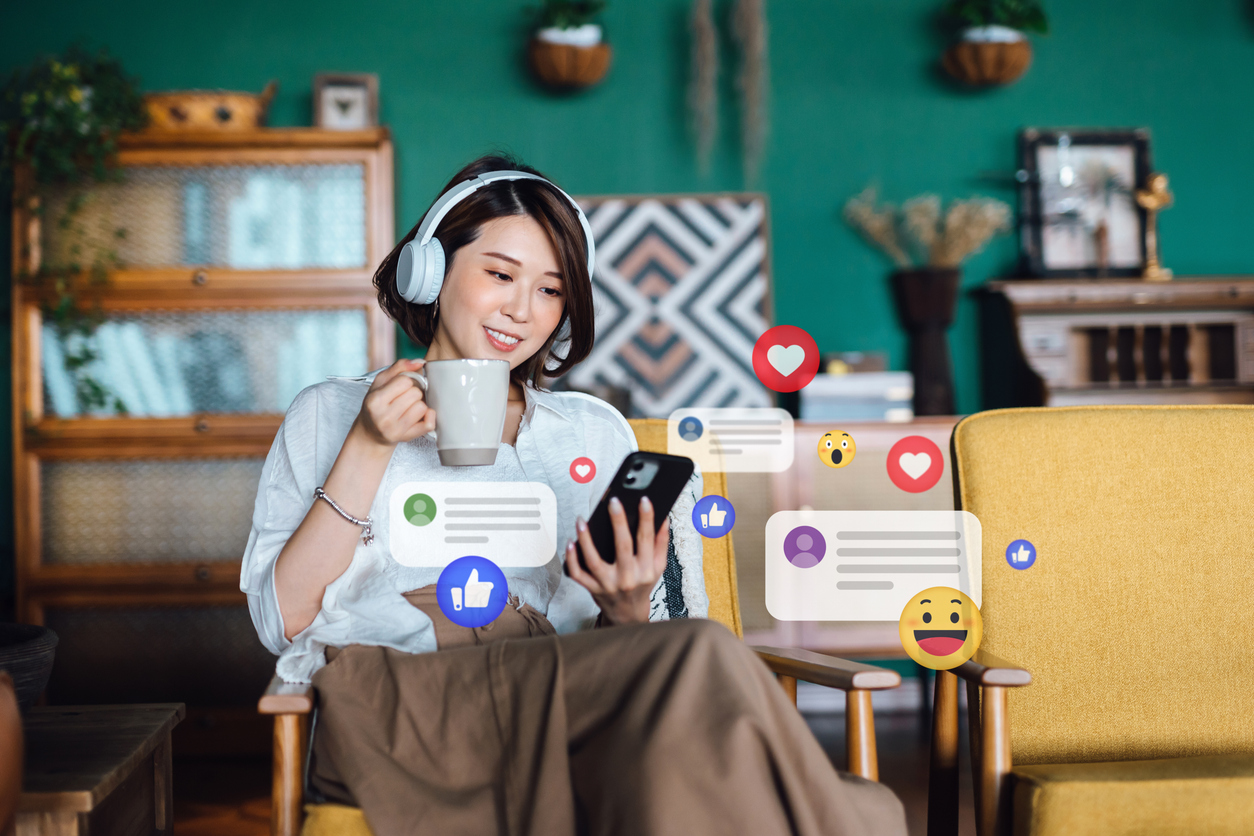
At this point in time, most businesses are well aware of the power of social media. According to Statista, roughly 79 percent of the American population has a social media profile, which accounts for almost 247 million people. However, simply having a social media presence isn’t enough. If you really want to take advantage of all that social media has to offer, you have to take advantage of the power of social media influencers. The use of social media influencers can help boost your brand’s reputation while also exposing your brand to an even bigger audience.

What Are Social Media Influencers?

Social media influencers are people on social media who can be considered “personalities” and who have massive amounts of followers who hang on to their every post. Many social influencers have such significant sway over their audience that they become mini-celebrities in a way. In fact, many celebrities are considered influencers because of their huge social media followings. Businesses are beginning to form relationships with these influencers as a way to gain access to these massive audiences. For example, when an Instagram model tags a designer brand in a picture of them wearing their clothing, the brand receives a huge boost in brand awareness amongst that influencer’s base.

The Benefits of Social Influencer Marketing

The following are some of the reasons why you should participate in social influencer marketing:

  • Improve brand awareness

The moment an influencer mentions your brand or showcases one of your products, you’ll immediately have the eyes of their followers on you. As a result, you’ll increase your brand awareness significantly based on the influencers you’re working with.

Also Read: Your Brand Reputation and Public Relations

  • Reach a relevant audience

If your influencer is relevant to your industry, then working with them will provide you with access to a relevant audience. For example, a business that sells dog food could gain more exposure to a larger audience by teaming up with an influencer whose Instagram account focuses on the daily adventures of their pet dog. It’s likely that this influencer’s audience is the type of audience the dog food brand is targeting.

  • A different way to promote products

There’s a fine line when it comes to advertising products and services to your audience. People often feel annoyed when they’re trying to read through a blog or email and all they find are advertisements. However, when an influencer promotes a product, most users don’t view it as a corporate advertisement despite the fact influencers are required to be transparent about the relationships that they have with brands when promoting a product. They see it more as an endorsement of a product from someone that they trust.

  • Influencers contribute to your content marketing

Influencers are natural content creators. It’s why they have such large followings, to begin with — they are capable of creating engaging content on a daily basis. They can not only create content promoting your brand but also generate content that a significant number of people are likely to share, like, and comment on. Essentially, influencer marketing benefits your content marketing efforts.

Also Read: How to Leverage Influencer Marketing for Your Brand’s Success

  • Improve your SEO

Influencers can significantly boost your SEO efforts. When mentioning your brand on social media, they often link back to the relevant page or use your company hashtag. This can improve your SEO because Google factors in backlinks from authoritative sources when ranking pages. Additionally, the web traffic that a backlink from a social influencer brings to your site can boost your page rankings.

Explore more with our Social Media Marketing White Pages

How Powerful Are Social Media Influencers?

Still not sure whether putting the effort into identifying influencers is worth the time and money? Consider the following social media influencer marketing stats that showcase just how powerful an influencer can be:

  • Around 49 percent of consumers make their purchasing decisions based on recommendations made by influencers that they follow.
  • About 40 percent of all Twitter users (and there are over 126 million of them) have made a purchasing decision as a result of a tweet.
  • Approximately 74 percent of consumers use social networks to help guide their purchasing decisions.
  • Around 40 percent of all consumers online use ad-blocking apps, making it challenging to reach them through paid advertising.

As you can see, influencer marketing is incredibly powerful — and it will only continue growing. Take advantage of the power of social media influencers by identifying the influencers that fit your brand. Reach out to them and begin to build a relationship that benefits you both.

Learn To Use Social Media To Find New Leads
smart goal examples

How To Incorporate Smart Goals Into Marketing Plan Development

Now, most of us have heard about how to develop SMART goals. But, how do you incorporate them into your marketing plan development?

A quick recap: SMART goals are those that are specific, measurable, attainable, relevant and time bound. This format makes it easier to see where you need to go and how to measure your progress. That’s why it’s perfect for your marketing plan development.

Making Your Marketing Plan SMART

Every plan must have at least one objective. In the world of marketing plans, the objectives usually include building demand for a product or service, maintaining current demand or shortening the sales cycle. The actual plan you put together works towards obtaining those objectives.

Setting high objectives sounds great on paper. But, when they are not specific, measurable, attainable, relevant or time bound, they become nothing more than marks on a page.

To avoid making paper goals, your marketing objectives themselves must be SMART. For example, let’s say your objective is to gain a 50% increase in market share in the next 12 months. That is definitely specific and measurable, but may not be attainable due to lack of resources or stiff competition. Relevancy depends on the size of the available market and how fast it is growing or not. Being able to grow that much in 12 months may or may not be possible depending on the market.

5 Smart Goal Examples For Business Development

Incorporate Smart Goals Into Marketing Plan

All of your objectives should be stated in SMART terms. Let’s say you want to increase the number of visitors to the Thingamajig product page on your website.

  • Specific: To increase the number of visitors to the Thingamajig web page by 25% over last quarter’s total.
  • Measurable: The total visitors last quarter was 2000, so the goal this quarter is to achieve a total of 2500 or more visitors.
  • Attainable: Increasing the number of visitors is definitely doable with increased spending in PPC ads and referral incentives for existing customers.
  • Relevant: The Thingamajig is our most profitable product. Ten percent of visitors to the website ultimately end up placing an order. Increasing the number of visitors to the Thingamajig web page has the potential of increasing the number of orders by 25% or more.
  • Time-Bound: The goal is to have this achieved by September 30th, so that we are ready to enter the Christmas season with a larger share of the Thingamajig market.

Also Read: SMART Goal Examples That Will Make You a Better Marketer

Going from a general objective to a detailed one is a major change. Here is what just happened:

  • General objective: “Increasing the number of visitors to the Thingamajig web page”
  • Detailed objective: “Increasing the number of visitors to the Thingamajig web page by 25%, or 500 more visitors, in the 3rd quarter, in order to generate 25% more orders and to obtain a larger share of the market during the upcoming Christmas season”

Applying SMART goal thinking to our marketing plan development will make all the difference in moving things forward. How can you incorporate it into your next campaign?

DOWNLOAD OUR GUIDE TO SUCCESSFUL TRADE SHOW MARKETING
advertising budget

Optimizing Your Advertising Budget: 5 Essential Factors for Success

The media landscape is constantly changing. New technologies and trends are emerging rapidly and existing platforms continue to evolve, providing more ways to spend your advertising budget. Today’s media plan looks far different than even last year, with more media channels, more devices, and even more opportunities to connect with shoppers. How do you find the most effective balance with an advertising budget and media plan that make sense now? Read more

brand loyalty

The Brand Loyalty Of Generation X

When customers buy products or services from the same brand every time, it is called Brand Loyalty. Even though there are other brand options available, customers prefer the same brand for their purchase. It is counted as a strong connection between a customer and a brand. Consumers like certain brands. They develop a trust that the brand’s products are of the right quality and a good value. That trust, along with other positive emotions, causes consumers to develop brand loyalty, where they tend to buy certain products from particular brands now and into the future. How brand loyalty works depends on many factors, age and status in life being two.

It is critical to understand how a particular generation develops brand loyalty. The insights gained by this understanding make marketing to the generation in question much easier. Let’s look at Generation X for example.

What Makes Generation X (Gen X) Unique?

Generation X is usually defined as those born between 1965 and 1980. This generation sits between the much larger Baby Boomer and Millennial generations. Because they are smaller than those two generations, many marketers forget they exist.

Members of Generation X straddle a critical divide. They remember times when Internet access wasn’t the norm. They grew up with a more traditional business model. However, they also came of age at the beginning of the Internet revolution. They have adapted quite well, using the Internet in many of the same ways their younger Millennial siblings do. By straddling this critical divide, Gen X feels comfortable in both traditional and digital marketing.

How To Develop Content To Build Customer Loyalty 

Opinions of Gen X vary greatly. As Gen X came of age, they were called slackers, loners, and apathetic. However, as Gen X emerged into adulthood, the descriptions changed. They are often called independent, dedicated, savvy, and innovative. Many of this generation grew up as “latchkey” kids, coming home to an empty house because both parents worked.

Because they came of age during a time of high unemployment and a stagnant economy, Generation X tends to be skeptical and cautious, with a bit of cynicism thrown in. They also look for lower price, high-value options that are convenient.

Generation X and Brand Loyalty

In June 2015, CrowdTwist conducted an online survey of just over 1200 North American consumers between the ages of 18 and 69. Approximately 1/3 of the people who participated in the survey were part of Generation X. The results of this survey provided critical insights into how Generation X develops brand loyalty and how brands can retain that loyalty.

Due to this generation’s built in skepticism, brands have to work to gain their loyalty. High quality products and excellent customer services are two components that members of Generation X value. They also want brands that are authentic and trustworthy. They must be relevant and stay relevant. Brands must prove they have value. Marketing pitches and overt salesy advertising are two things that turn members of Gen X against certain products.

The good news is that Gen X tends to stick with the brands they love. Almost 50% of Gen X survey participants indicated they are extremely loyal or quite loyal to their favorite brands. Only 14.6% said they are quite willing or moderately willing to try new brands.

Also Read: Customer Engagement Strategy

Takeaways

If you are targeting Generation X, you need to understand what it values if you want to develop brand loyalty with this age group. They can be cynical, skeptical and cautious. That requires a company to prove their authenticity and relevance. Gen X wants high value, cost effective options. They expect good quality products at affordable prices. They also love it when these deals are easy to find and easy to purchase.

Once your brand earns the loyalty of a Gen X member, that person is likely to remain a loyal customer for years to come.


Download Our White Paper Guide To Learn How To Perfect Buyer Personas For Your Business


relationship marketing strategy

5 Ways To Improve Your Relationship Marketing Strategy

It may seem obvious, but building a business is a long-term effort. As such, it requires a long-term strategy. You can’t succeed by only making quick sales. You need to build a customer base — it’s the only way to not only grow, but to survive. Unfortunately, a lot of businesses assume that once someone has made a purchase, that customer is part of their “customer base.” This is not how it works — they usually do not become loyal to your brand after one purchase. You need to nurture them past the point of the sale, which is why you need to implement a strong relationship marketing strategy.

What is Relationship Marketing?

What is Relationship Marketing? Relationship marketing is a marketing strategy that focuses on building long-term relationships with customers, rather than simply making individual sales.

The Importance of Customer Retention

Keeping your existing customers is essential to your company’s success. As such, it’s important that you continue to build the customer relationships that you’ve established. If you don’t, they’re less likely to feel a sense of loyalty to your brand and will be more likely to jump to a competitor. If that’s not enough of a reason to put some effort into keeping existing customers, consider the following:

  • Repeat customers spend an average of 67 percent more per purchase than first-time customers.
  • It can cost up to 25 times as much to close a new customer than to keep an existing customer.
  • Increasing your customer retention by as little as 5 percent can boost your revenue by as much as 25 to 95 percent.
  • Existing customers will refer other leads to your business.

As you can see, customer retention is important. The best way to increase customer retention is by implementing an effective relationship marketing strategy.

Similar Article: Improve Your Marketing Strategy By Asking These 4 Questions

How To Improve Your Customer Relationship Marketing Strategy?

The following are a few tips to help you strengthen your relationship marketing strategy for increased customer retention.

1. Improve Your Customer Service

Poor customer service is going to result in a poor customer experience, making customer retention more challenging. Providing good customer service should be the foundation for any relationship marketing strategy. If your customers have questions, concerns, or even complaints, your customer service should be able to engage with them immediately to provide a solution or to provide helpful advice.

Besides making sure your customer service reps are friendly, respectful, and know how to handle every kind of situation, they also need to be easy to reach. There’s nothing more frustrating for a customer than being unable to reach customer service. Make it easy for customers to reach out through multiple channels, including phone, email, text, social media, and a live chat feature on your website. You want to be able to help your customers no matter where they are.

2. Listen To Feedback


Listening to feedback from existing customers can help you improve the customer experience. Doing so will help improve your ability to nurture customer relationships in the future. Not to mention that by showing existing customers that you care about what they think and actually do something with the feedback you collect, you help build trust in your brand. Don’t just listen to complaints when customers have them either — go out of your way to ask for feedback. You can do this by asking for specific feedback on social media or by emailing surveys to customers after they’ve made a purchase.

3. Create Content Targeting Existing Customers

As far as content marketing strategies go, a lot of companies focus solely on attracting and nurturing new leads. Don’t forget about your existing customers! The content you create can still be useful to them if you actually target them. Create content that better informs them about the problems you know they have. Use it to educate them about their purchases so that they can get the most out of them.

How To Develop Content To Build Customer Loyalty

4. Embrace Email Marketing

You should have information about existing customers that you can use to improve how you segment your email lists. This should allow you to email existing customers content that is more relevant to them and to potentially identify relevant cross-selling or up-selling opportunities that you can email to them. Email is a great way to nurture your customers and to keep your brand at the top of their minds.

5. Implement A Loyalty Program

A loyalty program rewards repeat customers. This provides them with an incentive to continue doing business with your company. With a loyalty program, customers are more likely to make additional purchases and are less likely to jump ship to a competitor.

A good relationship marketing strategy is vital when it comes to customer retention. Use these tips to strengthen your relationship marketing strategy so that you can nurture existing customers, increase brand loyalty, and generate more sales as a result.

buyer persona guide for business

Maximizing Email Personalization

Black Friday is one of the largest shopping days, where consumers buy everything from electronics and household items to software, services, and subscription plans. Whatever product or service you sell, Black Friday allows you to market your business and reach as many prospects as possible. But how can you maximize Black Friday sales? One obvious answer is to tap into the power of email personalization.

For many years, many “marketing gurus” have predicted the end of email marketing, but despite the efforts to market its downsides, email marketing remains relevant and more effective than ever. The beauty of email marketing is that you get to reach a more targeted audience. Plus, if you personalize your emails well and sell a real solution to a real problem, converting prospects to customers is cheaper and faster than the other marketing techniques.

In the sections below, we’ve discussed some of the most effective email personalization techniques you can implement to increase Black Friday sales.

Embrace Email Segmentation 

Imagine creating one generic email and sending it to 500 business prospects, i.e., without adjusting anything from the subject line to the closing paragraph. Now, suppose you categorize your prospects into five groups and create an email list for each. And for each category or group, specify the key attributes, such as what sets that group apart.

A perfect example would be categorizing prospects based on age, gender, personal preferences, location, etc. This will allow you to target each email list with a personal touch instead of using a generic email that addresses everyone.

Consider using some marketing automation tools to personalize communication with your customers. Here, you will gather data from your site visits and opt-in forms and use that input to segment your email list further or even feed more relevant information into the various relevant groups.

After successfully segmenting your email list, you can easily and conveniently target your market demographics and increase the odds that those prospects will respond to your email. From then, you can redesign your email campaigns and optimize your marketing to nurture those leads properly.

Use Personalized Content and Messaging 

Segmenting your emails and grouping prospects isn’t a silver bullet in the email marketing niche. You still need to personalize the content you’ll be sending these prospects, and that’s where the real email personalization comes in.

Creating personalized content for each group of prospects ensures you are engaging them at a deeper level. How you will target young prospects in their mid-20s will differ from how you’ll target the older prospects enjoying their retirement.

Effective email personalization lies in how the message is conveyed and the intent of that particular message. Still, personalized content doesn’t exist in silos. There’s a need to deploy other email marketing tactics, such as user-generated content, to enhance the personalization aspects of your email marketing campaigns.

Besides helping you connect easily with prospects, personalized content and messaging allow you to understand your customers better. During the research phase, you might discover that a particular group of prospects prefer certain products over others. This will save you a lot of time and money you could spend with generalized marketing tactics.

Instead, you’ll focus on giving them what they want, removing too many choices for them and replacing that with specific and tailored reasons to take action. And the best part of personalizing your content and messaging? Your prospects are ready to help you succeed – In fact, 83% of consumers are willing to share data to facilitate more personalized experiences, according to a recent Accenture Pulse Report.

Optimize with Mobile

Current statistics show that nearly 6.92 billion people use their smartphones to access the internet. That is a whopping 86.3% of the world population. If your email marketing strategies are to take shape and yield positive results, you should target prospects through their smartphones.But what does that mean when you send an email not optimized for mobile? Or, even worse, send a plain email without any design considerations? Well, the results won’t be impressive, no matter how consistent you are with your marketing.

People are becoming wary of random emails and are ready to dodge any direct notifications or messages in their inboxes. And that’s especially true for poorly-delivered emails. But as much as people don’t like to be sold, they still want to buy the products and services that resonate well with them.

One way to make your products and services more appealing to prospects is to deliver them using a well-designed email optimized for mobile. Check if the email has a subject line with the right number of characters, a pre-header text, some graphics, and a great CTA.

Once you incorporate mobile-friendly emails into your overall mobile marketing strategy, you will reach as many prospects as possible, increasing the chances that they will open the email and take the desired action.

Try Episodic Content 

The term episodic content means content published as a series of posts. An example would be content about a broad topic broken down into episodes or chapters. This marketing technique often helps avoid information overload and allows prospects to choose their adventure trail.

With email marketing, you can break down your personalized content into relevant chapters. You can then deliver these chapters to your customers regularly, allowing them to learn and build relationships with time.

The goal is to build on previous emails and focus on delivering value to your prospects. With time, you’ll have greatly impacted your prospects, and they will be open to doing business with you.

Final Thoughts 

Boosting sales on Black Friday takes a lot more than running some timely email campaigns and giving away insane discounts and offers. What you need to have is an email marketing strategy that’s robust enough to guarantee success.

Depending on your specific type of business, you may need to combine various email marketing techniques to guarantee success. Remember, not all strategies will work for your unique business, so try as many options as possible before picking the best.

Free Marketing Consultation

Essential Website Updates for Senior Living Communities

Having an effective online presence is crucial for businesses across all industries, including senior living communities. With the internet as the go-to resource for information, potential residents and their families increasingly rely on websites. They use websites to research and choose the right community for their loved ones. This article will explore key website updates that senior living communities should consider. The goal is to stay relevant and provide the best possible experience for their audience.

According to a study by the Pew Research Center, as of 2021, 73% of adults over the age of 65 in the United States use the internet. This number has been steadily increasing over the years, highlighting the importance of a strong online presence for senior-focused businesses. 

A report from the National Institute on Aging reveals that more than 40 million Americans are currently aged 65 and older, and this number is expected to double by 2050. As this demographic continues to grow, catering to their online needs becomes increasingly important. 

The AARP reports that 96% of seniors have a desire to age in place, meaning they prefer to stay in their own homes or communities as they grow older. An informative website is crucial. It’s user-friendly and powerful. It convinces potential residents and helps them see your community as the right fit.

Interested in more ideas for your Senior Living Community? Visit our Senior Living Marketing Tools. 

Key Website Updates for Senior Living Communities: 

Mobile Optimization: With the majority of internet users accessing websites through mobile devices, it’s essential that senior living communities ensure their websites are mobile-friendly. This includes responsive design, easy navigation, and fast-loading pages. 

Clear and Accessible Information: Provide easily accessible information about your community’s amenities, services, pricing, and contact details. Use clear and legible fonts, and ensure that text is large enough for seniors to read comfortably. Consider accessibility features that include the ability to view the site in high-contrast. Also, consider the option to enlarge the type and ensure support for auditory tools.

High-Quality Imagery and Videos: Visual content plays a crucial role in conveying the atmosphere and lifestyle of a senior living community. Use high-resolution images and videos to showcase the facilities, common areas, resident activities, and living spaces. 

Testimonials and Resident Stories: Feature authentic testimonials and stories from current residents and their families. This provides prospective residents with valuable insights into the quality of life and care they can expect in your community. 

Virtual Tours and Interactive Maps: Offer virtual tours or 360-degree views of the community to give potential residents a comprehensive look at the facilities. Additionally, an interactive map can help them navigate the layout of the community. 

Blog and Resource Center: Maintain a blog that covers relevant topics such as healthy aging, caregiving tips, considerations and advantages of moving to a community, helpful tips and community events. This not only positions your community as a trusted resource but also improves your website’s search engine optimization (SEO) rankings. 

Online Inquiry Forms and Live Chat Support: Streamline the inquiry process by providing easy-to-use online forms for prospective residents and their families to reach out. Consider implementing a live chat feature for immediate assistance and support. 

Final Thoughts

These essential website updates can significantly enhance the online presence of senior living communities. Catering to the digital needs of potential residents and their families is essential. It helps communities establish trust, provide valuable information, and create a positive first impression. To conclude, this positive impression encourages further exploration and engagement. Embracing modern website practices is crucial for the continued success and growth of senior living communities in the digital age.

Website Redesign Checklist
New call-to-action
mobile optimized website

The Importance of Having a Mobile Optimized Website

More and more people are using mobile devices, such as smartphones and tablets, to surf the web. At this point in time, more people are using their mobile devices to perform searches than they’re using computers. Roughly 60 percent of organic search engine visits occur on mobile devices in the U.S., according to Statista. This means that if you have a website, then you should consider optimizing it for mobile use. In fact, not having a mobile could actually be detrimental to your marketing efforts.

What is a Mobile Optimized Website?

You need to understand the differences between a mobile friendly site and a mobile optimized site. A mobile friendly website accurately displays on smaller screens. It usually appears as a smaller version, although it may not always work perfectly on touchscreen tablets. It should, however, still be functional. Mobile friendly websites also have features such as text-based phone numbers or email addresses that can trigger direct calls or email messages via mobile devices or slideshows and image rotators that function without Flash support.

While a mobile friendly site helps ensure your site functions on mobile devices, mobile optimization goes a step further. A mobile optimized site reformats itself for mobile devices. It not only makes sure to properly display on smaller screens, but also makes the site much easier to navigate. It reformats content, displays larger navigation buttons and optimizes images according to screen size.

25 Website Must Haves

The Benefits of a Mobile Optimized Website

Responsive design helps ensure the mobile optimization of your website. This tends to cost more to develop, but it ensures the mobile optimization of every aspect of your website. This will provide significant benefits over the long run. The following benefits result from a mobile optimized website:

Improve your user experience

User experience is essential. If you don’t provide a good user experience, visitors will leave and they won’t return. The mobile experience is much different from the computer experience. Visitors need to be able to read your web pages with ease, click links without zooming in, and navigate your site on a smaller screen. Without mobile optimization, users often struggle to read or navigate websites on mobile devices.

Improve website speed

When you optimize your website to meet mobile standards, then your website should load quickly. Websites that aren’t properly optimized for mobile often take a while to load, especially when they use Flash elements. Mobile users simply aren’t going to spend time on your site if they can’t get your pages to load. By improving the speed of your site, you’re more likely to keep visitors on your site for longer periods.

Increase user engagement

A mobile optimized website increases the likelihood of engaging your visitors. This is because visitors will spend more time on your site navigating through content. They will also be able to interact with your site, whether it be by liking content, clicking on CTAs, or even contributing to your comment sections.

Learn more about mobile with these Mobile Marketing Strategy

Increase average time on site

When you provide a good user experience to mobile users, they will end up spending more time on your website. The longer they spend on your site, the more likely they are to convert or return again later.

Improve your mobile SEO

A few years ago, your mobile SEO wouldn’t affect your regular SEO. However, due to how many mobile users there are now, Google has begun factoring a website’s mobile SEO into their regular SEO. This means that if you don’t have a website that’s optimized for mobile use, it will actually hurt your SEO.

Attract more local customers

Mobile SEO is extremely important to local SEO. Many people will perform search queries on the go when they are looking for a specific business. These people want to buy. If they are near your physical location and they find your website while doing a mobile search, they’re more likely to drop in and make a purchase. Poor mobile SEO will translate to poor local SEO, thereby potentially hurting your ability to attract local customers.

Grow Your Business With Mobile Optimization

Considering how many people use mobile devices to perform search queries and explore the web, the importance of a mobile optimized website can’t be overstated. If you do not optimize your website design for mobile use, you risk losing a significant part of your target audience.

Website Redesign Checklist
New call-to-action

What’s Trending in Marketing For October 2023

Welcome to our October 2023 edition of “What’s Trending,” where we bring you the most relevant marketing news and insights. Stay informed and ahead of the game with our curated collection of marketing trends and reports in fall 2023.

Noteworthy Marketing News 

Booking.com Is Striking a New Balance Between Brand and Performance

In 2022, Booking.com showed up at the Super Bowl for the first time with a spot starring Idris Elba. It booked a second ticket to the Big Game in 2023, making a comeback with actress and producer Melissa McCarthy. For Natalie Wills, vp of brand at Booking.com, these star-studded multi-channel campaigns are emblematic of how the travel giant is increasingly walking the line between brand building and performance marketing. “Historically, we’ve been quite a performance-led organization, but in the last couple of years, we’ve really been delving into brands,” she explained. Read more here

What Marketers Are Saying About Their Marketing Misalignment Woes

Modern marketing organizations are truly impressive, creative powerhouses that drive impact through their content, and backed by refined analytics and business intelligence. The one thing they often miss, however, is organizational alignment. Executives lack insight into the work being done – independent contributors don’t understand how their daily work connects to the plan and managers are stuck in the middle without enough information to communicate up or down effectively. Read more here

How NIL deals and brand sponsorships are helping college athletes make moneyNFL Brand Marketing trends 2023

Student-athlete influencers have become key parts of marketing strategies for companies and capitalized on their athletic performance to bring in previously unattainable levels of fame and fortune. The NIL market is worth an estimated $1 billion annually. The industry’s growth has been driven in large part by collectives. These donor-backed groups facilitate NIL opportunities like autograph signings and appearances at fundraisers and account for 80% of the money flowing to student-athletes. Read more here

Find these articles interesting? You may like: How to Leverage Influencer Marketing for Your Brand’s Success

Improving Your Marketing Program

5 SMART Goal Example For Business Development

A smart goal is basically what the acronyms from the name suggest. It is specific, measurable, attainable, and relevant and time bound. The Smart Goal process provides a frame where you can create a long term goal. It also provides a time limit for you to work on the same goal. By doing this business’ are 70% more successful in achieving their goals thanks to regular check-ins, updates and group accountability. Check out some smart goal examples for business development that will help you understand the system better and enhance your business. Continue to read here

Emotional Advertising: How Brands Use Feelings to Get People to Buy

emotional advertising marketing trends 2023Emotional advertising uses emotions to connect with consumers and encourage them to buy a product or service. This type of advertising appeals to the heart rather than the head, and it can be quite effective in leaving a lasting impact on customers. Informing your audience is important. You want potential buyers to understand what their problem is, and how your products or services can solve that problem. Unfortunately, people don’t generally make purchases based on information alone. It turns out that people are more prone to making emotional purchases than informed purchases. It’s why commercials consist of much more than an explanation of a product’s use. Instead they use emotional advertising to target the viewer. Continue to read here

4 Essential Brand Component

There’s a common misconception that many people have that a “brand” is basically just the name of the company and the logo that they use. While these elements contribute to the overall brand of a business, the term “brand” is actually much more comprehensive than that. It involves many different components, which is why it takes a lot of thought in order to successfully develop your brand. The following are the four main brand components that you will need to address when building your brand and what kinds of strategies you can put into place to further develop those components. Continue to read here.

Learn The StoryBranding Process

Recent Marketing Reports, Updates, and Trends

Marketing Briefing: Here are 5 marketing trends you have missed from 2023 Advertising Week 

Another Advertising Week New York has come and gone. And while the event last week, in its nineteenth iteration, was hybrid in-person and online, it covered topics that have dominated marketers’ minds this year. Here are the 5 top takeaways you might’ve missed if you weren’t able to attend. Read the full article

Adapt Or Persist? Analyzing 5 B2B Marketing Trends In 2023

B2B Marketing trends 2023The marketing landscape is undergoing a significant shake-up—from a laser focus on data privacy to widespread layoffs in tech to the game-changing impact of generative AI. When it comes to marketing strategies, it’s crucial to understand what’s shifted and what’s remained constant. Forbes surveyed more than 300 B2B marketing professionals with the goal of understanding their priorities and budgets, as well as how they’re using AI. Forbes identified five trends and strategies for business leaders and marketers as we venture further into the back half of 2023. Read the full article

75 Branding Statistics for 2024: Top Insights and Marketing Trends 

The rise of the internet and digital marketing has unleashed new possibilities for brand marketers. Before the internet, brands were built in boardrooms and involved mass advertising to reach the public. If you’re looking to master the art of building a great brand, then understanding how customers perceive brands is crucial. Let’s look into some of the most important branding statistics. Read the full article.

Free Marketing Consultation


The Power of Story Branding

The Power of Story Branding: What We Can Learn from Successful Brand Stories

In today’s competitive marketplace, establishing a strong brand identity is essential for businesses looking to stand out and connect with their target audience. One powerful tool that can help achieve this is story branding. By weaving narratives into their brand strategies, companies can create emotional connections, engage customers, and leave a lasting impression. In this article, we will explore inspiring examples of successful brand stories from renowned brands. Additionally, we will uncover valuable lessons you can apply to your own brand strategy.

The Elements of a Compelling Story Branding

Before diving into specific examples, let’s first understand the key elements that make up a compelling brand story. A well-crafted brand narrative typically includes a relatable protagonist, a clearly defined problem or challenge, and a resolution that showcases the brand as the hero. Successful brand stories also incorporate emotional appeals, authenticity, and a sense of purpose. These elements provide a framework for creating stories that resonate with audiences.

  1. Nike – Empowering Athletes around the World

Hidden meaning of 11 world's most famous logos - Nike | The Economic Times

The global sportswear giant, Nike has built its brand around empowering athletes. Through their “Just Do It” campaign, Nike taps into the universal human desire for personal achievement and overcoming obstacles. Their advertisements often feature real-life athletes, showcasing their struggles, determination, and triumphs. By positioning themselves as the supporter and ally of these athletes, Nike establishes a powerful emotional connection with their audience, inspiring them to push beyond their limits and embrace the spirit of victory.

Key Takeaway: By aligning your brand with a higher purpose and leveraging relatable stories of individuals who embody that purpose, you can inspire and motivate your audience.

  1. Coca-Cola – Spreading Happiness and Connection

Coca-Cola logo png

Coca-Cola is known for its ability to evoke emotions and create a sense of nostalgia. Their branding focuses on the idea of bringing people together, celebrating moments of joy, and fostering connections. Through heartwarming commercials, Coca-Cola tells stories that revolve around love, friendship, and shared experiences. These narratives tap into the universal desire for happiness and leave a lasting positive impression on consumers.

Key Takeaway: Highlighting shared values and emotions can forge a deep connection with your audience, making your brand memorable and relatable.

  1. Apple – Empowering Creativity and Thinking Differently

File:Apple logo black.svg - Wikimedia Commons

Apple’s brand story centers around innovation, creativity, and thinking differently. They have effectively established themselves as advocates for those who question conventional norms and surpass limits.

Apple’s advertisements frequently highlight artists, musicians, and visionaries who have used their products to forge extraordinary masterpieces. By associating their brand with groundbreaking individuals and their stories, Apple cultivates an image of cutting-edge technology that empowers people to unleash their creative potential.

Key Takeaway: Align your brand with a specific mindset or ideology to attract like-minded individuals and differentiate yourself in the market.

  1. Patagonia – Advocating for Environmental Conservation

How to Design a Mountain Logo that Reaches New Heights | by Kaejon Misuraca | UX Collective

Patagonia, an outdoor clothing and gear company, has built a brand story around environmental activism and sustainability. Their messaging highlights the importance of protecting the planet and living in harmony with nature.

Patagonia actively engages in social and environmental initiatives, and its campaigns often feature real stories of individuals fighting for conservation. By embodying its values and walking the talk, Patagonia has created a passionate community of environmentally conscious customers who align with its mission.

Key Takeaway: Authenticity and commitment to shared values can attract a loyal customer base and elevate your brand’s impact beyond just products or services.

  1. Airbnb – Building a Global Community of Hospitality

Airbnb logo in transparent PNG and vectorized SVG formats

Airbnb, the online marketplace for accommodations, has successfully leveraged the power of story branding to create a global community of hospitality. Their brand story revolves around the idea of belonging, cultural exchange and connecting people from different backgrounds.

Through their marketing campaigns and user-generated content, Airbnb showcases real stories of hosts and guests who have formed meaningful connections and shared transformative experiences. Airbnb highlights personal stories, tapping into the desire for authentic travel experiences. This creates a sense of trust and belonging within their community.

Key Takeaway: Shifting the spotlight onto the experiences and tales of your clientele can aid in cultivating a close-knit community around your story branding while nurturing a profound sense of belonging and confidence.

  1. Dove – Promoting Self-Acceptance and Beauty Diversity

Dove Logo transparent PNG - StickPNG

Dove, a personal care brand, has embraced a powerful brand story centered around promoting self-acceptance and embracing beauty diversity. Through their “Real Beauty” campaign, Dove challenges societal beauty standards and celebrates the uniqueness and individuality of women.

Their advertisements and initiatives aim to empower women by highlighting their natural beauty and encouraging self-confidence. Dove addresses a common struggle and champions a more inclusive definition of beauty. This approach has led to immense brand loyalty and sparked meaningful conversations.

Key Takeaway: By addressing societal issues and promoting values that resonate with your target audience, you can build a brand story that inspires and empowers, creating a lasting impact.

  1. Kamik – Embracing Nature and Sustainability

Kamik Logo Vector Download - (.SVG + .PNG) - Logovectordl.Com

Kamik, a footwear brand specializing in outdoor and winter footwear, has crafted a brand story that embraces nature and sustainability. Their messaging revolves around enjoying the outdoors while protecting the environment.

Kamik showcases its commitment to sustainability through the use of recycled materials, eco-friendly production processes, and partnerships with environmental organizations. Kamik highlights efforts to minimize its ecological footprint, appealing to environmentally conscious consumers. This resonates with those who prioritize sustainable choices in their purchasing decisions.

Key Takeaway: By aligning your brand story with sustainability and showcasing tangible efforts to protect the environment, you can attract environmentally conscious consumers and differentiate your brand in the market.

  1. Usersnap – Simplifying Feedback and Collaboration

Usersnap Status

Usersnap, a feedback and bug-tracking tool, has developed a brand story centered around simplifying the feedback and collaboration process for businesses. Their messaging emphasizes the importance of effective communication and streamlined workflows.

Usersnap’s story branding example highlights how their software helps teams gather feedback, track bugs, and and enabling seamless collaboration. The emphasis is on improving productivity and delivering enhanced digital experiences. Usersnap addresses the pain points of its target audience. By providing a solution that simplifies complex processes, Usersnap positions itself as a trusted partner in feedback management.

Key Takeaway: Understanding the challenges your target audience faces positions your brand as a reliable and valuable resource. This fosters long-term customer relationships.

Bottom Line

Story branding is a powerful tool for creating a lasting impact in today’s competitive marketplace. By understanding these lessons and applying them to your own brand strategy, you can craft a compelling brand story that resonates with your audience, differentiates your brand, and fosters long-term connections.