
social media trends 1

TikTok Advertising Strategies Are Becoming More Common

Most businesses these days are using at least one or two social media channels to market their brand. However, new social channels emerge every year, many of which are worth your attention. Take TikTok for example. Although initially dismissed by most as another social media platform for teens, more businesses are taking notice. This is because they are beginning to realize that TikTok is attracting more adult users every day. As such, TikTok advertising is well worth considering.

What is TikTok?

TikTok started off as a platform on which users could upload videos of themselves lip-synching to music videos. These videos were no more than 15 seconds long. In a way, they were like a more niche-based version of the now-defunct Vine social platform. As such, it was no surprise that the platform attracted a younger audience. However, older users began taking advantage of TikTok’s audience to showcase themselves in different ways. For example, comedians would upload short videos of stand-up routines. Another example is of skateboarders, who would upload tricks that they landed. Soon, TikTok allowed its users to upload videos up to 60 seconds long.

Who Uses TikTok?

TikTok still has a userbase that leans on the younger side with more than 66 percent of its users under the age of 30. However, if you have a younger target audience, then TikTok is very much worth your time. This is especially true when you consider the fact that more parents are using TikTok on a daily basis (it’s estimated that 41 percent of dads have used TikTok). Not to mention that TikTok currently has over six million users in the U.S. alone.

Video Marketing Ideas: Using Storytelling in Social Media

How Can You Leverage TikTok To Market Your Brand?

If your buyer personas match the target audience of TikTok, then you may be curious as to how you can use the platform to your advantage. The following are just a few effective tactics when it comes to TikTok advertising:

  • User-generated content

TikTok is a great platform for encouraging user-generated content. Instagram is the other social channel where user-generated content is incredibly effective. One of the reasons user-generated content is so successful on both of these channels is because it encourages active audience engagement. Not only will they be engaged with your brand, but they will also generate content that helps promote your brand. In a sense, you’ll be getting free advertising. Users are more likely to participate using TikTok as well due to the platform’s focus on video creation.

  • TikTok challenges

One of the reasons why TikTok’s popularity has exploded over recent years is due to the challenges that users engage in. For example, one type of challenge involves doing a specific dance move or physical challenge (such as taking off your shirt while doing a wall stand). Many of these challenges go viral organically, but businesses have begun creating their own challenges in an effort to engage more users. When creating a challenge, make sure to use a hashtag along with an appropriate title. Doing so ensures that the challenge has a better chance of being found and shared.

  • Influencer marketing

Just like Instagram, TikTok is home to users with enormous followings. As such, you should consider influencer marketing. Influencer marketing involves building a relationship with someone on the platform with a large influence (number of followers). As long as your brand is relevant to them, they will be able to influence their followers’ awareness and feelings about your brand. For example, if you create a challenge, you can get it exposure by having an influencer take part in that challenge. They can also encourage their followers to do the same.

  • TikTok’s advertising platform

Like other social platforms, TikTok does have its own advertising platform that you can use. Some of the options include in-feed videos, brand takeover ads, branded AR content, and more. TikTok can even help assist with your influencer marketing campaign via its customer influence package. Additionally, you will can customize your targeting options using website traffic, ad engagement, app activity, or customer contact data.

Begin Integrating TikTok Advertising As Part Of Your Social Marketing Strategy

Although TikTok has a younger user-base, it is continuing to grow, attracting more and more older users. As such, it’s worth considering TikTok advertising, especially if any of your buyer personas match with TikTok’s current audience.

 

social media marketing
User-Generated Content

User-Generated Content: Turning Your Customers Into Brand Ambassadors

Today, consumers are constantly bombarded with advertisements, and trust has become the most valuable currency in marketing. People no longer rely on what brands say about themselves. This shift is exactly why user-generated content has emerged in modern marketing. When customers willingly share their experiences, they don’t just consume your brand; they actively promote it. With the right approach, user-generated content in marketing can transform satisfied customers into powerful brand ambassadors.

This article is going to talk about what is user generated content, how it works, and how businesses can build an effective user generated content strategy that supports both awareness-building (TOFU) and decision-making (MOFU) stages of the buyer journey.

What Is User Generated Content?

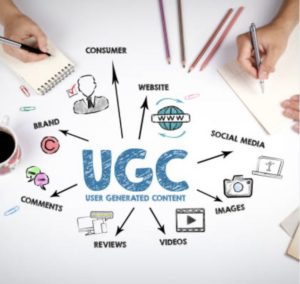
User-generated content (UGC) is any form of content, like reviews, testimonials, social media posts, photos, videos, or blogs, created by customers rather than by the brand. Instead of brands controlling every message, they allow real users to share authentic stories and opinions.

In simple terms, when a customer posts a photo using your product, writes a review, or shares a video talking about your service, that’s user-generated content. User generated content marketing helps the brand to build trust, credibility, and visibility across digital channels.

Why User-Generated Content Matters in Marketing

user-generated content

Authenticity Drives Awareness (TOFU)

While potential customers are discovering your brand for the first time, scripted ads may catch their eye, but authentic stories will hold their attention. UGC feels relatable because it shows real-life experiences, rather than the scripted messages. 

Social Proof Builds Confidence (TOFU)

A brand reassures new audiences more when potential customers see the products being advertised by other people. Whether it’s a testimonial highlighting durability or professional results, it reduces skepticism and builds instant credibility.

Benefits of User-Generated Content for Growing Brands

  1. Increased Trust and Credibility: People trust people more than brands. UGC acts as social proof that validates your claims, and when customers showcase your product or service in real-world scenarios, it reinforces reliability and quality.
  2. Higher Engagement and Reach: It is observed that the User-generated content often outperforms branded content in engagement. Social platforms reward content that sparks interaction; this helps a brand to grow organically.
  3. Improved Conversion Rates (MOFU): It is found that the Reviews, testimonials, and customer videos are very helpful for the potential audience to visualize success, and this makes it easier to choose your brand.
  4. 4. Cost-Effective Content Creation: UGC supplements your in-house efforts and is one of the best ways to provide a steady stream of content without sacrificing authenticity.
  5. 5. Stronger Brand Community: Featuring customer voices fosters loyalty. When people feel seen and appreciated, they are more likely to advocate for your brand long term.

User Generated Content Strategy

Define Clear Objectives

Always start with a purpose and first think that, weather you are aiming to boost brand awareness, increase engagement, or drive conversions?  A strong user generated content strategy aligns UGC with each stage of the funnel from educational discovery (TOFU) to solution validation (MOFU).

Encourage Participation

Always ensure that it is easy for customers to share. Branded hashtags, contests, review requests, and social prompts invite participation while keeping content aligned with your messaging.

Curate With Intention

Not all content should be published. Select UGC that reflects your brand values, quality, and expertise while maintaining authenticity.

Use a User-Generated Content Platform

A reliable user-generated content platform helps brands manage and distribute UGC at scale, and additionally, it also ensures proper rights management, which is critical for professional campaigns.

User Generated Content in Marketing

When prospects are actively comparing options, then the UGC becomes a persuasive asset. Video testimonials, before-and-after examples, and real customer stories show outcomes not just promises.

Creative marketing agencies like Stevens & Tate excel at integrating UGC into broader storytelling strategies. By combining authentic customer content with professional copy & content creation, video production, and campaign development, brands can maintain consistency while preserving trust.

UGC also pairs seamlessly with digital and print ad design, sales presentations, and website and landing page design, ensuring that authentic voices support every touchpoint in the customer journey.

Some Tips for Long-Term UGC Success

Always add authenticity to your marketing strategy, and also balance real customer voices with professional design and strategic placement.

Respect creators because transparency builds trust, and always credit contributors and secure permissions before repurposing content.

Stay consistent with brand values and know what your brand stands for.Marketing Strategy

FAQs About User-Generated Content

What is user-generated content?

User-generated content is a type of content that is created by customers, such as reviews, photos, or videos.

How does user-generated content help marketing?

It builds trust, increases engagement, and improves conversion rates through authentic social proof.

Is user-generated content suitable for professional brands?

Yes. If curated properly, then user-generated content is suitable for professional brands.

Do brands need permission to use UGC?

Absolutely. Always obtain rights or use a user-generated content platform to manage permissions.

Can a creative marketing agency manage UGC campaigns?

Yes. Agencies like Stevens & Tate can integrate to manage UGC campaigns.

Conclusion 

User-generated content is much more than an advertisement strategy; in simple words, it is trust, and when it is paired with expert strategy and creative storytelling, it increases brand awareness and drives confident decisions.

Ready to turn your customers into true brand ambassadors?
Partner with Stevens & Tate Marleting and transform your brand with authentic, creative, and results-driven marketing. LET’S TALK.

user generated content

Sourcing User Generated Content

One source of content generation you may not have tapped into yet is user-generated content. Content marketing is a critical component of any successful marketing strategy. However, it can take a lot of resources to produce your own content on a regular basis. Even if you’ve managed to regularly generate high-quality content, you should look for other ways to create new content for variety’s sake, such as high quality user generated content.

What Is User-Generated Content?

User-generated content refers to content created by consumers and not brands. Such content includes videos, pictures, reviews, articles, and more. For instance, if a consumer takes a picture of themselves using your product and posts it on Instagram, that’s user-generated content. The following are just a few of the benefits of user-generated content:

  • Free publicity

Your audience is essentially promoting your brand on your behalf. As a result, user-generated content can help increase brand awareness.

  • Free content

Creating your own content requires a lot of resources. User-generated content requires none — your audience is creating the content for you. While you don’t own it, you can share it and reap the benefits of it.

  • Positive word of mouth

Customers trust other customers more than they trust brands. Positive user-generated content can, therefore, help to boost your brand reputation by creating trust.

How To Source Usable Generated-Content

Considering how beneficial this free content can be, you’ll want to do everything you can to encourage it. However, the biggest challenge lies in the lack of control you have over the content. You can’t control the message, format, or quality, after all. But there are a few ways that you can guide your audience to create the content that will benefit you most. The following are a few tips on how to source high-quality user-generated content:

  • Encourage 

Don’t just wait for your audience to create content relevant to your brand. You need to encourage it. For instance, hold a contest on social media in which users vote on the best submission. You can then give the winner a prize. There are many ways that you can encourage content generation.

Utilize Marketing Audiences on Pinterest Today

  • Provide clear guidelines

If you’re looking for a specific type of content, then you need to provide guidelines. For example, if you want user reviews, consider providing a basic review format. Such a format could list three broad questions that users can answer in order to generate a review.

  • Provide content creation tips

Your audience does not consist of professional content creators. As such, provide tips that they can use to create higher quality content. For instance, if you’re holding a video creation contest on YouTube or on Instagram, provide your users with a list of basic filming tips. Such tips can help cut down on the amount of poor quality content that you might receive.

  • Offer an example

If you’re looking for a specific type of content, then provide an example. When users see what you’re looking for, it will help them create the kind of content you want. For instance, if you’re hosting a picture taking contest, upload a few pictures of your own that would be considered exceptional examples. By providing an example, you also make sure that users understand your instructions more clearly.

  • Identify the channel

Make sure that your audience knows where to send it. The last thing you want is users posting their content on different platforms or sending it to you via different channels. If you’re promoting a contest, specify what platform they should post to or what hashtag they should use. Provide detailed instructions on how to submit content. By making it clear what channel you’re using, it will be easier for you to track and organize user-generated content.

  • Open a line of communication

Provide a channel through which your audience can contact you. This channel should be specifically for users who are creating content. You can do this by providing a specific support email address, a phone number, or a page they can DM on social media.

  • Monitor performance

Track how the content users create for your brand is performing. By doing so, you can identify what types are the most effective. You can then adjust your guidelines and instructions to encourage the creation of that type of content.

Enhance your Strategy Today

User-generated content can go a long way towards boosting brand trust. Not to mention that it’s a great way to expand your content marketing strategy. As such, make sure that you encourage the creation of high-quality user content. You can do this by providing your audience with general guidance and encouragement to drive effective user-generated content creation.

25 Website Must Haves
Types Of Marketing Videos You Should Use

Types Of Marketing Videos You Should Use

Why Video Marketing Still Matters

Year after year, video marketing continues to grow in importance. Video has never been easier to consume, thanks to faster internet speeds, mobile-first platforms, and the high-quality cameras built into today’s smartphones and tablets. More importantly, video remains one of the most effective ways for people to absorb and retain information.

Audiences now expect video at every stage of the buyer’s journey—from awareness to decision-making. Whether they’re researching a solution, comparing vendors, or validating a purchase, video helps simplify complex ideas and build trust. Because of this continued rise in video consumption, a strong video marketing strategy is no longer optional—it’s essential.

Below are some of the most effective types of marketing videos to consider producing.

Types of Marketing Videos

1. Educational Videos

Educational videos are the foundation of any successful video marketing strategy. These videos help inform your audience while positioning your brand as a trusted authority.

The more educated your audience is, the more confident they’ll feel when making a purchasing decision. Educational videos help explain what you do, how you do it, and why it matters.

Common types of educational videos include:

  • Demo videos – Show how your product or service works in real-world scenarios

  • Explainer videos – Clarify a problem and explain why your solution is valuable

  • How-to videos – Provide step-by-step guidance for completing a task

  • Animated videos – Ideal for simplifying complex concepts or abstract services in an engaging way

type of marketing video

2. Interview Videos

Interview videos are an effective way to share insights while adding credibility and personality to your brand. These can feature employees, leadership, clients, or industry experts.

Interview content also performs well when repurposed into short clips for social media, blog posts, email campaigns, and sales materials—making it one of the most versatile video formats.

3. Event Videos

Industry events such as conferences, trade shows, webinars, fundraisers, and roundtable discussions continue to be valuable content sources. Capturing these moments on video allows you to extend the life of an event and reach audiences who couldn’t attend.

Event footage can be edited into highlight reels, session summaries, or short-form social clips that reinforce thought leadership.

Also Read: Three Videos Every B2B Website Should Have

4. Case Study and Testimonial Videos

Case study and testimonial videos showcase real customer experiences and remain one of the most effective forms of social proof. Prospects are far more likely to trust peers than marketing claims.

These videos give customers the opportunity to explain their challenges, the solution they chose, and the results they achieved—making your value proposition more tangible and believable.

Also Read: Top Benefits of Using Case Studies for Your Business

5. Behind-the-Scenes Videos

Behind-the-scenes videos help humanize your brand and create a stronger emotional connection with your audience. They show the people, processes, and culture behind the business.

Popular formats include employee spotlights, day-in-the-life videos, and behind-the-scenes looks at how products or services are delivered.

How Video Marketing Is Evolving

While foundational video formats remain effective, how audiences consume video continues to evolve:

  • Live and Interactive Video: Real-time Q&A sessions, virtual events, and interactive video experiences help brandslong form video2 build trust through transparency and engagement.

  • Short-Form Video: Bite-sized video content performs well across social platforms, especially for awareness and engagement.

  • Repurposed Long-Form Content: Webinars, interviews, and events can be broken into multiple shorter assets to extend reach and maximize ROI.

Final Thoughts

These video formats should play a role in your marketing strategy, but effectiveness ultimately comes down to relevance, quality, and audience intent. The strongest video strategies are built with clear goals and a deep understanding of who the content is for.

If you’re ready to refine your video marketing approach, a digital marketing consultant can help you create a strategy that drives engagement, builds trust, and supports long-term growth.

Contact us today to start creating marketing videos that deliver real results.

Free Marketing Consultation

digital content marketing strategy

Top Digital Content Marketing Strategies for Manufacturers to Drive B2B Growth

Have you read tons of digital content marketing advice, only to find that most of it doesn’t quite fit your industry?

That’s because many resources tend to focus on sectors that target broader consumer bases. However, manufacturing is a whole different ballgame—it often serves niche markets with specific needs. That’s why a solid digital content marketing strategy for this sector should prioritize showcasing technical expertise, navigating longer sales cycles, and targeting distinct B2B audiences. And that’s where content marketing comes in—it’s a powerful way for manufacturers to offer valuable insights, educate potential buyers, and build trust.

It might sound complicated, but I promise it’s easier than it seems! 

This blog is your guide to mastering branding in this complex field, showing you how to weave impactful digital content marketing strategies into your brand.


In this post, we’ll cover four key content marketing strategies:

And, we’ll explore three major benefits:

  • Lead Generation
  • Better Customer Insights
  • Cost-Effective & Measurable

Ready to unlock new growth? These strategies will get you there!

Key Digital Content Marketing Strategies

First, let’s explore the types of content strategies manufacturers can leverage to boost brand growth:

digital marketing strategy

1. Blog Posts & Educational Content

If your business doesn’t have a blog, it’s definitely worth considering. In fact, B2B companies that use blogs often generate more leads than those that don’t. It provides a great platform for explaining complex processes and technical products in a way that’s easy to grasp. For instance, in the manufacturing sector, a company could publish a series of blog posts on best practices for maintenance or the latest technology trends. Not only can these blogs help develop an online presence, but they can also establish expertise and attract more qualified leads! Just remember, it’s important to target these posts to the key stages of the buyer’s journey. By doing so, you can ensure that the right content reaches the right audience at the right time.

Also Read Marketing Blog tips to Supplement your Digital Strategy

2. Video Marketing

For the most part, people are visual learners; we love pictures, graphics, and videos. That’s where video marketing comes into play! If your content efforts include videos, chances are some customers will click on them. It’s a fantastic way to highlight a company’s expertise and products. For example, a manufacturer of industrial robots could create video demonstrations showing how their robots operate on an assembly line. Additionally, these videos could highlight customer testimonials, showcasing how the product has improved efficiency in real-world applications.

Also Read Three Videos Every B2B Website Should Have

3. Case Studies & White Papers

There’s nothing quite as persuasive as a well-researched white paper or an in-depth case study. You can use them to highlight how your manufacturer’s products or services have successfully addressed challenges for other clients. For instance, an eco-friendly packaging supplier might create a case study that highlights how a customer reduced plastic waste by making the switch to their products. Meanwhile, the long-form format of a white paper allows for detailed technical specifications and quantifiable results. This makes them invaluable resources for decision-makers during the research and consideration stages.

Also Read Top Benefits of Using Case Studies For Your Business

4. Social Media Presence

Many brands are using social media to engage their audiences, grow their market share, and boost sales—so why not let manufacturing join in on the fun? While your company may already be leveraging platforms like LinkedIn to share industrial articles, there’s so much more social media can offer. A company specializing in renewable energy components could engage with followers by sharing industry insights, participating in discussions about sustainability, and posting videos from trade shows. This approach fosters real-time feedback and builds stronger relationships with both prospects and existing clients.

Also Read 5 Ways To Optimize Your Social Media

What Are the Benefits?

How does digital content marketing translate into growth for manufacturers? It boils down to three main advantages:

benefits ladder

1. Lead Generation

When potential customers come across articles, videos, or case studies that resonate with their needs and pain points, they’re more inclined to engage with your brand. This not only helps build trust but also transforms them into more qualified leads, encouraging them to progress further along their customer journey.

Also Read Perfect Your Inbound Marketing Strategy With Lead Nurturing

2. Better Customer Insights

By analyzing metrics such as views, shares, and comments, you can see what topics resonate most and what challenges your customers are facing. This information allows you to refine your content strategy, making it more relevant and tailored to your audience’s needs. Ultimately, understanding your customers better helps you create content that truly speaks to them, fostering stronger relationships and improving their overall experience with your brand.

Also Read Customer Engagement Strategy

3. Cost-Effective & Measurable

Unlike traditional methods, digital content marketing provides measurable results, enabling businesses to fine-tune their strategies and allocate resources more effectively. Plus, it typically costs less than traditional advertising while delivering higher returns, making it a smart investment for companies looking to maximize their impact.

Also Read Six Cost Effective Marketing Strategies To Grow Your Brand

Embrace the Digital Shift!

Gone are the days when you could only stand behind the stage; embracing digital content lets you step into the spotlight and connect directly with your audience’s interests and challenges.

The kicker? The digital landscape is always evolving, so staying agile and on top of trends is key. 

What’s the bottom line? Applying these digital content marketing strategies will transform how you navigate the manufacturing world. Don’t wait—seize the opportunity to stand out and thrive in the digital age by turning your efforts into a powerful, lasting strategy for success!


Inbound marketing will help you grow your business by attracting website visitors, converting them into leads and closing leads into customers

green marketing

How Green Marketing Can Build Brand Loyalty

Today’s customers are not just buying products; they are buying into the brands. That’s why green marketing is more than a nice-to-have—it’s a powerful strategy for building brand loyalty with eco-conscious consumers. With more people prioritizing sustainability, brands have a unique chance to stand out by taking genuine, impactful steps toward environmental responsibility. When you commit to green marketing in ways that align with your brand values and openly communicate your progress, you create deeper connections and lasting loyalty.

Need More Reasons to Go Green?

Sustainability is often discussed in terms of its environmental benefits, but what about its impact on human health? The truth is, going green offers numerous advantages for our well-being. Sustainable practices like reducing pollution, using non-toxic materials, and conserving natural resources not only help create healthier ecosystems but also contribute to cleaner air, water, and soil. By supporting green efforts, your business is playing a role in ensuring a healthier future for all. 

Here are some key trends shaping the green marketing landscape:

• Circular Economy Marketing

Traditionally, businesses have focused on increasing sales and market share through a linear economy model, which relies heavily on the extraction and disposal of resources. However, its negative impact on the environment, society, and long-term business sustainability is driving a shift toward a circular economy. Circular models, such as resale, repair and reuse, enable businesses to grow revenue while reducing dependence on finite resources. This strategy reduces costs, cuts greenhouse gas emissions and strengthens customer loyalty while meeting business goals.

• Green Influencers

Social media influencers have long played an important role in shaping consumer behavior. With the growing emphasis on green marketing and environmental responsibility, eco-conscious influencers are gaining prominence. Partnering with these personalities can add credibility and extend the reach of your sustainable marketing initiatives, effectively aligning your brand with values that resonate deeply with environmentally aware audiences.Graphics of a computer and a phone

• Sustainable Digital Marketing

Unlike traditional methods such as direct mail and printed materials, digital marketing provides a sustainable alternative that significantly reduces environmental impact. Leveraging platforms like email newsletters, social media, and targeted online ads allows brands to promote sustainable products and behaviors while minimizing the carbon footprint. 

• Customer Education and Empowerment

Spread the word about green marketing to your brand’s audience. It’s a great opportunity to educate customers on the importance of sustainability and how your products contribute to the environment. Many brands are using interactive content, events, and workshops to engage and inform customers. This not only strengthens your connection with eco-conscious customers but also helps those less familiar with sustainable practices, empowering them to make more informed, environmentally friendly choices.

Also Read Customer Engagement Strategy

Practical Strategies for Building Brand Loyalty Through Green Marketing

Here are strategies that can make your green marketing efforts more effective:

• Product Design & Innovation

Sustainable practices should begin at the design stage. By making products more long-lasting, easily repairable, compostable, and safer for transportation, brands can reduce social, environmental and economic impacts from the outset. Designing with eco-friendliness at the core signals a commitment to both quality and sustainability, showing customers that your brand values the planet as much as it values its products.

• Promote Green Values in Advertising

If your brand is making a positive impact on the environment, let people know. Use your advertising channels to clearly communicate your commitment to sustainability. Whether through digital ads, print materials, or social media campaigns, put your eco-friendly practices at the forefront. Featuring these efforts in your ads helps raise awareness of your brand’s environmental values.

• Highlight Sustainability Through Content MarketingSustainblity sign

Highlight your brand’s green initiatives across all customer touchpoints. This can include blog posts, white papers, case studies, videos, newsletters, and more that emphasize your commitment to sustainable practices. These content assets keep customers informed, engaged, and remind them of their role in supporting eco-friendly initiatives.

Also Read Content Marketing Misconceptions

• Collaborate with Eco-Friendly Brands

Teamwork can drive greater results than going solo. Partner with like-minded businesses to co-host events, run joint marketing campaigns, or cross-promote each other’s products. These collaborations can amplify your brand’s reach, enhance credibility, and show your customers that sustainability is a shared value.

• Community Involvement

Connecting with communities over environmental causes can deepen your brand’s impact. Consider sponsoring eco-friendly initiatives or supporting local sustainability efforts. When consumers see that your commitment goes beyond profit, it fosters a shared purpose that builds trust.

Also Read Brand Marketing Strategy: Community and Advocacy

• Carbon Offset Programs

If you’re looking to elevate your green marketing efforts—or if product changes are limited—implementing a carbon offset program can be a powerful way to reduce your environmental impact. Offsetting emissions and working toward carbon neutrality demonstrates a genuine, long-term commitment to sustainability, which resonates strongly with today’s environmentally conscious consumers.

An Example of a Successful Green Marketing Effort

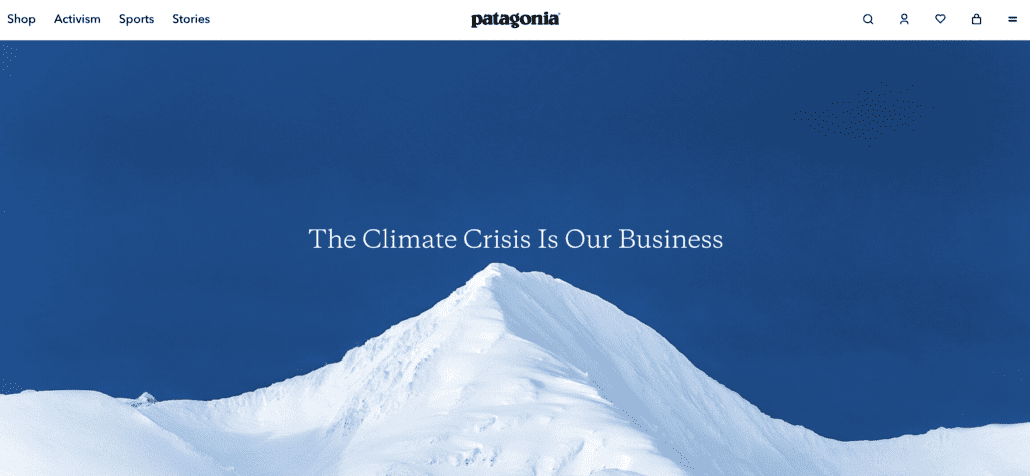
Green marketing is all about taking tangible steps toward sustainability and openly sharing those efforts with your audience. Patagonia is a great example of how green marketing can foster an authentic connection and empathy with consumers. Through a dedicated website that showcases their sustainability efforts, they regularly update customers on their progress, future goals, and stories about their initiatives and impact. This transparency has played a key role in earning them significant customer loyalty.


Patagonia sustainability website Patagonia Website

Measuring the Impact of Green Marketing on Brand Loyalty

To ensure green marketing is delivering results, focus on long-term KPIs rather than short-term metrics. Customer lifetime value, repeat purchase rates, and sentiment analysis are essential in evaluating loyalty. Additionally, create a feedback loop to gather customer thoughts on your initiatives; their input can be invaluable in refining your approach.


digital cotent marketing for manufacturer

Boost Your Manufacturing Growth with Digital Content Marketing

Have you read tons of digital content marketing advice, only to find that most of it doesn’t quite fit your industry?

That’s because many resources tend to focus on sectors that target broader consumer bases. However, manufacturing is a whole different ballgame—it often serves niche markets with specific needs. That’s why a solid digital content marketing strategy for this sector should prioritize showcasing technical expertise, navigating longer sales cycles, and targeting distinct B2B audiences. And that’s where content marketing comes in—it’s a powerful way for manufacturers to offer valuable insights, educate potential buyers, and build trust.

So, if your answer to the opening question is yes, this blog might just hold the solutions you’ve been searching for.


In this post, we’ll cover four key content marketing strategies:

And, we’ll explore three major benefits:

Ready to unlock new growth? These strategies will get you there!

Key Digital Content Marketing Strategies

First, let’s explore the types of content strategies manufacturers can leverage to boost brand growth:

digital marketing strategy

1. Blog Posts & Educational Content

If your business doesn’t have a blog, it’s definitely worth considering. In fact, B2B companies that use blogs often generate more leads than those that don’t. It provides a great platform for explaining complex processes and technical products in a way that’s easy to grasp. For instance, in the manufacturing sector, a company could publish a series of blog posts on best practices for maintenance or the latest technology trends. Not only can these blogs help develop an online presence, but they can also establish expertise and attract more qualified leads! Just remember, it’s important to target these posts to the key stages of the buyer’s journey. By doing so, you can ensure that the right content reaches the right audience at the right time.

Also Read Marketing Blog tips to Supplement your Digital Strategy

2. Video Marketing

For the most part, people are visual learners; we love pictures, graphics, and videos. That’s where video marketing comes into play! If your content efforts include videos, chances are some customers will click on them. It’s a fantastic way to highlight a company’s expertise and products. For example, a manufacturer of industrial robots could create video demonstrations showing how their robots operate on an assembly line. Additionally, these videos could highlight customer testimonials, showcasing how the product has improved efficiency in real-world applications.

Also Read Three Videos Every B2B Website Should Have

3. Case Studies & White Papers

There’s nothing quite as persuasive as a well-researched white paper or an in-depth case study. You can use them to highlight how your manufacturer’s products or services have successfully addressed challenges for other clients. For instance, an eco-friendly packaging supplier might create a case study that highlights how a customer reduced plastic waste by making the switch to their products. Meanwhile, the long-form format of a white paper allows for detailed technical specifications and quantifiable results. This makes them invaluable resources for decision-makers during the research and consideration stages.

Also Read Top Benefits of Using Case Studies For Your Business

4. Social Media Presence

Many brands are using social media to engage their audiences, grow their market share, and boost sales—so why not let manufacturing join in on the fun? While your company may already be leveraging platforms like LinkedIn to share industrial articles, there’s so much more social media can offer. A company specializing in renewable energy components could engage with followers by sharing industry insights, participating in discussions about sustainability, and posting videos from trade shows. This approach fosters real-time feedback and builds stronger relationships with both prospects and existing clients.

Also Read 5 Ways To Optimize Your Social Media

What Are the Benefits?

How does digital content marketing translate into growth for manufacturers? It boils down to three main advantages:

benefits ladder

1. Lead Generation

When potential customers come across articles, videos, or case studies that resonate with their needs and pain points, they’re more inclined to engage with your brand. This not only helps build trust but also transforms them into more qualified leads, encouraging them to progress further along their customer journey.

Also Read Perfect Your Inbound Marketing Strategy With Lead Nurturing

2. Better Customer Insights

By analyzing metrics such as views, shares, and comments, you can see what topics resonate most and what challenges your customers are facing. This information allows you to refine your content strategy, making it more relevant and tailored to your audience’s needs. Ultimately, understanding your customers better helps you create content that truly speaks to them, fostering stronger relationships and improving their overall experience with your brand.

Also Read Customer Engagement Strategy

3. Cost-Effective & Measurable

Unlike traditional methods, digital content marketing provides measurable results, enabling businesses to fine-tune their strategies and allocate resources more effectively. Plus, it typically costs less than traditional advertising while delivering higher returns, making it a smart investment for companies looking to maximize their impact.

Also Read Six Cost Effective Marketing Strategies To Grow Your Brand

Embrace the Digital Shift!

Gone are the days when you could only stand behind the stage; embracing digital content lets you step into the spotlight and connect directly with your audience’s interests and challenges.

The kicker? The digital landscape is always evolving, so staying agile and on top of trends is key. 

What’s the bottom line? Applying these digital content marketing strategies will transform how you navigate the manufacturing world. Don’t wait—seize the opportunity to stand out and thrive in the digital age by turning your efforts into a powerful, lasting strategy for success!


Inbound marketing will help you grow your business by attracting website visitors, converting them into leads and closing leads into customers

know your audience to improve copy

Boost Your Content: 6 Essential Tips for Improving Copywriting Quality

Good copy is crucial for many reasons. Its importance spans a wide range of mediums, from social media posts and blog articles to advertising materials and email campaigns. Good copy allows you to communicate with your audience more effectively and foster a deeper connection with them. Additionally, good copy aids in promoting your services and/or products. Therefore, good copy drives sales. Your copy’s topic and the copy itself both have to be quality to achieve these results. Here are 6 tips you should use to improve your copy overall:

Know your audience:

Understanding your audience is important when crafting effective copy. It’s crucial that your topic is not just relevant, but also resonates with your target audience. To achieve this, you need to know who you are writing for and what they care about. In order to do that, you should conduct research to build a profile of your target audience. You can analyze existing customer data, conduct surveys, and engage in conversations with current and potential customers. The insights you gain from this research will help you better understand your audience, and therefore help you understand what is relevant to them.

know your audience to improve copy

Edit Your Work:

Good copy reflects professionalism. Additionally, it enhances coherence, clarity, and overall impact. Therefore, it’s important to notice and fix any mistakes in your copy before your readers do. To do this you must proofread and edit your copy. Unfortunately, these two important elements in crafting good copy are often overlooked. After writing your copy, you have to proofread it to check for errors, but it is best to take a short break before doing so. This way, when you come back to your copy, it will be easier to find errors since you will have a fresh perspective. Once you return from your break to start proofreading, try reading your copy out loud. This will allow you to hear how the text flows, which can help you find grammatical errors in your writing. You can also have another person read the copy, since a fresh pair of eyes can catch errors that you might have missed.

edit copy

Strategically choose your wording:

Using adverbs can make your writing too wordy. If your message is still clear and impactful without the adverb, it is usually best to strike it from the copy. You should avoid using exaggeratory words, as it often comes across as trying too hard or disingenuous. This can diminish your credibility.  You should also strategically choose your wording based on your audience. Remember that different audiences require different approaches. While a creative audience might respond better to a conversational writing style, a business audience will likely respond better to precise and straightforward language.

Keep sentences short:

Get rid of unnecessary words. Shorter sentences are easier to read and understand. They allow readers to quickly understand your message. In digital content, where people’s attention spans are shorter, this is especially important. Remember, clear and concise writing is best. 

Use active voice:

When the subject of a sentence performs the action, that means that the sentence is written using active voice. Using active voice keeps sentences from being too wordy. It also makes sentences easier to understand.

Use a compelling headline:

The headline is the first thing your audience will read, and if it’s not well written, it might be the last. A well-written headline is engaging and persuasive. It needs to grab the reader’s attention immediately, enticing them to keep reading. A headline can do different things to achieve this, like promising value or piquing curiosity. Generally, the shorter your headline is, the better. Shorter headlines are often more effective because they can be absorbed and understood by readers more quickly. This is important in catching a reader’s attention. However, you shouldn’t sacrifice clarity to achieve a shorter headline length. Make sure that your headline conveys the main idea of your writing while being clear and concise.

Use the above 6 tips to improve your copy’s topic and your copy itself to communicate more effectively in addition to selling more services and/or products. When your copy’s topic and the copy itself are both of good quality, you have an ultimate combination that can significantly enhance your communication efforts and help you achieve your business goals.

Smartphone With New Email Message Notification On Screen Lying On Laptop Keyboard

5 Ways to Revamp Your Email Marketing Strategy and Increase ROI

Email marketing is an affordable and effective tool to help your rand stay in touch with customers to ensure more revenue. In fact, studies show that robust email marketing strategies have an ROI of about 4400%.

If your email marketing performance is subpar, there are several strategies you can implement to ensure better results. The following tips can help improve your email marketing results and grow your business.

Ways to Revamp Email Marketing Strategy and Increase ROI

  1. Plan Your Emails

Your emails may contain helpful and resourceful content, but you may not get optimum results if they’re not well-planned.

The email subject line is the first aspect your recipient sees before opening the message. Ideally, the brief statement should grab your recipients’ attention and compel them to open and read your email.

Similarly, no one wants to read a disorganized email with a cluttered layout. This overwhelms your recipients, increasing the chances of abandonment.

Instead, plan and organize your layout to maximize user experience. This means you should incorporate white space and strategically place the visuals and text to make the email easy to navigate and digest.

  1. Build a Quality Email List

Building a quality email list is one of the most complex parts of email marketing strategies. However, you can simplify the task by determining your business’s best subscriber acquisition method.

If your website attracts many visitors, you can use it to convert the traffic to subscribers. Most importantly, even a slight increase in subscribers can impact the number of people that become your customers.

You can start by improving the exposure of your lead magnets by including them in relevant content across different channels. Alternatively, depending on your brand offers, you can develop quality lead magnets focused on the type of subscribers you want to attract.

The goal is to optimize the available opportunities for visitors to opt into your email list by ensuring your most popular content has valuable downloadable resources for your audience.

  1. Segment and Personalize Your Emails

When you send a similar message to your email list, you forego the opportunity to get optimum returns in your campaigns. Instead, break down the subscribers into different segments depending on their engagement levels and stages in the buyer journey.

Ideally, you can use the purchase frequency or other significant customer data to group your subscribers based on your goals.

Your subscribers want different content depending on their needs, so you should customize the messaging to serve their needs. However, this doesn’t happen in a day. Start with two segments –frequent customers and non-customers and proceed from there.

Personalization works in tandem with segmentation to ensure optimum email marketing performance. And since open and CTRs are the top KPIs in email marketing campaigns, personalization is critical to enhancing engagement rates. Typically, custom emails have a 26% higher open rate and generate more transactions.

For instance, addressing your audience by name can boost engagement due to higher open rates. Most importantly, using various data sets, like customer interests, demographics, and engagement behaviors, can enhance your personalization strategy. This helps establish and nurture a relationship with your audience, essential for higher conversions.

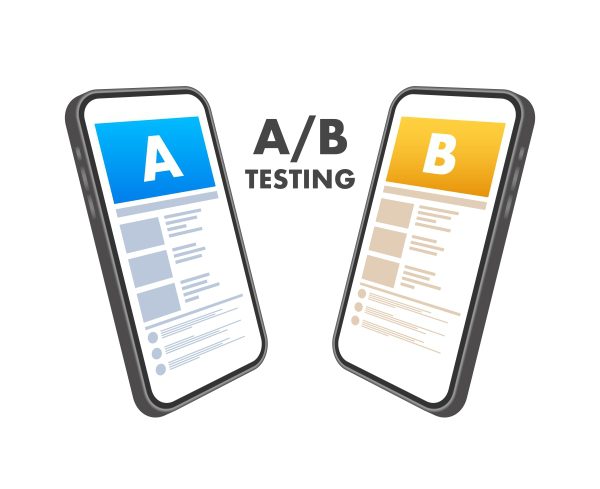
  1. A/B Test Your Emails

People often get comfortable once they establish a routine. While routines are critical in email marketing, tweaking the approach can be beneficial. It helps you gain the invaluable insight necessary for improvement.

You can pick an element in your email marketing strategies and adjust it to determine the performance. For instance, you can start with email length and format to see which version performs better. If your emails are concise, but some of your customers want more content, you can add more sections and observe the performance of your newsletters.

Regardless of the size, ensure the content is resourceful and awesome to ensure high customer engagement levels.

Also, you can test different subject lines for specific groups and analyze the performance. After some experiments, you can determine the best variation for different groups in your email list segments.

For instance, you can test different CTAs, like buttons and links. You divide the subscribers into two groups and send a different CTA for each group. After collecting and analyzing the data, you can quickly determine the most effective option since the two groups share specific characteristics.

The insights can inform your present and future decisions when adjusting or deploying your next email campaign. The idea is to pick the best format based on your results.

Also Read: Email Opening Lines That Actually Work

  1. Mobile Optimization

Most subscribers open and read emails on smartphones, accounting for 41% of email views. Therefore, mobile optimization is critical to maximizing your email marketing ROI.

Maximize your use of plain text and break content into scannable sections that fit into smaller screens. In addition, keep them brief to enhance engagement. Quantity doesn’t always win when it comes to mobile users.

High-resolution images may look stunning on a desktop, but they may work against you when targeting mobile users. Therefore, make sure to use lower resolution for mobile content.

However, you can still use high-resolution images with the right tools to compress the images based on the user’s device. It’s always a good practice to consider the resolution capability of most device users to ensure the images are crisp across all devices.

Bottom Line

The email marketing process consists of multiple parts that require careful planning. While the process can be overwhelming, you can make the project manageable by developing a robust strategy to implement and track your campaigns.

Most importantly, you should create email marketing strategies you can use to simplify things depending on your business goals. Regardless of your approach, it would be best if you implemented a measurable strategy that streamlines your efforts when creating targeted campaigns.


email marketing program


lead generation content marketing

The Importance of Lead Generation and Content Marketing Agencies

Your company is struggling to generate leads, and you’re looking for a quick and relatively simple solution. I have the solution, but you’ll probably groan because you’ve heard it before. “Content is king” might be an overused term, but that’s only because it’s proven to be true. A foolproof solution to your lack of leads as well as website foot traffic is lead generation content marketing.

Importance of Lead Generation and Content Marketing Agencies

Nowadays, the quality of your company’s content is more important than ever before. Granted, there is more space to generate content and share it on the Internet, but with increased space comes tougher competition. We as a marketing agency in Illinois, feel pressure to stand out from the pack with remarkable content that converts our website’s visitors into potential leads. Consistent, quality content will attract the attention of readers, as well as encourage them to trust your company. Content marketing agencies can also help you create effective content marketing strategies and manage your content channels.

A GUIDE TO EFFECTIVE MOBILE MARKETING TECHNIQUES

So what exactly is “quality” content?

Quality content has a specific purpose, format, and topic. The purpose should help the users find an answer to their questions or interests. The format you choose should fit your content well. In order to attract more leads, the content in the conversion stage should consist mainly of content offers.

Also Read: Content Marketing Misconceptions

Choose an appropriate formatContent_Marketing_Agencies 2

The format of the content offers can be a multitude of things; such as case studies, white papers, forms, calls-to-action, visuals, eBooks, emails, and landing pages. For example, if you want to demonstrate to users how a product works, you might use the template of a visual, such as a video or an image, rather than an eBook. On the other hand, if you wish to show your readers a how-to process that is also aesthetically pleasing, an eBook format would work better than a visual one.

In terms of topics, your content should be educational as well as specific. You should conduct market research and create content with your buyer personas in mind. Imagine you are your buyer persona: what problems do you need solutions for? How far are you in the buyer’s journey? What language would you use when typing keywords into the search engine? This can help you cater your content towards your target audience.

Similar Article: A Brief Guide to Sales Lead Generation

Be consistent

Another factor that makes content “quality” is frequent and consistent publication. If your readers know they can count on you to publish a semi-weekly blog in a specific time window, they are much more likely to see you as reliable. Webdam’s statistics show that blogging consistently has led to B2B marketers generating about 67% more leads marketers who do not, which is a huge advantage. After you’ve earned their trust, a number of your visitors will subscribe to you and convert to leads.

Lead generation content marketing is a proven way to get the word out about your company and have potential customers become interested in your business. Without good, consistent content, people will have little reason to visit your website or truly believe that you’re a leader in your field. Don’t let this happen to you.

Conclusion:

Effective lead generation and consistent, high-quality content marketing are essential for building trust, attracting the right audience, and driving business growth. Partnering with an experienced inbound marketing agency can make all the difference, helping your brand stand out, deliver real value, and convert visitors into loyal customers. Contact us at 630-627-5200 today for a free consultation and discover how we can make things happen for your business.