
The Psychology Behind Color Choices in Branding and Marketing

Color is one of the most powerful and underestimated tools in branding and marketing. Long before consumers read a slogan or understand a product’s features, they feel something often because of color. In fact, studies show that people form subconscious judgments about a brand within seconds, and color plays a key role in that decision. This is why color choices in marketing play a critical part of any emotional branding strategy. Helping brands connect with audiences on a deeper, psychological level. Learn how Stevens & Tate helps brands build deeper connections through integrated marketing and design—where color, messaging, and brand experience all work together to tell a cohesive story.

Why Color Psychology Matters in Branding and Marketing

Branding and Color psychology explore how distinct colors influence human emotions, behaviors, and feelings. In branding, the goal is not just to look attractive but to communicate values, personality, and trust instantly.


An effective emotional branding strategy uses color to:
  •  Evoke specific feelings (comfort, excitement, confidence)
  •  Shape brand perception
  • Increase brand recognition
  • Influence purchasing decisions

When color aligns with brand identity, it strengthens emotional bonds and builds long-term loyalty. When it is misaligned, it can create confusion or even distrust. This is why leading agencies like Stevens & Tate do not treat color as a purely aesthetic choice. Instead, they approach color as a strategic tool-one that supports brand positioning, audience psychology, and long-term marketing goals.

Understanding Emotional Responses to Color

Here’s how different colors play key roles in emotional responses:

1. Primary Colors and Their Psychological Impact

Primary colors such as red, yellow, and blue are incorporated for different goals; for instance:

  • Blue conveys trust, intelligence, and unmatched stability. Plus, it’s widely used by various professional service brands that want to signal top-notch reliability and authority among the audience.
  • Red is usually considered a timeless color for urgency, passion, and boundless excitement, helping drive a certain action along with higher emotional intensity.
  • Yellow represents a perfect balance of optimism and warmth, creating feelings of both friendliness and accessibility at once.

Moreover, these colors become way more effective when combined into highly cohesive emotional branding strategies that prioritize aligning high-quality visuals with messaging and customer experience in the long run.

Color Consistency and Brand Recognition

Consistency is key. Using the same color palette across logos, websites, packaging, and advertisements increases brand recognition and reinforces emotional responses over time. When consumers repeatedly associate certain colors with a brand experience, those colors become emotional triggers. Instantly recalling trust, excitement, or comfort tied to the brand. Strong brands do not just choose colors, they own them. That ownership is built through consistent, strategic use across every touchpoint. This is a key pillar of both brand color psychology and effective emotional branding in marketing.

How to Choose the Right Colors for Your Brand

To develop an effective emotional branding strategy through color:
  • Define your brand personality and values
  • Understand your target audience’s emotions and expectations
  • Research competitors and industry standards
  • Test color combinations for emotional impact
  • Maintain consistency across all platforms

Color is far more than a visual choice it is a psychological tool that shapes feelings and drives emotional connection. When used thoughtfully, color strengthens brand identity, builds trust, and influences consumer behavior. By integrating color psychology into an emotional branding strategy, brands can create meaningful, lasting relationships with their audiences and stand out in an increasingly competitive market. This is exactly where Stevens & Tate excels. Through integrated marketing and design, they help brands ensure that color, content, and strategy work together to create stronger emotional connections and more meaningful brand experiences.

The Role of Color Beyond Aesthetics

Color psychology is broken down into specific emotional impacts. For example, blue is linked to trust and dependability, while green is used to stand for feelings of peace, harmony, and growth. A brands color choice does not just change the aesthetic of its website design . It affects how customers are going to remember that brand and what they are going to associate that company with. By integrating color psychology in branding into a broader emotional branding strategy, companies can move beyond looking good to actually feeling right to their audience. With the guidance of partners like Stevens & Tate, brands can build deeper connections through integrated marketing and design, turning every color, message, and experience into an opportunity to stand out in a crowded market.

Final Thoughts

Mostly, a color is where psychology meets strategies that actually work. Plus, it also shapes how brands are felt, remembered, and even trusted in real-time, not only in presentations. That’s why, with purpose and expert-led planning such as Stevens & Tate Marketing’s brand development services, color becomes a powerful tool for building as well as nurturing emotional connection and long-term growth for brands.

Ready to build a brand that effortlessly endures, resonates, and inspires? Then, partner with Stevens & Tate Marketing today to develop a strategic, emotion-driven branding approach that truly transforms colors into long-lasting brand equity!

FAQ’s 

1. How does color influence emotional branding strategy?

Color simply triggers subconscious emotional responses that eventually help brands create instant connections before logic or messaging can even take effect.

2. What role does color play in sustaining emotional brand equity?

Consistent, meaningful color incorporation helps build trust, familiarity, and long-term emotional recognition over time.

3. Can color choices impact brand credibility?

Yes, professional color palettes, when used consistently, boost perceived authority and trustworthiness among the audience.

4. Why do leading brands avoid frequent color changes?

Frequent changes can easily disrupt overall emotional memory and even weaken brand recognition in the long run.


The Importance of Customer Experience Today

In today’s saturated market, traditional marketing methods are no longer enough to capture and retain customer attention. Modern consumers expect more than catchy slogans or one-size-fits-all campaigns—they crave personalized, seamless, and memorable experiences across every touchpoint. That’s why forward-thinking brands are shifting their focus from messaging to experience. In other words: customer experience (CX) has become the new marketing strategy.

Consumers today are more empowered than ever. With instant access to information, reviews, and competitive options, they expect brands to understand their needs and anticipate their preferences. A disconnected or generic interaction can quickly send them elsewhere. As a result, companies must think beyond individual campaigns and consider how every interaction contributes to the overall brand perception.

This shift requires a strategic mindset—one that integrates marketing, technology, service, and operations into a cohesive experience. At Stevens & Tate, this holistic approach is central to building marketing strategies that don’t just attract attention, but sustain engagement and loyalty over time.

From Product to Experience

Not long ago, marketing was primarily about showcasing product features and outshouting the competition. But as Oracle explains, customer experience encompasses every interaction a consumer has with a brand—before, during, and after a purchase. It’s not just about making a sale; it’s about creating value at every step of the journey. (Oracle, What is CX?)

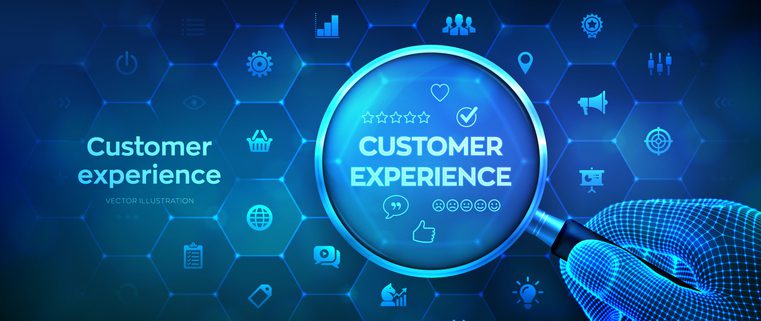
customer visual

Today, that journey is rarely linear. Customers may discover a brand through social media, research on a mobile device, compare options online, and complete a purchase in-store—or vice versa. Each touchpoint shapes expectations and influences decision-making. Brands that focus solely on product messaging risk overlooking the broader journey that ultimately determines loyalty.

This shift is especially critical in industries where competitors offer similar products or services. In such cases, CX becomes a key differentiator. A faster checkout process, a helpful chatbot, or a personalized follow-up email can be the reason a customer returns—or walks away.

Beyond convenience, emotional resonance plays a powerful role. Customers remember how easy an experience felt, how quickly their concerns were addressed, and whether a brand demonstrated genuine understanding. Stevens & Tate works with brands to align creative storytelling with operational excellence—ensuring that the promise made in marketing is consistently delivered in practice.

When experience becomes the priority, marketing evolves from a promotional function into a relationship-building engine.

Why CX Drives Growth

Customer experience isn’t just about delight—it’s about driving measurable business results. According to the Forbes Communications Council, brands that embed CX into their marketing strategies see improved customer loyalty, increased retention, and stronger word-of-mouth. With customer acquisition costs rising, those outcomes are more important than ever.

A seamless experience reduces friction, shortens sales cycles, and increases conversion rates. It encourages repeat purchases and strengthens brand trust. Over time, these improvements compound—resulting in stronger lifetime value and more predictable revenue streams.

In fact, satisfied customers are 5x more likely to repurchase and 4x more likely to refer a friend. A well-crafted experience not only retains customers but also turns them into advocates, amplifying your marketing efforts organically.

Retention has become one of the most valuable growth drivers in modern marketing. Acquiring new customers requires significant investment, but nurturing existing relationships delivers sustained returns. By embedding CX into strategy and execution, agencies like Stevens & Tate help brands connect performance metrics directly to customer satisfaction and loyalty outcomes.

Strong CX also builds resilience. In competitive markets or uncertain economic conditions, brands that consistently deliver value and reliability maintain customer trust—an asset that cannot be easily replicated by competitors.

Integrating CX Into Your Marketing Strategy

To effectively make CX the backbone of your marketing, consider the following steps:

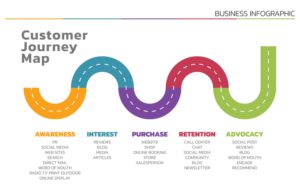
  • Map the Customer Journey: Understand your audience’s experience from the first touchpoint to post-purchase interactions. For example, identify pain points and opportunities to improve.
  • Use Data to Personalize: Leverage customer data to tailor messages, content, and offers. Consequently, relevance builds deeper consumer trust and drives higher engagement.
  • Break Down Silos: Align marketing with customer service, sales, and operations. To achieve this, hold regular cross-departmental meetings. A seamless experience requires total internal collaboration.
  • Listen and Continuously Adapt: Use real customer feedback to refine messaging and improve products or services. Understandably, consumer expectations change quickly. CX is not static—it evolves with expectations-so your strategy must evolve constantly.

By combining strategy, creativity, and data-driven insights, Stevens & Tate helps organizations transform CX from an abstract concept into a measurable, scalable growth framework.

Read More: How to Create Cohesive Customer Jouneys 

Deep Dive: How to Map Your Customer Journey

Mapping the journey is the foundational step of any successful customer experience marketing strategy. You cannot fix an experience until you see it from the buyer’s perspective. This process requires looking at three distinct phases:

  • The Awareness Phase: How do prospects first discover your brand? Whether it is through a Google search, a social media post, or a referral, this initial touchpoint sets the tone. Ensure your messaging is clear, helpful, and free of aggressive sales pitches.

  • The Consideration Phase: Once a buyer knows who you are, how do they evaluate you? They might read your blog posts, download a whitepaper, or look at online reviews. During this stage, your content needs to answer their specific questions and build deep trust.

  • The Decision Phase: This is the final step where a prospect becomes a customer. Look closely at your checkout process, form lengths, or sales call scheduling. Any friction here can cause a buyer to abandon their journey at the last second.

By mapping these phases, you can identify exact pain points and hidden opportunities. Once you clearly visualize this path, you can use data to personalize content, break down internal departmental silos, and continuously adapt to changing consumer expectations.

CX Is the Future of Marketing

Customer experience isn’t a buzzword or a trend—it’s a strategic imperative. As brands strive to stay relevant and competitive, those that prioritize CX will be the ones that thrive. In a world where consumers have endless choices, the experience you deliver might just be your most powerful marketing asset.

As expectations continue to rise, the brands that succeed will be those that treat every interaction as an opportunity to build trust. Experience-led marketing fosters deeper relationships, stronger advocacy, and sustainable growth.

Ultimately, marketing is no longer just about communicating value—it’s about consistently delivering it. When CX becomes central to strategy, organizations move beyond transactional thinking and toward long-term relationship building. With the right expertise and integrated approach, brands can turn customer experience into their most meaningful competitive advantage.

Read More: How to Create A Seamless, Omnichannel CX 

Next Steps: Implementing Your Customer Experience Marketing Strategy

Shifting to an experience-led model doesn’t happen overnight. It requires a deliberate, phased approach to align your team and your technology. If you are ready to turn these insights into a measurable growth framework, here is how to begin:

1. Audit Your Current Customer Touchpoints

Before you can improve the journey, you must understand where it currently stands. Look at your website analytics, email open rates, and social media engagement. Identify where customers are dropping off or experiencing friction.

2. Gather Direct Customer Feedback

Stop guessing what your audience wants. Run brief surveys, conduct interviews, or analyze customer service tickets. Hearing directly from your buyers reveals the exact gaps between your brand promise and their actual experience.

3. Establish Shared Cross-Department KPIs

A seamless customer experience marketing strategy requires breaking down internal silos. Bring your marketing, sales, and customer service leaders into the same room. Establish shared key performance indicators (KPIs) so everyone is incentivized to prioritize the customer journey.

Frequently Asked Questions About CX Marketing

What is the difference between customer service and customer experience?

Customer service is reactive. It happens when a customer encounters a problem and reaches out to your team for help. Customer experience (CX) is proactive. It encompasses every single touchpoint, impression, and interaction a buyer has with your brand, from discovering your first blog post to post-purchase support.

How do you measure the success of a CX marketing strategy?

You can measure success by tracking specific customer satisfaction and retention metrics. Key indicators include your Net Promoter Score (NPS), Customer Lifetime Value (CLV), customer retention rates, and repeat purchase frequencies. When your experience improves, these metrics rise while customer acquisition costs drop.

Why is personalization important in customer experience?

Modern consumers expect brands to understand their unique needs. Personalization uses data to deliver relevant content, tailored product recommendations, and timely communication. This relevance builds deeper consumer trust, eliminates friction, and makes the buyer feel valued rather than treated like a transaction.

Voice Search Marketing: SEO & Strategy Guide

Search marketing has long been a primary focus in the marketing strategies of many businesses. A strong SEO strategy still increases website visibility and drives organic traffic. However, search behavior has evolved dramatically. We are no longer optimizing only for typed queries or simple “Hey Siri” voice commands.

Today, users engage in full conversations with AI-powered search tools such as ChatGPT, Google AI Overviews, Google AI Mode, Perplexity AI, Microsoft Copilot, Claude, Gemini, and increasingly conversational assistants like Amazon Alexa and Apple Siri. are reshaping how people find information. Instead of typing fragmented keywords or asking one-off questions, users now ask layered, contextual questions and expect direct, conversational answers.

As a result, businesses must shift from traditional “voice search optimization” to optimizing for Natural Language Processing (NLP) and AI-powered answer engines. At Stevens & Tate Marketing, we see this as the next evolution of search marketing: preparing your content not just to rank — but to be selected, summarized, and trusted by AI systems.

This evolution has given rise to Answer Engine Optimization (AEO), a strategy focused on helping AI-powered search platforms accurately understand, summarize, and reference your content. While SEO remains essential, AEO complements traditional optimization by preparing content for AI-generated responses.

Some marketers also refer to this emerging practice as Generative Engine Optimization (GEO). GEO emphasizes creating authoritative, well-structured content that AI models can confidently cite and recommend.

Why Conversational AI Optimization Is So Important?

Search Has Become Dialogue

Voice search was once about convenience. Now, it’s about conversation. Users no longer ask, “plumber Detroit.” They ask, “Who’s the best-rated emergency plumber near me that can come tonight?”

AI systems interpret context, intent, location, previous questions, and nuance. That means your content must do more than include keywords — it must demonstrate authority, clarity, and relevance.

AI Answer Engines Reduce Clicks

With AI-generated summaries appearing directly in search results, users often receive answers without clicking through to a website. If your content isn’t structured for AI extraction, your visibility drops — even if your rankings remain strong. AI summaries often satisfy informational searches. Being cited by AI is becoming as valuable as ranking. Success now includes appearing in AI-generated responses.

Optimizing for AI answer engines ensures your brand becomes part of the summarized response.

NLP Prioritizes Meaning Over Keywords

Modern search engines rely on Natural Language Processing to understand meaning, sentiment, and relationships between concepts. This means:

  • Context matters more than repetition

  • Authority outweighs keyword density

  • Structured, well-organized content performs better

Businesses that fail to adapt risk losing visibility in an AI-driven search landscape.

How to Optimize for Conversational AI and NLP

Write for Natural Language and Clarity

Conversational AI thrives on content that mirrors how real people speak and ask questions. Instead of writing stiff, overly optimized paragraphs, create content that flows naturally and answers questions clearly and directly.

Focus on:

  • Clear explanations

  • Concise answers

  • Logical structure

  • Simple, human language

Think in terms of “Would an AI confidently quote this?”

As search continues to evolve, businesses must move beyond traditional keyword strategies and begin optimizing for AI-driven answer engines. Today’s platforms don’t just index pages — they interpret, summarize, and recommend content based on context, authority, and structure.

For companies looking to stay competitive, including clients of Stevens & Tate Marketing, this means building content that is clear, intentional, credible, and technically sound.

Structure Your Content for AI Extraction

AI systems prioritize content that is easy to interpret and summarize. If your information is clearly organized, you increase the likelihood that it will be featured in AI-generated responses.

Start by using descriptive headers that reflect real user questions. Provide direct, concise answers immediately beneath those headers so both users and AI platforms can quickly identify key takeaways. Keep paragraphs short and scannable, and incorporate bullet points where appropriate. Clearly define important terms within the context of your topic, and include FAQ sections that mirror the way people naturally ask questions.

Well-structured content not only improves readability but also improves your chances of being referenced by AI answer engines.

Learn more about Mastering AI Marketing: Essential Strategies & Applications for Modern Marketers

Focus on Intent Rather Than Just Keywords

The shift from voice search to conversational AI means long-tail keywords alone are no longer enough. Modern search systems evaluate the intent behind a query — not just the words used.

When developing content, consider whether your audience is researching a topic, comparing solutions, preparing to make a purchase, or searching for a local provider. Build content around these stages of the customer journey instead of creating isolated pages targeting single phrases.

AI platforms assess topic depth and overall authority. The more comprehensively you address a subject, the more likely your brand is to be recognized as a trusted resource.

Establish Authority and Build Trust

Credibility plays a major role in whether AI systems surface your content. Brands that consistently publish high-quality, accurate, and insightful material are more likely to be referenced in generated summaries.

A framework that’s often overlooked in this conversation is Google’s E-E-A-T principles — Experience, Expertise, Authoritativeness, and Trustworthiness. These aren’t just a quality checklist for written content; they’re increasingly the invisible hand that determines whose answer gets surfaced. Voice search raises the E-E-A-T stakes considerably for one simple reason: there is no second result. When a device reads one answer aloud, Google has every incentive to make sure that answer comes from a source it genuinely trusts — and E-E-A-T is how it decides.

To strengthen authority, publish original insights and thought leadership. Reference reputable sources when appropriate, and ensure your content is kept current. Highlight your industry expertise and experience, and consider including author credentials on educational or in-depth pieces.

At Stevens & Tate Marketing, we emphasize that authority is not built through volume alone — it’s built through consistency, expertise, and value.

Optimize for Local Conversational Searches

Local search remains essential, but user behavior has changed. Instead of typing short phrases, people now ask detailed questions such as, “Who is the best B2B marketing agency near me with experience in manufacturing?”

To stay competitive, ensure your Name, Address, and Phone information is consistent across all directories. Fully optimize your Google Business Profile, create location-specific service pages, and encourage customer reviews. Adding conversational, locally focused FAQ content can further increase your visibility in both traditional and AI-generated results.

Maintain Strong Technical SEO Foundations

Even in an AI-powered landscape, technical SEO remains critical. AI systems favor websites that are mobile-friendly, fast-loading, secure, and easy to crawl.

A responsive, mobile-first design ensures accessibility across devices. Fast load speeds improve both user experience and search visibility. Structured data markup helps search engines better understand your content, while clean site architecture supports efficient crawling and indexing.

Learn more about keywords and SEO: Are Keywords Still Required To Increase SEO Rankings?

The Future of Search Is AI-Driven

Search is no longer just about ranking on page one. It’s about becoming the trusted source AI platforms choose to reference.

The shift from voice search to conversational AI represents a fundamental change in digital marketing. Businesses must think beyond keywords and optimize for:

  • Context

  • Intent

  • Authority

  • Structure

  • Trust

At Stevens & Tate Marketing, we help brands evolve their search strategies to compete in this AI-powered environment. By combining SEO best practices with NLP-driven content development and answer engine optimization, businesses can maintain visibility — even as search continues to transform.

The future of search is increasingly conversational and AI-driven. Businesses that create authoritative, well-structured, and user-focused content will be better positioned to appear in both traditional search results an AI-generated answers.


Marketing Blog

Visual Search in Marketing: Trends & Impact | Stevens & Tate Marketing

Search marketing is constantly evolving. Businesses must adapt their digital marketing tactics or risk falling behind. Search engines continually refine their algorithms, often requiring SEO strategies to adjust accordingly. At the same time, new forms of search continue to emerge. Voice search has become more common. However, visual search is advancing rapidly and reshaping how consumers discover products and information online.

Visual search has grown into a powerful tool within the digital landscape. As consumers become increasingly reliant on smartphones and visual content, searching with images is becoming a natural extension of everyday online behavior. With that in mind, visual search should be considered an important component of modern digital marketing strategies.

Visual search is exactly what it sounds like — performing a search on the web using an image rather than text. While this may seem less practical on a desktop or laptop, it makes perfect sense on mobile devices. Consumers can take a picture of an object or an in-store product with their smartphone camera. They can then instantly search for related information online.

If a company has optimized its content for visual search, users can quickly access product details, pricing, reviews, or similar items. Visual search is not limited to retail products, either. Someone might take a photo of a plant to identify it. Others might snap a picture of furniture to find similar styles, or capture an outfit to buy it. The possibilities continue to expand as technology improves.

What are the Benefits of Visual Search?

Brands that offer highly visual products have the most to gain from implementing visual search. Industries such as fashion, home décor, art, food, animals, and automotive naturally align with image-based discovery. However, nearly any brand can benefit from optimizing visual content.

Want to improve your website’s search performance? Read our comprehensive guide on modern SEO best practices here

Below are several advantages of incorporating visual search into your digital marketing strategy:

Improve the shopping experience

Visual search enhances the shopping journey by making product discovery faster and more intuitive. Users do not need to type detailed descriptions into a search bar. Instead, they can upload an image to find similar products instantly.

This simplifies comparison shopping and allows customers to explore alternative styles, colors, or price points. Retailers can use visual data to provide personalized recommendations. These are based on the visual characteristics customers engage with most. The result is a smoother, more personalized shopping experience that can improve satisfaction and conversion rates.

While many businesses monitor social media for mentions, but fewer leverage visual search to analyze how their brand appears in images across platforms. Visual monitoring allows companies to track logos, packaging, and product placements in real-world settings.

This type of insight can uncover unexpected trends, customer behaviors, or creative uses of products. Brands can then capitalize on these discoveries through targeted campaigns, user-generated content initiatives, or new product ideas. Visual search provides another layer of market intelligence that text-based monitoring alone may miss.

Identify influencers Digital_Marketing2

Building relationships with brand influencers is an effective way to gain access to large target audiences. However, discovering the right influencers can be challenging when relying only on text-based searches.

Many influencers communicate primarily through visual content. Image-based search tools help brands find creators who feature relevant products or aesthetics. This approach leads to more authentic partnerships. It identifies individuals who are already organically aligned with your brand’s visual identity.

Engage users more effectively

People process and respond to visuals faster than text. By optimizing images for search and making visual discovery seamless, brands can engage users in a more natural and compelling way.

Visual search encourages interaction, exploration, and discovery. The ability to capture an image and receive instant results keeps users engaged and increases the likelihood of continued brand interaction. Strong visual content can also support higher conversion rates by reducing friction in the buyer journey.

Attract more mobile users

Mobile usage continues to dominate digital behavior, and visual search is inherently mobile-centric. Smartphones and tablets make it easy for users to snap photos anytime and anywhere.

Because visual search aligns so naturally with mobile functionality, it presents a strong opportunity for brands looking to attract and retain mobile users. Optimizing images, improving mobile site speed, and ensuring product visuals are high quality all contribute to stronger performance in visual search environments.

Learn what Deloitte has to say on how to attract more mobile users!

Future-Proofing Your Strategy: Emerging Trends in Visual Search

As you look to integrate visual search into your digital marketing framework, it is important to understand where this technology is heading next. Visual discovery is no longer a standalone tool; it is rapidly merging with other advanced technologies to create completely new shopping ecosystems.

Shoppable Social Feeds and Visual Search

Social media platforms are moving beyond simple image identification and directly embedding purchasing power into visuals. For example, platforms like Instagram and Pinterest allow users to tap an item inside a lifestyle photo and immediately see pricing and checkout links. Optimizing your catalog images for these platforms ensures that your products are automatically indexed when users use built-in visual search tools to “shop the look” of their favorite creators.

Ready to upgrade your digital strategy? Contact our team today for a custom marketing audit

Augmented Reality (AR) Integration

The intersection of visual search and augmented reality is transforming industries like home décor, beauty, and automotive. Consumers can now use visual search to find an item online, and then immediately use an AR overlay to see how that specific furniture piece looks in their living room, or how a shade of makeup looks on their skin. By providing high-quality, 3D-optimized product imagery, your brand can participate in these immersive visual experiences.

Camera-First Consumer Habits

The next generation of shoppers treats the smartphone camera as their primary browser. Instead of typing a query into a search engine, their first instinct is to point their camera at an object. Whether they are identifying a piece of clothing on a passerby or scanning a barcode in a physical retail store to check for better prices online, the camera is the new search bar. Structuring your digital assets to be easily read by computer vision algorithms ensures your brand remains visible to this camera-first audience.

Final Thoughts

Visual search continues to grow in importance as consumer behavior shifts toward faster, more intuitive forms of online discovery. The ability to search using images enhances user experience, supports personalized engagement, and opens the door to new marketing insights.

If your business offers visually driven products or services, now is the time to consider how visual search fits into your broader digital marketing strategy. Brands that prioritize visual optimization today will be better positioned to meet evolving consumer expectations and stay competitive in an increasingly image-focused digital world.


30 Greatest Lead Generation Tips
user generated content

Sourcing User Generated Content For Advertising Strategy

One source of content generation you may not have tapped into yet is user-generated content. Content marketing is a critical component of any successful marketing strategy. However, it can take a lot of resources to produce your own content on a regular basis. Even if you’ve managed to regularly generate high-quality content, you should look for other ways to create new content for variety’s sake, such as high quality user generated content.

Types of UGC

  • Photos/videos on social media
  • Reviews and testimonials
  • Unboxing content
  • Blog posts or vlogs from customers
  • Social media mentions/tags
  • Case studies from customers

What Is User-Generated Content?

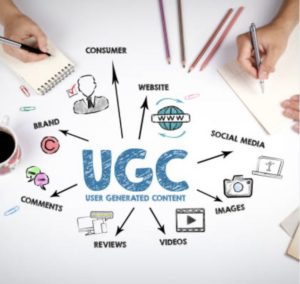
User-generated content refers to content created by consumers and not brands. Such content includes videos, pictures, reviews, articles, and more. For instance, if a consumer takes a picture of themselves using your product and posts it on Instagram, that’s user-generated content. The following are just a few of the benefits of user-generated content:

  • Free publicity

Your audience is essentially promoting your brand on your behalf. As a result, user-generated content can help increase brand awareness.

  • Free content

Creating your own content requires a lot of resources. User-generated content requires none — your audience is creating the content for you. While you don’t own it, you can share it and reap the benefits of it.

  • Positive word of mouth

Customers trust other customers more than they trust brands. Positive user-generated content can, therefore, help to boost your brand reputation by creating trust.

3 Brands That Turned Customers Into Marketers

GoPro’s UGC-driven product launches
GoPro built its entire marketing model around customer-submitted footage through hashtags like #gopro and #GoProChallenge, plus a Million Dollar Challenge that ties directly to new product launches, since participants have to use the newest camera to enter. The tactic works because it doubles as a product demo while building a content library the brand can reuse in ads, and visitors to the challenge page converted at nearly 3x the normal rate, generating around 25,000 transactions. CuratorCurator

Glossier’s always-on referral program
Rather than running one-off contests, Glossier built UGC into a permanent system: it collects customer photos under a branded hashtag, reposts the best ones, and turns popular contributors into brand ambassadors with unique promo codes that earn them a cut of the sales they drive. The payoff is real — about 70% of the brand’s online sales now come from peer referrals rather than paid ads. CuratorCurator

Wayfair’s evergreen hashtag strategy
Wayfair keeps things simple by posting a branded hashtag in its Instagram bio and asking customers to share photos of Wayfair products in their homes, then reposting the best shots with creator credit — no contest, no prize, just an always-open invitation. The hashtag has accumulated more than 55,000 posts, proof that a low-friction ask can outperform a flashier one-time campaign. Young Urban ProjectYoung Urban Project

How To Source Usable Generated-Content

Considering how beneficial this free content can be, you’ll want to do everything you can to encourage it. However, the biggest challenge lies in the lack of control you have over the content. You can’t control the message, format, or quality, after all. But there are a few ways that you can guide your audience to create the content that will benefit you most. The following are a few tips on how to source high-quality user-generated content:

  • Encourage 

Don’t just wait for your audience to create content relevant to your brand. You need to encourage it. For instance, hold a contest on social media in which users vote on the best submission. You can then give the winner a prize. There are many ways that you can encourage content generation.

Utilize Marketing Audiences on Pinterest Today

  • Provide clear guidelines

If you’re looking for a specific type of content, then you need to provide guidelines. For example, if you want user reviews, consider providing a basic review format. Such a format could list three broad questions that users can answer in order to generate a review.

  • Provide content creation tips

Your audience does not consist of professional content creators. As such, provide tips that they can use to create higher quality content. For instance, if you’re holding a video creation contest on YouTube or on Instagram, provide your users with a list of basic filming tips. Such tips can help cut down on the amount of poor quality content that you might receive.

  • Offer an example

If you’re looking for a specific type of content, then provide an example. When users see what you’re looking for, it will help them create the kind of content you want. For instance, if you’re hosting a picture taking contest, upload a few pictures of your own that would be considered exceptional examples. By providing an example, you also make sure that users understand your instructions more clearly.

  • Identify the channel

Make sure that your audience knows where to send it. The last thing you want is users posting their content on different platforms or sending it to you via different channels. If you’re promoting a contest, specify what platform they should post to or what hashtag they should use. Provide detailed instructions on how to submit content. By making it clear what channel you’re using, it will be easier for you to track and organize user-generated content.

  • Open a line of communication

Provide a channel through which your audience can contact you. This channel should be specifically for users who are creating content. You can do this by providing a specific support email address, a phone number, or a page they can DM on social media.

Track how the content users create for your brand is performing. By doing so, you can identify what types are the most effective. You can then adjust your guidelines and instructions to encourage the creation of that type of content.

Enhance your Strategy Today

Start Turning Customers Into Creators

User-generated content isn’t a nice-to-have anymore — it’s one of the most cost-effective ways to build trust, expand your content library, and get your brand in front of new audiences without stretching your production budget. The brands doing it best, whether it’s GoPro tying UGC to product launches or Wayfair running a simple evergreen hashtag, all share one thing in common: they made it easy and rewarding for customers to participate.

You don’t need a massive budget or a viral moment to get started. Pick one channel, create a simple hashtag, and give your audience a clear reason to share. Start small this week: choose a single platform, draft your guidelines, and ask your most loyal customers to be the first to post. The content — and the trust it builds — will follow.

25 Website Must Haves
Successful Senior Living Marketing Strategy

Build an Effective Senior Living Marketing Strategy

The senior living industry is evolving rapidly. As a result, marketing strategies must adapt to meet the expectations of informed seniors and their families. Today, residents want more than care—they seek engaging lifestyles, personalized experiences, and communities they can trust.

In addition, families are more involved than ever in the decision-making process. They expect transparency, clear communication, and proof that your community provides the highest level of care. Therefore, a modern marketing strategy blends digital visibility with authentic human connection.

Moreover, when executed correctly, this strategy drives inquiries, improves occupancy, strengthens your reputation, and builds long-term trust. Communities that embrace a multi-channel, data-driven approach can communicate their value clearly while highlighting lifestyle offerings that support independence, wellness, and social engagement.

Understand Your Senior Living Audience

Most senior living decisions begin online. Seniors and their adult children research communities, compare services, read reviews, and look for transparent information.

For example, they often check:

  • Websites for amenities and service details

  • Reviews on Google, senior living directories, or social media

  • Virtual tours and online content that highlight daily life

Additionally, this audience evaluates not only care quality but also lifestyle offerings, social engagement, and community culture. By understanding these priorities, your marketing can be more precise and resonate deeply with prospects.

Key priorities for senior living audiences include:

  • Clear, honest information about services and pricing

  • High-quality care, wellness programs, and specialized services

  • Engaging social and recreational activities

  • A sense of trust, community, and personalized attention

Therefore, understanding how your audience searches and consumes information allows you to create marketing messages that convert interest into action.

Core Elements of a Senior Living Marketing Strategy

1. Targeted Digital Advertising

Paid search and social media campaigns allow communities to reach prospects exactly when they are searching for options. In addition, location-specific campaigns highlight your community’s key differentiators, such as:

  • Unique amenities and programs

  • Specialized care services

  • Lifestyle and wellness offerings

Meanwhile, using remarketing and targeted ads ensures your message continues to engage those who have already expressed interest. As a result, digital advertising can consistently generate highly qualified leads and maximize return on investment.

2. Storytelling Through Content

Storytelling is essential because decisions in senior living are personal. Furthermore, content marketing humanizes your community and builds trust with both prospects and their families.

For instance, consider these content types:

  • Resident and family testimonials

  • Staff spotlights and leadership insights

  • Blog posts addressing FAQs about moving, care options, or wellness programs

  • Video tours showcasing daily life, community events, and amenities

In addition, repurposing content across multiple channels increases reach and SEO value. Moreover, storytelling establishes your brand as trustworthy, relatable, and transparent.

3. Social Media Engagement

Social media is more than a promotional tool—it’s a window into your community culture. In addition, it offers a platform to engage families, highlight achievements, and show your community’s personality.

Also, consistent posting creates awareness while building relationships. Key engagement strategies include:

  • Responding promptly to comments and messages

  • Sharing resident and family experiences

  • Highlighting community milestones and events

  • Using video content to showcase lifestyle offerings and activities

Furthermore, social media amplifies the reach of other marketing channels, such as digital ads and content marketing, creating a cohesive strategy that maximizes visibility.

4. Local Outreach

Even in a digital-first world, local relationships are vital. For example, personal connections reinforce credibility and establish your community as a trusted partner in senior care.

Effective local outreach strategies include:

  • Hosting educational seminars or informational sessions

  • Partnering with local healthcare providers, senior organizations, and referral partners

  • Participating in community events, fairs, and fundraisers

  • Building relationships with local influencers or advocacy groups

Therefore, combining local outreach with online marketing increases both trust and visibility, creating multiple touchpoints for prospects to engage with your community.

5. Data-Driven Optimization

Analytics are essential for understanding what works and what doesn’t. In addition, CRM systems and marketing analytics allow you to track key metrics such as:

  • Website traffic and lead sources

  • Conversion rates and campaign performance

  • Engagement across content and social media

As a result, data-driven strategies allow communities to refine messaging, optimize budgets, and improve lead nurturing workflows. Ultimately, these insights ensure marketing efforts continuously evolve and deliver measurable results.

6. Enhancing Engagement with Multi-Channel Campaigns

Moreover, using a multi-channel approach ensures your community reaches prospects wherever they spend time. This includes:

  • Email newsletters to nurture leads and share updates

  • Video campaigns highlighting resident stories and amenities

  • Paid social campaigns targeting family decision-makers

  • Retargeting campaigns to reconnect with website visitors

In addition, integrating these channels strengthens brand consistency, builds trust, and drives higher-quality inquiries.

Final Thoughts

A strong senior living marketing strategy blends digital marketing, storytelling, community engagement, and data-driven decision-making. Furthermore, focusing on audience needs, transparency, and lifestyle offerings attracts qualified leads and supports sustainable growth.

In summary, success in senior living marketing is not about chasing trends—it’s about consistent messaging, authentic experiences, and measurable results.

Need help creating a senior living marketing strategy that drives real results? Our consulting services help communities build plans designed for long-term success.

Types Of Marketing Videos You Should Use

Types Of Marketing Videos You Should Use

Why Video Marketing Still Matters

Year after year, video marketing continues to grow in importance. Video has never been easier to consume, thanks to faster internet speeds, mobile-first platforms, and the high-quality cameras built into today’s smartphones and tablets. More importantly, video remains one of the most effective ways for people to absorb and retain information. With the creation of TikTok, attention spans have decreased drastically, people are more adept to quick videos.

Audiences now expect video at every stage of the buyer’s journey—from awareness to decision-making. Whether they’re researching a solution, comparing vendors, or validating a purchase, video helps simplify complex ideas and build trust. Because of this continued rise in video consumption, a strong video marketing strategy is no longer optional—it’s essential. Edelman states 67% of people put their trust in brands.

Below are some of the most effective types of marketing videos to consider producing to improve visibility, build trust, and drive conversions at every stage of the buyer’s journey.

Types of Marketing Videos

1. Educational Videos

Educational videos are the foundation of any successful digital marketing strategy. These videos help inform your target audience while positioning your brand as a trusted, authoritative resource in your space. The more educated your audience is about their challenges, the more confident they will feel when making a purchasing decision with you.

Educational videos help explain what you do, how you do it, and why it matters to the consumer. Common types of educational videos include:

  • Demo videos – Show how your product or service works in real-world scenarios

  • Explainer videos – Clarify a problem and explain why your solution is valuable

  • How-to videos – Provide step-by-step guidance for completing a task

  • Animated videos – Ideal for simplifying complex concepts or abstract services in an engaging way

type of marketing video

2. Interview Videos

Interview videos are an effective way to share insights while adding credibility and personality to your brand. These can feature employees, leadership, clients, or industry experts.

Beyond building trust, interview content also performs well when repurposed into short clips for social media, blog posts, email campaigns, and sales materials—making it one of the most versatile video formats.

3. Event Videos

Industry events such as conferences, trade shows, webinars, fundraisers, and roundtable discussions continue to be valuable content sources. Capturing these moments on video allows you to extend the life of an event and reach audiences who couldn’t attend.

Event footage can be edited into polished highlight reels, short session summaries, or bite-sized social clips that reinforce your company’s market presence and thought leadership long after the event has ended.

Also Read: Three Videos Every B2B Website Should Have

4. Case Study and Testimonial Videos

Case study and testimonial videos showcase real customer experiences and remain one of the most effective forms of social proof. Prospects are far more likely to trust peers than marketing claims.

These videos give customers the opportunity to explain their challenges, the solution they chose, and the results they achieved—making your value proposition more tangible and believable.

Also Read: Top Benefits of Using Case Studies for Your Business

5. Behind-the-Scenes Videos

Behind-the-scenes (BTS) videos help humanize your brand and create a stronger, more emotional connection with your audience. They show the people, processes, and culture behind the business. In a digital world crowded with corporate text, people want to buy from people. Pulling back the curtain builds transparency and strips away the clinical feel of a corporate entity.

Popular formats include employee spotlights, “day-in-the-life” videos, and behind-the-scenes looks at how products or services are delivered. For instance, showing a 30-second time-lapse of your team onboarding a new client or a quick snippet of your creative brainstorming session makes your value proposition instantly tangible.

Furthermore, these videos are incredibly effective for recruitment. When prospective talent can visually experience your company culture and see the authentic daily environment of your team, it drastically improves your ability to attract top-tier candidates who share your values.

Not sure which video types fits your funnel? Schedule a video strategy session and we’ll help you map out the right mix for your goals.

How Video Marketing Is Evolving

While these foundational video formats remain highly effective, the specific ways audiences interact with visual media continue to shift. To stay ahead of the competition, your strategy should account for these three growing trends:

  • Live and Interactive Video: Real-time Q&A sessions, virtual events, and interactive video experiences help brandslong form video2 build trust through transparency and engagement.

  • Short-Form Video: Bite-sized video content performs well across social platforms, especially for awareness and engagement.

  • Repurposed Long-Form Content: Webinars, interviews, and events can be broken into multiple shorter assets to extend reach and maximize ROI.

Frequently Asked Questions About Video Marketing

How do I measure the ROI of my video marketing?
Track metrics that map to your goal for each video: view-through rate and watch time for awareness content, click-through and conversion rates for bottom-funnel videos, and qualitative feedback (like sales team usage) for testimonials and case studies. Tying video performance back to pipeline and revenue, not just views, gives the clearest picture of ROI.

What makes a video “go viral” versus just performing well?
A video that simply performs well is built around a specific audience and goal within your funnel—it doesn’t need mass appeal to succeed. Going viral is a different, far less predictable outcome driven by broad, rapid sharing. Studying what made past viral videos work (a strong hook, distinct tone, high production value) can still sharpen your everyday marketing videos, even if virality itself isn’t the goal.

Where should I publish my marketing videos?
Distribution should match where your audience already spends time—your website, YouTube, social platforms, email campaigns, and sales enablement materials are all common channels. A single video is rarely “one and done”; it’s usually edited into multiple versions for different placements.

How often should a business publish new video content?
Consistency matters more than volume. A steady cadence—monthly or quarterly, for example—paired with a mix of formats (educational, testimonial, BTS) tends to outperform sporadic, one-off video projects.

Ready to set these video types in action? Explore our video production work to find inspiration for your next project.

Final Thoughts on Video Strategy

These video formats should play a role in your marketing strategy, but effectiveness ultimately comes down to relevance, quality, and audience intent. The strongest video strategies are built with clear goals and a deep understanding of who the content is for.

If you’re ready to refine your video marketing approach, a digital marketing consultant can help you create a strategy that drives engagement, builds trust, and supports long-term growth. A digital marketing consultant can work alongside your team to map out a custom video strategy that drives engagement, builds unshakeable trust, and supports your long-term business growth.

Contact us today to start creating marketing videos that deliver real results.

Free Marketing Consultation

Why Your Website Redesign Would Benefit From An Inbound Marketing Strategy

A website redesign is the perfect time to integrate your inbound marketing strategy into the site’s very fabric. In fact, your entire website needs to be optimized and focused on furthering your inbound marketing efforts. It is an investment that will pay off in higher conversions and increased sales.

Is Your Current Website Giving You What You Need?

You are in business to make money. Your website exists to market your business. Its design needs to further your need to make money. If your current website design is not doing that, it isn’t giving you what you need.

Here are some things to expect from your website:

  • The design should remain up to date.
  • You should be able to measure ROI easily.
  • You should have updated metrics available at all time.
  • The website should totally support your marketing efforts.
  • The website should drive conversions and build your lead database.

If your current design isn’t giving you these benefits, it’s time to invest in a new design, one that will give you these benefits and many more.

20 Tips To Improve Your Website Redesign Process

Every aspect of your website redesign should feed into your inbound marketing strategy. The strategy and marketing funnel needs to be integrated into the site’s very fabric. To make this type of design work, you need a platform that is growth-driven and you need a web team that can make updates on a regular basis.

What are the Advantages of an Inbound Marketing Website?

Your business will benefit in many ways when your inbound marketing strategy becomes what drives your website design.

  1. The website will be the basis of your 24/7 marketing funnel. Your website is where you drive traffic to, host your content, convert visitors to leads, and gather marketing data. That is why your inbound marketing strategy must drive your website design.
  2. Your website will educate leads early in their buyer’s journey. Buyers these days do a lot of research before making purchases. You want your website to be a rich source of information so the buyer will continuously visit during their journey.
  3. You will see every increasing improvement in design and performance. Why wait for your next website redesign to update your website? It should happen at least once a month as you make changes to meet marketing goals and fix problems.
  4. You can prove ROI with incremental improvements. Website updates cannot just involve aesthetics. They must include and revolve around marketing changes. With each change, you can measure your ROI quite easily.
  5. Your website can help nurture leads. The more you educate a lead, the more likely that person is to make a purchase. Your website must offer clear pathways through the buyer’s journey to help him or her reach a decision point.

If you want to take your marketing to the next level, it is time to integrate your inbound marketing strategy with your website design. Once you have the basics in place, you will see steady improvements in your marketing efforts. And that makes it all worth it.

This article is on Data Captive as well.

Want more resources on how to redesign your website? Click here!

Integrating Social Media & SEO Efforts For Enhanced Search Engine Results

brand storytelling examples

How To Create A Brand Story

Storytelling is an ancient art form that has been scientifically proven to aid memory. This makes it the ideal vehicle for promoting products and creating successful branding. A well-told story not only captures attention but also engages the audience on a deeper level, making them more likely to remember and connect with the brand. Learning how to tell your brand story begins with understanding the role of characters.

At the heart of the story lays the characters. It is through your characters that you connect with your customers. If your story does not have believable characters, then your potential customers will not connect with you, find your branding believable, or create an emotional connection with your story.

How To Create A Brand Story

Starting with Archetypes

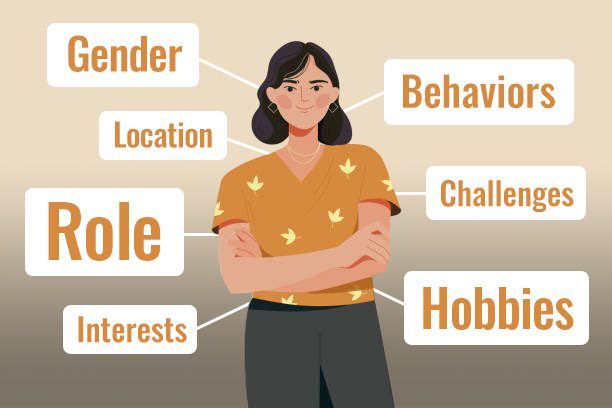
Your brand persona reflects your customers understanding of your brand’s behaviors and values. The persona must appear human and exhibit traits that the customer recognizes, such as courage, persistence, and imagination. They need to be able to create an emotional connection with your persona. Your story’s characters play a vital role in shaping this relationship.

super heroFor compelling brand story, it needs strong, well-drawn, and quickly recognized characters, which your customers can relate to and see themselves in. To achieve this, you need to begin with archetypes. Hero, villain, mentor, caregiver; these are archetypes that are easily recognizable and relatable to. They are found in all stories throughout history, from Ancient Greek classics to modern fantasy tales. However, an archetype on its own is two-dimensional, so it needs to be personalized to make it believable.

Developing a Believable Persona through Relatable Characters

Your characters must grow from these archetypes. Otherwise, they will remain flat and hold no emotional connection with the customer. Achieving this involves creating a brand story for your characters without losing consistency. This enables the customer to see them as multi-dimensional.

Through those character stories, you develop your brand persona’s attributes. The attributes your persona portrays will be the ones your customer associates with your company. So, these need to be chosen carefully. You might want to consider qualities such as courage, decisiveness, determination, work ethic, honesty, flexibility, responsibility, and curiosity.

An example of good brand storytelling and excellent character creation is Guinness. Consider the company’s latest campaign. It has the guys that have turned their backs on the gang culture of Compton instead saving horses. The archetypes are good versus evil, but the characters stories make them relatable and give an overall caring, yet brand persona for Guinness.

Defining Your True Brand Story and Bringing it to Life Online

Creating a Relatable Persona

As well as being believable, your brand persona must be relatable. If your target customer group is young women, then having a brand persona that your audience consider to be a middle-aged businessman is not going to make your brand relatable. If your customers cannot relate, then they will not feel connected to your brand and are unlikely to believe your promises, mission statement, or aims. You need to know who it is you want to connect with before you even begin to develop your persona.

The customer may never see any of this directly, but they will instinctively know if you have not considered these elements as it will show in the consistency–or lack thereof–of your brand storytelling. If you are unsure of the importance of characters in how to tell your brand story and create your brand persona, go back to your favorite work of fiction and imagine that work without the attention to detail that has been poured into each character. It’s through these nuanced portrayals that storytelling comes alive, ultimately demonstrating the importance of character-driven narratives in crafting a successful brand story.

Download Our White Paper Guide To Learn How To Perfect Buyer Personas For Your Business

reduced marketing budget

Creative Ways to Stretch a Reduced Marketing Budget

Many businesses believe cutting budget means cutting opportunity. However, with strategy, creativity, and the right agency partner, even a lean budget can deliver strong returns. To help you get started, below are ideas and actions that make every dollar count — especially with support from a partner who knows how to maximize resources.

Key Strategies for Maximizing Impact on a Tight Budgetmarketing budget

Understand Your Audience Deeply

Before investing in any campaign, understand your audience. Many marketing budgets are wasted because businesses create campaigns based on assumptions instead of customer insights. The more you understand your audience, the easier it becomes to develop messaging that speaks directly to their needs, challenges, and goals. Customers are far more likely to engage with content that feels relevant to their situation than generic promotional messages.

    • Do low-cost research: surveys, customer feedback, persona workshops (in-house or with agency help) to sharpen your messaging. Align what you say with what your customers value most (Keys to Successful Price Reduction Strategy).
    • An agency can further support this process by conducting competitive audits, analyzing customer sentiment, reviewing industry trends, and interviewing customers. These insights eliminate guesswork and allow your marketing strategy to focus on opportunities with the greatest potential return.
    • As a result, every campaign begins with stronger messaging and a clearer understanding of your target market.

Prioritize High-Impact, Low-Cost Activities

Once you understand your audience, focus your resources on activities that deliver the greatest return. Not every marketing tactic requires a large investment. In fact, many of today’s highest-performing digital marketing channels require more consistency than budget. Email marketing, search engine optimization (SEO), organic social media, educational blog content, and customer referrals often continue generating value long after they’re published.

    • One helpful approach is using an impact-effort matrix to sort tactics by likely payoff. valuate each marketing activity based on its expected business impact and the resources required to execute it. Prioritize initiatives that offer high value while requiring relatively little investment. (Strategies and Trends for Effective Digital Advertising).
    • Working with an agency can help you identify which channels deserve attention first, preventing unnecessary spending on tactics that may not align with your audience or business objectives.
  • Repurpose Existing Content

    • Rather than creating everything from scratch, repurpose your best-performing content.
    • Take your best-performing content (blog posts, white papers, webinars) and convert into videos, infographics, social posts, etc. Stretch your work so it earns more impressions per asset.
    • Agencies can map out content calendars, identify repurposable pieces, and design formats to suit different channels.
    • This way, every asset continues to generate value across multiple channels.
  • Use Free or Affordable Tools Wisely

    • Additionally, take advantage of free or low-cost marketing tools.
    • Tools like Canva for design, basic email software, analytics dashboards, low-budget scheduling tools save money.
    • At the same time, agency partners often have access to premium tools/licenses or can train your team on best practices to avoid expensive mistakes.
  • Test, Measure, Optimize

    • Once your campaigns are live, continually test and optimize them.
    • Small tests (A/B tests, pilot campaigns) help find what works before you spend big. Use real data.
    • Tracking KPIs (conversion rates, cost per lead) and adjusting spending away from underperforming channels is crucial. Agencies shine here by setting up dashboards and helping you interpret data.
    • Based on those results, adjust your spending toward the highest-performing channels.
  • Focus on Retention & Existing Customers

    • Equally important, don’t overlook your existing customers.
    • Acquiring new leads is costlier than keeping ones you already have. Loyalty programs, personalized messaging, excellent service—these all help maintain revenue.
    • An agency can audit your customer journey and suggest touch-points or campaigns to improve repeat use or referrals.
    • Ultimately, improving retention helps maximize your marketing investment.
  • Form Strategic Partnerships and Co-Marketing

    • Additonally, consider forming strategic partnerships and co-marketing campaigns.
    • Partner with complementary brands to pool resources, share audiences, cross-promote. Co-host webinars, joint giveaways, shared content.
    • Agencies often have networks and can help facilitate these partnerships, ensuring both brands benefit.
    • By working together, both brands can reach new audiences while sharing costs.

Book a free 20-minute consultation and receive personalized recommendations to improve your marketing strategy.

Common Marketing Budget Mistakes to Avoid

    • Skipping the strategy phase and jumping into tactics before defining goals, audience, and messaging.
    • Spreading limited resources across too many channels instead of prioritizing high-impact opportunities.
    • Making decisions based on assumptions rather than measurable results.
    • Stopping campaigns too early or marketing only when business slows down, instead of maintaining a consistent presence.

How an Agency Partner Adds Value

While these strategies can be implemented internally, partnering with an experienced agency can make them even more effective. Here’s how an agency adds value while helping you stay within budget.

What the Agency Does How It Helps with a Tight Budget
Helps define clear goals & metrics Ensures every tactic aligns with outcomes, avoiding waste on ineffective channels.
Expert channel & tool selection Guides you toward tools/platforms that deliver good bang for buck.
Scaling small wins Takes what works (from small tests) and scales it without overspending.
Content production efficiency Agencies can often bundle or batch content, get design + copy done more efficiently.
Monitoring & optimization Provides regular check-ins, data analysis, adjustments so you don’t keep sinking money into poor-performing efforts.

Putting these strategies into practice may seem overwhelming at first. Fortunately, a structured plan can help you stay focused and maximize results over time.

Example Plan for Lean Budget Execution

Here’s what a simplified 6-month lean budget plan might look like, with your agency partner:

  • Month 1: Audience research + define personas + audit current content
  • Month 2: Prioritize channels (e.g. SEO, email, social) + set up tracking infrastructure
  • Month 3: Repurpose top content + launch pilot campaigns (one email, one social)
  • Month 4: Review data + double down on winning tactics + drop non-performing ones
  • Month 5: Partner/co-marketing campaigns + customer retention initiatives
  • Month 6: Evaluate results, refine message, and prepare next cycle with what’s working

After six months of consistent effort, you should have valuable data to guide future decisions. More importantly, you’ll know which tactics deserve additional investment.

Takeaway

Ultimately, a reduced marketing budget doesn’t have to mean reduced results. Instead, success comes from focusing on the strategies that deliver the greatest impact. By prioritizing your efforts, using the right tools, testing regularly, and partnering with an experienced agency, you can continue to grow your brand presence without overspending. It’s not about doing everything—it’s about doing what matters most, and doing it well.